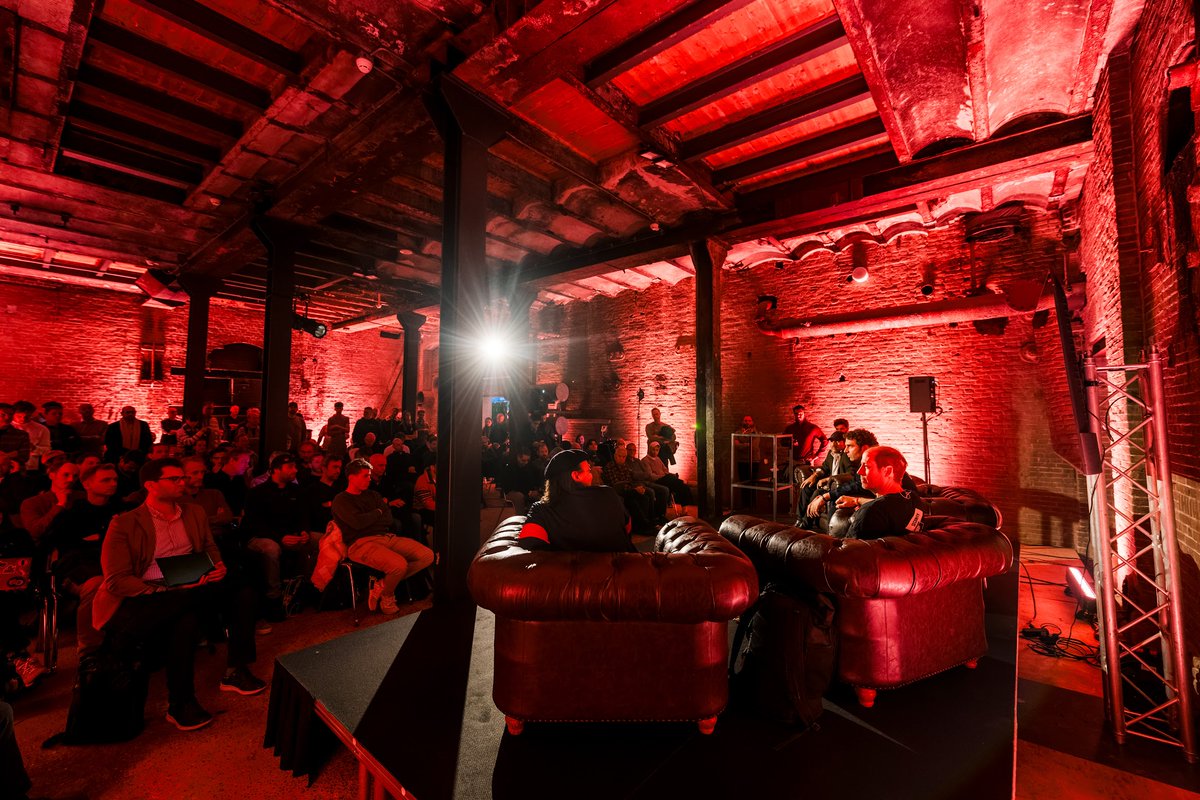
Sharing the stage with prolific self-custody advocates at the Bitcoin Amsterdam @bitcoinconfams 's panel "Will Bitcoin Self-Custody ever be safe?" was a lot brilliant and rewarding. on YT soon !
If the same failure can take down two safeguards, how much independence do they give you? That question came up at Securing Bitcoin in Lugano. The recap also looks at the trade-off between adding safeguards and keeping recovery manageable: https://t.co/1EPj0oahZm
Demain, 20 novembre, nous serons au #BitcoinWealthSummit à Bordeaux.
Nous avons la chance d'y animer un atelier : « Un exemple de Multisig avec verrou temporel ».
Les détenteurs de bitcoins font face à plusieurs risques : les agressions physiques, le piratage, la perte d'une clé. @ruchat_loic montrera comment protéger ses bitcoins, sans les confier à un tiers, en combinant deux outils :
• la multisignature : il faut plusieurs clés pour dépenser, une seule ne suffit jamais ;
• le verrou temporel à la demande : un délai démarre dès qu'une dépense est initiée, le temps de vérifier qu'elle vient bien de vous, et de l'arrêter sinon.
Un atelier pour les détenteurs de bitcoins, et pour les professionnels qui les accompagnent.
Si vous êtes sur place, venez nous rencontrer et tester notre nouveau tableau de bord.
Merci aux organisateurs pour leur invitation, et à toutes celles et ceux qui viendront partager ce moment avec nous.
⚠️ If you have WhatsApp on the same computer you use for crypto, read this.
A trader just lost nearly everything to a WhatsApp attack. The hackers got into his PC, watched his Hyperliquid short positions for 5 days, then closed them and moved the funds out through Tornado Cash.
The way in? WhatsApp Desktop's auto-download setting.
It's on by default, so the malicious payload landed on his PC by itself. He never clicked a thing.
This is why your crypto should live on a dedicated device with nothing else installed.
If that's not an option, turn on Strict Account:
Settings > Privacy > Advanced > Strict account settings > ON
It locks your account down so:
- Only contacts can add you to groups
- Calls from unknown numbers are silenced
- Link previews are off, so your IP stays hidden
- Attachments and media from unknown senders get blocked
And if you don't trade often, keep your keys on an air-gapped signing device like Keystone 3 Pro. They never touch the internet, so malware has nothing to grab.
Stay safe out there.
@w_s_bitcoin@Rebelx_o Exactly . Always keep 1 copy of the descriptor with each key . At @BitvaultApp we also allow uploading it encrypted on iCloud . It’s advisable to do both
You still have your keys. Your usual internet connection is down. What’s your fallback for broadcasting a signed Bitcoin transaction? That was one of the self-custody questions we explored in Lugano. Read the recap: https://t.co/VpKNbY37Tg
What would make Bitcoin self-custody feel safer to you?
Our founder and CEO @CiccioMadonna joined the “Will Self-Custody Ever Be Safe?” panel today at @bitcoinconfams.
If you could fix one thing about self-custody, what would it be?
After Coldcard, Ledger and other hardware incidents, for a second you could hear people whispering that maybe custodians are not such a bad idea. They must have gigabrain security after all… right?
Multi-vendor, multi-sig, and timelock your savings. Take responsibility to protect yourself.
Have you seen our new vaults inside the app? For a limited time, you can score a FREE Jade Plus hardware wallet with a 1-year plan! 🎁
@BitvaultApp adds time as an extra layer of protection, so losing control of your signing setup doesn't have to mean instant loss.
Strong point — device security ≠ succession. @BitvaultApp’s angle is closer to “incapacity / coercion under self-custody”: on-chain delays, cancel windows, and optional alerts to trusted contacts while keys stay with the user. We’re iOS + specific HW today. If you’re mapping inheritance flows for CryptoOwnBank, happy to compare notes on delay/cancel UX — SDK available / early access for partners if a technical chat would help.