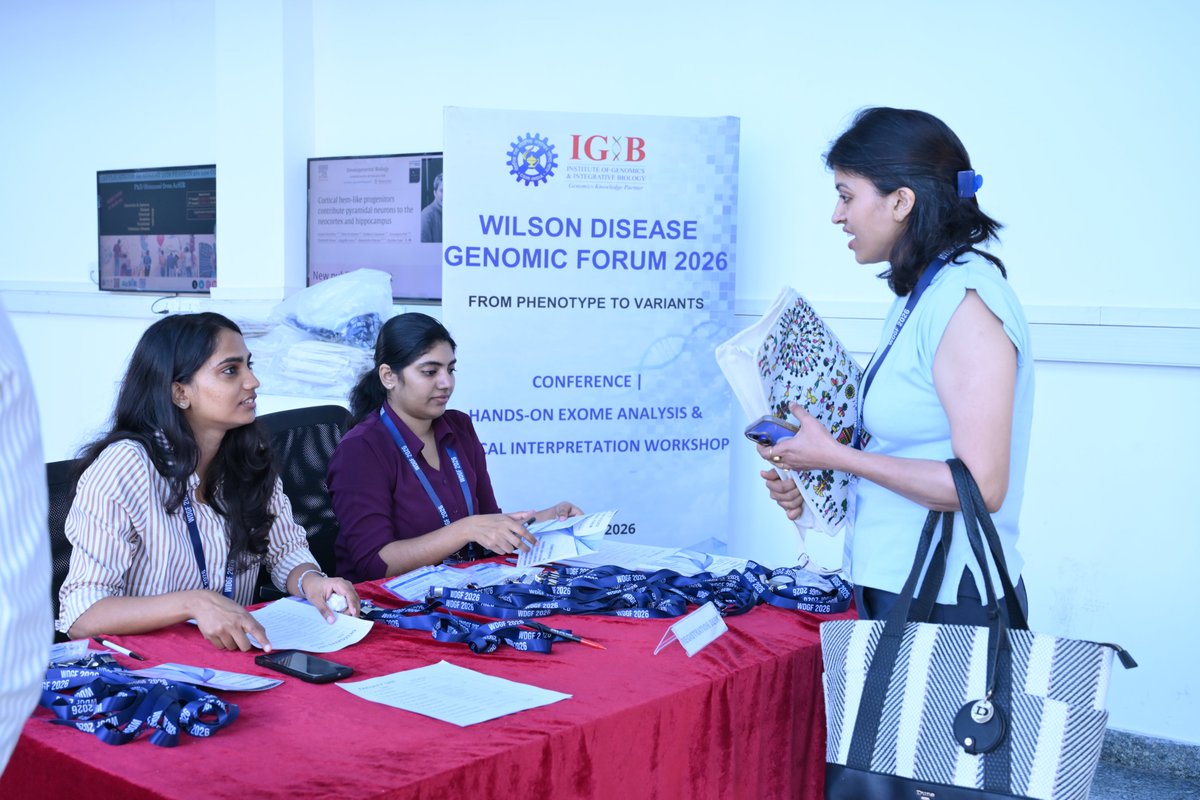
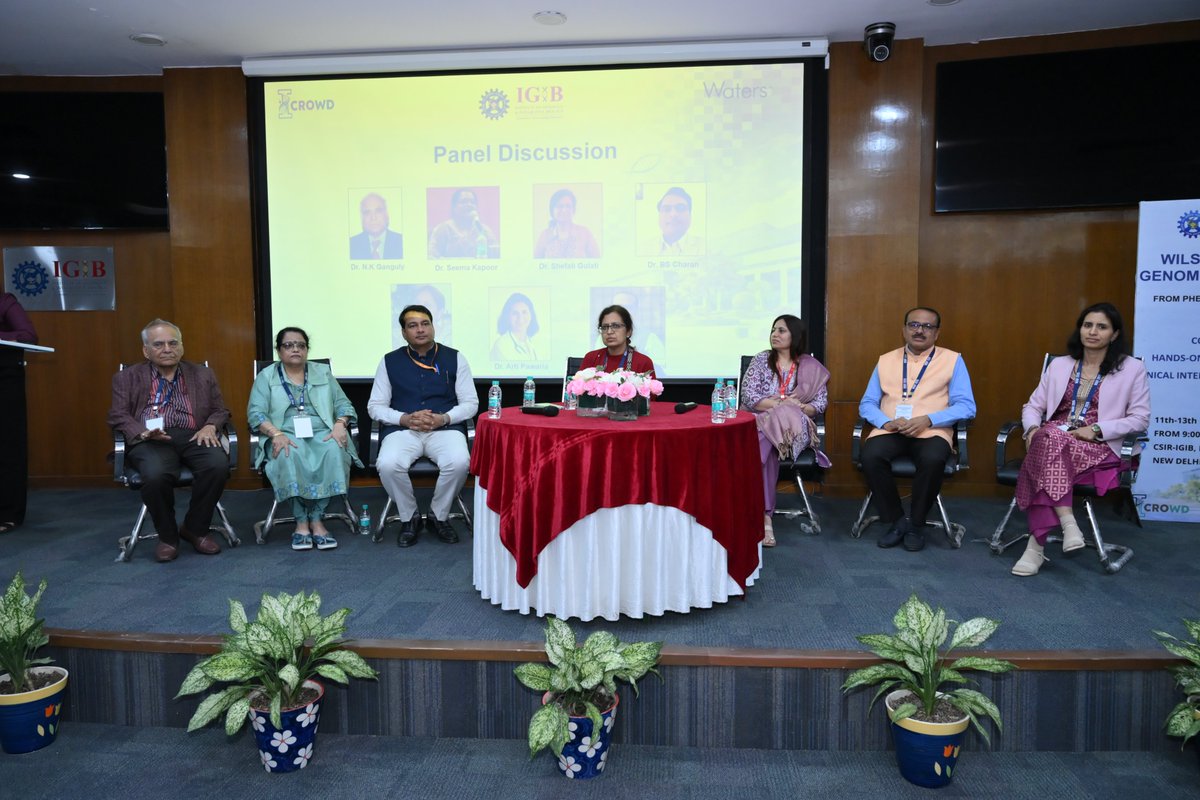
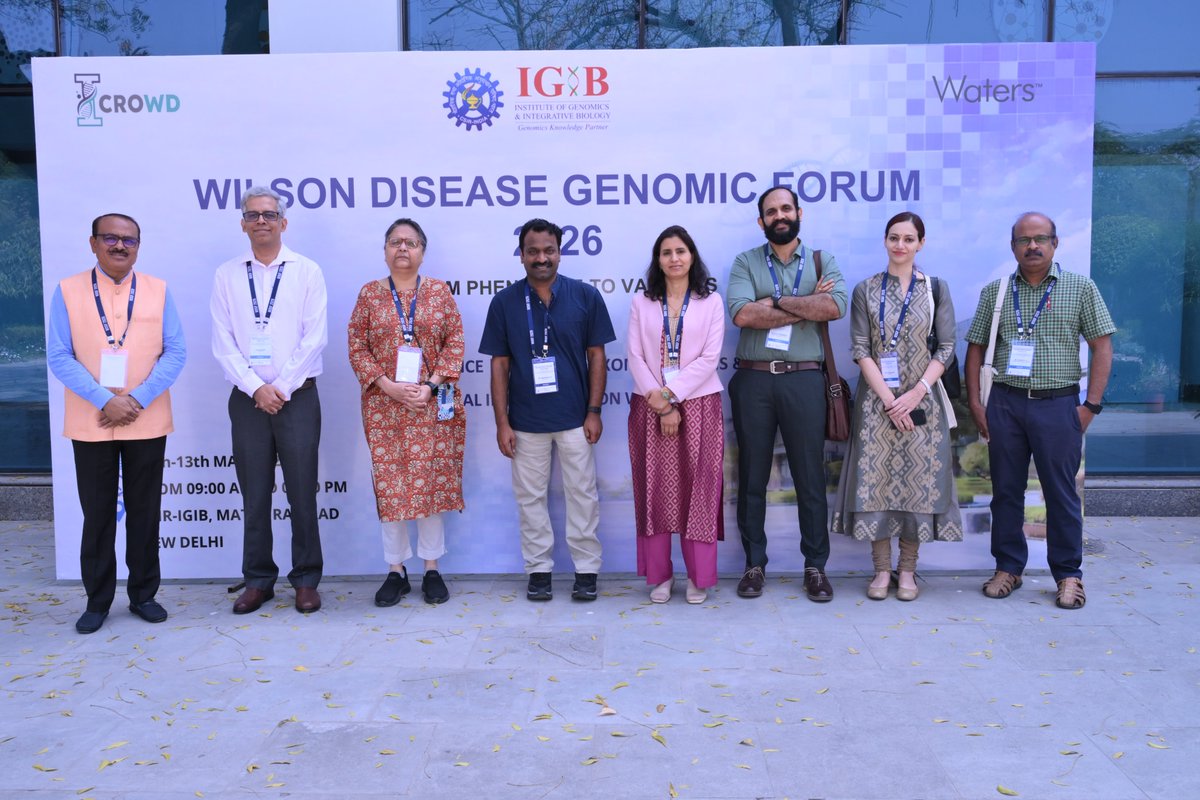
Glimpses from the Wilson Disease Genomic Forum 2026 at @IGIBSocial
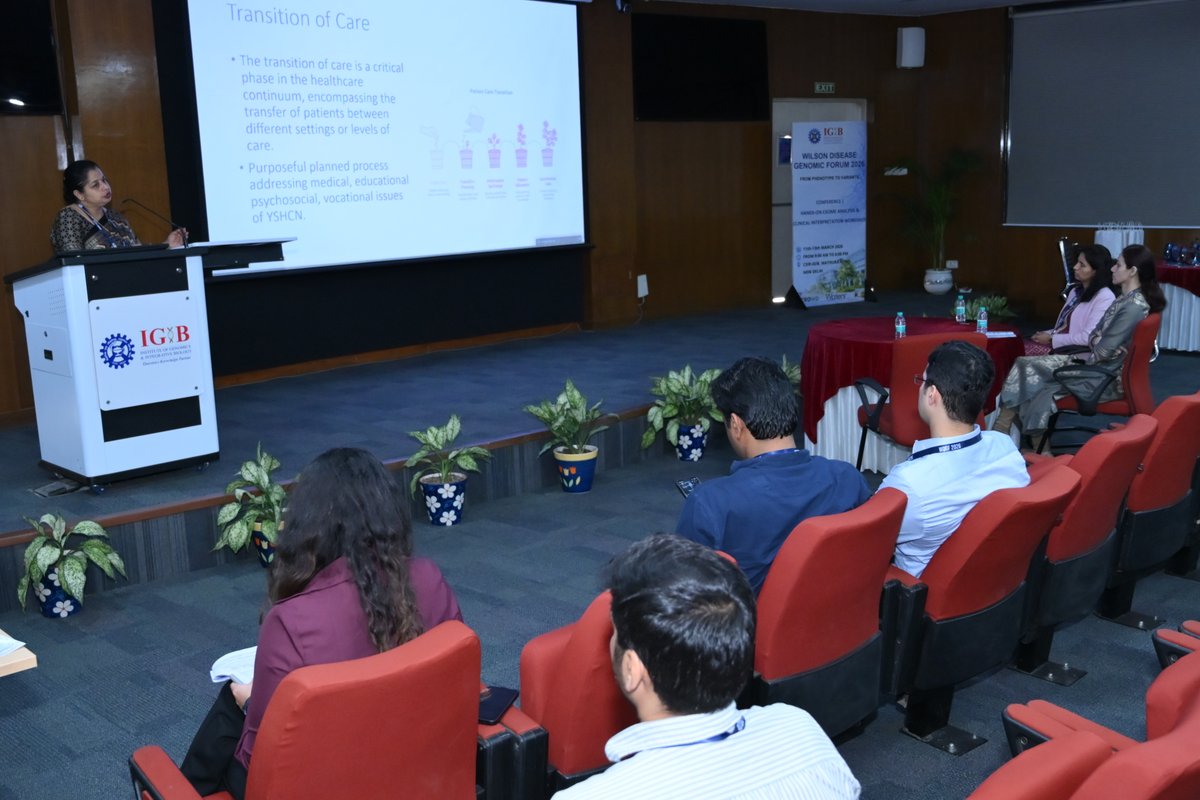
Experts and participants came together for a conference and an intensive hands-on workshop on Exome Analysis & Genomic Data Analytics (11–13 March 2026).
@bk_binukumar@souvik_csir@CSIR_IND
@IGIBSocial welcomes clinicians, geneticists, research scholars, and graduate students to the Wilson Disease Genomic Forum 2026, happening from 11–13 March 2026. Registrations are now open!
@souvik_csir@CSIR_IND@CSIR_HRDG
Delighted to share our latest work published in the Journal of Clinical and Experimental Hepatology:
First Indian Case of Wilson’s Disease with a Chinese-Specific ATP7B Variant: Clinical and Genetic Insights
👉 https://t.co/0rpTQA6inN
Our most recent publication focuses on a cohort of Wilson Disease patients https://t.co/INknJW5TXB
I want to start by extending my deepest thanks to all the clinical collaborators, patients, and colleagues.
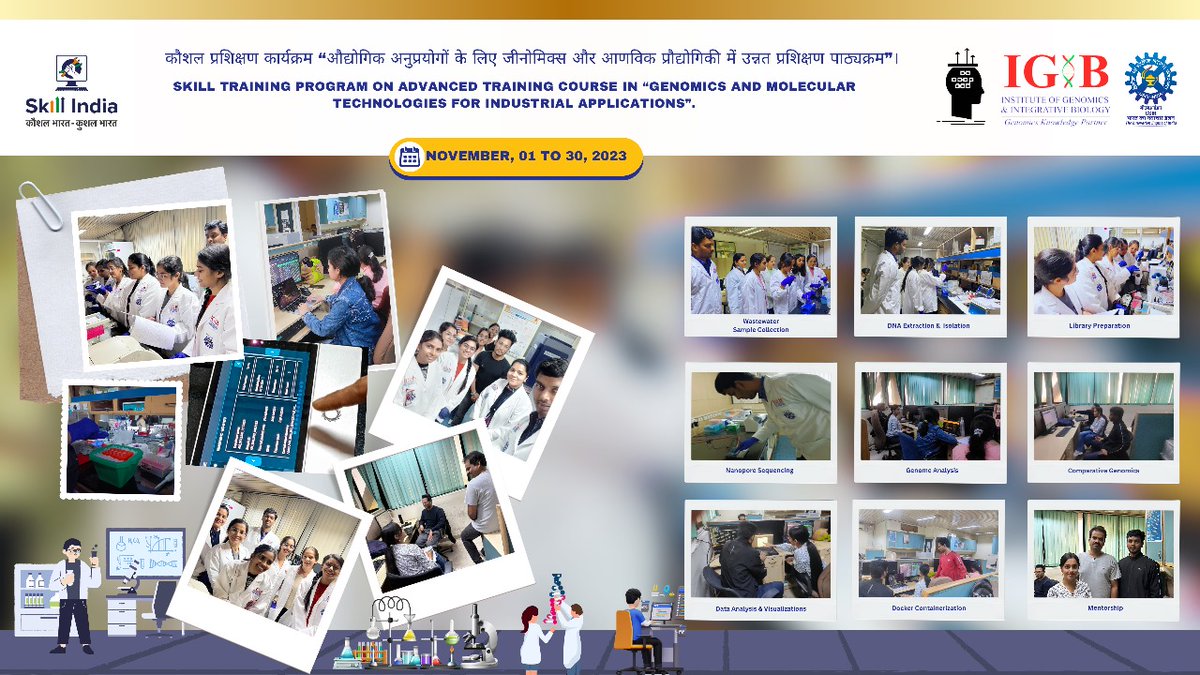
We organized a 30-day advanced training course in “Genomics and Molecular Technologies” for industrial applications from 01st to 30th November 2023 under CSIR integrated skill initiative activities.
The course structure included an end-to-end whole genome sequencing (WGS) workflow inclusive of DNA library preparation to bioinformatics pipelines for delivering high-quality insights on the industrial application of WGS technology.
@CsirSkill@MSDESkillIndia@CSIR_IND@dgcsirIndia@DrNKalaiselvi@souvik_csir@HRDG_CSIR
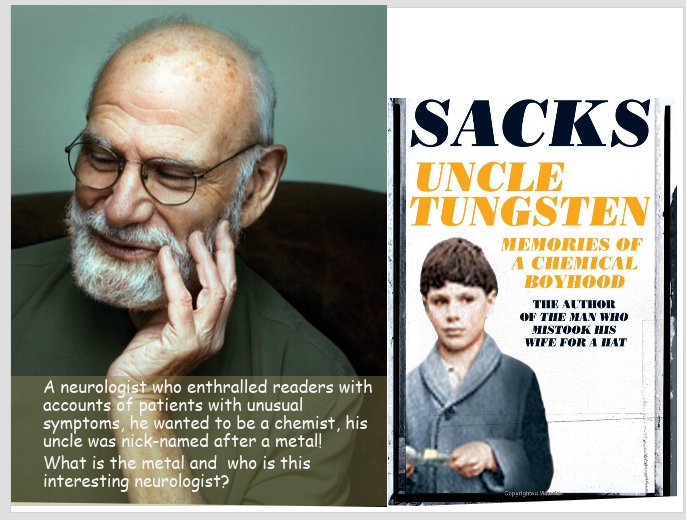
The interesting neurologist is @OliverSacks and the metal is Tungsten.
Did you know that many #IGIB#scientists were trained in #Chemistry. @souvik_csir, @mundel69 and Pradeep Kumar continue to explore #chemicalbiology and #nanobiotechnology, researching at the Chemistry Biology interface.
Talking of #metals, at #IGIB, @bk_binukumar studies Wilson’s disease which is caused by the aberrant accumulation of Copper in cells.
Check out their work here: https://t.co/p2pAsxruHt
#OWOL #IGIB #OWOLIGIB
@CSIR_IND@Kampnasta
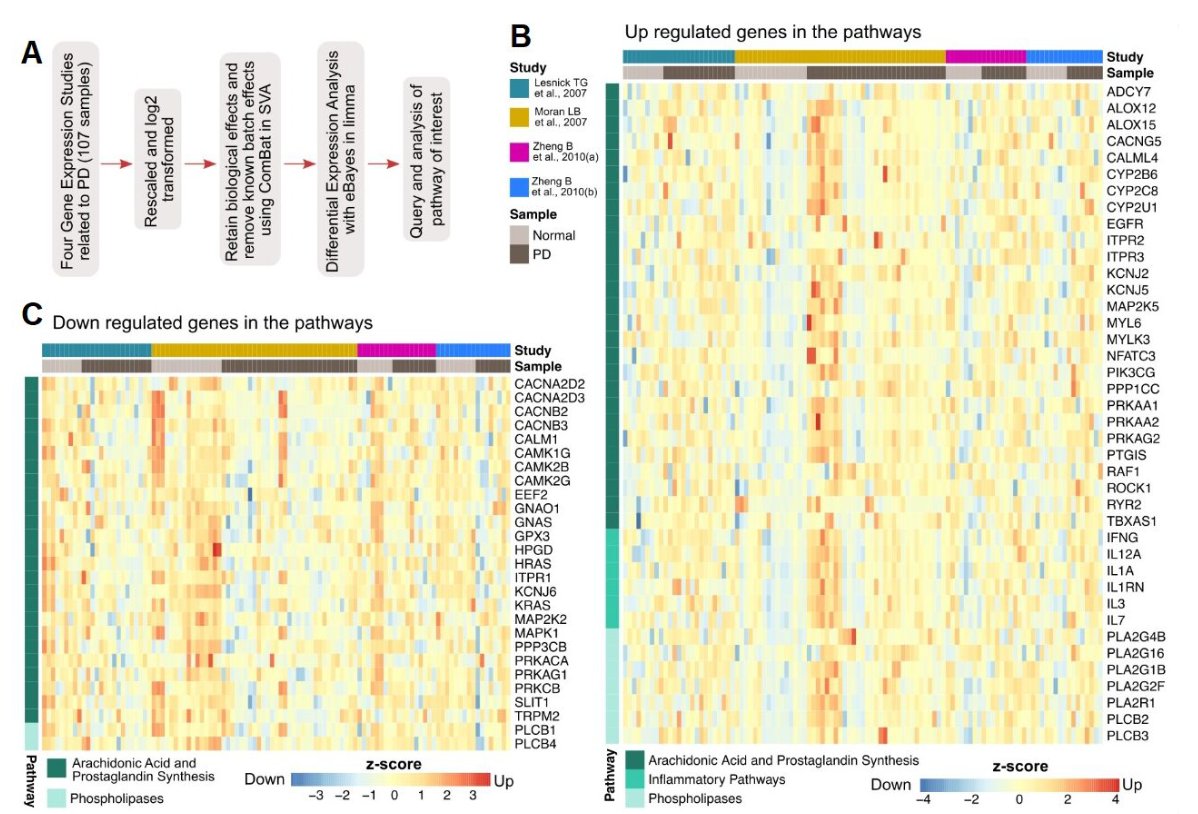
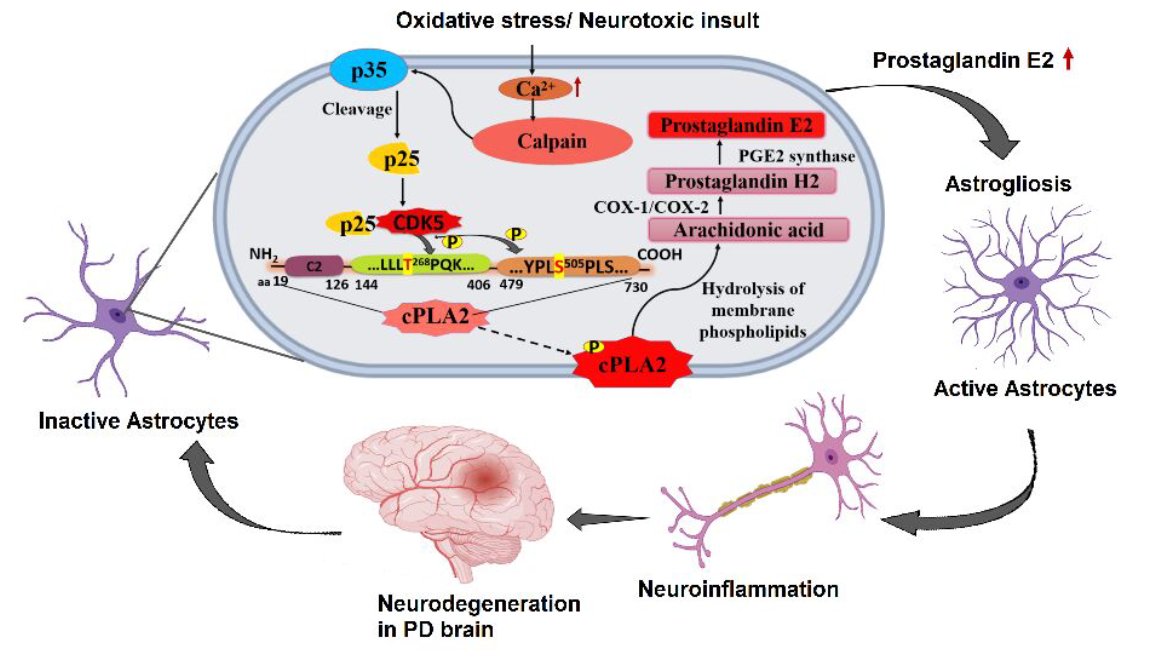
New research finds Cyclin Dependent kinase 5 regulates cPLA2 activity; @bk_binukumar & @IGIBSocial colleagues explore this in the context of #Parkinsons (transg. mice & human); New insights for targeting neuroinflammation caused by hyperactive cPLA2 & CDK5
https://t.co/c1mjSNEty0