If you want a dog like this, first off, you’re going to need a Belgian Malinois. They are essentially the Ferraris of the dog world.
But good luck having the patience to slowly train them. It takes a massive amount of time, and you basically need the dedication of a full-time dog trainer to chain all those complex behaviors together.
Once you actually get them to this level, though? They treat training sessions like a trip to the amusement park. Their work drive is so insane that they are genuinely enjoying the absolute hell out of it.
Airlines don't know who you are and they don't care. The "clear your cookies" hack is one of the most persistent myths in travel, and the real reason prices change is way more interesting.
A single economy cabin has 7 to 12 invisible fare classes, each assigned a letter. Q-class might have 40 seats at $250. When those 40 sell, the system closes Q and opens H-class at $350. When H sells out, M-class opens at $475. The price jumps you see aren't the airline punishing you for searching twice. They're inventory depletion in cheaper buckets happening in real time as other people book.
A major US carrier with 500 daily flights manages roughly 2.5 million booking limits at any given moment. The yield management system optimizes over a hundred fare bucket combinations per route, updated continuously based on booking velocity, competitor pricing, seasonal demand, and days until departure. Your browser cookies are not a variable in that equation. Your individual search history has the same effect on the algorithm as yelling at a vending machine.
The price went up between your first search and your second search because someone in Dallas bought the last seat in the cheap bucket while you were debating. That person would have bought it whether you were on a library computer, your phone, or a 1997 ThinkPad running Netscape Navigator.
The real hack for cheaper flights is boring. Book 6 to 10 weeks out for domestic, 8 to 12 weeks for international. Fly midweek. Set fare alerts and wait for the airline to reopen a cheaper bucket when demand underperforms their forecast. That actually works. Clearing your cookies saves you exactly zero dollars.
𝐍𝐎𝐖 𝐓𝐇𝐀𝐓 𝐓𝐇𝐄 𝐂𝐑𝐄𝐖 𝐈𝐒 𝐑𝐄𝐒𝐂𝐔𝐄𝐃 — 𝐖𝐇𝐀𝐓 𝐀𝐂𝐓𝐔𝐀𝐋𝐋𝐘 𝐇𝐀𝐏𝐏𝐄𝐍𝐄𝐃 𝐎𝐕𝐄𝐑 𝐈𝐑𝐀𝐍
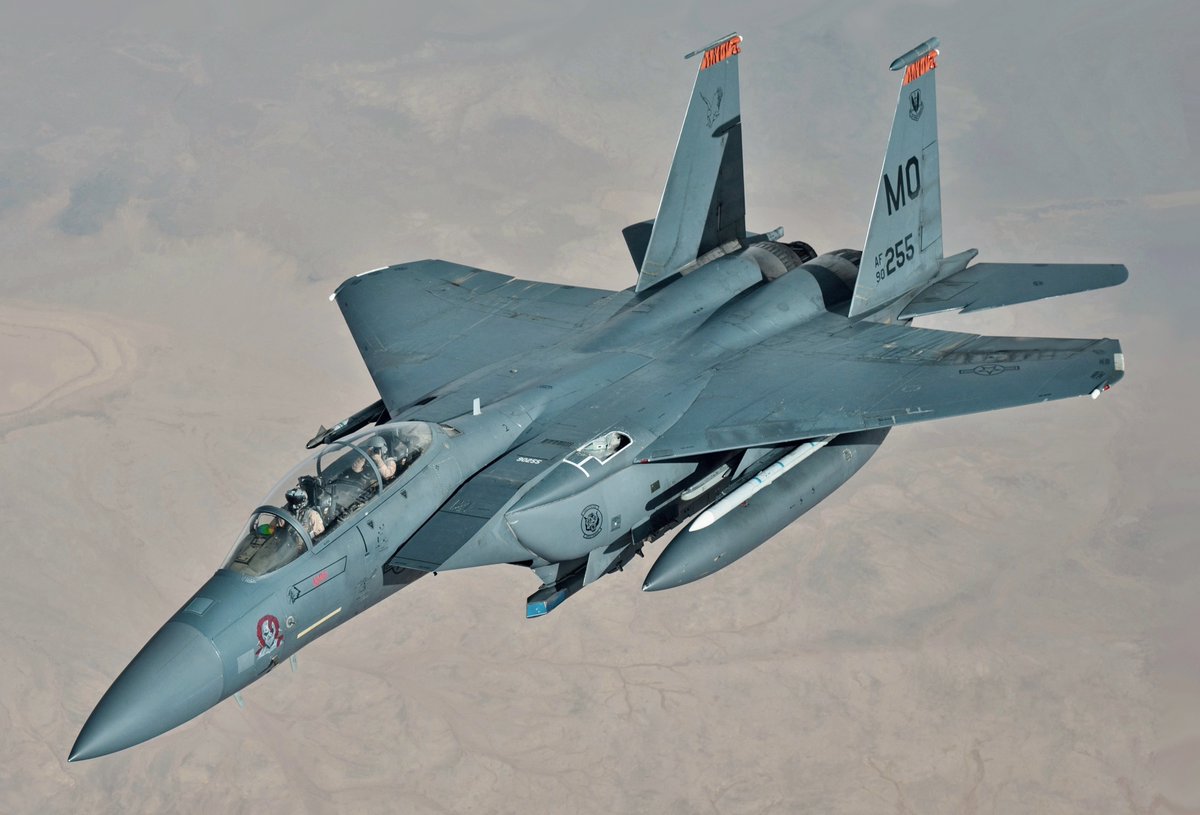
Both crew members of the downed F-15E Strike Eagle are safe. President Trump posted “𝘞𝘦 𝘨𝘰𝘵 𝘩𝘪𝘮” on Truth Social Saturday night. The WSO — a Colonel — sustained injuries but is expected to make a full recovery. Now that the fog of war is clearing, here’s the full operational picture of the most dangerous combat search and rescue mission since Operation Epic Fury began.
𝐓𝐡𝐞 𝐒𝐡𝐨𝐨𝐭𝐝𝐨𝐰𝐧 — 𝐀𝐩𝐫𝐢𝐥 𝟑, 𝟐𝟎𝟐𝟔
An F-15E Strike Eagle from the 𝟒𝟗𝟒𝐭𝐡 𝐅𝐢𝐠𝐡𝐭𝐞𝐫 𝐒𝐪𝐮𝐚𝐝𝐫𝐨𝐧, deployed from RAF Lakenheath in the UK, was sh∗t down by Iranian fire over southwestern Iran while conducting a deep strike mission — the kind of high-risk penetration run the F-15E was built for (Air & Space Forces Magazine). It was the 𝐟𝐢𝐫𝐬𝐭 𝐔.𝐒. 𝐦𝐚𝐧𝐧𝐞𝐝 𝐟𝐢𝐠𝐡𝐭𝐞𝐫 𝐥𝐨𝐬𝐭 𝐨𝐯𝐞𝐫 𝐞𝐧𝐞𝐦𝐲 𝐭𝐞𝐫𝐫𝐢𝐭𝐨𝐫𝐲 𝐢𝐧 𝐨𝐯𝐞𝐫 𝟐𝟎 𝐲𝐞𝐚𝐫𝐬 (Associated Press).
The specific weapon system that brought it down has not been officially confirmed by the Pentagon. Iran claimed it used a “new air defense system” — analysts assess the most likely candidates are Iran’s 𝐁𝐚𝐯𝐚𝐫-𝟑𝟕𝟑 long-range mobile system (domestically produced), the Russian-made 𝐒-𝟑𝟎𝟎, or the Russian-supplied 𝐕𝐞𝐫𝐛𝐚 shoulder-fired MANPADS — one of Russia’s most advanced infrared-guided missile systems, capable of targeting low-flying aircraft and cruise missiles (NBC News, 19FortyFive). Iran initially claimed they’d downed an F-35 — wreckage photos confirmed it was an F-15E (The Aviationist).
Both crew members — the pilot and the weapons systems officer — ejected safely and made contact via encrypted radio and emergency beacons. But they landed in separate locations in hostile, mountainous terrain. The clock was already ticking.
𝐏𝐡𝐚𝐬𝐞 𝟏: 𝐓𝐡𝐞 𝐏𝐢𝐥𝐨𝐭 𝐑𝐞𝐬𝐜𝐮𝐞 — 𝐀𝐩𝐫𝐢𝐥 𝟑, 𝐇𝐨𝐮𝐫𝐬 𝐀𝐟𝐭𝐞𝐫 𝐄𝐣𝐞𝐜𝐭𝐢𝐨𝐧
U.S. special operations forces located the pilot first. 𝐓𝐰𝐨 𝐦𝐢𝐥𝐢𝐭𝐚𝐫𝐲 𝐡𝐞𝐥𝐢𝐜𝐨𝐩𝐭𝐞𝐫𝐬 — including HH-60W Jolly Green II combat rescue helicopters — went in to extract him from Iranian territory (https://t.co/ZyhL9rlJ47, Air & Space Forces Magazine).
The extraction was not clean. During the rescue, Iranian forces 𝐬𝐭𝐫𝐮𝐜𝐤 𝐭𝐡𝐞 𝐔.𝐒. 𝐁𝐥𝐚𝐜𝐤𝐡𝐚𝐰𝐤 𝐡𝐞𝐥𝐢𝐜𝐨𝐩𝐭𝐞𝐫 that was carrying the recovered pilot. Crew members on the helicopter were 𝐰𝐨𝐮𝐧𝐝𝐞𝐝 𝐛𝐲 𝐭𝐡𝐞 𝐡𝐢𝐭 — but the aircraft remained flyable and made it out with everyone on board (Axios, CBS News). The pilot was safe.
Simultaneously, an 𝐀-𝟏𝟎 𝐖𝐚𝐫𝐭𝐡𝐨𝐠 providing close air support for the CSAR mission was hit by Iranian fire. The pilot managed to nurse the damaged aircraft into 𝐊𝐮𝐰𝐚𝐢𝐭𝐢 𝐚𝐢𝐫𝐬𝐩𝐚𝐜𝐞 before ejecting — the A-10 crashed in Kuwait. That pilot was also recovered safely (Fox News, Military Times). So within hours of the initial shootdown, the U.S. had 𝐭𝐡𝐫𝐞𝐞 𝐬𝐞𝐩𝐚𝐫𝐚𝐭𝐞 𝐫𝐞𝐬𝐜𝐮𝐞 𝐨𝐩𝐞𝐫𝐚𝐭𝐢𝐨𝐧𝐬 running concurrently.
𝐓𝐡𝐞 𝐇𝐮𝐧𝐭 𝐟𝐨𝐫 𝐭𝐡𝐞 𝐖𝐒𝐎 — 𝟐𝟒+ 𝐇𝐨𝐮𝐫𝐬 𝐁𝐞𝐡𝐢𝐧𝐝 𝐄𝐧𝐞𝐦𝐲 𝐋𝐢𝐧𝐞𝐬
The weapons systems officer — a Colonel, whom Trump later called “𝘢 𝘩𝘪𝘨𝘩𝘭𝘺 𝘳𝘦𝘴𝘱𝘦𝘤𝘵𝘦𝘥 𝘊𝘰𝘭𝘰𝘯𝘦𝘭” — was wounded after ejecting but 𝐜𝐨𝐮𝐥𝐝 𝐬𝐭𝐢𝐥𝐥 𝐰𝐚𝐥𝐤. He did what decades of SERE training (Survival, Evasion, Resistance, Escape) prepared him for: he moved away from the wreckage, took cover in elevated mountainous terrain, activated his emergency beacon, and began evading capture (The War Zone, NBC News).
He evaded for 𝐨𝐯𝐞𝐫 𝟐𝟒 𝐡𝐨𝐮𝐫𝐬 in hostile territory. During that time, the IRGC and affiliated Basij militia units 𝐚𝐜𝐭𝐢𝐯𝐞𝐥𝐲 𝐡𝐮𝐧𝐭𝐞𝐝 𝐡𝐢𝐦 on the ground. Armed tribesmen in the region joined the search (Turkiye Today). And then Iranian state television made it worse.
An anchor on 𝐈𝐫𝐚𝐧𝐢𝐚𝐧 𝐬𝐭𝐚𝐭𝐞-𝐜𝐨𝐧𝐭𝐫𝐨𝐥𝐥𝐞𝐝 𝐓𝐕 went on the air and put a 𝐛𝐨𝐮𝐧𝐭𝐲 𝐨𝐧 𝐭𝐡𝐞 𝐦𝐢𝐬𝐬𝐢𝐧𝐠 𝐀𝐦𝐞𝐫𝐢𝐜𝐚𝐧: 10 billion toman, approximately $𝟔𝟎,𝟎𝟎𝟎, for anyone who captured the “𝘦𝘯𝘦𝘮𝘺 𝘱𝘪𝘭𝘰𝘵” alive and handed him to police (𝘞𝘢𝘴𝘩𝘪𝘯𝘨𝘵𝘰𝘯 𝘗𝘰𝘴𝘵, Newsweek). A state broadcaster calling for the capture of a wounded American servicemember. That’s what he was evading.
𝐓𝐡𝐞 𝐂𝐈𝐀 𝐏𝐥𝐚𝐲𝐞𝐝 𝐈𝐫𝐚𝐧
Before the rescue team went in, the 𝐂𝐈𝐀 𝐥𝐚𝐮𝐧𝐜𝐡𝐞𝐝 𝐚 𝐝𝐞𝐜𝐞𝐩𝐭𝐢𝐨𝐧 𝐜𝐚𝐦𝐩𝐚𝐢𝐠𝐧 inside Iran — spreading disinformation that U.S. forces had already located the WSO and were conducting a ground exfiltration. While Iranian forces were confused and chasing phantom operations, the Agency used what a senior administration official called its “𝘶𝘯𝘪𝘲𝘶𝘦, 𝘦𝘹𝘲𝘶𝘪𝘴𝘪𝘵𝘦 𝘤𝘢𝘱𝘢𝘣𝘪𝘭𝘪𝘵𝘪𝘦𝘴” to actually find him (NBC News, Axios).
“𝘛𝘩𝘪𝘴 𝘸𝘢𝘴 𝘵𝘩𝘦 𝘶𝘭𝘵𝘪𝘮𝘢𝘵𝘦 𝘯𝘦𝘦𝘥𝘭𝘦 𝘪𝘯 𝘢 𝘩𝘢𝘺𝘴𝘵𝘢𝘤𝘬 — 𝘣𝘶𝘵 𝘪𝘯 𝘵𝘩𝘪𝘴 𝘤𝘢𝘴𝘦 𝘪𝘵 𝘸𝘢𝘴 𝘢 𝘣𝘳𝘢𝘷𝘦 𝘈𝘮𝘦𝘳𝘪𝘤𝘢𝘯 𝘴𝘰𝘶𝘭 𝘪𝘯𝘴𝘪𝘥𝘦 𝘢 𝘮𝘰𝘶𝘯𝘵𝘢𝘪𝘯 𝘤𝘳𝘦𝘷𝘪𝘤𝘦, 𝘪𝘯𝘷𝘪𝘴𝘪𝘣𝘭𝘦 𝘣𝘶𝘵 𝘧𝘰𝘳 𝘊𝘐𝘈’𝘴 𝘤𝘢𝘱𝘢𝘣𝘪𝘭𝘪𝘵𝘪𝘦𝘴,” the official said (NBC News).
𝐓𝐡𝐞 𝐄𝐱𝐭𝐫𝐚𝐜𝐭𝐢𝐨𝐧 — 𝐌𝐚𝐬𝐬𝐢𝐯𝐞 𝐅𝐢𝐫𝐞𝐟𝐢𝐠𝐡𝐭, 𝐏𝐥𝐚𝐧𝐞𝐬 𝐃𝐞𝐬𝐭𝐫𝐨𝐲𝐞𝐝, 𝐄𝐯𝐞𝐫𝐲𝐨𝐧𝐞 𝐇𝐨𝐦𝐞
Late Saturday night (April 4 EST), a 𝐬𝐩𝐞𝐜𝐢𝐚𝐥 𝐨𝐩𝐞𝐫𝐚𝐭𝐢𝐨𝐧𝐬 𝐠𝐫𝐨𝐮𝐧𝐝 𝐟𝐨𝐫𝐜𝐞 was inserted into Iran, linked up with the WSO, and began the exfiltration. They were not alone — 𝐝𝐨𝐳𝐞𝐧𝐬 𝐨𝐟 𝐚𝐢𝐫𝐜𝐫𝐚𝐟𝐭 provided overhead cover, and U.S. Air Force jets conducted strikes against Iranian forces to prevent them from reaching the extraction zone (Trump statement, Al Jazeera, Fox News).
Roads around the extraction area were 𝐝𝐞𝐥𝐢𝐛𝐞𝐫𝐚𝐭𝐞𝐥𝐲 𝐝𝐞𝐬𝐭𝐫𝐨𝐲𝐞𝐝 — cratering them to create massive traffic jams as IRGC units scrambled to respond. The bottleneck worked: Iranian forces couldn’t get through in time.
Then things got complicated. 𝐓𝐰𝐨 𝐂-𝟏𝟑𝟎 𝐭𝐫𝐚𝐧𝐬𝐩𝐨𝐫𝐭 𝐩𝐥𝐚𝐧𝐞𝐬 that landed at a forward position inside Iran to carry the commandos and the rescued airman out 𝐠𝐨𝐭 𝐬𝐭𝐮𝐜𝐤 𝐨𝐧 𝐭𝐡𝐞 𝐠𝐫𝐨𝐮𝐧𝐝. Commanders made the call: fly in 𝐭𝐡𝐫𝐞𝐞 𝐫𝐞𝐩𝐥𝐚𝐜𝐞𝐦𝐞𝐧𝐭 𝐂-𝟏𝟑𝟎𝐬 for the extraction and 𝐛𝐥𝐨𝐰 𝐮𝐩 𝐭𝐡𝐞 𝐭𝐰𝐨 𝐝𝐢𝐬𝐚𝐛𝐥𝐞𝐝 𝐚𝐢𝐫𝐜𝐫𝐚𝐟𝐭 𝐢𝐧 𝐩𝐥𝐚𝐜𝐞 rather than let them fall into Iranian hands (SOF News, CBS News). That’s American hardware destroyed by Americans on Iranian soil — because leaving it behind was not an option.
A “𝘮𝘢𝘴𝘴𝘪𝘷𝘦 𝘧𝘪𝘳𝘦𝘧𝘪𝘨𝘩𝘵” occurred at the extraction site (Al Jazeera, CDM Press). Special operators engaged IRGC forces directly. Despite the ground combat, the stuck aircraft, and the IRGC forces closing in — 𝐞𝐯𝐞𝐫𝐲 𝐀𝐦𝐞𝐫𝐢𝐜𝐚𝐧 𝐦𝐚𝐝𝐞 𝐢𝐭 𝐨𝐮𝐭 𝐚𝐥𝐢𝐯𝐞. Zero U.S. casualties in the WSO rescue operation.
𝐈𝐬𝐫𝐚𝐞𝐥’𝐬 𝐑𝐨𝐥𝐞
Israel was not a bystander. Israeli intelligence 𝐚𝐜𝐭𝐢𝐯𝐞𝐥𝐲 𝐡𝐞𝐥𝐩𝐞𝐝 𝐭𝐡𝐞 𝐔.𝐒. 𝐥𝐨𝐜𝐚𝐭𝐞 the missing WSO — providing intelligence support during the search (Axios). And in a move that shows the depth of the operational coordination: 𝐈𝐬𝐫𝐚𝐞𝐥 𝐜𝐚𝐧𝐜𝐞𝐥𝐥𝐞𝐝 𝐩𝐥𝐚𝐧𝐧𝐞𝐝 𝐬𝐭𝐫𝐢𝐤𝐞𝐬 𝐢𝐧𝐬𝐢𝐝𝐞 𝐈𝐫𝐚𝐧 so as not to hamper the search and rescue efforts (Axios). The IDF paused its own combat operations to give the Americans a clear field. That’s an ally.
𝐓𝐫𝐮𝐦𝐩 𝐚𝐧𝐝 𝐭𝐡𝐞 𝐖𝐡𝐢𝐭𝐞 𝐇𝐨𝐮𝐬𝐞
Trump was briefed immediately after the shootdown and monitored the operation throughout (Fox News). The White House deliberately withheld confirmation of the pilot’s rescue on Friday — Trump later explained: “𝘞𝘦 𝘥𝘪𝘥 𝘯𝘰𝘵 𝘤𝘰𝘯𝘧𝘪𝘳𝘮 𝘵𝘩𝘦 𝘧𝘪𝘳𝘴𝘵 𝘳𝘦𝘴𝘤𝘶𝘦 𝘣𝘦𝘤𝘢𝘶𝘴𝘦 𝘸𝘦 𝘥𝘪𝘥 𝘯𝘰𝘵 𝘸𝘢𝘯𝘵 𝘵𝘰 𝘫𝘦𝘰𝘱𝘢𝘳𝘥𝘪𝘻𝘦 𝘰𝘶𝘳 𝘴𝘦𝘤𝘰𝘯𝘥 𝘳𝘦𝘴𝘤𝘶𝘦 𝘰𝘱𝘦𝘳𝘢𝘵𝘪𝘰𝘯.” Operational security over headlines.
When the WSO was finally extracted, Trump posted: “𝘛𝘩𝘦 𝘜𝘯𝘪𝘵𝘦𝘥 𝘚𝘵𝘢𝘵𝘦𝘴 𝘔𝘪𝘭𝘪𝘵𝘢𝘳𝘺 𝘱𝘶𝘭𝘭𝘦𝘥 𝘰𝘧𝘧 𝘰𝘯𝘦 𝘰𝘧 𝘵𝘩𝘦 𝘮𝘰𝘴𝘵 𝘥𝘢𝘳𝘪𝘯𝘨 𝘚𝘦𝘢𝘳𝘤𝘩 𝘢𝘯𝘥 𝘙𝘦𝘴𝘤𝘶𝘦 𝘖𝘱𝘦𝘳𝘢𝘵𝘪𝘰𝘯𝘴 𝘪𝘯 𝘜.𝘚. 𝘏𝘪𝘴𝘵𝘰𝘳𝘺, 𝘧𝘰𝘳 𝘰𝘯𝘦 𝘰𝘧 𝘰𝘶𝘳 𝘪𝘯𝘤𝘳𝘦𝘥𝘪𝘣𝘭𝘦 𝘊𝘳𝘦𝘸 𝘖𝘧𝘧𝘪𝘤𝘦 𝘔𝘦𝘮𝘣𝘦𝘳𝘴, 𝘸𝘩𝘰 𝘢𝘭𝘴𝘰 𝘩𝘢𝘱𝘱𝘦𝘯𝘴 𝘵𝘰 𝘣𝘦 𝘢 𝘩𝘪𝘨𝘩𝘭𝘺 𝘳𝘦𝘴𝘱𝘦𝘤𝘵𝘦𝘥 𝘊𝘰𝘭𝘰𝘯𝘦𝘭.” He confirmed the Colonel “𝘴𝘶𝘴𝘵𝘢𝘪𝘯𝘦𝘥 𝘪𝘯𝘫𝘶𝘳𝘪𝘦𝘴, 𝘣𝘶𝘵 𝘩𝘦 𝘸𝘪𝘭𝘭 𝘣𝘦 𝘫𝘶𝘴𝘵 𝘧𝘪𝘯𝘦” (Truth Social).
Secretary of War Pete Hegseth and Chairman of the Joint Chiefs Gen. Dan Caine held briefings throughout the crisis. Earlier in the campaign, Hegseth had stated that Iran’s missile volume was “𝘥𝘰𝘸𝘯 90%” and their drone capability “𝘥𝘰𝘸𝘯 95%” (C-SPAN briefing, March 31). The F-15E loss proved that even a degraded enemy retains dangerous capability — but the flawless execution of the rescue proved that American forces can operate deep inside hostile territory, take fire, lose aircraft, improvise under combat conditions, and still bring every person home.
𝐓𝐡𝐞 𝐅𝐮𝐥𝐥 𝐎𝐩𝐞𝐫𝐚𝐭𝐢𝐨𝐧𝐚𝐥 𝐓𝐨𝐥𝐥
In the 48 hours surrounding the shootdown and rescue:
𝟏 𝐅-𝟏𝟓𝐄 𝐒𝐭𝐫𝐢𝐤𝐞 𝐄𝐚𝐠𝐥𝐞 — sh∗t down over southwestern Iran. Both crew rescued alive.
𝟏 𝐀-𝟏𝟎 𝐖𝐚𝐫𝐭𝐡𝐨𝐠 — hit by Iranian fire during CSAR, crashed in Kuwait. Pilot rescued alive.
𝟏 𝐁𝐥𝐚𝐜𝐤𝐡𝐚𝐰𝐤 𝐡𝐞𝐥𝐢𝐜𝐨𝐩𝐭𝐞𝐫 — struck during pilot extraction, crew wounded, aircraft remained flyable.
𝟐 𝐂-𝟏𝟑𝟎 𝐭𝐫𝐚𝐧𝐬𝐩𝐨𝐫𝐭𝐬 — stuck at forward position inside Iran, destroyed in place by U.S. forces.
𝟑 𝐫𝐞𝐩𝐥𝐚𝐜𝐞𝐦𝐞𝐧𝐭 𝐂-𝟏𝟑𝟎𝐬 — flown in under fire to complete the extraction.
𝟎 𝐀𝐦𝐞𝐫𝐢𝐜𝐚𝐧 𝐥𝐢𝐯𝐞𝐬 𝐥𝐨𝐬𝐭.
The United States lost 𝐟𝐨𝐮𝐫 𝐚𝐢𝐫𝐜𝐫𝐚𝐟𝐭 (one shot down, one combat-damaged and crashed, two destroyed in place) and had a fifth damaged — and 𝐛𝐫𝐨𝐮𝐠𝐡𝐭 𝐞𝐯𝐞𝐫𝐲 𝐬𝐢𝐧𝐠𝐥𝐞 𝐀𝐦𝐞𝐫𝐢𝐜𝐚𝐧 𝐡𝐨𝐦𝐞 𝐚𝐥𝐢𝐯𝐞. That is not a failure of airpower. That is a demonstration of what happens when a military prioritizes its people above its hardware.
𝐓𝐡𝐞𝐲 𝐠𝐨𝐭 𝐬𝐡𝐨𝐭 𝐝𝐨𝐰𝐧. 𝐓𝐡𝐞𝐲 𝐞𝐯𝐚𝐝𝐞𝐝 𝐜𝐚𝐩𝐭𝐮𝐫𝐞 𝐟𝐨𝐫 𝐚 𝐝𝐚𝐲 𝐰𝐢𝐭𝐡 𝐚 𝐛𝐨𝐮𝐧𝐭𝐲 𝐨𝐧 𝐭𝐡𝐞𝐢𝐫 𝐡𝐞𝐚𝐝. 𝐓𝐡𝐞 𝐂𝐈𝐀 𝐫𝐚𝐧 𝐚 𝐝𝐞𝐜𝐞𝐩𝐭𝐢𝐨𝐧 𝐨𝐩𝐞𝐫𝐚𝐭𝐢𝐨𝐧 𝐢𝐧𝐬𝐢𝐝𝐞 𝐚 𝐡𝐨𝐬𝐭𝐢𝐥𝐞 𝐜𝐨𝐮𝐧𝐭𝐫𝐲. 𝐒𝐩𝐞𝐜𝐢𝐚𝐥 𝐨𝐩𝐞𝐫𝐚𝐭𝐨𝐫𝐬 𝐟𝐨𝐮𝐠𝐡𝐭 𝐭𝐡𝐞𝐢𝐫 𝐰𝐚𝐲 𝐢𝐧 𝐚𝐧𝐝 𝐟𝐨𝐮𝐠𝐡𝐭 𝐭𝐡𝐞𝐢𝐫 𝐰𝐚𝐲 𝐨𝐮𝐭. 𝐓𝐡𝐞𝐲 𝐛𝐥𝐞𝐰 𝐮𝐩 𝐭𝐡𝐞𝐢𝐫 𝐨𝐰𝐧 𝐩𝐥𝐚𝐧𝐞𝐬 𝐫𝐚𝐭𝐡𝐞𝐫 𝐭𝐡𝐚𝐧 𝐥𝐞𝐚𝐯𝐞 𝐭𝐡𝐞𝐦. 𝐀𝐧𝐝 𝐭𝐡𝐞𝐲 𝐛𝐫𝐨𝐮𝐠𝐡𝐭 𝐞𝐯𝐞𝐫𝐲𝐨𝐧𝐞 𝐡𝐨𝐦𝐞.
𝐓𝐡𝐚𝐭’𝐬 𝐭𝐡𝐞 𝐀𝐦𝐞𝐫𝐢𝐜𝐚𝐧 𝐦𝐢𝐥𝐢𝐭𝐚𝐫𝐲. 𝐓𝐡𝐚𝐭’𝐬 𝐰𝐡𝐚𝐭 𝐚𝐜𝐭𝐮𝐚𝐥𝐥𝐲 𝐡𝐚𝐩𝐩𝐞𝐧𝐞𝐝.
I hear this every week in my office:
"Doc, my heart rate hits 150 during squats — that's cardio, right?"
No. And if your cardiologist hasn't explained why, keep reading. 🧵
Let me explain exactly why every new subdivision in America looks like the top photo, because the math is wild.
A mature tree increases a home's value by 7 to 19 percent. On a $400,000 house, that's $28,000 to $76,000. A single shade tree produces the cooling equivalent of ten room-size air conditioners running 20 hours a day. One tree on the west side of a house cuts energy bills by 12 percent within 15 years. The bottom photo is worth more, costs less to live in, and sells faster. This has been documented by the University of Washington, Clemson, Michigan State, and the USDA. The data is not in dispute.
Removing those trees saves the builder roughly $5,000 per lot. Concrete trucks need twice the dripline radius of every standing tree. Utility trenches need flat ground. A bulldozer flattens 200 lots in an afternoon. Preserving trees adds weeks and thousands per home.
So the developer pockets $5,000 in savings and the buyer eats $50,000 in lost value for the next two decades. The person making the decision and the person paying for it have never been in the same room.
The Woodlands, Texas is the proof of what happens when they are. George Mitchell bought 28,000 acres of Houston timberland in 1974 and preserved 28% as permanent green space. He forced McDonald's to build behind the tree canopy. That McDonald's became one of the highest-volume locations in Texas. The first office building, designed to reflect the surrounding forest so you couldn't see it from the street, leased completely.
The Woodlands median home price today: $615,000. Katy, a comparable Houston suburb that clear-cut: $375,000. Named #1 community to live in America two years running.
Fifty years of data. The trees are worth more than removing them saves. Developers clear-cut anyway because they sell the house once and leave. You live in it for 30 years.
Before you learn Kubernetes, understand why to learn Kubernetes. Or should you?
25 years back, if you wanted to run an application, you bought a $50,000 physical server. You did the cabling. Installed an OS. Configured everything. Then run your app.
Need another app? Buy another $50,000 machine.
Only banks and big companies could afford this. It was expensive and painful.
Then came virtualization. You could take 10 physical servers and split them into 50 or 100 virtual machines. Better, but you still had to buy and maintain all that hardware.
Around 2005, Amazon had a brilliant idea. They had data centers worldwide but weren't using full capacity. So they decided to rent it out.
For startups, this changed everything. Launch without buying a single server. Pay only for what you use. Scale when you grow.
Netflix was one of the first to jump on this.
But this solved only the server problem.
But "How do people build applications?" was still broken.
In the early days, companies built one big application that did everything. Netflix had user accounts, video player, recommendations, and payments all in one codebase.
Simple to build. Easy to deploy. But it didn't scale well.
In 2008, Netflix had a major outage. They realized if they were getting downtime with just US users, how would they scale worldwide?
So they broke their monolith into hundreds of smaller services. User accounts, separate. Video player, separate. Recommendations, separate.
They called it microservices.
Other companies started copying this approach. Even when they didn't really need it.
But microservices created a massive headache. Every service needed different dependencies. Python version 2.7 for one service. Python 3.6 for another. Different libraries. Different configs.
Setting up a new developer's machine took days. Install this database version. That Python version. These specific libraries. Configure environment variables.
And then came the most frustrating phrase in software development: "But it works on my machine."
A developer would test their code locally. Everything worked perfectly. They'd deploy to staging. Boom. Application crashed. Why? Different OS version. Missing dependency. Wrong configuration.
Teams spent hours debugging environment issues instead of building features.
Then Docker came along in 2012.
Google had been using containers for years with their Borg system. But only top Google engineers could use it, too complex for normal developers.
Docker made containers accessible to everyone. Package your app with all dependencies in one container. The exact Python version. The exact libraries. The exact configuration.
Run it on your laptop. Works. Run it on staging. Works. Run it in production. Still works.
No more "works on my machine" problems. No more spending days setting up environments.
By 2014, millions of developers were running Docker containers.
But running one container is easy. Running 10,000 containers? That's a nightmare.
Microservices meant managing 50+ services manually. Services kept crashing with no auto-restart. Scaling was difficult. Services couldn't find each other when IPs changed.
People used custom shell scripts. It was error-prone and painful. Everyone struggled with the same problems. Auto-restart, auto-scaling, service discovery, load balancing.
AWS launched ECS to help. But managing 100+ microservices at scale was still a pain.
This is exactly what Kubernetes solved.
Google saw an opportunity. They were already running millions of containers using Borg. In 2014, they rebuilt it as Kubernetes and open-sourced it.
But here's the smart move. They also launched GKE, a managed service that made running Kubernetes so easy that companies started choosing Google Cloud just for it.
AWS and Azure panicked. They quickly built EKS and AKS. People jumped ship, moving from running k8s clusters on-prem to managed kubernetes on the cloud.
12 years later, Kubernetes runs 90% of production infrastructure. Netflix, Uber, OpenAI, Medium, they all run on it.
Now advanced Kubernetes skills pay big bucks.
Why did Kubernetes win?
Perfect timing.
Docker has made containers popular. Netflix made microservices popular. Millions of people needed a solution to manage these complex microservices at scale.
Kubernetes solved that exact problem.
It handles everything. Deploying services, auto-healing when things crash, auto-scaling based on traffic, service discovery, health monitoring, and load balancing.
Then AI happened. And Kubernetes became even more critical.
AI startups need to run thousands of ML training jobs simultaneously. They need GPU scheduling. They need to scale inference workloads based on demand.
Companies like OpenAI, Hugging Face, and Anthropic run their AI infrastructure on Kubernetes. Training models, running inference APIs, orchestrating AI agents, all on K8s.
The AI boom made Kubernetes essential. Not just for traditional web apps, but for all AI/ML workloads.
Understanding this story is more important than memorizing kubectl commands.
Now go learn Kubernetes already.
Don't take people who write "Kubernetes is dead" articles are just doing it for views/clicks. They might have never used k8s.
3 drunk guys, entered a taxi. The driver knew that they were drunk. So he started the engine, turned it off again, and said; "We have reached your destination" The 1st guy gave him money, the 2nd guy said; "Thank you" then gave him money too, while the third guy, slapped the
Spain or Egypt?
Both were conquered by Islamic armies.
Both were centers of rich, pre-Islamic civilization.
But only one reclaimed its soul.
For nearly 800 years, Spain lived under Islamic rule. But the Spanish people never accepted it as final. Through centuries of resistance, revolts, and the unrelenting Reconquista, Spain eventually drove out the occupiers.
Spain reclaimed its civilizational integrity.
Today, Spain is a Western, secular, democratic state. The Spanish language, Christian heritage, and European identity were not erased.
Egypt, on the other hand, the cradle of one of humanity’s oldest civilizations, a land of pharaohs, hieroglyphs, libraries, and monotheism before Islam ever appeared, was invaded in the 7th century.
The Coptic Christian majority had no organized defense. The result was that Islam absorbed Egypt’s identity. Arabic replaced Coptic. Mosques replaced temples and churches.
Over generations, the Egyptian mind was colonized spiritually and linguistically, until the population no longer remembered what it had lost.
Today, Egypt is an Islamic republic. Less than 10% of Egyptians remain Christian, persecuted in the land where their faith once thrived.
Unlike Spain, Egypt didn’t fight for its cultural survival. It adapted, assimilated, and submitted.
This is more than a history lesson. It’s a mirror held up to the West today.
In the face of Islamic expansionism, not by sword, but through ideological power, mass migration, legal agitation, and cultural intimidation, Western nations must decide:
Will you be Spain or Egypt?
One of my favorite novelists, Frederick Forsyth is no more, his stories with political backdrop, were one of the reasons for me to get interested in geo politics. A brilliant storyteller, whose novels are backed up with solid research.
He started his career as a journo with Reuters in 1961, later with BBC in 1965. His first assignment was covering an attempted assasination of Charles De Gaulle, which would form the background of his first and best novel to date.
India needs to shed its colonial mindset where salaries are capped below the Cabinet Secretary just because he’s the “supreme servant.” Why should a scientist mastering quantum physics earn less than someone whose top qualification is memorizing the 3 Battles of Panipat and Harappa-Mohenjodaro?
This is exactly why many IITians don’t join ISRO.
Professional expertise deserves professional pay.