Gary, Indiana, Is Still in the Dark — And Patience Is Running Out
Gary, Indiana, has always known something about hard times.
Steel mills. Empty factories. Abandoned buildings. Generations of working people watching jobs disappear while the rest of America moved on.
But this time, Gary isn't fighting an economic collapse.
It's fighting the darkness.
Twelve days after a devastating derecho ripped through Northwest Indiana, thousands of residents are still waiting for something most Americans take for granted: electricity.
The August 11 storm brought winds approaching 100 miles per hour, tearing down trees, utility poles and power lines across the region. NIPSCO says the storm produced roughly 301,000 customer outages and became one of the largest disasters in the company's history.
And Gary got hit hard.
As of Sunday, August 23, NIPSCO reported 28,495 customers across its system still without power, with more than 345,000 customers having been restored since the storm. The utility's latest schedule puts Gary's restoration target at Tuesday, August 25, by 11:59 p.m.
Read that again.
Two weeks.
For some families, that means nearly two weeks of spoiled food, hot houses, dead refrigerators, disrupted work schedules and the constant struggle to keep phones and essential equipment charged.
This isn't inconvenience anymore.
This is survival.
And that's why the anger is growing.
Residents have questioned whether NIPSCO was prepared for an event of this magnitude and whether infrastructure and vegetation management were adequate. A class-action lawsuit has also been filed alleging inadequate tree-trimming practices, while NIPSCO has rejected accusations that it neglected minority or low-income communities and says restoration priorities are based on the damage to its system.
Indiana Governor Mike Braun has now called on NIPSCO to accelerate restoration and has requested a federal major-disaster declaration as the state attempts to deal with the enormous damage.
But while politicians and utility executives argue over responsibility, Gary residents are living the consequences.
Businesses are hurting badly.
One Gary restaurant owner estimated that her business lost roughly $19,000 in sales because of the outage. Another iconic Gary restaurant, Koney King, managed to stay open after purchasing a $1,300 generator, becoming something bigger than a restaurant — it became a community gathering place where people could eat, charge their phones and escape the darkness for a few hours.
That's the Gary story in a nutshell.
The system struggles.
The people improvise.
And somehow, the community keeps moving.
ComEd has now sent additional crews from Illinois to help NIPSCO accelerate repairs, while community organizations and businesses are providing food and other assistance.
But the bigger question is no longer simply when will the lights come back?
It's what happens after they do?
Because Gary cannot afford to simply repair the broken poles, restore the electricity and pretend everything is fine.
This blackout has exposed something much deeper: aging infrastructure, economic vulnerability and how quickly a disaster can hit hardest in communities that already have the fewest resources.
Gary doesn't need sympathy.
Gary needs investment.
Gary needs infrastructure built for the next 50 years — not patched together for the next five.
And maybe that's the real story coming out of this darkness.
Gary isn't asking America to save it. Gary is asking America to stop forgetting it.
So here's the question: When those lights finally come back on, will Gary rebuild the same city — or use this moment to build a stronger one?
Call of Duty Has a Problem — And Gamers Are Starting to Notice
Call of Duty has survived everything.
Bad releases. Angry fans. Broken updates. Controversial mechanics. Microtransactions. Skill-based matchmaking debates. Somehow, every year, the franchise manages to reload, jump back into the lobby and convince millions of players to come back.
But now the question is getting harder to ignore:
How much longer can Call of Duty keep doing this?
The latest chapter, Black Ops 7, has fallen well short of the expectations surrounding the franchise. Its sales and player numbers have been dramatically weaker than previous entries, while criticism from longtime fans has piled up around technical performance, design decisions and the feeling that Activision has been asking players to accept too much for too long.
And that is where the real problem begins.
Gamers aren't simply complaining because a game has a few glitches. Every major game launches with bugs. The problem is that Call of Duty has reached a point where players expect those bugs—and increasingly expect to wait for patches to fix them.
That's a dangerous place for a franchise that has historically sold itself on polish.
Players have complained about technical problems, campaign issues, matchmaking and the overall direction of the series. The reaction has become particularly uncomfortable when older Call of Duty games begin attracting attention while the newest installment struggles to maintain the same enthusiasm. Reports even indicated that the original Black Ops and Black Ops 2 ports were drawing more attention on PlayStation than Black Ops 7 across platforms.
Let that sink in.
People aren't necessarily abandoning Call of Duty because they hate Call of Duty.
Some are abandoning the new Call of Duty because they remember what they loved about the old one.
And Activision knows the clock is ticking.
The next major release is already on deck: Modern Warfare 4, scheduled for October 23, 2026. The beta is currently giving players an opportunity to test the game, and developers are already responding to fierce community debate over matchmaking and other systems.
That beta could be more important than Activision wants to admit.
Because gamers aren't just testing Modern Warfare 4.
They're testing whether they still believe in Call of Duty.
The franchise still has enormous power. The name alone can generate millions of players, enormous streams and countless hours of gameplay. But the audience is no longer blindly loyal. Battlefield has returned. Other shooters are fighting for the same players. And gamers have more choices than ever.
Call of Duty doesn't need to be perfect.
But it does need to feel worth coming back to.
That's the difference.
The question now isn't whether Call of Duty is dead. It isn't.
The question is whether Activision understands that its fans are getting tired of being told to wait for the next patch, the next season, the next update and the next game.
At some point, gamers stop waiting.
And when they do, getting them back may be the hardest mission Call of Duty has ever faced.
So what do you think? Has Call of Duty lost its edge, or are gamers simply demanding more from the franchise they love?
#CallOfDuty #BlackOps7 #ModernWarfare4 #COD #Gaming #GamingNews #Xbox #PlayStation #PCGaming #Activision #Gamers #FPS #BlackRush
Brasileirão 2026: Brazil’s Title Fight Is Turning Into a War
If you want to know what real soccer pressure looks like, forget the hype for a minute and look south to Brazil.
The 2026 Brasileirão is delivering exactly what makes Brazilian soccer special: giants fighting for supremacy, ambitious challengers refusing to disappear, and enough twists to make every weekend feel like a playoff.
At the top sits Palmeiras, and right now, they have earned the right to be called the favorite. Palmeiras are on 48 points and lead the championship race, combining consistency with the kind of defensive discipline that wins long tournaments.
But Flamengo is lurking.
The defending champion entered the season with enormous expectations, and nobody should be surprised that the Rubro-Negro remain firmly in the championship picture. Flamengo currently sit on 45 points after suffering a painful 2-1 comeback loss to Cruzeiro at Mineirão. They had the chance to pull level with Palmeiras but couldn't close the deal.
And that's the story of this title race: nobody is safe.
Flamengo may actually be the most dangerous team in the league when everything clicks. They have the star power, the depth and the experience. But Palmeiras have something just as valuable—consistency.
Then comes the dark-horse conversation.
Cruzeiro deserves attention.
They just knocked off Flamengo, climbed into the top five and are riding four consecutive league victories. That is not a fluke anymore.
Fluminense is another team nobody should overlook. They have been hovering near the top of the table and recently stunned Palmeiras, proving they can beat the heavyweight teams when the pressure rises.
And then there's Athletico-PR, another club quietly sitting in the conversation. Recent probability models have placed them behind Palmeiras and Flamengo in the title race, but still ahead of several traditional powers.
That's what makes the Brasileirão different.
There is no guaranteed coronation.
The league runs through 38 rounds, with four teams eventually relegated to Série B. The 2026 season also carries an unusual calendar because of the World Cup, making squad depth and player management even more important.
And that could become the great equalizer.
Palmeiras and Flamengo aren't just fighting each other. They're fighting fatigue, continental competition, injuries and the relentless Brazilian schedule.
So who wins?
Right now, Palmeiras has the edge.
But if you're asking me who I'd be afraid of late in the season, it's Flamengo. And if you're looking for the team that could crash the party, give me Cruzeiro.
The Brasileirão isn't finished.
It's just getting serious.
And in Brazil, when the pressure gets serious, somebody always finds a way to become the hero nobody saw coming.
Now the question is simple: Does Palmeiras hold the throne, does Flamengo take it back, or does one of these dark horses shock the football world?
The PlayStation Blackout: Will Gamers Really Walk Away?
Tonight, the PlayStation faithful are being asked to do something that sounds simple but may be one of the hardest things to accomplish in modern gaming: turn the damn thing off.
The #PSBlackout officially begins August 23 and runs through August 30, with organizers asking players to stop logging into PlayStation Network, stop playing and stop purchasing anything from Sony’s ecosystem. The protest is primarily about Sony’s decision to end production of physical PlayStation game discs for new titles beginning in 2028.
And that is where this gets interesting.
Because this isn't really about seven days without a PS5.
It's about ownership.
Gamers who grew up buying a disc, putting it on a shelf and knowing they could pull it out years later are increasingly being asked to accept a different model: download the game, attach it to an account and trust the platform holder to maintain access.
Sony has heard the complaints. But the company has also made clear that it intends to continue moving toward its digital future.
So will the blackout actually hurt Sony?
Here's the uncomfortable truth: probably not much.
The organizers deserve credit for creating a unified protest, but seven days is a short window. And PlayStation has an enormous global audience. There is a massive difference between thousands—or even hundreds of thousands—of angry gamers talking about a boycott online and millions of people actually refusing to touch their consoles.
Some gamers will absolutely participate. They are passionate about physical media, preservation and consumer ownership.
Others will say, "I'm playing anyway."
And then there's the gamer who says they're boycotting while secretly firing up Call of Duty at midnight.
That's the problem.
The blackout probably lasts exactly as long as organizers planned: one week. The bigger question is whether the anger survives August 30.
That's where Sony should be paying attention.
A one-week protest may be easy to ignore. A sustained change in consumer behavior is much harder to dismiss.
If gamers stop buying digital games? If they delay purchases? If they choose Xbox, PC or Nintendo instead? If collectors increasingly demand physical editions whenever they're available?
Now Sony has a different problem.
The irony is that the blackout itself could actually strengthen the argument it's trying to make. If most players refuse to participate, Sony can point to continued engagement and say the digital transition hasn't meaningfully damaged the brand.
But if participation becomes significantly larger than expected, Sony will have to confront something corporations sometimes forget:
The customer isn't just a number on a spreadsheet. The customer is the reason the spreadsheet exists.
Will millions of PlayStation gamers really walk away?
I doubt it.
Will some gamers hold the line?
Absolutely.
And if Sony thinks this controversy disappears when the consoles get turned back on August 30, it may be underestimating how powerful one simple question has become:
Do we actually own the games we're paying for?
That question isn't going away. Neither is the fight over the answer.
GTA 6 COULD TAKE OVER GAMING — AND STREAMING WITH IT
By Black Rush Media
When Grand Theft Auto VI finally arrives on November 19, 2026, the gaming industry may experience something it has never seen before.
Not simply a blockbuster launch.
Not simply another record-breaking video game.
A streaming takeover.
For years, gamers have been waiting for Rockstar Games to open the doors to Vice City and Leonida. Rockstar has now confirmed the November 19 release date for PlayStation 5 and Xbox Series X|S.
But here's what makes GTA 6 different.
The game isn't going to be played only by gamers. It's going to be watched by everybody.
Think about the army of streamers already making money from GTA 5.
Twitch.
YouTube.
Kick.
Facebook.
TikTok.
Every major gaming platform has creators who understand that GTA isn't just a game anymore. It's content.
GTA 5 has remained one of the biggest streaming games in the world more than a decade after its release. Recent tracking shows GTA V still generating enormous audiences across Twitch, Kick and YouTube, with hundreds of thousands of viewers watching simultaneously at peak periods.
Now imagine replacing GTA 5 with GTA 6.
That's where things get crazy.
On launch day, every major GTA streamer is going to have a decision to make:
What happens if I don't stream GTA 6 while everybody else does?
That is the pressure.
The biggest creators won't want to miss the moment. Smaller creators will see an opportunity to build their channels. New personalities will emerge. Existing stars could reinvent themselves.
And viewers?
They're going to jump from stream to stream looking for the funniest reaction, the biggest creator, the wildest mission and the first person to discover something nobody else has seen.
GTA 6 could become appointment television for an entire generation.
And that could create a serious problem for every other game launching around it.
Because attention is limited.
If millions of people are watching GTA 6, they're not watching another streamer play another game.
If creators are spending eight, 10 or 12 hours inside Vice City, that's hours they aren't spending inside Call of Duty, NBA 2K, Madden, Fortnite or whatever else is competing for their audience.
That's not necessarily permanent.
But during the GTA 6 launch window?
The gravitational pull could be enormous.
And Rockstar has already built the foundation.
GTA Online demonstrated that Grand Theft Auto can become more than a game. It can become a long-term entertainment ecosystem.
GTA 6 has the opportunity to take that concept much further.
Imagine what happens when the online component eventually arrives and streamers aren't simply completing missions.
They're creating stories.
Building crews.
Running businesses.
Creating rivalries.
Developing characters.
And turning their gameplay into serialized entertainment.
Suddenly, the streamer isn't just playing GTA.
The streamer is producing a show inside GTA.
That's the revolution.
GTA 6 could change the relationship between the player, the creator and the audience.
And if Rockstar supports that ecosystem for another decade?
We may eventually look back at November 19, 2026 as more than a game launch.
We may look at it as the day gaming became television, social media and interactive entertainment all at once.
The question isn't whether GTA 6 will be watched.
It will.
The question is:
How much of the world's attention will it consume?
Because when Vice City opens its doors, everybody is going to want a front-row seat.
#GTA6 #GrandTheftAuto6 #RockstarGames #GTAOnline #Gaming #Streaming #Twitch #YouTube #Kick #BlackRushMedia
GTA 6, Cyberleek and the $11.8 Million Question
THE LEAK MAY HAVE BEEN A PROTEST — BUT THE MONEY CHANGES THE STORY
There is a strange new chapter unfolding around Grand Theft Auto 6, and this one has less to do with Rockstar Games and more to do with the person claiming responsibility for exposing the game.
Cyberleek says the massive GTA 6 leak was a protest.
A protest against digital pre-orders. A protest against paid content. A protest against the direction of modern gaming.
On the surface, that sounds like a consumer-rights argument.
But then came the cryptocurrency.
Cyberleek simultaneously promoted a memecoin connected to the campaign, and reports indicate that approximately $11.8 million worth of the token changed hands in a single day. That number immediately raises eyebrows.
But let's be clear: $11.8 million in trading volume does not mean Cyberleek made $11.8 million.
That's an important distinction.
Trading volume represents the total value of transactions involving the token. It is not the same thing as profit, revenue or money deposited into Cyberleek's pockets.
Still, the timing is difficult to ignore.
Here you have one of the most anticipated video games in history suddenly appearing in unauthorized footage, followed by enormous attention surrounding a cryptocurrency associated with the person or group behind the leak.
Coincidence?
Maybe.
Marketing strategy?
That's the question.
And that's where this story gets much more complicated.
Cyberleek's stated argument about digital ownership and pre-orders may resonate with gamers who are increasingly frustrated with games being sold through unfinished releases, downloadable content, microtransactions and digital licenses that don't provide traditional ownership.
But motive matters.
If you're going to tell the world that you risked everything to make a statement about consumer rights, people are naturally going to ask why a cryptocurrency was attached to the movement.
Even more interesting, the gaming community itself hasn't universally embraced the campaign. Stop Killing Games, another consumer-rights movement, reportedly distanced itself from Cyberleek's tactics and cryptocurrency promotion.
That doesn't automatically make Cyberleek's argument fake.
It does, however, make the story harder to take at face value.
And here's the irony: Cyberleek may have accomplished the exact opposite of what a GTA 6 leak is supposed to accomplish.
Instead of killing anticipation, the leak may have made millions of people want the game even more.
Every new clip creates another conversation. Every removed video creates another search. Every controversy creates another headline.
Rockstar can't buy that kind of attention.
And Cyberleek certainly can't control where it goes.
The GTA 6 leak may have started as a protest, a publicity stunt, a money-making opportunity — or some combination of all three.
Right now, we don't have enough evidence to declare which one.
But we do know this:
The leak is real. The token promotion happened. The trading volume was enormous. And the $11.8 million figure should not be confused with $11.8 million in profit.
So what do you think?
Was Cyberleek really fighting for gamers — or did GTA 6 become the world's biggest advertisement for a cryptocurrency?
Either way, Rockstar's most anticipated game just got another massive dose of free publicity.
IS GTA 6 CREATING A NEW GENERATION OF COPYCAT HACKERS?
There is something bigger happening around Grand Theft Auto VI than just another round of leaked gameplay.
We may be watching the beginning of the copycat era.
Rockstar Games is already dealing with a major leak operation involving the hacker known as CyberLeek, while reports now indicate that a second, seemingly unrelated group is claiming access to Rockstar material. That second group has reportedly produced alleged internal Rockstar material as evidence.
And that should get Rockstar's attention.
Because once hackers see that one person can break through the walls surrounding the most anticipated video game in the world—and generate enormous attention doing it—the incentive for others to try becomes obvious.
This is no longer simply about stealing a video game.
It is about attention.
Think about what happens every time another alleged GTA 6 leak appears online. Social media explodes. YouTube channels immediately produce reaction videos. TikTok creators dissect individual frames. Gaming websites publish breaking-news stories. Reddit communities go into overdrive. Millions of people who weren't even looking for GTA 6 suddenly find themselves watching GTA 6 content.
That is an extraordinary publicity machine.
And here's the uncomfortable question:
Could the hackers actually be helping create even more demand for GTA 6?
The answer may be yes.
Rockstar doesn't need to advertise GTA 6 the way most companies advertise a video game. The game has become a global cultural event. The current leak wave has only intensified that phenomenon, with major outlets reporting widespread circulation of alleged gameplay and Take-Two pursuing subpoenas against Microsoft and Discord to identify people connected to the distribution.
Now imagine copycats watching all of this.
One group leaks something.
Another group sees the attention.
Then another group wants its moment.
Suddenly, every hacker with something to prove—or simply something to sell—has the biggest possible target sitting in front of them.
And that creates a strange paradox.
The more people try to damage GTA 6, the more they may be keeping GTA 6 in the conversation.
Every leak becomes another headline.
Every alleged breach becomes another YouTube thumbnail.
Every new hacker becomes another chapter in the GTA 6 story.
But Rockstar shouldn't confuse publicity with victory.
Leaks can spoil storylines, expose unfinished material, compromise employees, create security problems and damage the carefully controlled marketing campaign surrounding the game's launch. The company is already taking legal steps to identify those responsible.
Still, the bigger cultural story may be this:
GTA 6 has become so valuable that even the people trying to undermine it are feeding its popularity.
That is the power of anticipation.
Rockstar created the game.
The hackers may be creating the mythology.
And if copycats continue appearing from different corners of the world, GTA 6 could become bigger before it even officially arrives.
So here's the question:
Are these hackers hurting GTA 6—or are they accidentally turning the game's launch into the biggest entertainment event gaming has ever seen?
Because right now, every new leak seems to make people want to see the real thing even more.
GTA 6 COULD TAKE OVER GAMING — AND STREAMING WITH IT
By Black Rush Media
When Grand Theft Auto VI finally arrives on November 19, 2026, the gaming industry may experience something it has never seen before.
Not simply a blockbuster launch.
Not simply another record-breaking video game.
A streaming takeover.
For years, gamers have been waiting for Rockstar Games to open the doors to Vice City and Leonida. Rockstar has now confirmed the November 19 release date for PlayStation 5 and Xbox Series X|S.
But here's what makes GTA 6 different.
The game isn't going to be played only by gamers. It's going to be watched by everybody.
Think about the army of streamers already making money from GTA 5.
Twitch.
YouTube.
Kick.
Facebook.
TikTok.
Every major gaming platform has creators who understand that GTA isn't just a game anymore. It's content.
GTA 5 has remained one of the biggest streaming games in the world more than a decade after its release. Recent tracking shows GTA V still generating enormous audiences across Twitch, Kick and YouTube, with hundreds of thousands of viewers watching simultaneously at peak periods.
Now imagine replacing GTA 5 with GTA 6.
That's where things get crazy.
On launch day, every major GTA streamer is going to have a decision to make:
What happens if I don't stream GTA 6 while everybody else does?
That is the pressure.
The biggest creators won't want to miss the moment. Smaller creators will see an opportunity to build their channels. New personalities will emerge. Existing stars could reinvent themselves.
And viewers?
They're going to jump from stream to stream looking for the funniest reaction, the biggest creator, the wildest mission and the first person to discover something nobody else has seen.
GTA 6 could become appointment television for an entire generation.
And that could create a serious problem for every other game launching around it.
Because attention is limited.
If millions of people are watching GTA 6, they're not watching another streamer play another game.
If creators are spending eight, 10 or 12 hours inside Vice City, that's hours they aren't spending inside Call of Duty, NBA 2K, Madden, Fortnite or whatever else is competing for their audience.
That's not necessarily permanent.
But during the GTA 6 launch window?
The gravitational pull could be enormous.
And Rockstar has already built the foundation.
GTA Online demonstrated that Grand Theft Auto can become more than a game. It can become a long-term entertainment ecosystem.
GTA 6 has the opportunity to take that concept much further.
Imagine what happens when the online component eventually arrives and streamers aren't simply completing missions.
They're creating stories.
Building crews.
Running businesses.
Creating rivalries.
Developing characters.
And turning their gameplay into serialized entertainment.
Suddenly, the streamer isn't just playing GTA.
The streamer is producing a show inside GTA.
That's the revolution.
GTA 6 could change the relationship between the player, the creator and the audience.
And if Rockstar supports that ecosystem for another decade?
We may eventually look back at November 19, 2026 as more than a game launch.
We may look at it as the day gaming became television, social media and interactive entertainment all at once.
The question isn't whether GTA 6 will be watched.
It will.
The question is:
How much of the world's attention will it consume?
Because when Vice City opens its doors, everybody is going to want a front-row seat.
#GTA6 #GrandTheftAuto6 #RockstarGames #GTAOnline #Gaming #Streaming #Twitch #YouTube #Kick #BlackRushMedia
GTA 6 COULD TAKE OVER GAMING — AND STREAMING WITH IT
By Black Rush Media
When Grand Theft Auto VI finally arrives on November 19, 2026, the gaming industry may experience something it has never seen before.
Not simply a blockbuster launch.
Not simply another record-breaking video game.
A streaming takeover.
For years, gamers have been waiting for Rockstar Games to open the doors to Vice City and Leonida. Rockstar has now confirmed the November 19 release date for PlayStation 5 and Xbox Series X|S.
But here's what makes GTA 6 different.
The game isn't going to be played only by gamers. It's going to be watched by everybody.
Think about the army of streamers already making money from GTA 5.
Twitch.
YouTube.
Kick.
Facebook.
TikTok.
Every major gaming platform has creators who understand that GTA isn't just a game anymore. It's content.
GTA 5 has remained one of the biggest streaming games in the world more than a decade after its release. Recent tracking shows GTA V still generating enormous audiences across Twitch, Kick and YouTube, with hundreds of thousands of viewers watching simultaneously at peak periods.
Now imagine replacing GTA 5 with GTA 6.
That's where things get crazy.
On launch day, every major GTA streamer is going to have a decision to make:
What happens if I don't stream GTA 6 while everybody else does?
That is the pressure.
The biggest creators won't want to miss the moment. Smaller creators will see an opportunity to build their channels. New personalities will emerge. Existing stars could reinvent themselves.
And viewers?
They're going to jump from stream to stream looking for the funniest reaction, the biggest creator, the wildest mission and the first person to discover something nobody else has seen.
GTA 6 could become appointment television for an entire generation.
And that could create a serious problem for every other game launching around it.
Because attention is limited.
If millions of people are watching GTA 6, they're not watching another streamer play another game.
If creators are spending eight, 10 or 12 hours inside Vice City, that's hours they aren't spending inside Call of Duty, NBA 2K, Madden, Fortnite or whatever else is competing for their audience.
That's not necessarily permanent.
But during the GTA 6 launch window?
The gravitational pull could be enormous.
And Rockstar has already built the foundation.
GTA Online demonstrated that Grand Theft Auto can become more than a game. It can become a long-term entertainment ecosystem.
GTA 6 has the opportunity to take that concept much further.
Imagine what happens when the online component eventually arrives and streamers aren't simply completing missions.
They're creating stories.
Building crews.
Running businesses.
Creating rivalries.
Developing characters.
And turning their gameplay into serialized entertainment.
Suddenly, the streamer isn't just playing GTA.
The streamer is producing a show inside GTA.
That's the revolution.
GTA 6 could change the relationship between the player, the creator and the audience.
And if Rockstar supports that ecosystem for another decade?
We may eventually look back at November 19, 2026 as more than a game launch.
We may look at it as the day gaming became television, social media and interactive entertainment all at once.
The question isn't whether GTA 6 will be watched.
It will.
The question is:
How much of the world's attention will it consume?
Because when Vice City opens its doors, everybody is going to want a front-row seat.
#GTA6 #GrandTheftAuto6 #RockstarGames #GTAOnline #Gaming #Streaming #Twitch #YouTube #Kick #BlackRushMedia
GTA 6 COULD CHANGE GAMING FOREVER — AND WE MAY NOT BE READY FOR IT
By Black Rush Media
There are video games.
And then there are cultural events.
Grand Theft Auto VI has the potential to be the second one.
When Rockstar Games finally releases GTA 6, the question won't simply be whether it's better than GTA 5. That's too small a question.
The bigger question is whether Rockstar is about to change what people expect a video game to be.
Because look at what happened with Grand Theft Auto V.
The game launched in 2013.
Think about that.
A game released more than a decade ago became a platform that millions of people continued returning to year after year. Players didn't simply finish GTA 5 and move on. They lived in Los Santos. They created characters, bought businesses, raced cars, robbed banks, formed crews and built entire online identities.
GTA Online became its own ecosystem.
Now imagine what Rockstar can do with another decade of technology, experience and lessons learned.
That's where GTA 6 becomes fascinating.
Rockstar isn't starting from zero.
They're starting with everything they learned from GTA Online.
The next generation could be dramatically more immersive.
Imagine an online world where your character isn't simply somebody you control for a few hours.
Your character could become your identity.
Your properties could become your headquarters.
Your businesses could become your empire.
Your friends could become your crew.
And the decisions you make could shape the way you experience the world.
That's a fundamentally different relationship with gaming.
We're already seeing games becoming social platforms. But GTA 6 could push that idea much further.
Imagine logging into Vice City years after launch and discovering that the world has evolved.
New businesses.
New vehicles.
New neighborhoods.
New missions.
New characters.
New events.
New technologies.
New ways to make money.
New ways to compete.
And potentially completely new ways for players to interact.
That's the part people need to understand.
Rockstar doesn't necessarily need GTA 6 to last five years.
They may be building something designed to last ten, fifteen or even twenty years.
GTA 5 proved the business model.
GTA 6 could perfect it.
And if Rockstar continues supporting the online universe with massive expansions, new stories, new maps, new activities and evolving experiences, players could eventually spend more time inside GTA 6 than they spend playing virtually any other game.
Think about the generation that grew up playing GTA 5.
Some were teenagers when Los Santos opened its doors.
They're adults now.
Their children may eventually grow up watching them play GTA 6.
That's how powerful a successful entertainment platform can become.
And there's another possibility.
GTA 6 could blur the line between video game and social network.
People may not log in exclusively to complete missions.
They may log in to hang out.
Compete.
Build.
Create.
Explore.
Meet friends.
Show off their accomplishments.
And simply exist inside a digital world.
That's why GTA 6 could be revolutionary.
It's not just another sequel.
It's potentially the foundation for Rockstar's next decade.
GTA 5 gave us ten years.
So here's the question nobody can answer yet:
How many years will GTA 6 give us?
Ten?
Fifteen?
Twenty?
If Rockstar gets this right, we may not be talking about the next great video game.
We may be talking about the next great digital world.
And if that happens, GTA 6 won't simply change gaming.
It could change how people play, socialize and interact with games altogether.
#GTA6 #GrandTheftAuto6 #RockstarGames #GTAOnline #Gaming #ViceCity #BlackRushMedia
BYRON DONALDS VS. DAVID JOLLY: FLORIDA’S 2026 GOVERNOR’S RACE IS ABOUT TO GET REAL
Florida voters are heading toward one of the most closely watched political showdowns in the country, and this one carries history with it.
Republican Byron Donalds is headed into the November general election against Democrat David Jolly in a battle to replace Gov. Ron DeSantis.
And make no mistake: this is bigger than two politicians fighting for one governor’s mansion.
For Donalds, the race represents an opportunity to make history. If elected, he would become Florida’s first Black governor — a milestone that would carry enormous significance in a state with a complicated racial and political history.
But history alone won't win the election.
Donalds enters the race with the powerful backing of President Donald Trump and a Republican Party that has transformed Florida into one of the nation's most reliably conservative states. His political identity is closely tied to the modern Republican movement, and his campaign is expected to lean heavily into issues including immigration, taxes, education, public safety and opposition to what conservatives describe as progressive policies.
Then comes Jolly.
The former congressman is attempting to convince Florida voters that the state's political future doesn't have to be locked into the red-versus-blue formula that has dominated American politics.
Jolly has an unusual political story. He was elected to Congress as a Republican, later became an independent and ultimately joined the Democratic Party. That history gives him something most Democratic candidates don't have: a record of being able to speak to voters outside the traditional Democratic coalition.
But it also creates a major question.
Can Jolly convince enough Florida Republicans and independents to cross party lines?
That's the entire ballgame.
Florida remains a difficult state for Democrats. Republicans have built a formidable statewide operation, and Donalds will have the advantage of the GOP's voter-registration strength and Trump's popularity among Florida Republicans.
Jolly's path is considerably narrower.
He needs Democrats to turn out in massive numbers while simultaneously making significant gains among independents, suburban voters and Republicans who may be uncomfortable with Donalds or the direction of the national Republican Party.
And there is another factor that shouldn't be overlooked: Black voters.
Donalds' candidacy could produce a fascinating political dynamic. Florida has a large Black electorate, but Donalds is running as a conservative Republican closely aligned with Trump. That means Democrats cannot simply assume every Black voter will automatically fall into their column.
So the question becomes personal as well as political:
Will voters judge Donalds by the history his election could make — or by the policies he wants to bring to Tallahassee?
And what about Jolly?
Can he build a coalition large enough to overcome Florida's Republican advantage?
Those questions will dominate the months ahead.
Because when Donalds and Jolly finally face off in November, Florida won't simply be choosing its next governor.
It will be choosing between two very different visions of what Florida should become.
And for Black Florida voters especially, this race could force a historic question:
Does representation mean putting a Black man in the governor's mansion — or does the political agenda behind that candidate matter more?
Florida is about to find out.
THE GTA 6 LEAK THAT WAS SUPPOSED TO HURT ROCKSTAR MAY BE MAKING FANS WANT IT EVEN MORE
By Black Rush Media
For years, Rockstar Games has operated by one simple rule: say almost nothing and let the anticipation build.
But now, with Grand Theft Auto VI only months away from its scheduled November 19, 2026 release, somebody else has decided to start talking.
And showing.
Leaked footage allegedly connected to GTA 6 has been circulating online, giving fans glimpses of gameplay, characters, driving, combat and the massive world Rockstar has been building behind closed doors.
Rockstar and parent company Take-Two Interactive clearly aren't laughing.
But here's the twist:
The leaks may be creating exactly the opposite reaction from what the leakers intended.
Instead of killing anticipation, they may be pouring gasoline on it.
Think about what happened.
For years, fans have been starving for legitimate information about GTA 6. Rockstar has released carefully controlled trailers and promotional material while keeping the actual gameplay experience largely under wraps.
Then suddenly, unauthorized footage starts appearing.
Fans see pieces of the game.
They analyze it.
They debate it.
They freeze-frame it.
They compare it to GTA V.
They argue about the graphics, physics, characters, map and mechanics.
And then they ask the most important question:
“What else is in there?”
That's the power of scarcity.
The more Rockstar refuses to show, the more valuable every glimpse becomes.
And now Rockstar has another weapon coming.
On August 27, the company is scheduled to release an official Extended Look at GTA VI.
That timing couldn't be more interesting.
The leaks have already reminded millions of people that GTA 6 is real, enormous and coming. Rockstar now gets an opportunity to take back the narrative and show fans the polished version of what they've been trying to see.
That's potentially devastating for the leakers.
Because unauthorized footage creates curiosity.
Rockstar creates the payoff.
And if that official presentation delivers, the conversation could explode.
People aren't simply going to watch it.
They're going to dissect every frame.
What's that building?
Who's that character?
What can Jason do?
What can Lucia do?
How big is Vice City?
How alive is Leonida?
What's new?
And perhaps the biggest question of all:
How much bigger can GTA 6 actually be than GTA V?
That's why the leak situation is so fascinating.
From Rockstar's perspective, it's a security nightmare. Take-Two has reportedly pursued subpoenas involving platforms including Microsoft and Discord as the company attempts to identify individuals connected to the leaks.
But from a marketing perspective?
This may have accidentally created one of the biggest free publicity campaigns in gaming history.
The internet is talking about GTA 6 again.
Fans are arguing about GTA 6 again.
People who haven't thought about the game in months are suddenly searching for it again.
And every leaked clip creates another conversation.
The leaker may believe they're taking something away from Rockstar.
They might actually be reminding the world why Rockstar has been able to command this kind of attention for nearly a decade.
GTA 6 doesn't need somebody else to sell it.
But right now, somebody else may be helping sell it anyway.
The question isn't whether the leaks killed the hype.
They clearly didn't.
The question is:
When Rockstar finally opens the curtain on August 27, will the official footage make fans want GTA 6 even more?
Because if it does, the leaks won't be remembered as the beginning of the game's downfall.
They'll be remembered as the moment the obsession went into overdrive.
#GTA6 #GrandTheftAuto6 #RockstarGames #TakeTwo #Gaming #ViceCity #BlackRushMedia
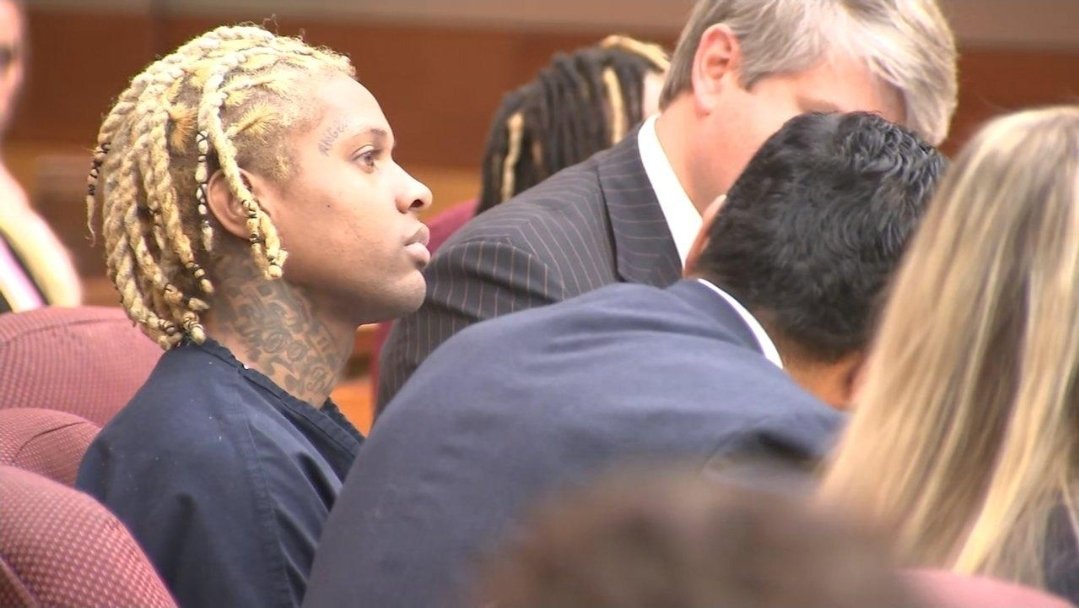
LIL DURK’S DAY IN COURT: THE JURY IS SEATED, AND NOW THE MUSIC BECOMES EVIDENCE
The waiting is over.
Lil Durk’s federal murder-for-hire trial in Los Angeles is moving into the courtroom this week, and the stakes could not be higher.
On Friday, prosecutors and defense attorneys finished selecting a 16-person panel—12 jurors and four alternates—after questioning roughly 80 prospective jurors. Opening statements are expected Monday, August 24.
Durk, whose legal name is Durk Banks, has pleaded not guilty.
Prosecutors allege he helped arrange and finance an attack targeting Atlanta rapper Quando Rondo in Los Angeles in August 2022. But the alleged hit went wrong: Rondo survived, while his cousin, Saviay’a “Lul Pab” Robinson, was killed.
The government’s theory is that revenge was the motive.
Prosecutors say the alleged plot grew out of the killing of Durk’s close associate and fellow Chicago rapper King Von in Atlanta in 2020. They allege that Durk wanted retaliation against people connected to Rondo.
And now comes one of the most controversial parts of the trial:
Lil Durk’s music.
The prosecution has fought to introduce songs, videos and other artistic material as evidence. Among the material at issue is Durk’s “Pissed Me Off” video. Prosecutors also have access to interviews and other recordings they say help establish motive and intent.
That makes jury selection especially important.
Potential jurors were openly questioned about their opinions of rap music, violence and so-called gangsta rap. Some admitted that rap lyrics could affect their ability to remain impartial. Others said they could separate music from the evidence.
The defense obviously wants jurors to judge Durk the defendant—not Lil Durk the rapper.
And there is another major development: prosecutors have sought to keep their witness list sealed, meaning the public does not yet have a complete picture of exactly who will testify.
That creates serious suspense heading into Monday.
Will Quando Rondo testify?
Will investigators testify about the alleged communications and money trail?
Will witnesses describe Durk’s alleged reaction to King Von’s death?
Will prosecutors call witnesses concerning the music and interviews?
Those questions will become clearer once the government begins presenting its case.
Durk is being tried alongside Deandre “DeDe” Wilson and David “Browneyez” Lindsey. All three have pleaded not guilty.
The courtroom battle could last three weeks or longer.
And this case is bigger than rap beef.
The prosecution has to convince a federal jury that Durk was not merely surrounded by people involved in violence, but that he knowingly participated in a murder-for-hire conspiracy that resulted in a man’s death.
The defense has one enormous task: create reasonable doubt.
Because at the end of the day, lyrics aren't a conviction.
Reputation isn't a conviction.
Being associated with the wrong people isn't a conviction.
The government has to prove the actual criminal conduct.
And starting Monday, that battle officially begins.
TUPAC’S FINAL CHAPTER? THE KEFFE D TRIAL IS ABOUT TO GET EVEN MORE EXPLOSIVE
For nearly 30 years, the question surrounding Tupac Shakur’s murder has been one of hip-hop’s greatest mysteries. Now, in a Las Vegas courtroom, that mystery is finally being dragged into the light.
Duane “Keffe D” Davis is on trial for allegedly orchestrating the September 1996 shooting that killed Tupac. Davis has pleaded not guilty, and prosecutors are making one thing crystal clear: They do not have to prove he pulled the trigger. Their argument is that he helped organize and facilitate the attack.
And this week, the prosecution’s biggest weapon has been Davis’ own mouth.
Jurors have already heard a recording of Davis telling police in 2008 that his nephew, Orlando “Baby Lane” Anderson, fired the fatal shots from the white Cadillac. Prosecutors are also leaning heavily on Davis’ 2019 memoir and other public statements. Their theory is simple: Davis talked too much for too many years.
The defense has a very different story.
Attorney Michael Sanft is essentially telling jurors: Don’t believe Keffe D.
The defense says Davis was a storyteller who exaggerated his importance for publicity, money and notoriety. In other words, the very statements prosecutors consider confessions are being presented as fiction. That creates a fascinating courtroom battle: Which version of Keffe D should the jury believe?
And the witnesses are already getting complicated.
Former Death Row associate James “Mob James” McDonald testified under subpoena but repeatedly resisted identifying people connected to the night. Former officers, security personnel and investigators have also testified. Dr. Lisa Gavin discussed Tupac’s fatal injuries, while jurors were shown graphic autopsy photographs.
Then there is the name everybody wants to hear: Suge Knight.
Knight was sitting beside Tupac when the bullets came. He survived the attack and remains one of the most important potential witnesses in the entire case. He has previously indicated that he does not want to testify, and recent reporting says his appearance remains uncertain.
That is the wildcard.
The court has a massive witness list, reportedly more than 200 potential witnesses, although that does not mean 200 people will actually take the stand. The trial is expected to continue for weeks.
What should we expect this week?
Expect prosecutors to keep building the timeline: the MGM Grand fight, the retaliation theory, the Cadillac, the gun, the alleged gang politics and Davis’ changing stories.
And expect the defense to attack the holes.
Who actually fired the gun? Where is the physical evidence? Why did it take nearly three decades to charge Davis? And can a jury convict a man largely on statements he now says were lies?
That is what this trial is really about.
Not just who killed Tupac—but whether Keffe D’s own words finally become the evidence that puts him away.
And after all these years, the world is watching.
🔥 GTA VI COULD SEND TAKE-TWO INTO ANOTHER LEAGUE — IS TTWO THE NEXT BIG GAMING STOCK?
Take-Two Interactive is sitting on something Wall Street knows is coming—but may still be underestimating.
Grand Theft Auto VI.
Everybody knows the game is going to be huge. That's not the question anymore.
The question is just how much money Rockstar Games is about to create for Take-Two Interactive—and what that could do to the stock.
Take-Two is already trading around $240 a share, with a market value approaching $45 billion.
That's not cheap.
But here's where things get interesting.
Take-Two is projecting roughly $8 billion to $8.2 billion in fiscal 2027 net bookings, even while management has described GTA VI preorder demand as unprecedented.
Think about that.
The company hasn't even released the game yet.
And Wall Street hasn't seen what happens when millions upon millions of players actually get their hands on it.
But here's the bigger story: GTA VI isn't just a video game.
It's potentially the foundation of another decade-long money machine.
Rockstar already showed the world what it could do with GTA V.
The game became a cultural phenomenon. Then came GTA Online.
And GTA Online transformed Grand Theft Auto from a blockbuster game into a recurring-revenue ecosystem.
Now Rockstar gets another shot.
GTA VI could generate massive initial sales.
Then comes the online component.
Then downloadable content.
Then digital purchases.
Then years of player engagement.
Then more content.
And more spending.
That's where the investment thesis gets serious.
If Rockstar can replicate even part of the GTA V formula with GTA VI, Take-Two could find itself generating dramatically more revenue and cash flow over the next several years.
And that's why I believe the stock could have considerably more room to run.
My one-year base target is around $310.
My bullish case?
$350 to $400.
And looking three years out, I believe $450 to $500 is achievable if GTA VI becomes the monster investors expect.
But don't be surprised if the stock gets punched in the face after launch.
That's Wall Street.
Sometimes the greatest game in history can launch—and the stock can still fall.
Why?
Expectations.
Investors aren't simply asking whether GTA VI will succeed.
They're asking whether it will beat the success already priced into the stock.
That's the dangerous part.
But for long-term investors, the real prize isn't launch day.
It's what happens afterward.
If GTA VI creates another massive online ecosystem, Take-Two could experience years of recurring consumer spending.
Revenue rises.
Cash flow rises.
Margins improve.
And suddenly Wall Street isn't looking at Take-Two as just another video-game publisher.
It's looking at a digital entertainment powerhouse controlling one of the biggest entertainment franchises on Earth.
That's a completely different valuation story.
So here's the question:
Is Take-Two already too expensive at $240—or are investors looking at the early stages of a $500-plus stock?
Because when GTA VI finally hits the streets, the biggest story may not be
CYBERLEEK MAY HAVE JUST SOLD GTA 6 FOR ROCKSTAR
HE THOUGHT HE WAS KILLING THE HYPE. HE MAY HAVE JUST MADE IT BIGGER.
Here’s the irony nobody wants to talk about.
CyberLeek may have entered the GTA 6 battlefield believing he was going to disrupt Rockstar Games, damage the marketing campaign and take some of the mystery away from Grand Theft Auto VI.
But what if he did the exact opposite?
What if CyberLeek is accidentally selling GTA 6?
Because every time another alleged clip appears, every time another screenshot hits social media, every time another piece of the Leonida puzzle starts circulating, fans aren't walking away.
They're asking for MORE.
That is the part CyberLeek may have completely misunderstood.
The latest leaks have created an enormous conversation around GTA 6 just days before Rockstar's planned extended look on August 27. Take-Two has responded aggressively, seeking information from Microsoft and Discord to identify those responsible for distributing the material.
But here's the funny part.
The more Rockstar tries to shut the leaks down, the more people want to know what's behind them.
It's the forbidden-fruit effect.
Tell people they can't see something, and suddenly everybody wants to see it.
Tell gamers there is something Rockstar doesn't want them looking at, and you've basically created the world's biggest treasure hunt.
And CyberLeek keeps dropping breadcrumbs.
Gameplay.
Characters.
Vehicles.
Locations.
Systems.
Possible map information.
Every leak becomes another conversation.
Every conversation becomes another headline.
Every headline becomes another reminder that GTA 6 is coming.
And that is free advertising.
Rockstar has spent years carefully controlling the GTA 6 marketing machine. Now CyberLeek is generating millions of dollars worth of attention without Rockstar having to buy a single billboard.
That's not necessarily what CyberLeek intended.
But that's what appears to be happening.
Even former Rockstar technical director Obbe Vermeij has argued that the leaks may matter far less than people think because the overwhelming majority of future GTA 6 players aren't actively hunting leaked footage.
And that's another important point.
The hardcore community may be dissecting every frame.
But millions of casual players aren't.
They are simply hearing:
“GTA 6 leaked again.”
And their response is:
“Wait… GTA 6 is coming?”
Then they search.
Then they watch the trailer.
Then they talk about the game.
Then they tell somebody else.
And suddenly Rockstar has another potential customer.
That's the CyberLeek paradox.
The disruptor becomes the promoter.
He may believe he's taking power away from Rockstar.
Instead, he may be increasing the game's cultural footprint.
And the timing couldn't be more interesting.
Rockstar's official extended look is still scheduled for August 27, while the game remains scheduled for November 19, 2026.
So imagine what happens when Rockstar finally drops the polished, official presentation.
After weeks of unauthorized footage, speculation and arguments, Rockstar gets to walk into the room and say:
“You thought THAT was GTA 6? Watch this.”
That's the nuclear option.
And if Rockstar executes it properly, CyberLeek's entire strategy could backfire spectacularly.
Because anticipation isn't dying.
It's getting louder.
Fans aren't saying, “I don't want GTA 6 anymore.”
They're saying, “When does this damn game come out?”
That's a completely different problem.
CyberLeek wanted to disrupt the launch.
He may have helped build it.
He wanted to expose the game.
He may have made people crave it.
He wanted to hurt Rockstar.
He may have accidentally become Rockstar's unpaid marketing department.
And when November finally arrives, there's only one question left:
Who's really winning this war?
GTA 6 IS COMING — AND NOTHING CAN STOP THE BIGGEST GAME IN HISTORY
Let's stop for a second and look past the leaks, the subpoenas, the hackers, the rumors and all the internet chaos surrounding Grand Theft Auto VI.
Because when the smoke clears, one thing remains crystal clear:
GTA 6 is still coming. And when it arrives, gaming may never be the same again.
Rockstar currently has Grand Theft Auto VI scheduled for November 19, 2026, and despite the latest CyberLeek controversy, there has been no announcement of another delay. Take-Two has actually taken legal steps against the distribution of leaked material, including seeking information from Microsoft and Discord to identify those responsible.
But here's the bigger story.
The leaks haven't killed the hype.
If anything, they've demonstrated just how enormous the appetite for this game has become.
Think about it.
We're talking about a game that has been anticipated for more than a decade. The first trailer generated extraordinary attention, and Rockstar has built GTA 6 into something bigger than another video-game release. It has become a global entertainment event.
And that's why I believe GTA 6 has a legitimate shot at becoming the biggest-selling video game ever.
Now, let's be clear: nobody can honestly guarantee that it will outsell every game in history. That's a prediction, not a fact.
But the ingredients are there.
GTA V already became one of the biggest entertainment products ever created. It sold millions almost immediately and eventually became a cultural phenomenon that lasted across three console generations. GTA Online kept people playing—and spending money—for years.
Now Rockstar is bringing that formula into a new generation.
Vice City.
Lucia.
Jason.
A massive open world.
More detailed characters.
More advanced systems.
And an audience that has been waiting thirteen years.
That's not a normal launch.
That's an event.
And here's where CyberLeek actually makes the situation even more fascinating.
Despite unauthorized footage appearing online and Rockstar aggressively fighting the leaks, the official machine continues moving forward. Rockstar's extended preview remains scheduled for August 27, while the November 19 launch date remains intact.
So ask yourself:
If people are already going crazy over unfinished footage, what happens when Rockstar shows the finished product?
That's the question.
Because leaked gameplay is not the same thing as a polished Rockstar presentation.
Rockstar knows how to sell an experience.
They know how to create anticipation.
And they know how to make the entire entertainment industry stop and watch.
When GTA 6 finally hits shelves and digital storefronts around the world, don't expect it to simply be another successful game.
Expect midnight launches.
Expect servers getting hammered.
Expect social media to become one giant GTA conversation.
Expect other publishers to think twice about releasing major games anywhere near it.
And expect the money to start moving—FAST.
The leaks may have created headaches.
The legal battle may continue.
CyberLeek may have more tricks left.
But none of that changes the fundamental reality:
People want GTA 6.
They've wanted it for years.
And when Rockstar finally says “Go,” the entire gaming world is going to move.
So the real question isn't whether GTA 6 will be big.
The question is just how big.
Because this might not be the launch of another video game.
This might be the launch of a cultural earthquake.
MANGIONE CONFESSED. SO WHY ISN’T THE CASE OVER?
By Black Rush
Luigi Mangione admitted it in federal court.
He pleaded guilty to federal stalking charges connected to the killing of UnitedHealthcare CEO Brian Thompson, acknowledging his responsibility for the shooting that ended Thompson’s life.
So why isn't the case over?
Because Mangione is facing two separate prosecutions—one federal and one in New York—and his lawyers are now trying to stop the state case from going forward.
Their argument?
Double jeopardy.
Mangione's defense has filed a motion arguing that New York should not be allowed to prosecute him over the same underlying killing after the federal case has already been resolved.
That's where this case gets complicated.
Normally, the federal government and a state government are considered separate sovereigns. That means federal and state prosecutors can, under certain circumstances, bring separate cases based on the same conduct.
But New York has its own statutory protections against double jeopardy, and Mangione's lawyers believe those protections go further than the federal constitutional standard.
Their argument is essentially simple:
The government already prosecuted Mangione for conduct arising from Thompson's killing. Why should New York get another chance?
Prosecutors see the situation differently.
The federal case involved stalking offenses. The New York prosecution involves murder and weapons charges. Those crimes have different legal elements, and prosecutors are expected to argue that the state case therefore isn't simply a second prosecution for the exact same offense.
And that distinction could determine everything.
Mangione's federal guilty plea does not automatically dismiss the New York murder case.
Instead, it has created a new legal battle over whether New York's prosecution can continue.
Judge Gregory Carro now has to decide.
The state trial had been scheduled to begin September 8, but that timetable has been pushed back while the double-jeopardy issue is litigated. Prosecutors have until October 9 to respond to Mangione's dismissal motion, with the next major hearing scheduled for December 10.
Meanwhile, Mangione's federal sentencing is scheduled for December 18.
So here's what makes this case fascinating:
Mangione has already admitted responsibility for killing Thompson, but New York still wants to put him on trial for murder.
If Mangione's lawyers win, the state prosecution could be dismissed.
If prosecutors win, Mangione could still face a separate New York murder trial despite his federal guilty plea.
That's why this case is about more than Mangione.
It's about the relationship between federal and state governments.
It's about double jeopardy.
And ultimately, it's about how many times the government can prosecute someone for the same underlying conduct.
Forget the politics for a moment.
Forget whether you support Mangione or despise him.
The legal question is much bigger:
Should a person who has already pleaded guilty federally face another prosecution in state court for the same killing?
Or should the federal case effectively end the matter?
That's the question sitting before the judge.
And whatever happens could create a legal precedent that reaches far beyond Luigi Mangione.
The killing may be admitted.
The legal battle isn't over.
What do you think?
#BlackRush #LuigiMangione #BrianThompson #UnitedHealthcare #DoubleJeopardy #Law #Crime #TrueCrime #Justice #NewYork #BreakingNews
Former Abercrombie CEO Cleared for Sex-Trafficking Trial
By Black Rush
The courtroom door is officially open for one of the most closely watched corporate sex-trafficking cases in the country.
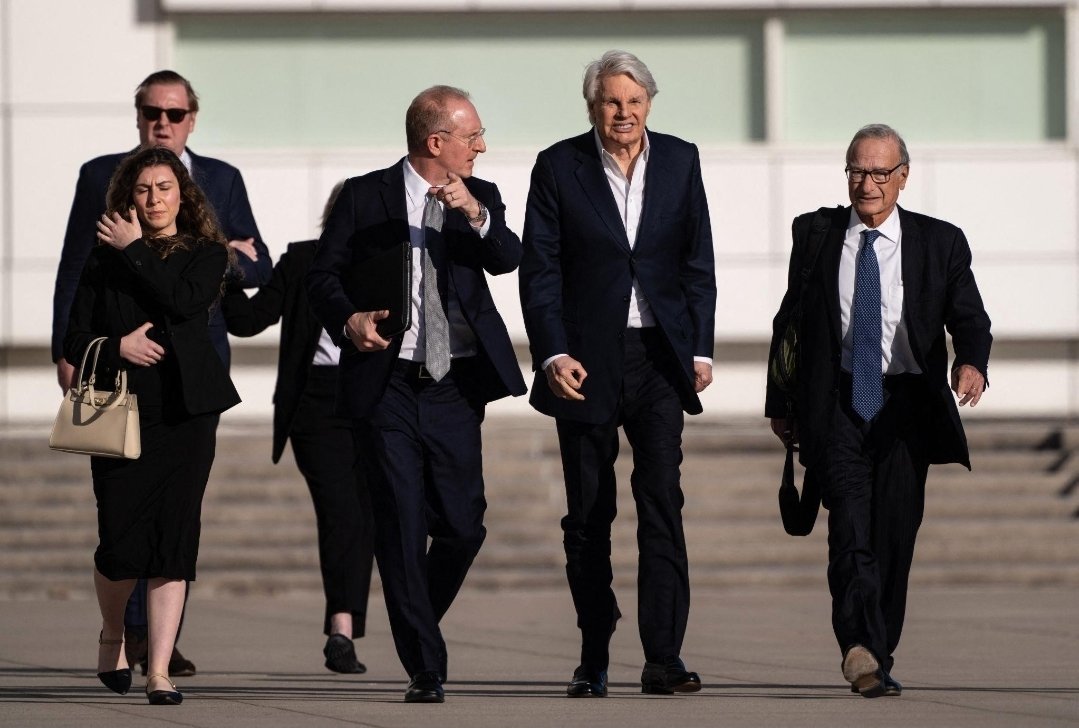
Michael Jeffries, the former chief executive of Abercrombie & Fitch, has been ruled mentally competent to stand trial on federal sex-trafficking and interstate prostitution charges, despite months of medical evaluations and hospitalization involving dementia and Alzheimer’s symptoms. A federal judge's decision clears the way for Jeffries, 82, to face a jury later this year.
And that decision raises a question that could become central to the entire case: When does serious cognitive decline prevent a defendant from being held legally accountable in court?
Jeffries' defense had argued that his medical condition made him incapable of meaningfully participating in his own defense. His lawyers presented experts who described cognitive problems involving Alzheimer's disease, Lewy body dementia and the effects of a traumatic brain injury. The defense argued that those conditions were progressive and that Jeffries would not regain the competency necessary for trial.
The judge wasn't convinced.
U.S. District Judge Nusrat Choudhury concluded that Jeffries demonstrated a rational and factual understanding of the proceedings and possessed the ability to communicate with his attorneys. The court also considered hours of phone conversations Jeffries made while in custody, along with medical testimony and written evaluations.
Those conversations apparently became an important piece of the competency battle.
Jeffries had spent roughly four months at a federal prison hospital in Butner, North Carolina, where his mental condition was evaluated. Federal officials ultimately determined that he was competent to proceed. The judge's ruling now puts the criminal case back on track.
But the competency issue is only one piece of a much bigger story.
Prosecutors accuse Jeffries, his partner Matthew Smith and former staffer James Jacobson of using the promise of modeling opportunities to lure men into sexual encounters and drug-fueled parties. The alleged conduct reportedly involved locations including New York City and the Hamptons. All three defendants have pleaded not guilty.
Jeffries is a particularly significant figure because of the empire he once controlled.
He led Abercrombie & Fitch from 1992 until 2014 and played a major role in transforming the retailer into one of America's most recognizable youth brands. During his tenure, Abercrombie became famous — and controversial — for its provocative advertising, shirtless male models and highly curated image.
Now the former executive faces a very different kind of spotlight.
His trial is scheduled for late October, with a pretrial hearing coming first. The case could force a jury to examine allegations involving power, money, modeling opportunities and the vulnerability of aspiring young men trying to break into the fashion industry.
The legal battle will ultimately come down to evidence. The prosecution must prove its allegations beyond a reasonable doubt, while Jeffries remains presumed innocent unless proven guilty.
But the competency ruling guarantees one thing:
This story isn't going away. It's headed for a courtroom.
And when the trial begins, the public may finally get its closest look yet at what prosecutors say happened behind the image of one of America's most recognizable retail brands.
The question now is simple: What will the evidence reveal?