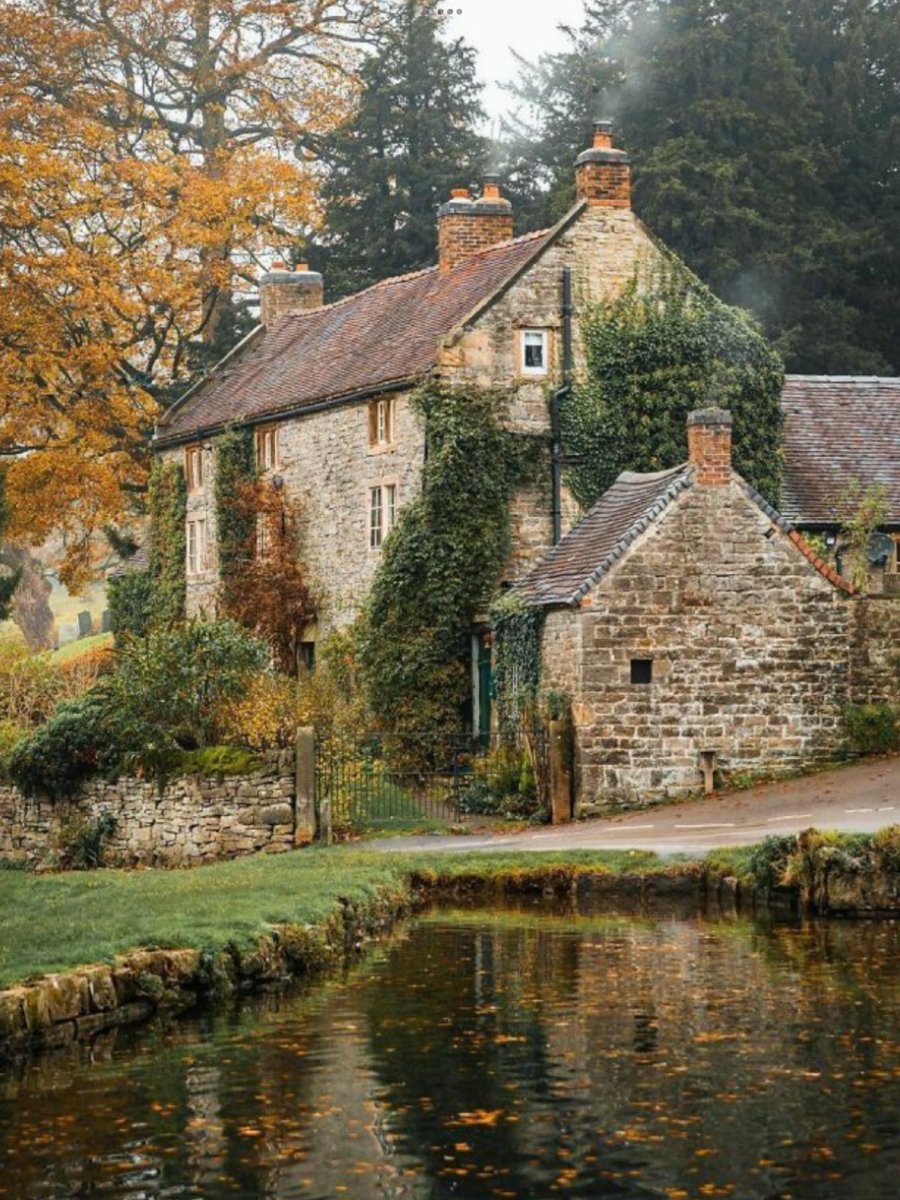
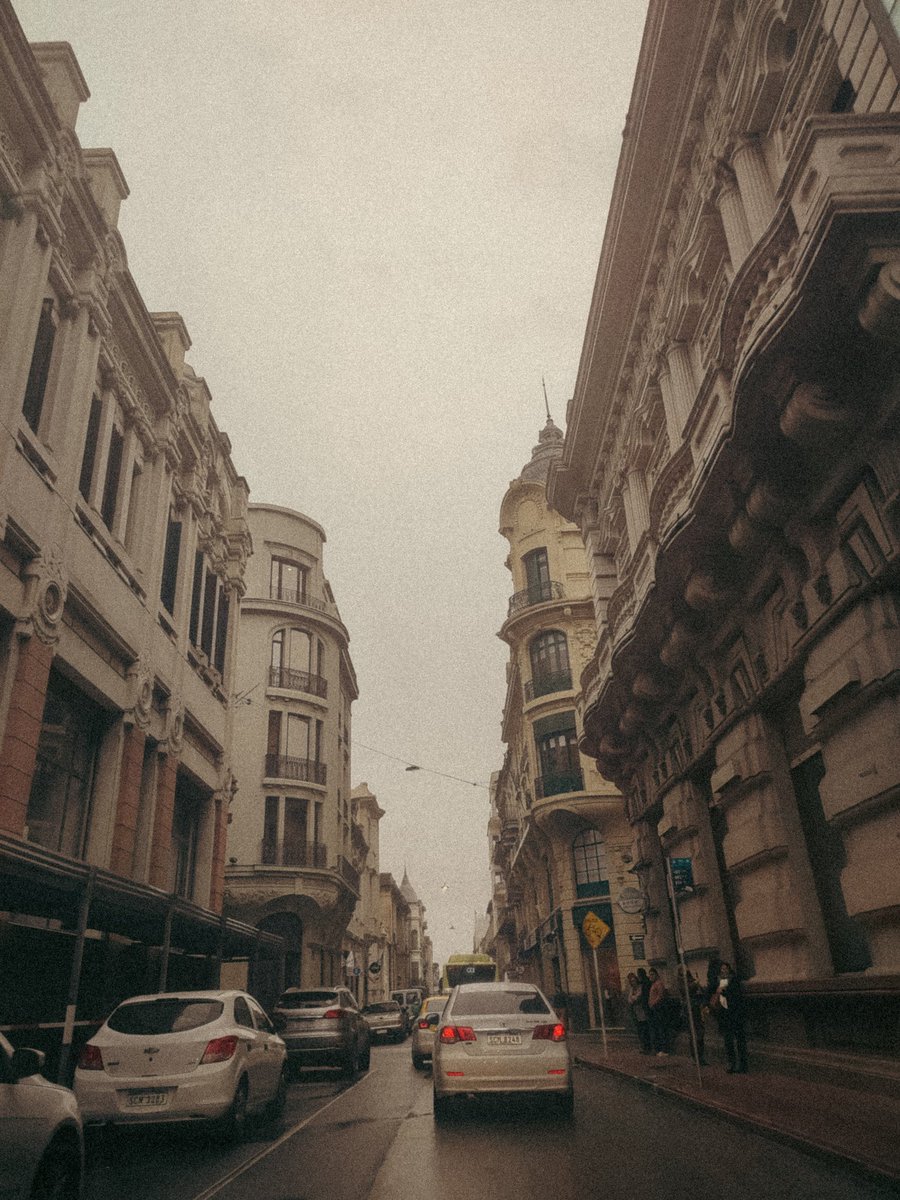
I am seriously considering the idea of disappearing from the networks for a year, dedicating myself to study, improve my habits, work without distractions and then come back as Gandalf The White.
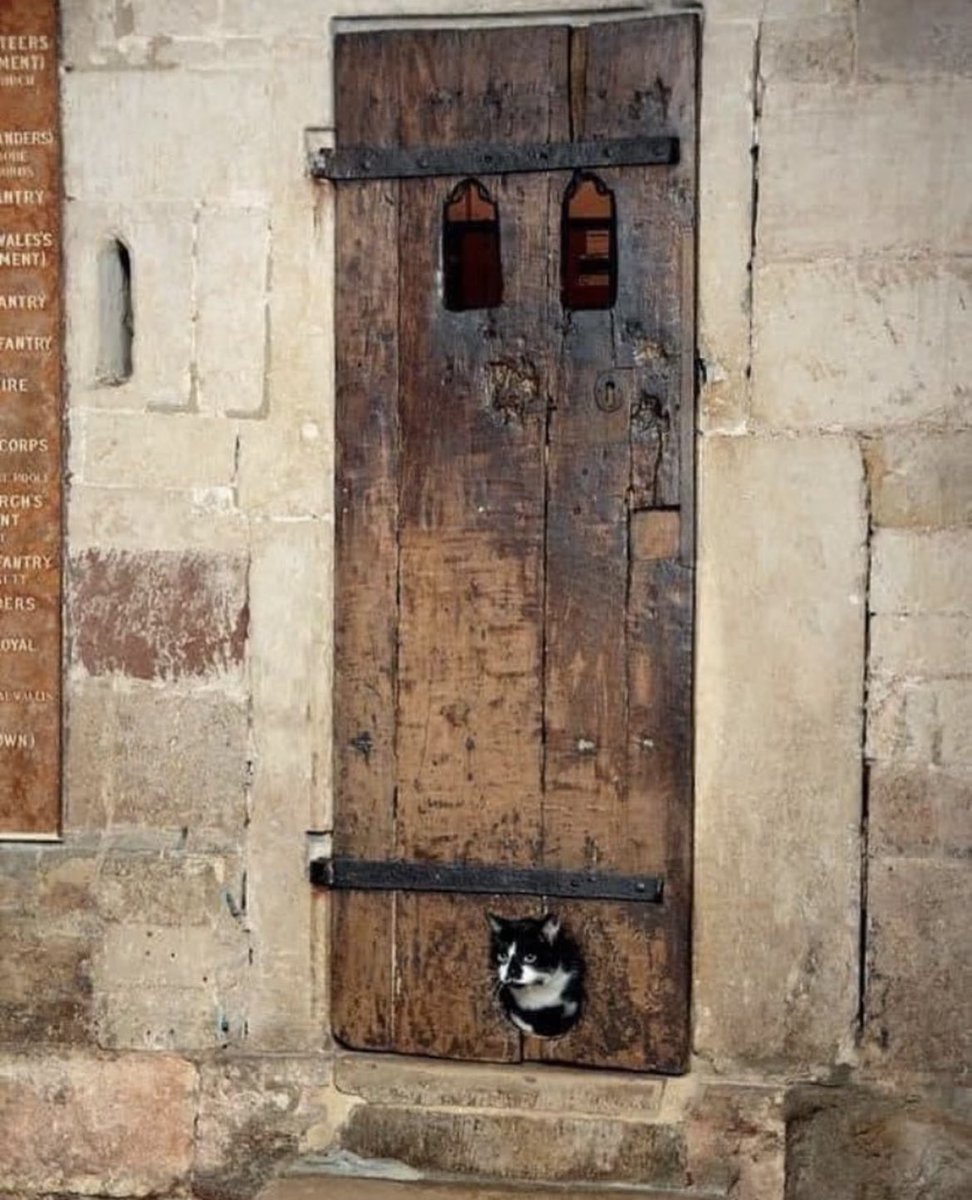
This 14th-century door located at Exeter Cathedral in the UK is believed to be the earliest known example of a cat flap. Historical records from the medieval period reveal that cats had significant roles within various cathedrals, as they were tasked with keeping the premises free of mice. These cats were even included on the payroll, with funds allocated to support their food if their mouse-catching performance fell short.
In the financial records of Exeter Cathedral, it is documented that during the 15th century, they had a resident cat designated for mouse control, earning approximately one penny per week (equivalent to thirteen pennies every quarter). Notably, between 1363 and 1366, the quarterly payment for this feline doubled to twenty-six pence, indicating the possibility that the cathedral temporarily bolstered its mousing efforts by employing a second cat.
On a serious note, I want to say thank you to the X team, @elonmusk and all of the people that interact with this account. I received my first check for ad revenue tonight. I really appreciate this opportunity and hope to bring you great content for a long time.
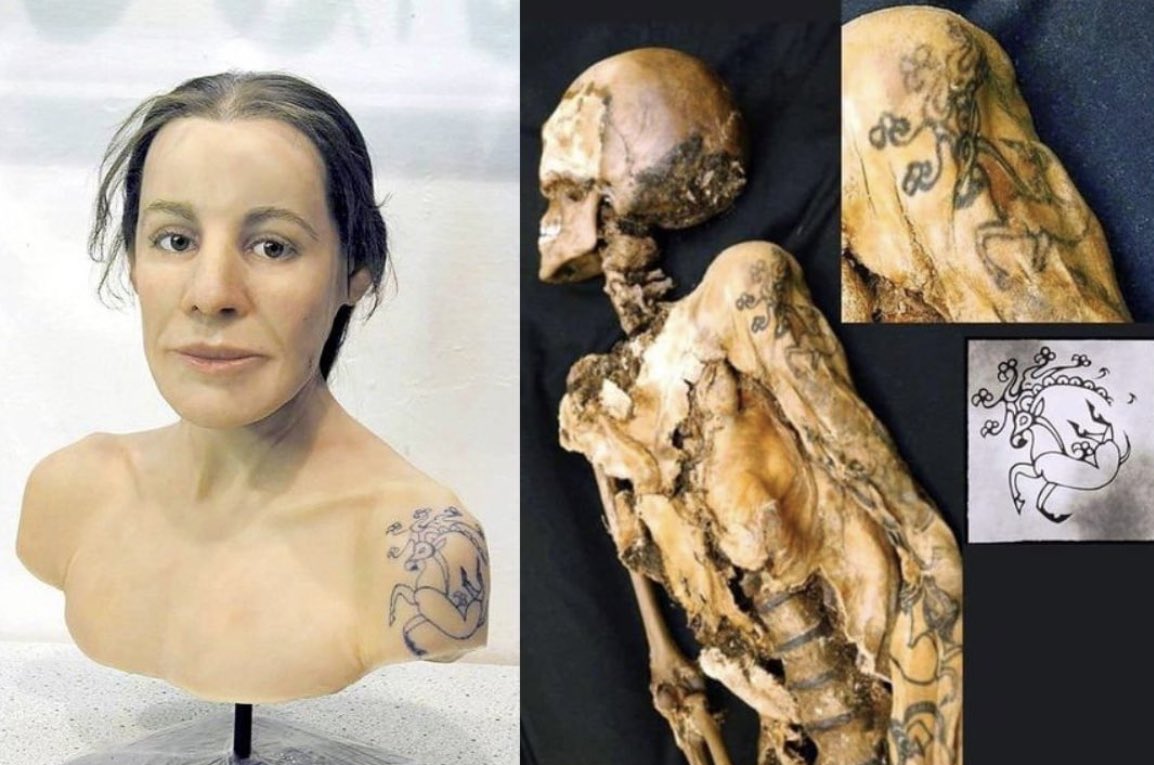
Tattooing has been practiced across the globe since at least Neolithic times. Some of the most extraordinary ones can be seen on the Princess of Ukok.
The mummy was identified as a young woman from the nomadic Pazyryk tribe, closely related to the Scythian peoples that once populated the Eurasian steppes sometime between the 7th and 3rd centuries B.C.
The remains of the immaculately dressed 'princess', aged around 25 and preserved for several millennia in the Siberian permafrost, a natural freezer, were discovered in 1993 by Novosibirsk scientist Natalia Polosmak during an archaeological expedition.
Buried around her were six horses, saddled and bridled, her spiritual escorts to the next world, and a symbol of her evident status. Perhaps she was more likely a revered folk tale narrator, a healer, or a holy woman than an ice princess.
The mummy is covered in well-preserved tattoos on both shoulders all the way to the wrist. "It is a phenomenal level of tattoo art. Incredible," said Natalia Polosmak, the lead archaeologist who discovered the mummy.
One of the tattoos on the mummy's left shoulder appears to be a mythological hybrid of a deer with a griffon's beak and Capricorn antlers. 'Compared to all tattoos found by archaeologists around the world, those on the mummies of the Pazyryk people are the most complicated and the most beautiful,' said Dr Polosmak.
More ancient tattoos have been found, like the Ice Man found in the Alps - but he only had lines, not the perfect and highly artistic images seen on the bodies of the Pazyryks.
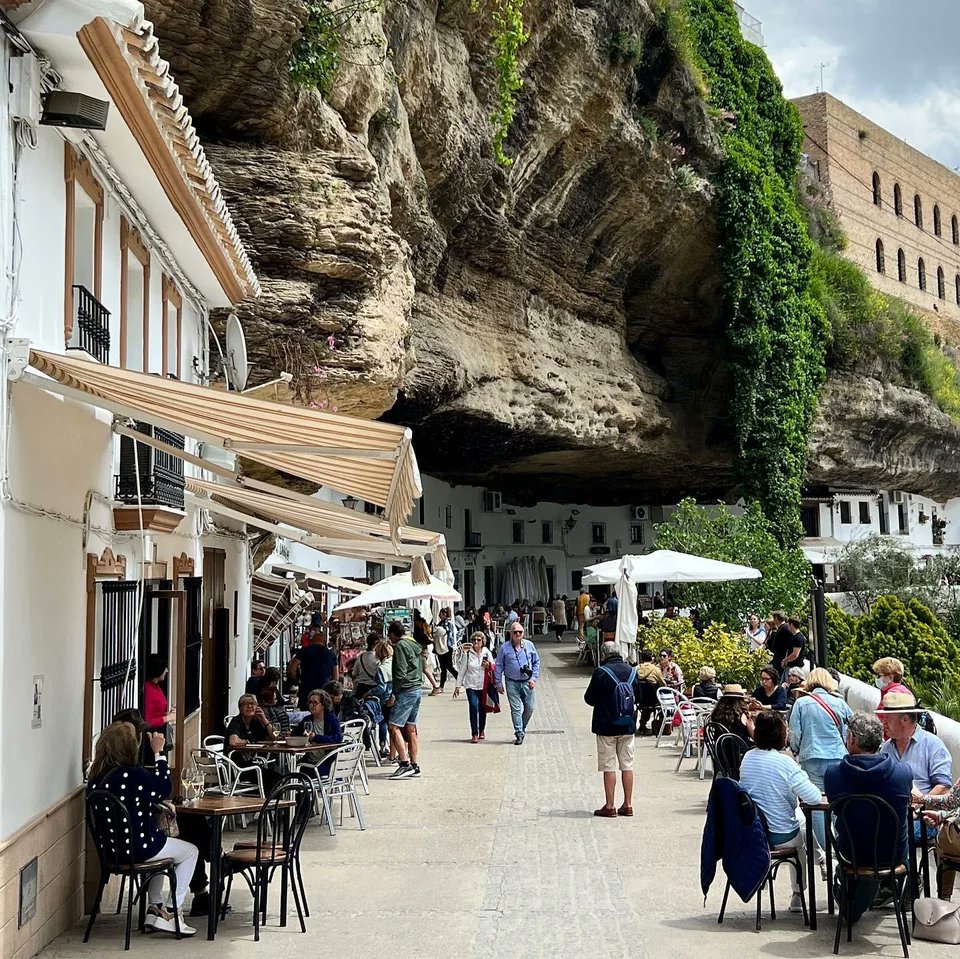
This is Setenil de las Bodegas, a small Spanish town built into the cliffs of a narrow river valley.
Architecture is always cooler when shaped by the local environment.
So, from cities in lakes to villages on volcanoes, here's how to make the world a more interesting place...