Target Use Cases!!!
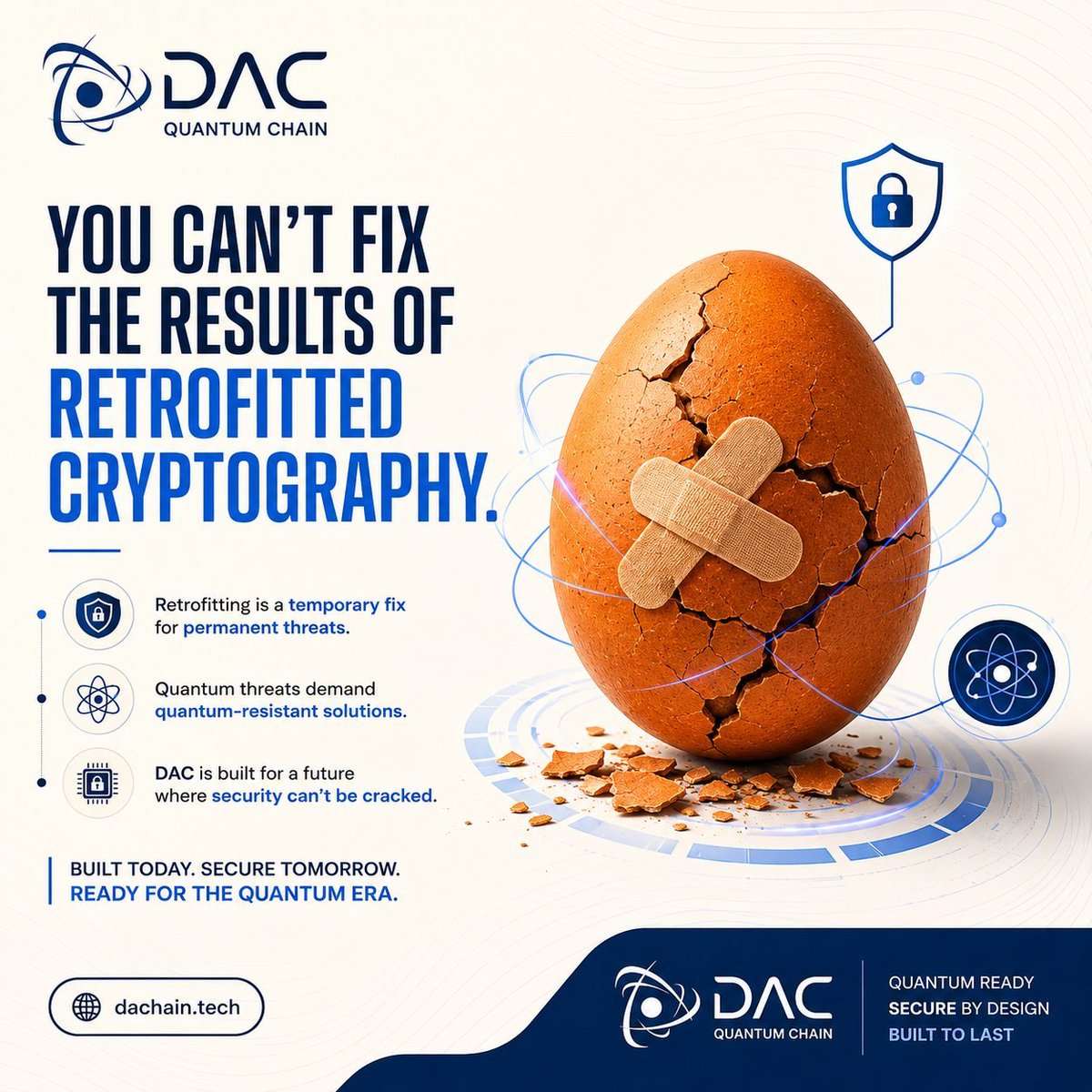
@dac_chain is being built as a general-purpose L1 for:
-Real World Assets (RWA) tokenization
-DeFi and AI data validation
-Digital Identity & Banking
-Supply Chain, Healthcare, Real Estate
-IoT infrastructure
Key Takeaways! @dac_chain
1: DACT = governance and staking. DACC = gas and execution rewards.
2: Staking on testnet earns passive QE from burns; mainnet staking of
DACT activates nodes and earns DACC rewards.
3: The dual-asset design aims to align long-term holders (via DACT)
Introducing the Billions Foundation
@billions_fdn is an independent not-for-profit organization to steward the Billions Network protocols, govern the trust infrastructure for humans and AI agents, and support the $BILL ecosystem.
The ticker $BILL is the native token for @billions_ntwk, a privacy-focused decentralized identity protocol. It is central to the project's mission of verifying both humans and AI agents using zero-knowledge (ZK) technology without requiring invasive biometric data.
“Why APY Is the Most Misunderstood Metric in DeFi”
In DeFi, many protocols advertise a massive APY that assumes you are compounding your rewards daily (or even hourly). If the protocol doesn't "auto-compound" for you, and you don't manually reinvest (paying gas fees each time), you will never hit that advertised number.
The reason APY (Annual Percentage Yield) is so misunderstood is that it applies a traditional banking concept to a high-velocity, volatile ecosystem where the math rarely stays still long enough to matter.
This is the biggest blind spot. In a bank, your 0.5% APY is in USD, which is relatively stable. In DeFi, your 100% APY is paid in the protocol’s native token.
-The Math: If you stake $1,000 and the APY is 100%, you expect $2,000 in a year.
-The Reality: If the token price drops by 80% (common in high-emission "farm" tokens), your "100% return" actually leaves you with $400.
You gained tokens, but you lost purchasing power. @ConcreteXYZ
https://t.co/JOt76RM1PK
It’s an exciting time for SocialFi, and @DlicomApp is definitely hitting that "sweet spot" between utility and community. By integrating a self-custodial wallet directly into a social ecosystem.
Most platforms try to be either a wallet or a social network. Dlicom is attempting to be the operating system for digital life.
Here's what coming!
-Self-Custodial Control: Unlike "Web2.5" platforms that hold your keys, @DlicomApp gives users 100% ownership. If the platform goes away, your assets don't.
-Integrated DeFi: You aren't just "liking" a post; you can tip creators, pay gas fees using native tokens, and perform P2P payments directly within an encrypted chat.
-Decentralized Browser: By including a dApp browser, they’re keeping users within their ecosystem while allowing them to interact with the broader Ethereum/Web3 world.
Dlicom's focus on privacy-first social networking—where your identity is tied to your wallet rather than a centralized server—aligns perfectly with the growing demand for data sovereignty. It’s no longer just about "Social Finance"; it's about Social Ownership.
In a world of deepfakes and automated noise, Social + Wallet + AI creates a "Proof of Personhood" and "Proof of Value" ecosystem. AI becomes a tool for the user to navigate the economy, rather than a tool for the platform to harvest the user. @DlicomApp
The vision for Dlicom takes that "SocialFi" theory and turns it into a functional reality. By merging a self-custody wallet directly into the communication layer, you aren't just adding a "pay" button; you're creating a sovereign environment where identity and value are inseparable.
That is a powerful manifesto for the shift from platform-centric to user-centric digital life. You’ve touched on the exact nerve that makes the current Web2 model feel increasingly fragile: the realization that our "digital homes" are actually just rented rooms where the landlord can change the locks at any time. @DlicomApp
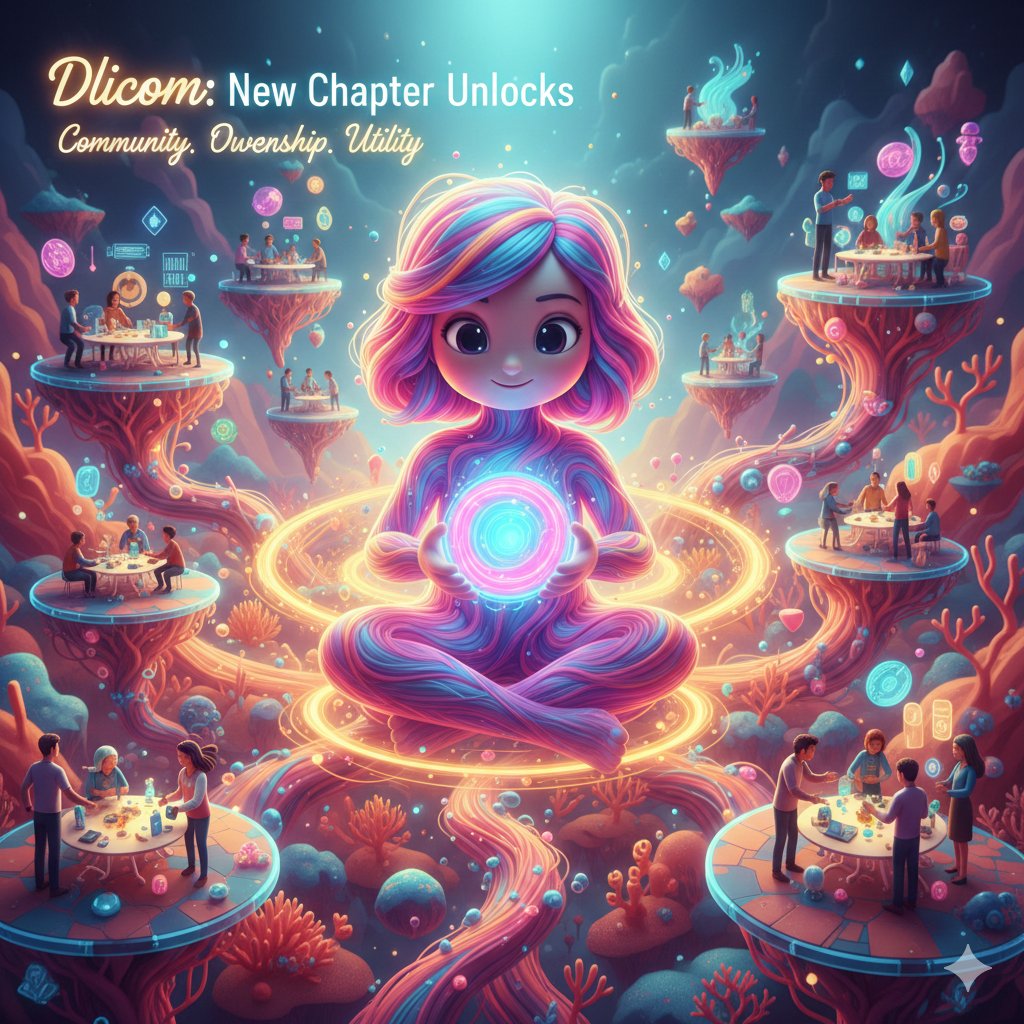
Since Dlicom is evolving, Dili sounds like a character or an interface anchor with a lot of personality especially when it marks a shift from just being a "social feed" to building an actual ecosystem.
General Breakdown!!!
Community Driven System:
Instead of broadcasting to a nameless crowd, you’re building walled gardens or micro-hubs.
The Ownership Economy:
If "Social outgrew the feed," maybe it’s because users outgrew being the product.
Utility-First Interface:
This turns social interaction into a tool rather than a distraction.
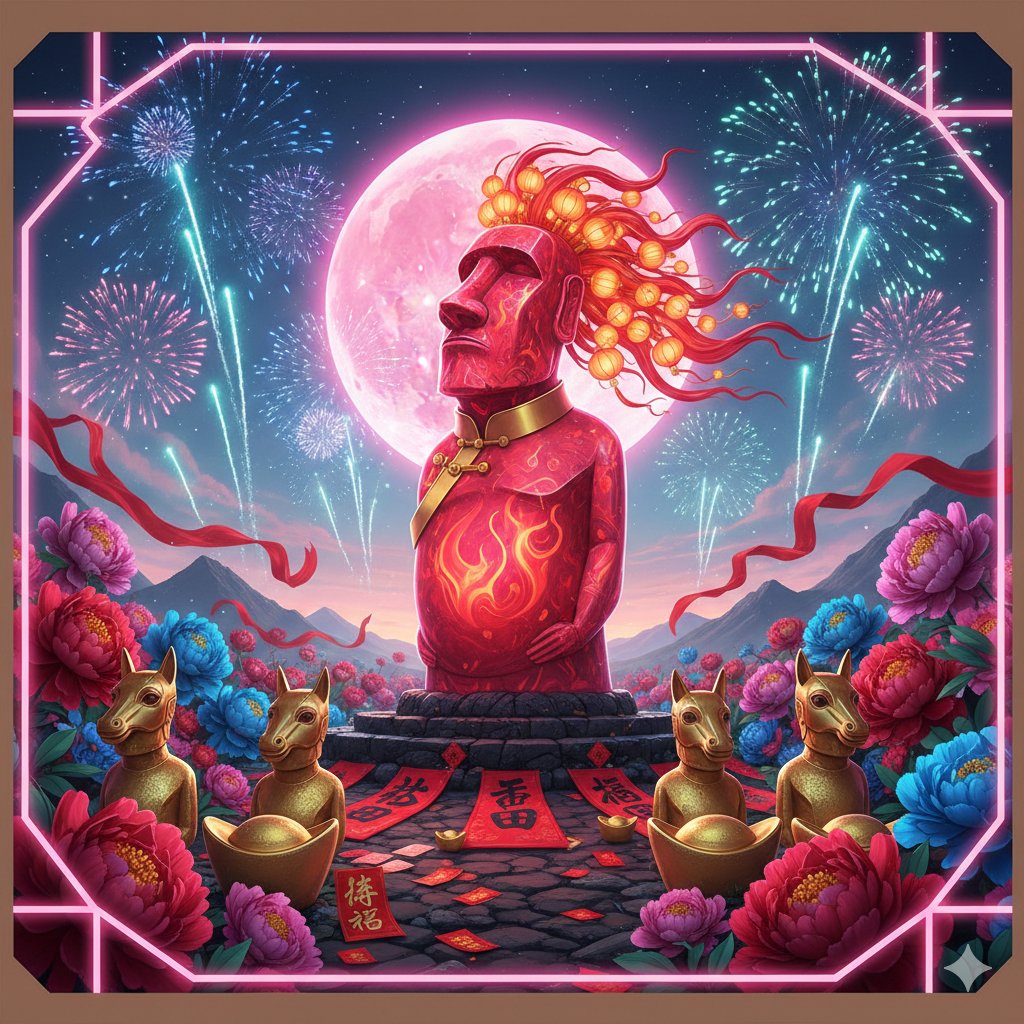
Since 2026 is the Year of the Fire Horse, the vibes are high-energy, fast-paced, and bold. Blending that "Fire Horse" momentum with the stoic, legendary energy of the Moai creates a pretty unique aesthetic. @ConcreteXYZ