COMOROS - AFRICA
The most breathtaking relief features in the Comoros are the Mount Karthala Caldera and the Lac Salé crater. These formations showcase spectacular natural architecture forged by the archipelago's intense volcanic history.
THE MOST BEAUTIFUL RELIEF SHAPE IN – Part 16. Images credit to many sites.
COCOS (KEELING) ISLANDS – OCEANIA
The most beautiful relief shape in the Cocos (Keeling) Islands is the southern horseshoe-shaped coral atoll. This stunning formation features 26 low-lying, palm-fringed coral islands that enclose a vast, crystal-clear turquoise lagoon.
COLOMBIA – SOUTH AMERICA
Colombia’s the most iconic is the Cocora Valley (Valle del Cocora), featuring rolling emerald hills, perpetually shifting clouds, and the towering Andean Wax Palms.
Gérard was famously slow at finishing paintings. His friends teased that he painted “at the speed of a royal procession.”
He was so polite and gentle that even Napoleon — not known for patience — once complained that Gérard was “too agreeable to be efficient.”
JOACHIM MURAT
The info about FRANCOIS PASCAL SIMON GERARD is from Copilot. Images credit to many sites.
Gérard was nicknamed “the painter of kings and the king of painters” because European royalty lined up to be painted by him.
NAPOLEON
Gerard was a student of Jacques‑Louis David, the giant of French Neoclassicism, but Gérard developed a softer, more elegant style.
He became Baron Gérard under Napoleon — one of the few painters to receive a noble title for artistic achievement.
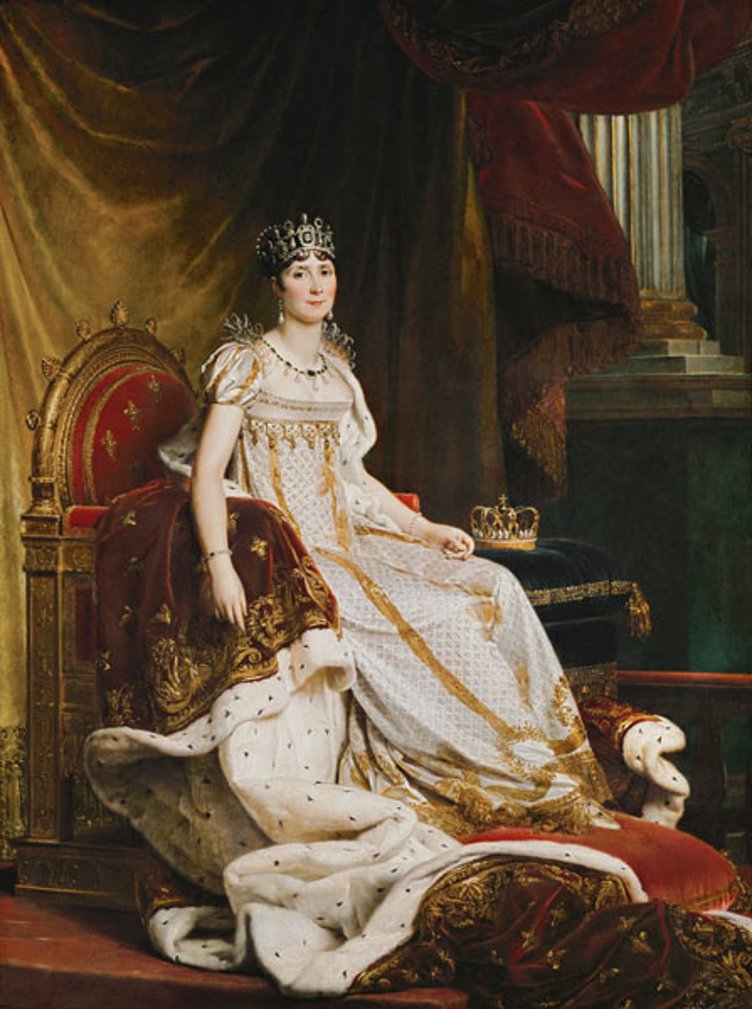
JOSEPHINE
COLOMBIA – SOUTH AMERICA
Fernando Botero (1932–2023) was a world-renowned Colombian figurative artist and sculptor. He is best known for "Boterismo"—a signature style that depicts people, animals, and objects in exaggerated, voluminous form.
FAMOUS PAINTER – SCULPTOR - ARCHITECT – Part 15. Images credit to many sites.
CHINA – ASIA
Ai Weiwei (1957–present): A Beijing-born contemporary artist, sculptor, and architectural collaborator who co-designed the Beijing National Stadium (The Bird's Nest) for the 2008 Olympics.
Les apparences peuvent être trompeuses.
À la fin du XIXe siècle, un couple descend du train à Boston avec l'intention de visiter l'université de Harvard. Leur tenue est simple : elle porte une modeste robe de coton, lui un costume peu raffiné.
Sans rendez-vous, ils se présentent au secrétariat du président de l'université, mais sont accueillis avec méfiance. Le secrétaire, les voyant si humblement vêtus, les prend pour des paysans et estime qu'ils n'ont rien à faire à Harvard.
"Nous voudrions parler au président", dit timidement l'homme.
"Désolé, il est très occupé", répondit froidement le secrétaire.
"Nous attendrons", rétorque calmement la femme.
Espérant qu'ils se lasseraient et partiraient, le secrétaire les a ignorés pendant des heures. Mais le couple ne bouge pas. Finalement, impatiente, elle décida d'en référer au président, espérant qu'une brève rencontre les convaincrait de partir.
Mécontent, le président les reçoit d'un air sceptique.
La femme explique : "Notre fils a fréquenté Harvard pendant un an et y était très heureux, mais il est malheureusement décédé dans un accident. Nous aimerions faire quelque chose en sa mémoire.
Le président, impassible, répond : "Nous ne pouvons pas ériger une statue pour chaque ancien étudiant décédé. Nous finirions par transformer le campus en cimetière.
"Nous ne voulons pas de statue", répond la femme, "nous pensions faire don d'un bâtiment à Harvard".
Le président, incrédule, regarde leurs vêtements et rit avec condescendance : "Un bâtiment ? Savez-vous combien coûte un bâtiment ? Ici, à Harvard, nous avons dépensé plus de sept millions et demi de dollars pour nos installations !"
La femme est restée silencieuse pendant un moment, puis elle s'est tournée vers son mari et a murmuré : "Est-ce que cela coûte si peu de construire une université ? Pourquoi ne pas fonder la nôtre ?"
Le mari acquiesce.
Sans rien ajouter, le couple s'est levé et a quitté Harvard.
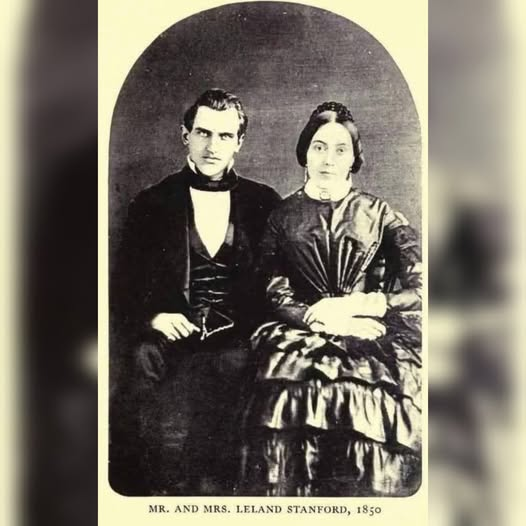
Ce couple s'appelait Leland et Jane Stanford, et quelques années plus tard, en Californie, ils fondèrent l'université Stanford, dédiée à la mémoire de leur fils bien-aimé.
Aujourd'hui, Stanford est l'une des universités les plus prestigieuses du monde, au même titre que Harvard.
Moralité :
Juger quelqu'un sur ses apparences peut s'avérer une erreur colossale.
I went to the shelter looking for one old cat.
Two untouched food bowls changed my mind.
At the end of a row of cages sat two senior cats pressed tightly together.
An orange cat named Otis.
A gray cat named Milo.
Neither touched their food.
Neither seemed interested in the people walking by.
They only seemed interested in each other.
I had come with a plan.
My children were grown.
My husband had been gone for years.
The house was quiet.
Too quiet.
I didn’t want a kitten.
I wanted one older cat.
Someone who understood long naps, sunny windows, and peaceful afternoons.
Then the shelter worker stopped in front of Otis and Milo.
“They lost their person,” she said.
I nodded.
Then she told me the rest.
After their owner died, the cats spent days sitting outside the locked front door waiting for someone who was never coming home.
A neighbor left food.
Otis would eat a little and then step aside for Milo.
Milo wouldn’t eat unless Otis sat beside him.
When rescuers arrived, Milo hid under the porch.
Otis stayed in the yard and made one small sound.
Milo came out immediately.
That detail broke my heart.
Not because it was dramatic.
Because it was simple.
Two frightened old cats had lost everything.
And somehow they still found comfort in each other.
The shelter tried finding them homes.
Families wanted one cat.
Not two.
Some thought they were too old.
Others thought Milo seemed too withdrawn.
One family wanted only Otis.
The shelter tried separating them once.
Just once.
Otis stopped eating.
Milo sat facing a wall for hours.
They never tried again.
I kept reminding myself:
One cat.
One bed.
One food bowl.
One set of vet bills.
One small companion.
That was the plan.
Then Otis slowly stood.
His legs were stiff.
His fur was thin.
He didn’t try to impress me.
He simply stepped in front of Milo.
Like a tired older brother protecting the only family he had left.
Milo finally looked up.
The shelter worker opened the cage.
I sat on the floor.
Otis approached first.
Careful.
Suspicious.
Then Milo leaned forward.
Just a little.
And rested his chin on my hand.
Not a purr.
Not a cuddle.
Just a tiny act of trust.
As if he were asking:
“Are we allowed to stay together this time?”
That was it.
I was done.
I looked at the shelter worker and said:
“I think I’m going to need two cat beds.”
She immediately turned away so I wouldn’t see her cry.
The ride home was quiet.
At one stoplight, I glanced in the rearview mirror.
Otis had his chin resting on Milo’s head.
For the first time, neither looked afraid.
At home, I put down two bowls.
This time, they ate.
Side by side.
That night I found them sleeping together beside the living room window.
Otis had one paw draped across Milo’s back.
Milo was tucked against his chest.
Neither looked like they were waiting anymore.
I can’t replace the person they lost.
Some loves leave spaces nobody else is meant to fill.
But maybe love doesn’t have to replace what came before.
Maybe it just sits quietly beside it.
Otis and Milo didn’t need a perfect home.
They only needed the same home.
And somehow, in giving that to them, they gave something back to me.
I went looking for one old cat.
Instead, two old cats made my house feel like home again.
Via Born Legend