I was 21. I liked a girl. It didn’t matter that she was Indian and that I wasn’t.
Twenty-five years later, I’m still following questions I didn’t even know to ask when we met.
What Is Blindian? (To Me)
https://t.co/DbSTaGHfbU
Excited to share we @sisterhood_lam have been cooking!
Escape is a sheng hip-hop musical, written by Sitawa Namwalie, with music by L-Ness and Eric Wainaina - it is a love letter to Nairobi & the ingenuity of Nairobians
The music is 🔥
Tickets: https://t.co/S7vTbDnRmx
Building a cultural initiative is one thing. Sustaining it is another.
We’re looking for four people to join BlindianProject’s advisory board, bringing experience across arts, philanthropy, finance and education.
https://t.co/qXVKIjfQbZ
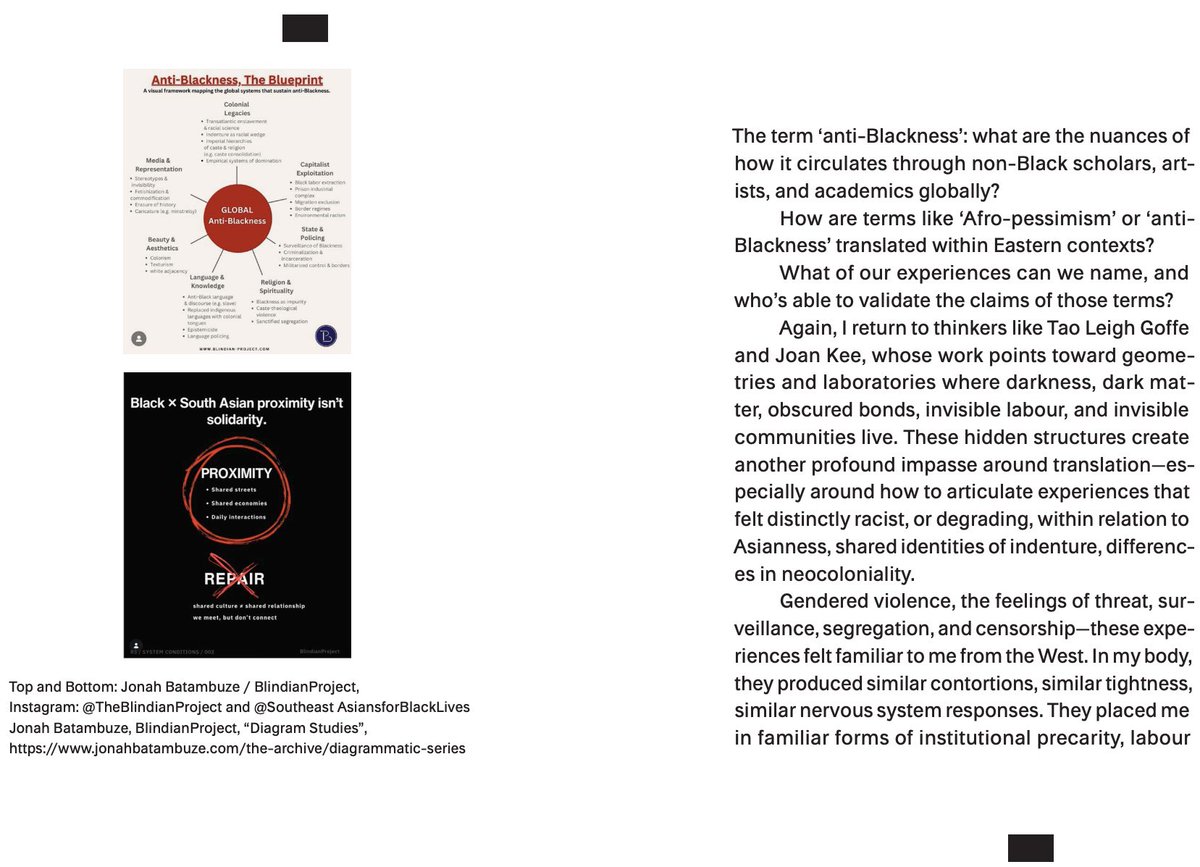
I began making these diagrams to visualise complex ideas for myself and the BlindianProject community.
They’ve become a way of thinking in public, tracing how power moves through everyday life.
Explore Diagram Studies:
https://t.co/FTj7pkBFVm
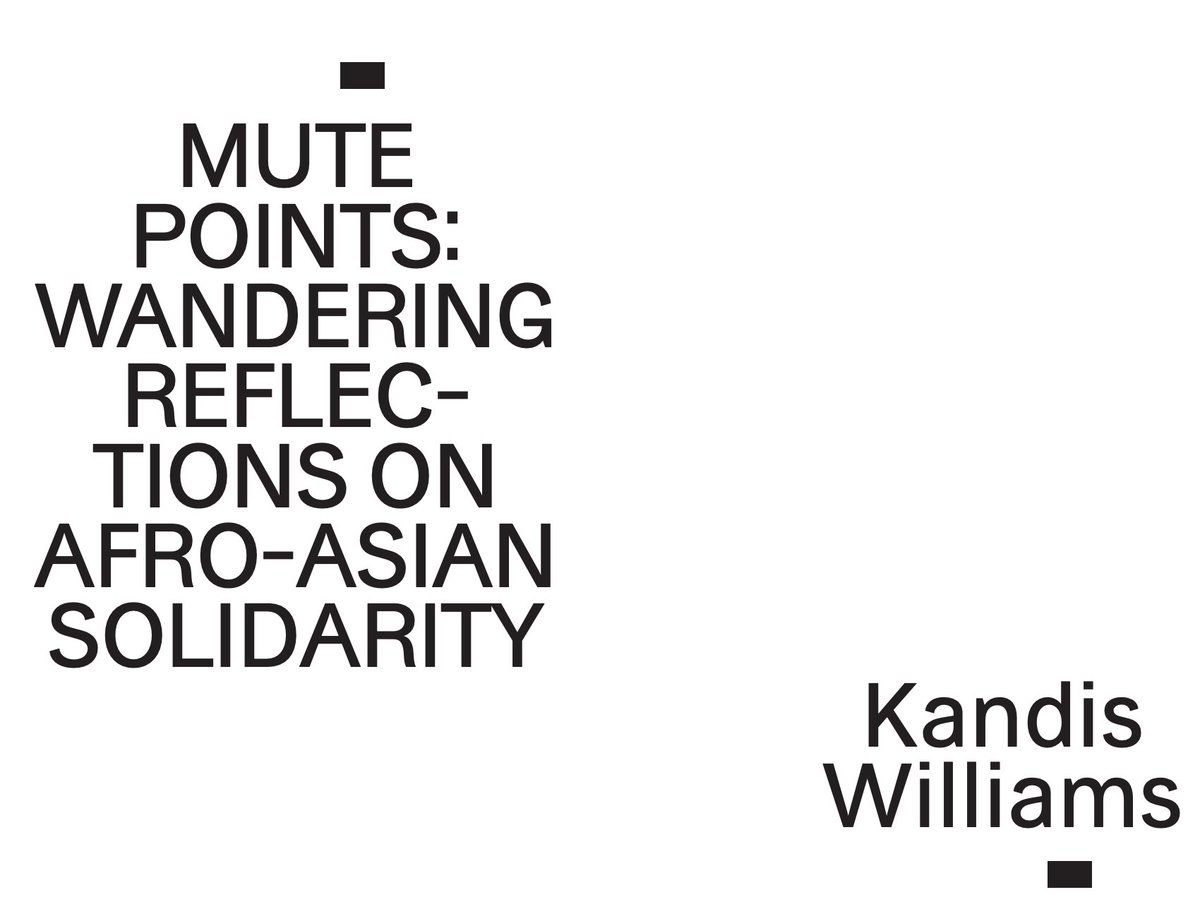
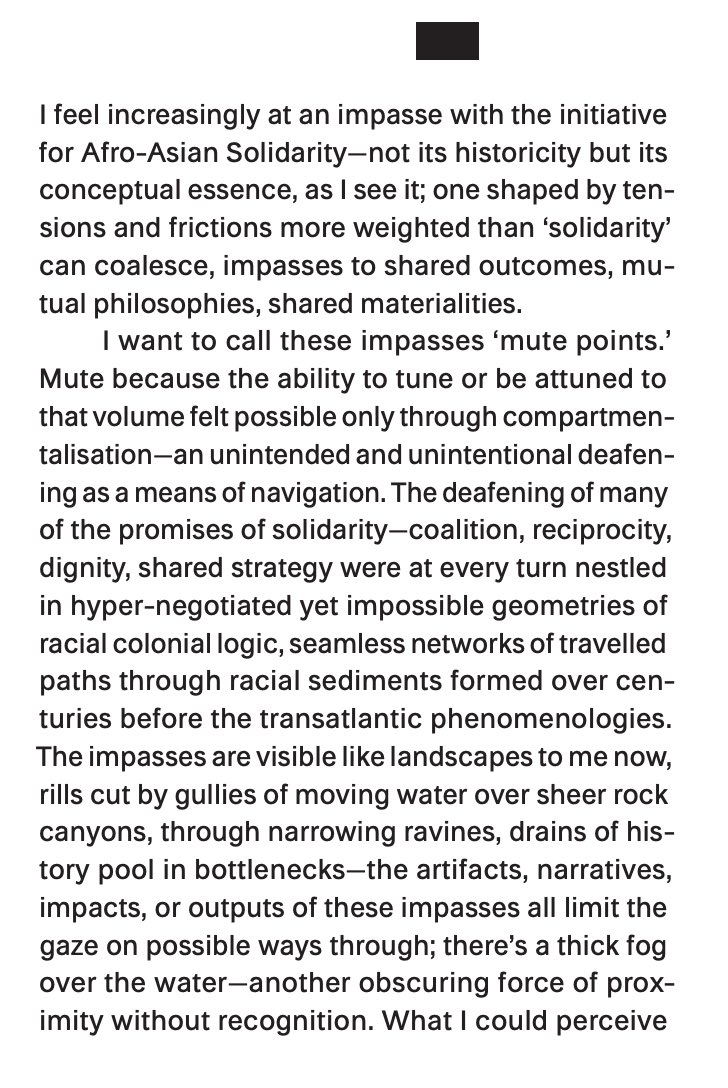
Two works from my ongoing Diagram Studies appear in Mute Points: Wandering Reflections on Afro-Asian Solidarity by Kandis Williams, published by Montez Press
An essay examining the tensions, contradictions and limits of Afro-Asian solidarity.
https://t.co/cZqpUuqzHv
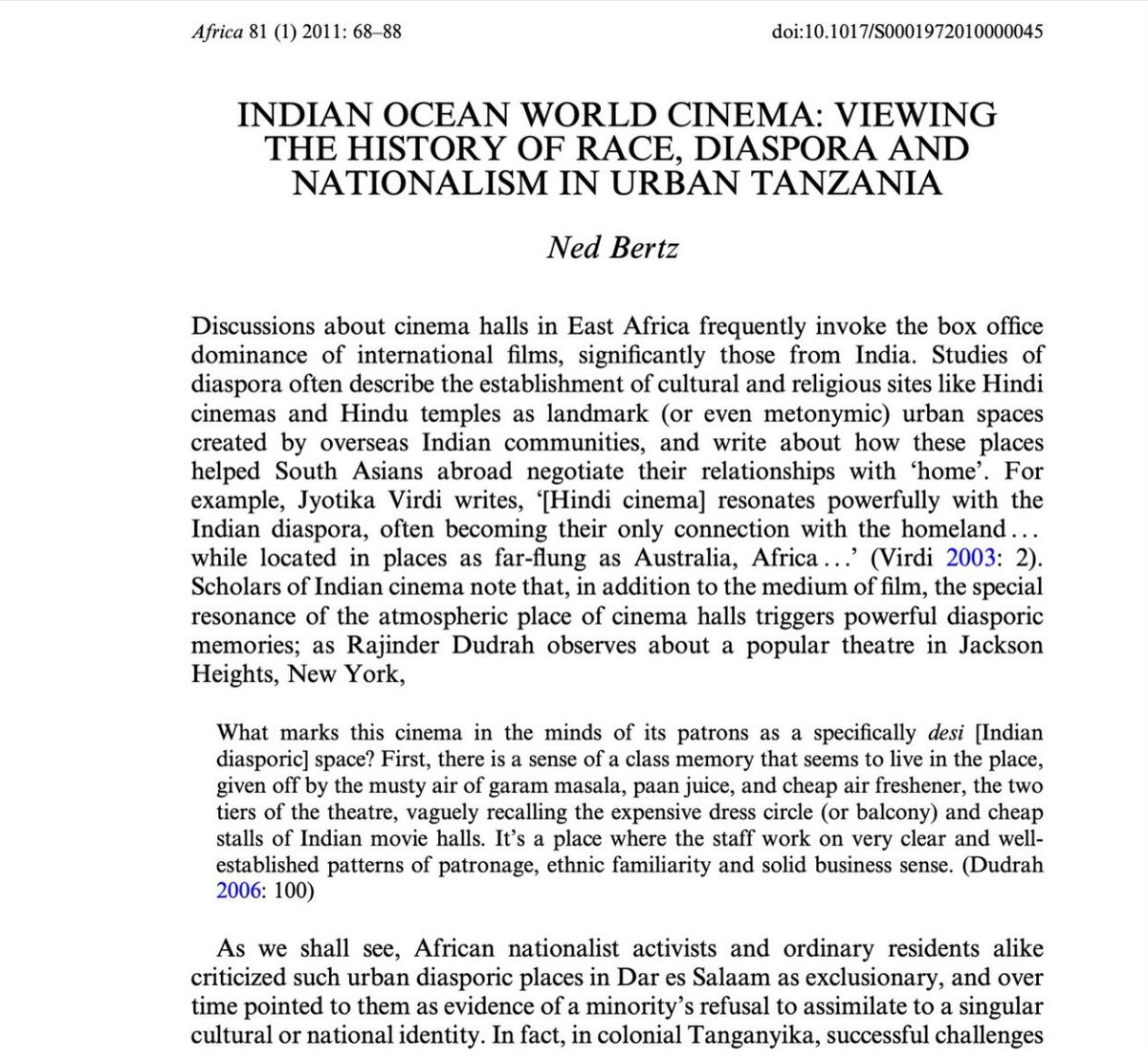
Reconstruction Lab · Reading 002
We’re reading @NedBertz on Indian Ocean cinema, race, diaspora and nationalism in urban Tanzania.
Read. Annotate. Think with us.
Come with questions. Leave something in the margins.
https://t.co/XWBEZxKs4B
A viral post about "wifey material" started the conversation.
The question of who gets close to whom turned out to be much older.
New Bandung Banter: WIFEY
MATERIAL ™
https://t.co/Ni17Z6gXHT
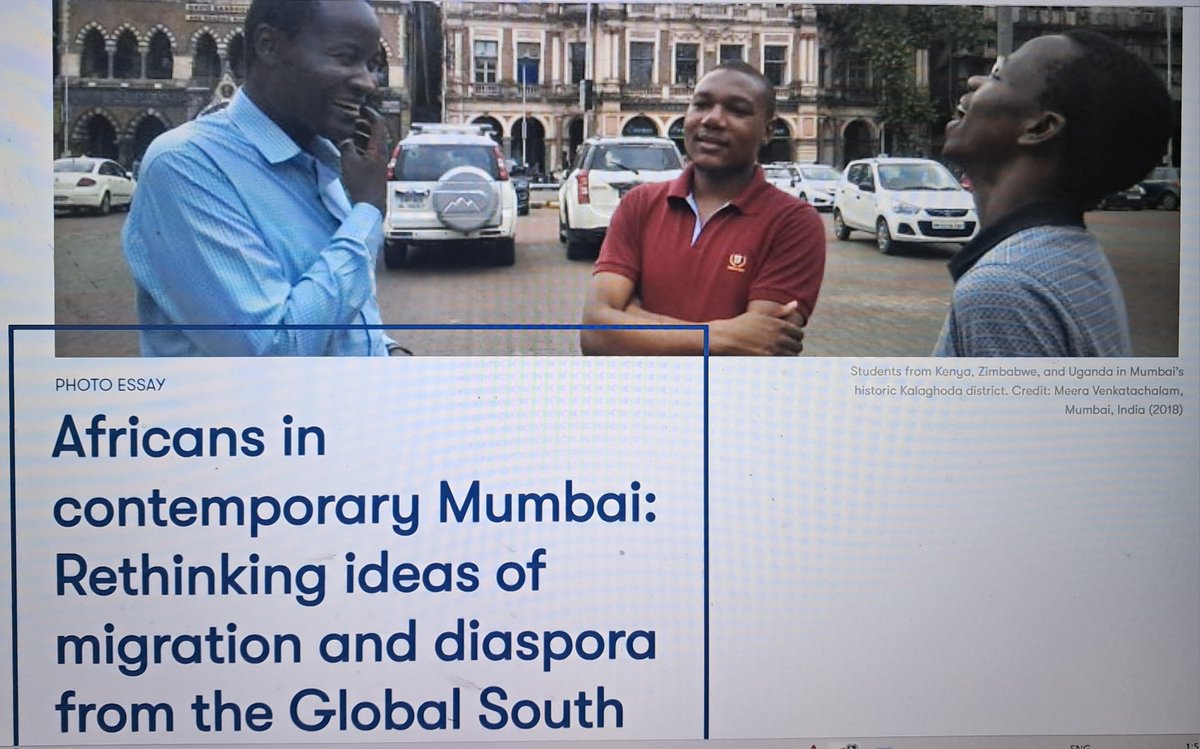
A short piece on a ongoing project which seeks to understand trajectories of recent African migration to Mumbai, and the contributions of Africans to the city's economic + cultural landscapes. Thanks to @AsianStudies@MIASA_UG for support https://t.co/1SyUDlyUL5
BLINDIANPROJECT ARCHIVE
EAST AFRICA COLLECTION — ENTRY 003
OBJECT TYPE: Formal Family Portrait
LOCATION: Kampala, Uganda
DATE: c. 1960s
SUBJECT: Serwano W. Kulubya
STATUS: Recovered from domestic family archive
—
Recovered from a family home in Nankulabye, Kampala.
Every few months, we're back having the same conversation about anti-Blackness.
A year ago, I started making diagrams to better understand those patterns and where they come from.
https://t.co/FTj7pkB85O
People often recognize a feeling long before they have language for it.
Sometimes a sentence or diagram simply makes an existing tension speakable.
Not closure.
Just language for what communities have carried quietly for years.
Kenyan Indians who've been following the conversation after @shikshaarora_ 's comments on the podcast
This is the time to listen. To be honest. To reflect deeply.
Proximity does not equal relationship
As excellently articulated in @blindianproject
https://t.co/Ptk5nI8UEq
Community screenings of Mathonga Elizwe (Spirits Of The Land) documentary about land restitution in South Africa. Providing a platform for people to talk about this pertinent matter in a land that still suffers from the legacy of colonial and apartheid brutal thefts. Spread it.
Last week we partnered with Dream Big Youth Foundation
and launched a campaign to build long-term infrastructure for this work.
Because this can’t rely on moments—it has to be sustained.
Learn more: https://t.co/WMbI7epGC7
Support: https://t.co/9oSbIXffV7
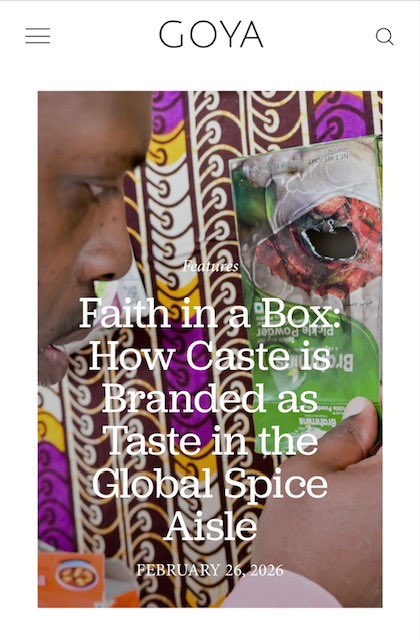
Faith in a Box is live with Goya
How does caste travel through packaging, branding, and the global spice aisle?
What is moralised on the plate often becomes normalised in policy.
https://t.co/VAJ5r4kKEv
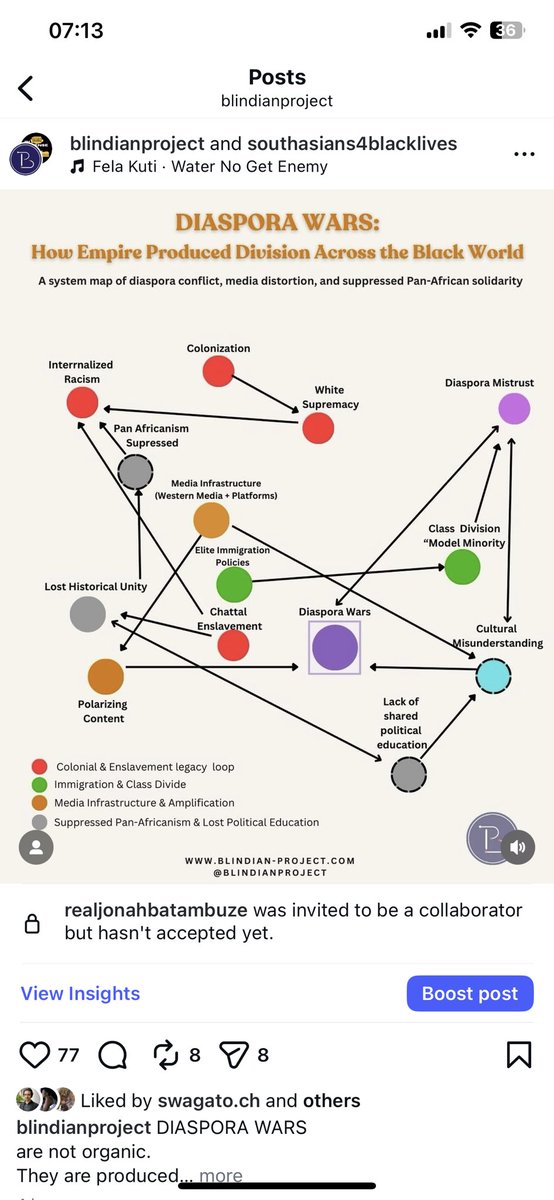
@Taravaggio Culture formed under rupture is still culture. When displacement is misread as absence, pride gets reframed as delusion. Diaspora wars often begin with a false premise: that Black Americans lack cultural legitimacy. That premise didn’t emerge organically.
It was produced.
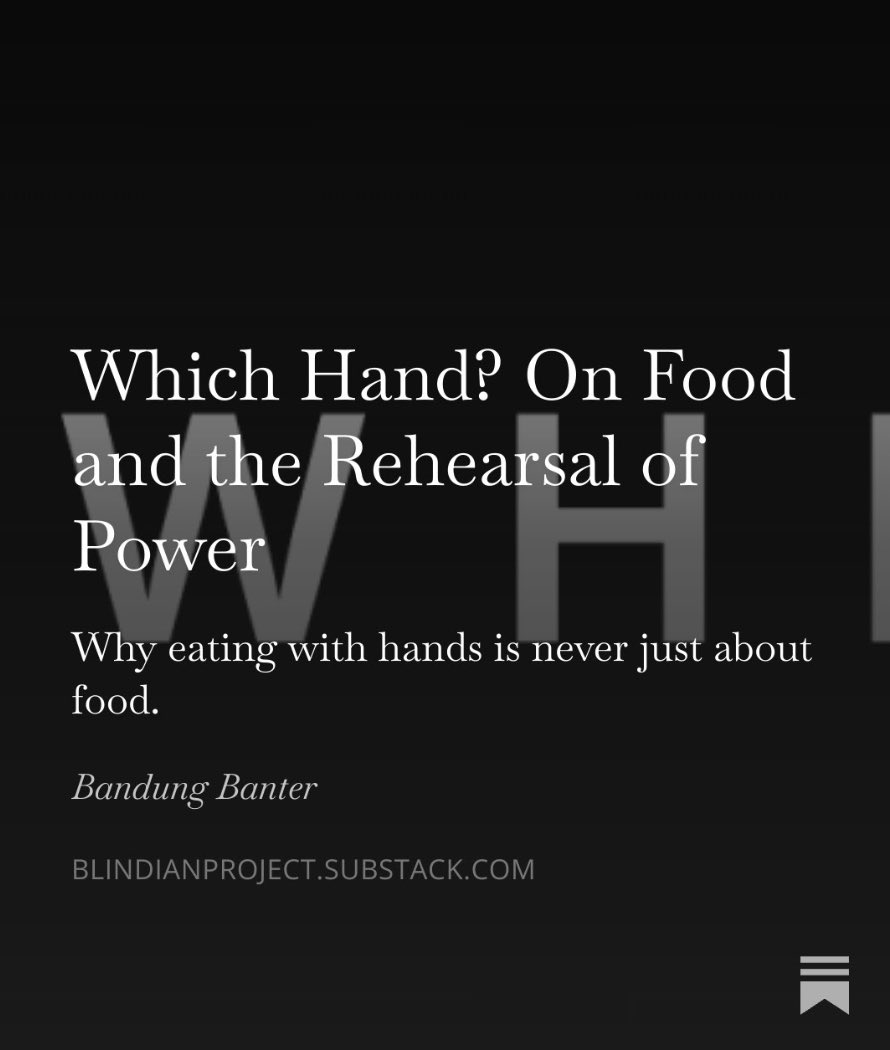
Which hand?
We talk about eating with our hands.
We rarely ask which hand.
Power enters the body before we have language for it. 👇🏽
https://t.co/qMECoyaxrW
What Southasian spaces lose when anti-Blackness goes unspoken and what past movements can teach us about widening the circle again.
https://t.co/rBHofhRdj8