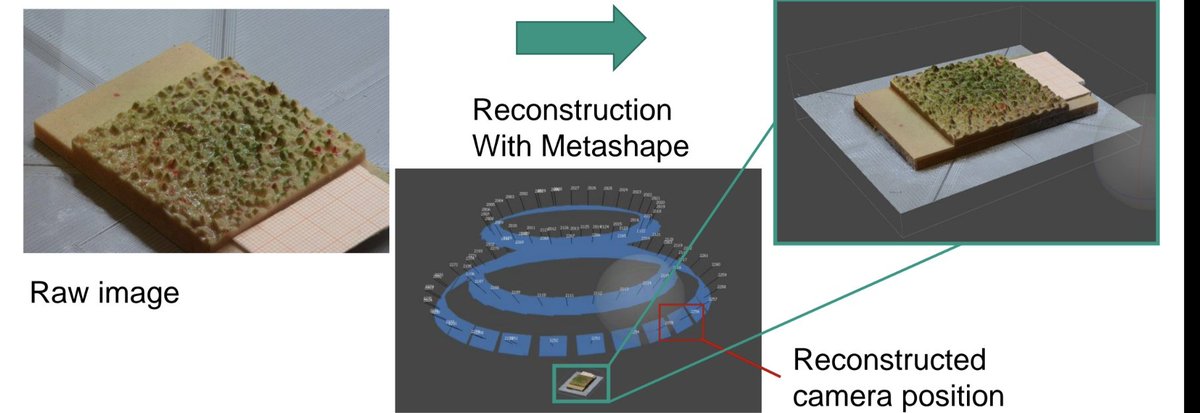
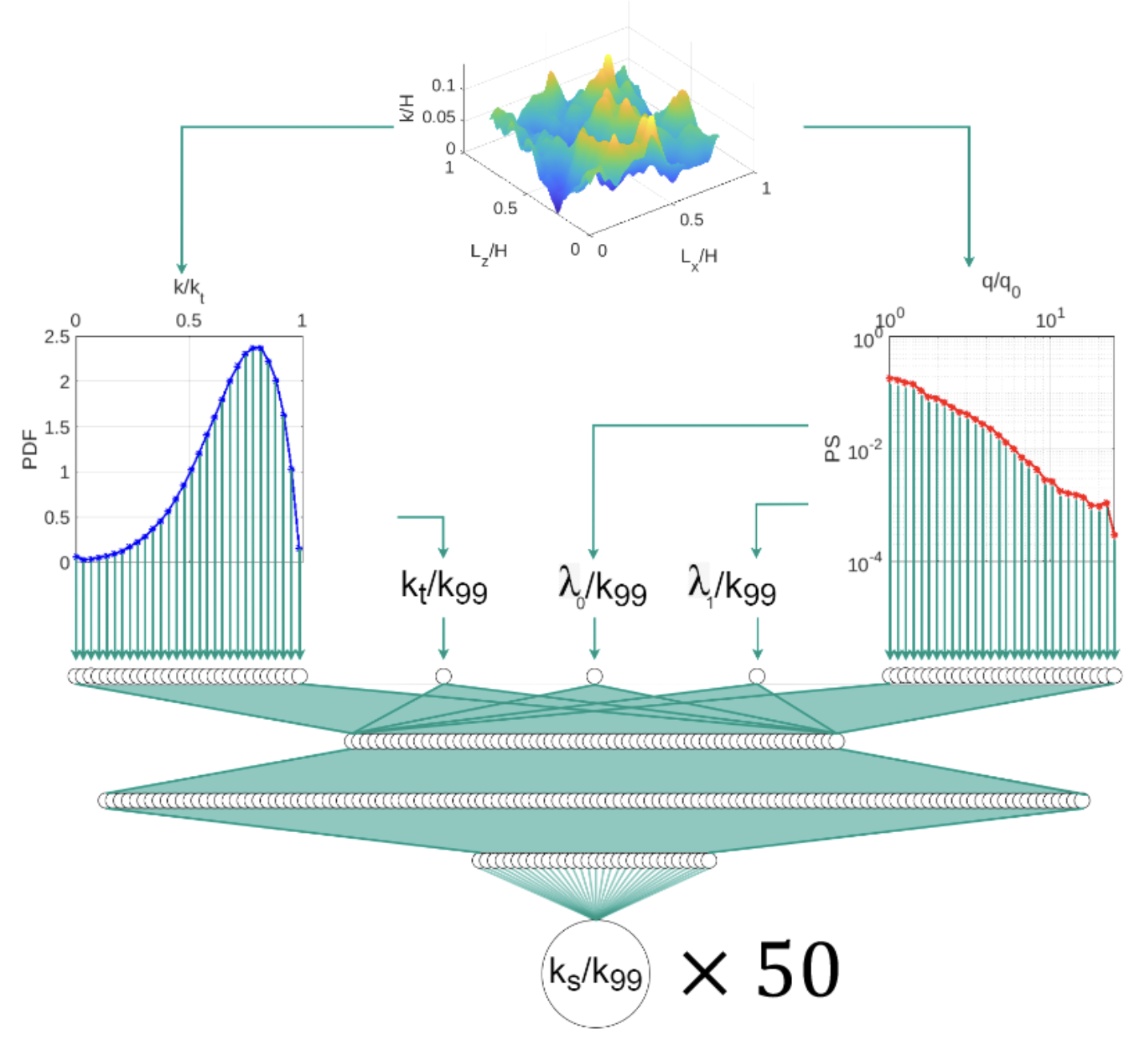
Our website with the ML-model for prediction of ks for rough surfaces went online: https://t.co/txbNpyv89w - you can try it out uploading your rough surfaces.
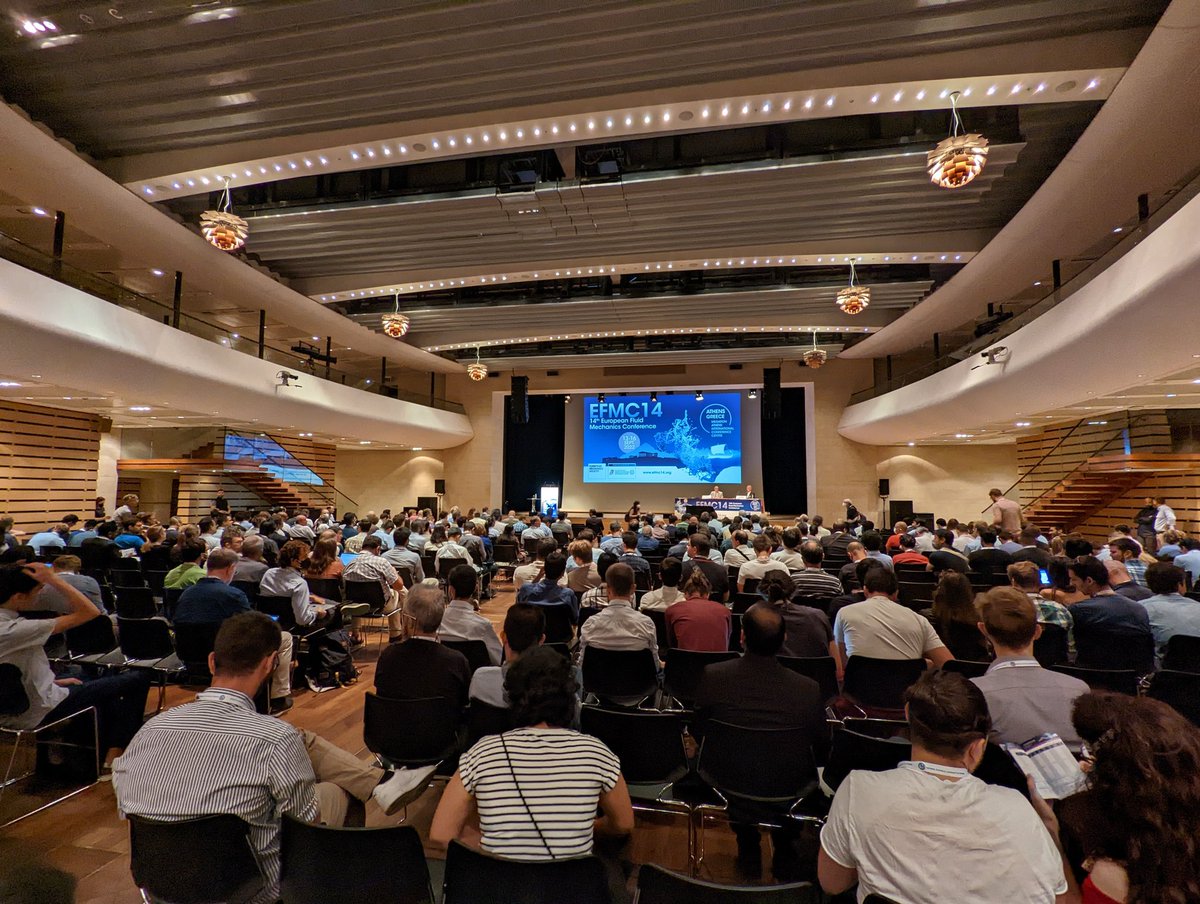
#EFMC14#ISTM#KIT
Another work of #istm#kit on the "Characterization of Turbulent Flow Over
Irregular Roughness: Experimental Measurement vs.
Numerical Simulation"
will be presented by L. von Deyn in the shear flows session of #EFMC14 on Thursday at 12:45. We will be happy to see you!
Please join our #EFMC14 talk "Predicting roughness-induced drag based on
active learning" by
Jiasheng Yang during the mini-symposium on shear flows
over complex surfaces on coming Wednesday, 14th at 18.45. We will present our newly released online ML-tool for prediction of ks!
So with our tool you can simply upload your 2D height distribution of the rough surface and get an estimation of ks from our ML-model. #EFMC14#roughness#MachineLearning#KIT#istm
@GBharathram We will present our first results on active learning approach for roughness effect prediction during the upcoming TSFP12 and EFMC14 later this year, so please join those talks if possible - would be great to have some feedback on that.
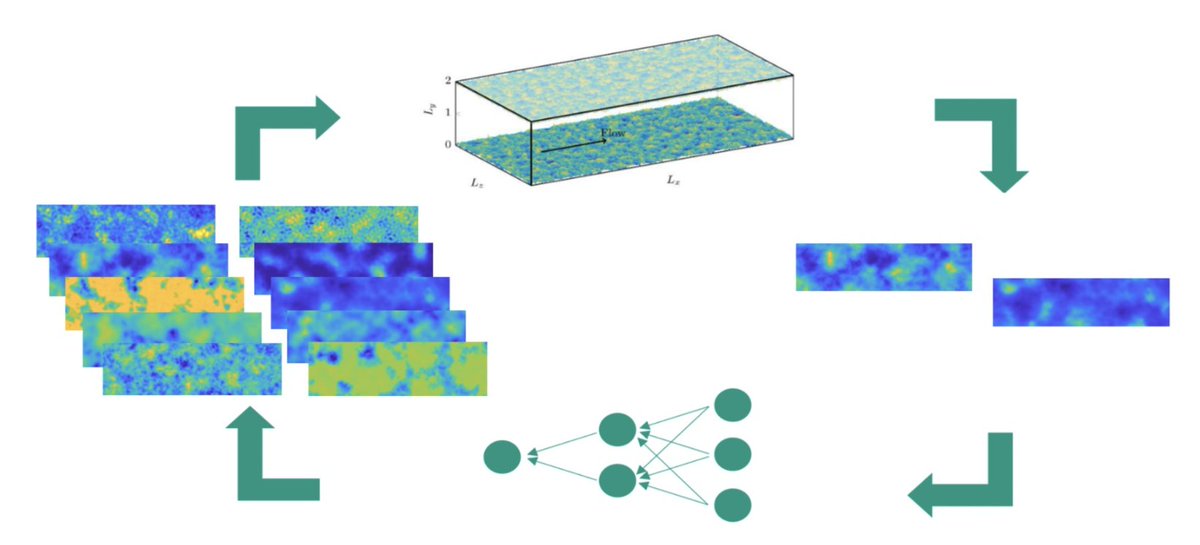
Our new paper on generation and simulation of roughness in minimal channels went online today!
https://t.co/GmnsjlsvGW
We demonstrate a set of tools for a cheap DNS of a turbulent flow over roughness. Next step: creation of a large dataset and doing some machine learning! 😉
It's great to see that we can print riblets for our wind-tunnel facility on an in-house SLA 3D printer with this precision! #formlabs#istm#kit#riblets#dragreduction
https://t.co/M5wHGxyl1V
Our new article on secondary motions of Prandtl's second kind went online:
https://t.co/x2HeC3M0Yx
Interestingly the motions are present not only in generic turbulent flow configurations, but also in non-equlibrium technical flows e.g. in combustion engines.
#kit#tudarmstadt
@GBharathram Yes, we plan to share the investigated rough surfaces with corresponding thermohydraulic flow properties on https://t.co/4MH4kRVjCj - this is an important step!
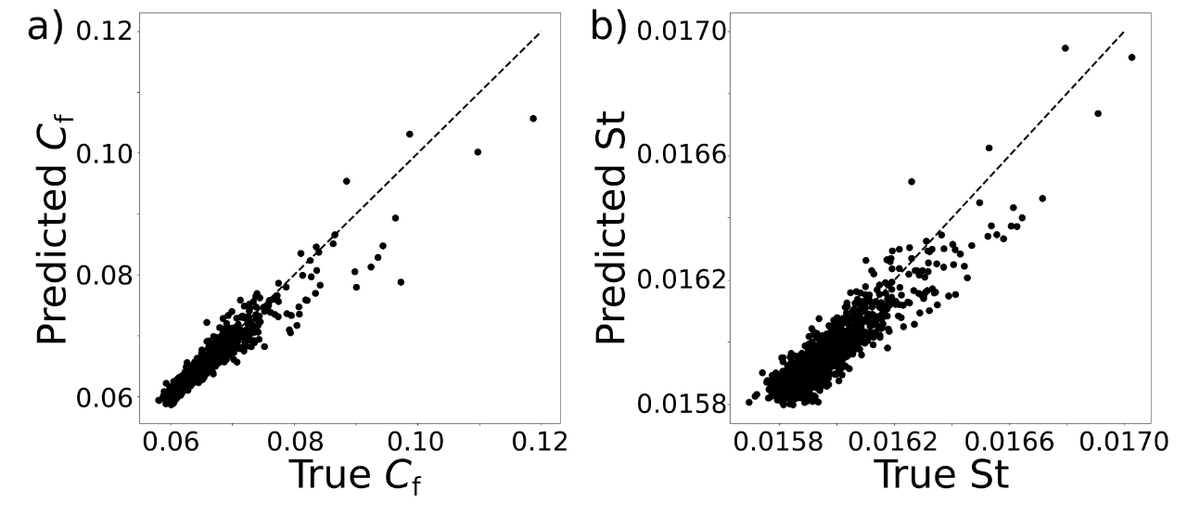
Check our new publication on applying transfer learning for prediction of roughness effects on turbulent flow:
https://t.co/ePaXRBtERK
#jfm#roughness#turbulence#MachineLearning
Take a look at our new publication where parametric forcing is used for roughness stripes modelling. This method allows the use of usual DNS resolution (instead of high-res IBM) and still properly reproduces
secondary motions formation and topology change. https://t.co/L7HO4uMlHg
Machine Learning has great potential for use in Chemical Engineering - here is our first preprint from work at @KITKarlsruhe with @MattSchniewind @blitz737 and @P_Friederich#AI#ML#KI https://t.co/9dPvq6qyLa
Reminder of two excellent researcher positions available in our Chemical Engineering/Machine Learning DFG project with Pascal Friederich (@P_Friederich) and Alexander Stroh (@blitz737)
https://t.co/6aU1g1JX97
https://t.co/rhrMSdsglj