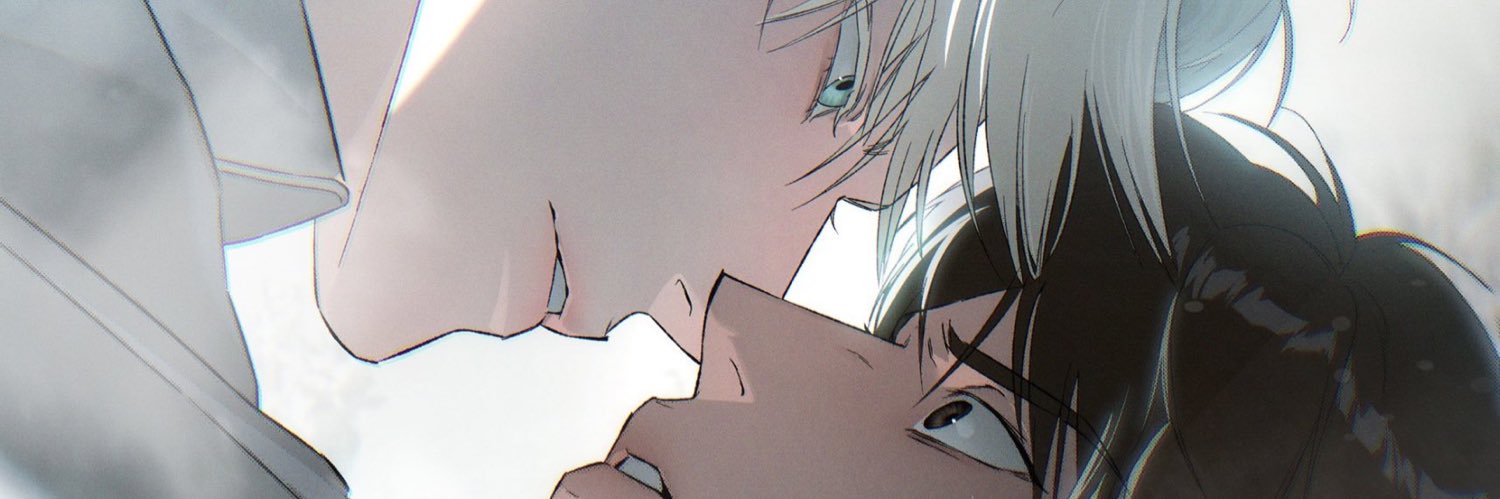
oh i feared the day would come where people attack others for shipping taekjoo and olga. guys... would it kill you to not give a fuck 🤔
#codenameanastasia
This entire argument is built on misinformation, racism, and pure cope.
1. “Japanese authors allow fan translations.”
No, they don’t publishers tolerate them temporarily or fail to enforce due to jurisdiction, scale, or cost. That is not permission. When Japanese publishers do enforce copyright, they shut sites down immediately. If fan translations were “allowed,” takedowns, lawsuits, and DMCA notices wouldn’t exist. Visibility without consent is still infringement.
2. “Koreans are bottom rung.”
That’s just blatant racism dressed up as media discourse. Korean webtoons dominate global digital comics right now Netflix adaptations, global licensing, official English releases, and billion‑dollar platforms like Naver and Kakao prove that objectively. Calling creators “bottom rung” doesn’t make piracy moral; it just exposes prejudice.
3. “Piracy helps anime/webtoon production.”
This myth has been debunked repeatedly. Production decisions are based on sales, licensing data, subscriptions, and official engagement, not illegal mirrors. Piracy may create noise, but noise doesn’t pay studios or creators. If piracy guaranteed adaptations, every stolen series would be animated which clearly isn’t happening.
4. “Webtoon artists are abused, so piracy is justified.”
Abuse by publishers is a real issue but piracy does not fix it. It removes leverage, reduces revenue, and weakens creators’ ability to negotiate better contracts. You don’t fight exploitation by cutting off the creator’s income entirely. That helps corporations, not artists.
5. “You enforce copyright because you can’t argue.”
Copyright enforcement is the argument. It’s a legal, ethical, and economic standard recognized globally. Calling it “falling in line” is just dodging responsibility for consuming stolen work.
6. “Americans laugh at you freedom means doing whatever we want.”
Freedom of speech is not freedom from consequences, and it absolutely isn’t freedom to steal. The U.S. has some of the strictest copyright laws in the world ask Disney, Nintendo, or the DOJ. Acting like piracy is protected by “freedom” just shows ignorance of how law actually works.
7. “You can’t stop piracy; copies will always emerge.”
True and irrelevant. Crime existing doesn’t make it right. Theft still gets prosecuted even though it never disappears. That argument has never been a moral defense for anything.
8. “Enjoy never winning.”
There’s no competition here. Creators keep producing, platforms keep licensing, and pirates keep rationalizing. The only thing “forever” is this cycle of entitlement pretending to be activism.
So no this isn’t about jealousy, nationalism, or obedience.
It’s about respecting creators regardless of nationality, rejecting racist hierarchies, and admitting the truth:
piracy is a convenience choice, not a moral crusade.
Own it, or stop pretending it’s something noble.
The legal vs illegal reading discourse is often framed as a simple moral choice. If you read illegally, you don’t respect creators.
If you read legally, you’re automatically on the right side. But that framing ignores how complex media access actually is.