Bloonics was established to both end the harmful criminalization of medical cannabis users, and advance cannabinoid science. We are developing the first system to detect impairment, removing error and subjectivity from the procedure.
Learn more at https://t.co/WWLIJEdl0D
@vanligfolkene Unfortunately, most of the tests being used on the road will detect THC for much longer periods than this-- sometimes more than a week after the person is no longer impaired. That's one of the problems we're hoping to solve at Bloonics!
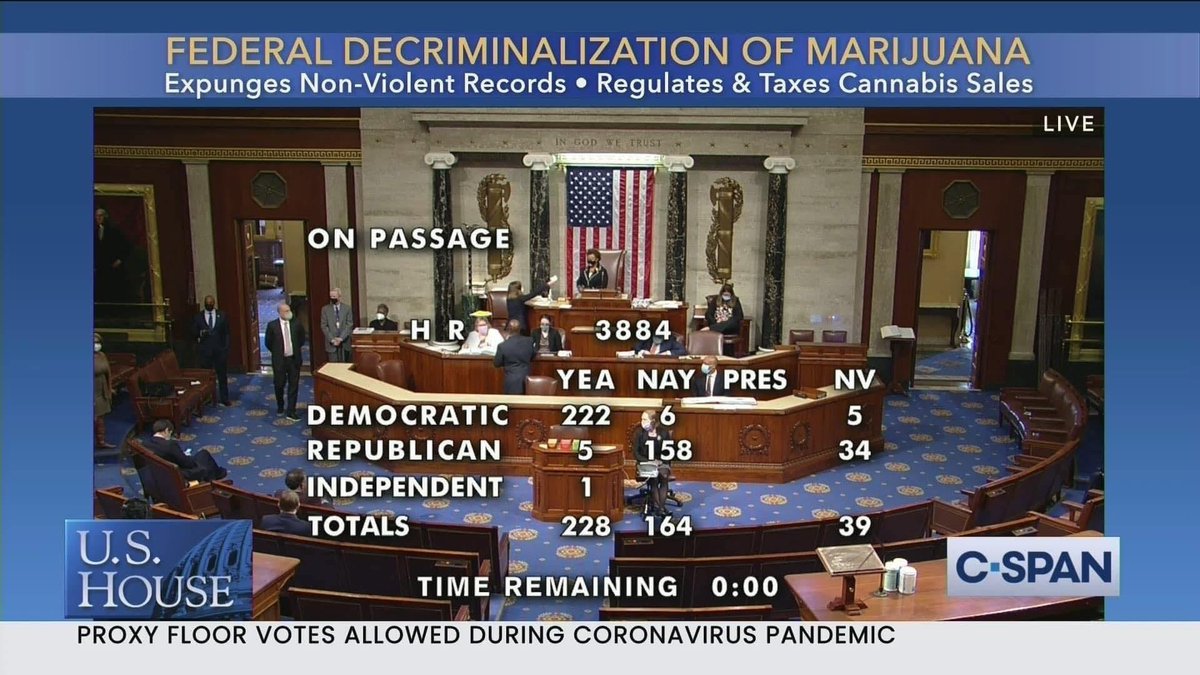
US federal cannabis legalization is inevitable.
Drug testing systems need to evolve with the law-- responsible cannabis users shouldn't be unfairly criminalized or penalized at work.
Learn more at https://t.co/8pwCu4JccY
Two years ago today, for the first time in US history, the House of Representatives passed a bill to end marijuana prohibition.
In the coming days, the Senate is expected to take up substantive reform efforts.
Success is hard but cumulative, and eventually we will win.
30% of police officers in the UK found to be unaware of medical cannabis laws.
We must update police training and systems for drug testing everywhere, to avoid unfairly criminalizing patients and responsible legal users: https://t.co/bK6nIA5xFV
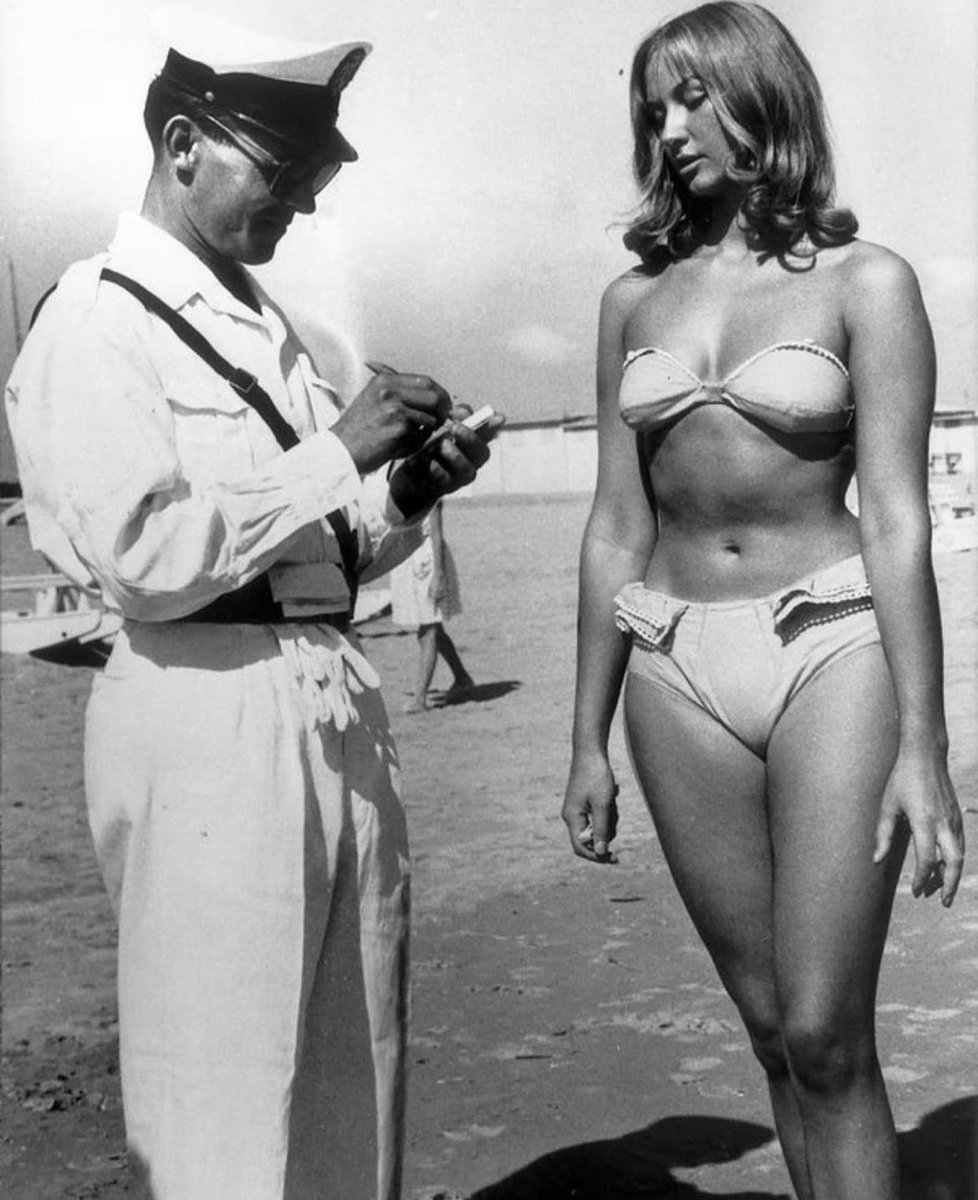
A medical cannabis patient being ticketed for taking their medication and driving unimpaired makes no sense, just like this woman being ticketed for wearing a bikini.
Learn about how we're working to change these systems at https://t.co/WWLIJEdl0D
Laws evolve with the times!
Even though cannabis is becoming increasingly legal across the world, most police are using outdated roadside testing systems that have the potential to unfairly criminalize legal and responsible users.
A police officer issuing a woman a ticket for wearing a bikini on an Italian beach, 1957. At the time the bikini was banned from beaches and public places on the French Atlantic coastline, Spain, Italy and Portugal.
It's unfair that responsible medical or recreational cannabis users face possibly being criminalized or penalized because of outdated drug testing regimes. That's why we're working to bring drug testing into the future: https://t.co/tWeL6FszRl
With both the US and Germany confirming further moves towards cannabis legalization in the same week, it's past time for governments, police forces, and workplaces to update their testing regimes https://t.co/88nyiiKuTg
With cannabis legalization already passing in Missouri and Maryland, cannabis use could soon be legal in over half the US!
It’s way past time we update drug testing protocols by police and employers.
https://t.co/PZgJfoeKDQ
We cannot in good conscience as a society allow outdated cannabis testing to impose such dangerous and unfair consequences onto patients.
This highly concerning research shows the potential volume of patients who face being stopped & arrested by police: https://t.co/QJsASDizpu
🚨NEW: The number of arrests UK police forces made for drug driving has more than doubled in the last four years.
@lisamdarvill explains what's happened and why we should be concerned:
https://t.co/8xsLed2n4t
We cannot in good conscience as a society allow outdated cannabis testing to impose such dangerous and unfair consequences onto patients.
This highly concerning research shows the potential volume of patients who face being stopped & arrested by police: https://t.co/QJsASDizpu
“If I’m an employer and I want the best for company and culture... I need to figure out and understand not only who my job seekers are, what they’re going through and how to let them know that this is the best company to work for.”
https://t.co/KlRRlAl0Oe
We totally agree, workplace drug testing policies and the types of testing used need to evolve.
Cannabis is becoming increasingly legal across the US and the world and these outdated systems are becoming obsolete.
As cannabis usage grows, so does the need for employers to revisit workplace drug policies.
Amen to this.
And, no -- "random" drug testing for #cannabis doesn't work, as it just means your employee used it within the last 2-3 weeks, that's not impairment
https://t.co/8OA4XM3cl5
As cannabis becomes more normalized, it's apparent that current drug testing regimes are not fit for purpose.
California prohibits employers from making hiring, firing & other employment decisions based on drug tests that don't indicate current impairment https://t.co/3OBzSZp5aC
An interesting move from @usairforce and a sign that employers everywhere must change their policies and testing regimes to fit changing cannabis laws and reflect the current workforce: https://t.co/kTkmuViDeZ
“No employee deserves to feel stigmatized and unsafe at work because of an outdated testing method."
This quote hits the issue right on the head. Cannabis laws are evolving, our methods for testing for cannabis must evolve as well. https://t.co/vpwePvelEO
🌿‘cannabis’ is not a single compound product but is known for its complicated molecular profile, producing a plethora of phytocannabinoids alongside a vast array of terpenes.
Have you heard of the 'entourage effect?'
https://t.co/LmJoUXBJ0e
A recent @MGC_Pharma study on CannEpil, which treats drug-resistant epilepsy, found that the medication was was safe for post-treatment driving.
However, cannabis patients using this could still fail inaccurate roadside drug tests still used by police: https://t.co/XAsgz4j0CS
The current regime for roadside drug testing in the UK must be updated to protect patients from being unfairly criminalised.
In addition, the current laws around medical cannabis and driving are evolving. Here's a useful guide from @CannabisHnews: https://t.co/jdO8PP3XR2
Even though this driver had stopped using cannabis a few weeks prior, a police drugs test showed he had 2.3mcg of Delta-9-tetrahydrocannabinol per litre of blood.
Inaccurate testing like this leaves medical cannabis patients up to unfair criminalization: https://t.co/K6Th2uNnwi