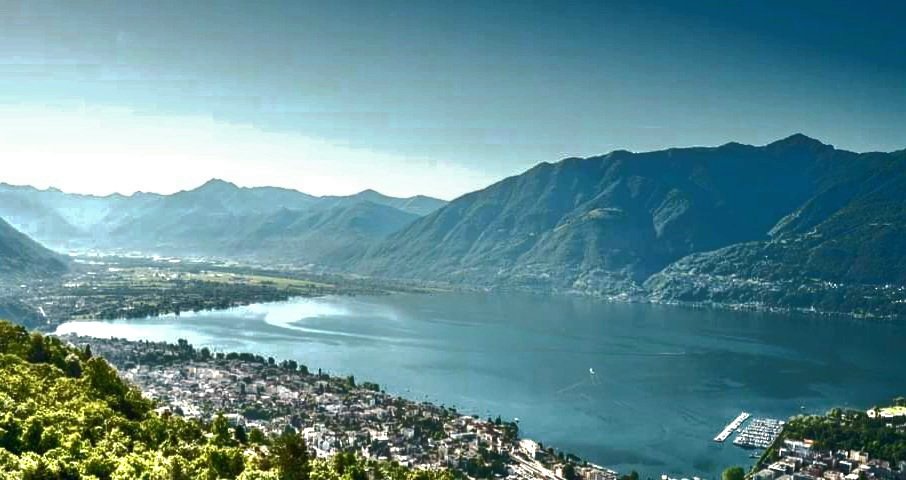
구름은 입 속의 혀처럼
청솔 같은 속내
모든 시름 달래며
내게 말한다
하늘과 땅이 갈라지던
태초의 여인으로
어디든 네가 쉴 곳이고
너의 집이라
한 계절 넉넉한 휴가로
내 너를 편히 쉬게 해주마 라고
산은 고갈된 내 가슴을/김윤진 중
월간문학 2002년 11월호
-노래를 부르면 그리움과 만난다
갈 곳 없이 길을 나서도
마음이 따사로운 것은
당신이 있기 때문입니다
강가 산책길 나란히
도란도란 속삭이는
대화가 고운
넉넉한 저녁 시간
적적하던 마음이
당신 때문에 행복합니다
당신만의 그대가 있잖아요/김윤진
*21.01.25 CBS FM 배미향의 저녁스케치
길에게 길을 묻다에 소개된 시
토요일에 알바 뛰었던 언니 몸살 나서 연차 냈다.
기내용 식판 세척하는 일이었는데
펄펄 끓는 물 옆에서 물 한 모금 못 마시며 8시간 일했다고.
일이 힘든 건 각오했지만 반장이라는 자가 툭툭 반말로 성질 부리고, 아무도 일 가르쳐주지 않고 핀잔만 주더래.
얘기 듣다가 내가 서러워서 울어버렸다.
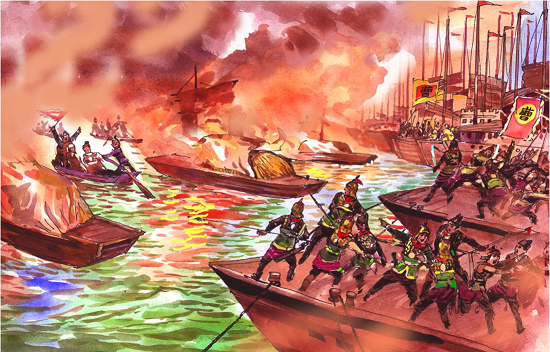
The Battle of Red Cliffs (also known as the Battle of Chibi) was a decisive battle fought in 208–209 AD between the forces of the warlords Liu Bei and Cao Cao in the late Eastern Han Dynasty. It resulted in a catastrophic loss of Cao Cao’s forces, who were far larger and better equipped.
At the time, the Han Dynasty was a mighty empire that had ruled over China for several centuries.
Cao Cao was a powerful warlord in northern China under the Han dynasty. Shortly after being appointed Duke of Wei, Cao Cao picked up arms under a mandate from the then imperial court to protect the empire’s northern provinces from nomadic steppe tribes.
In fulfillment of the imperial edict, Cao Cao expanded the empire northwards instead of defending passively. By 208 AD, Cao Cao had conquered most of the northern provinces.
Following his resounding victory in the northern provinces, Cao Cao turned his attention south, intending to replicate the results of his northern campaign and unify China in one fell swoop.
In response to Cao Cao’s advance, the southern warlords, commanded by Lou Bei, formed an alliance army to block Cao Cao’s advance. The two sides met in a naval battle at the Red Cliffs, located on the south bank of the Yangtze River in western Hubei and eastern Chongqing.
This battle involved hundreds of thousands of warriors, making it one of the largest in naval history.
Even though Cao Cao’s forces far outnumbered those of his adversaries, most of his troops were infantry and cavalry with little to no maritime experience. As a result, the imperial soldiers subsequently became seasick, rendering them unfit for battle. Cao Cao decided to combine all the naval vessels to overcome this dilemma.
Unfortunately, while Cao Cao’s not-so-bright enlightenment helped address the army’s seasickness problem, it also created a new one that would prove catastrophic later on. With all the ships linked together, the whole imperial armada was sitting ducks, highly vulnerable to enemy attacks.
More versed in maritime warfare and perceiving such an apparent weakness, the southern allied forces assaulted the imperial armada by feigning surrender.
Unfortunately, the ‘surrendering’ ships were kamikaze warships loaded with flammable materials. The kamikaze ships rammed into the imperial armada, igniting it. Cao Cao’s entire fleet burnt down, and the fire spread to his camp on the land, devastating the imperial forces.
Cao Cao was eventually forced to retreat. However, the imperial army’s loss at Red Cliffs allowed the allied forces to gain ground. It ultimately culminated in the split of China into northern and southern halves, with the Yangtze River Valley acting as the border.
If Cao Cao had not decided to tie all of his boats together, the cultural and political schism that would plague ancient China for years could have been averted.