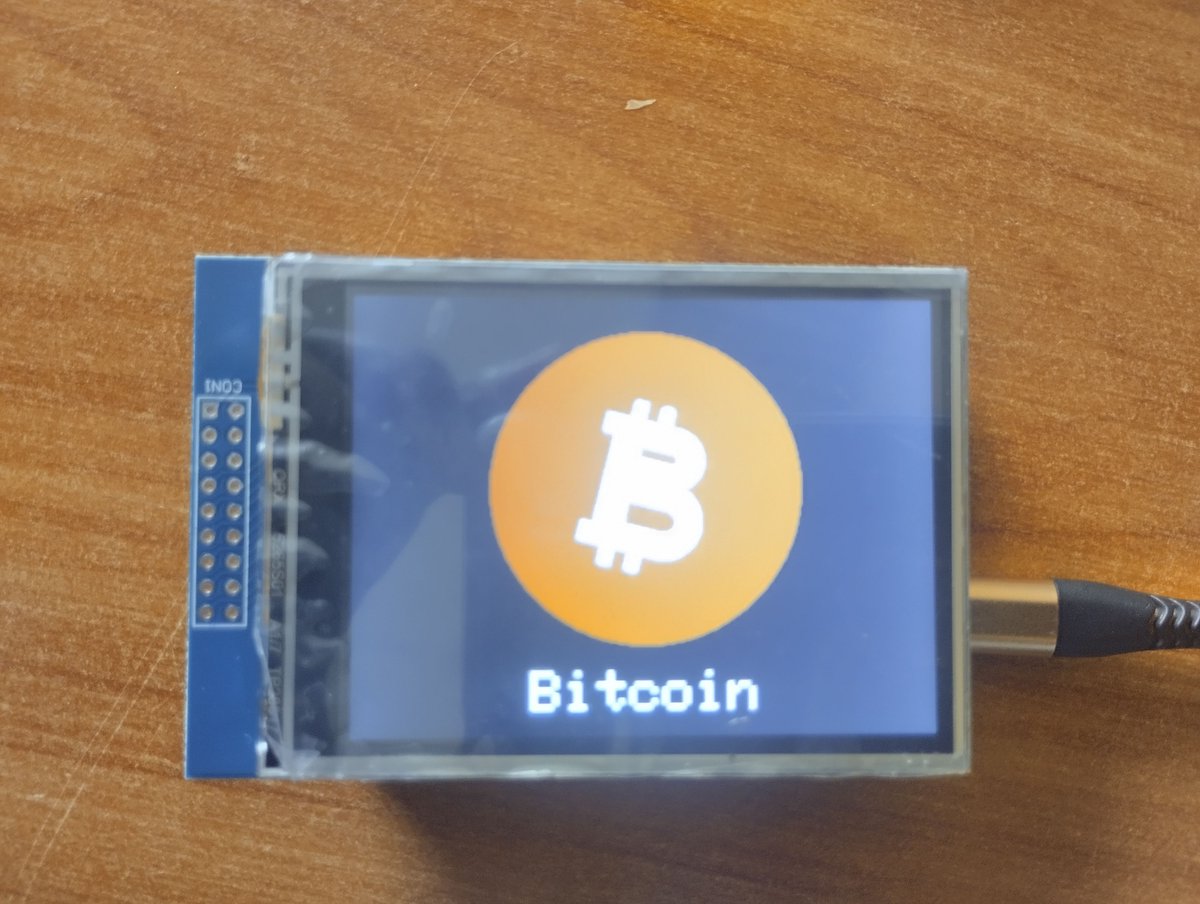
Here's the display that I will be using for my #Bitcoin hardware wallet. It is a 2.8" TFT touch display, so it will be doubling as the user interface instead of physical buttons.
I've managed to display the Bitcoin logo on it as I think of the UI elements that I'll be using.
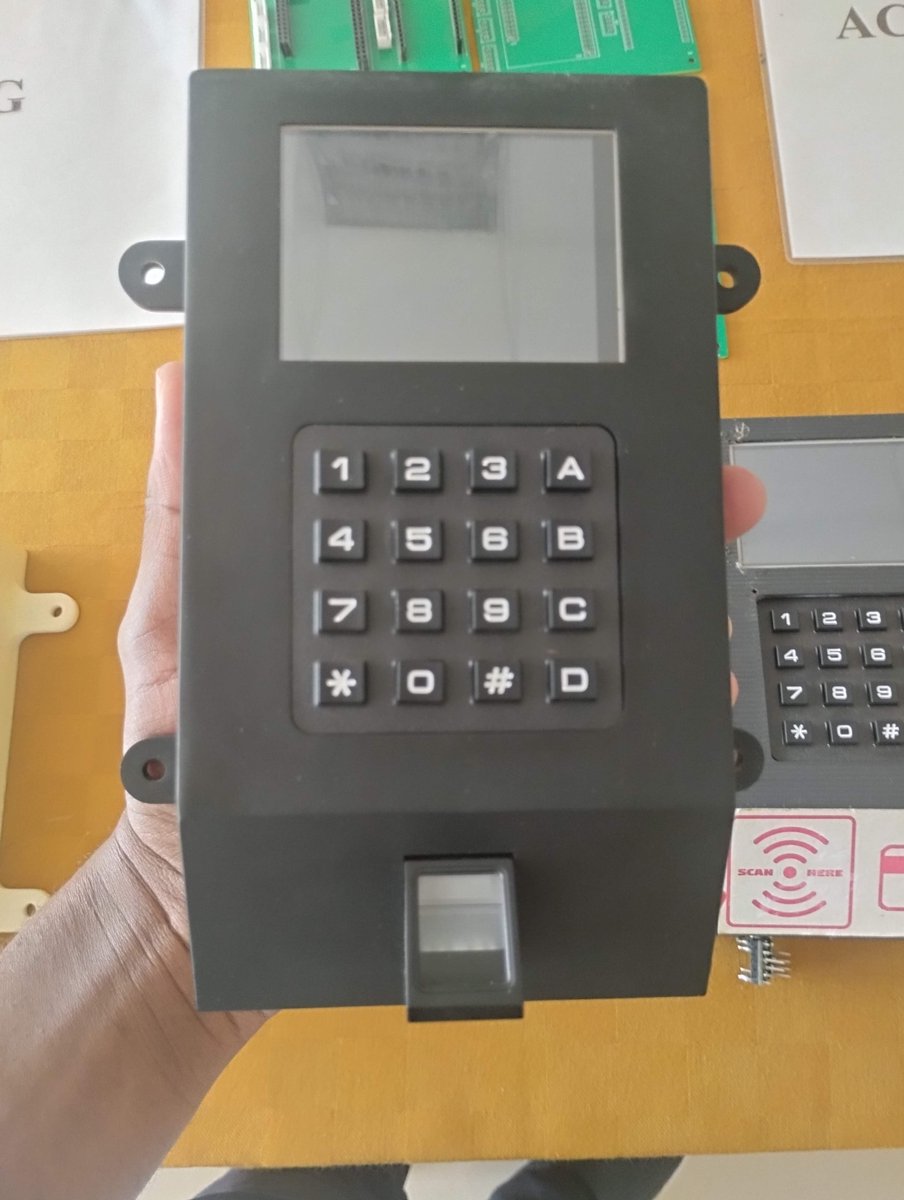
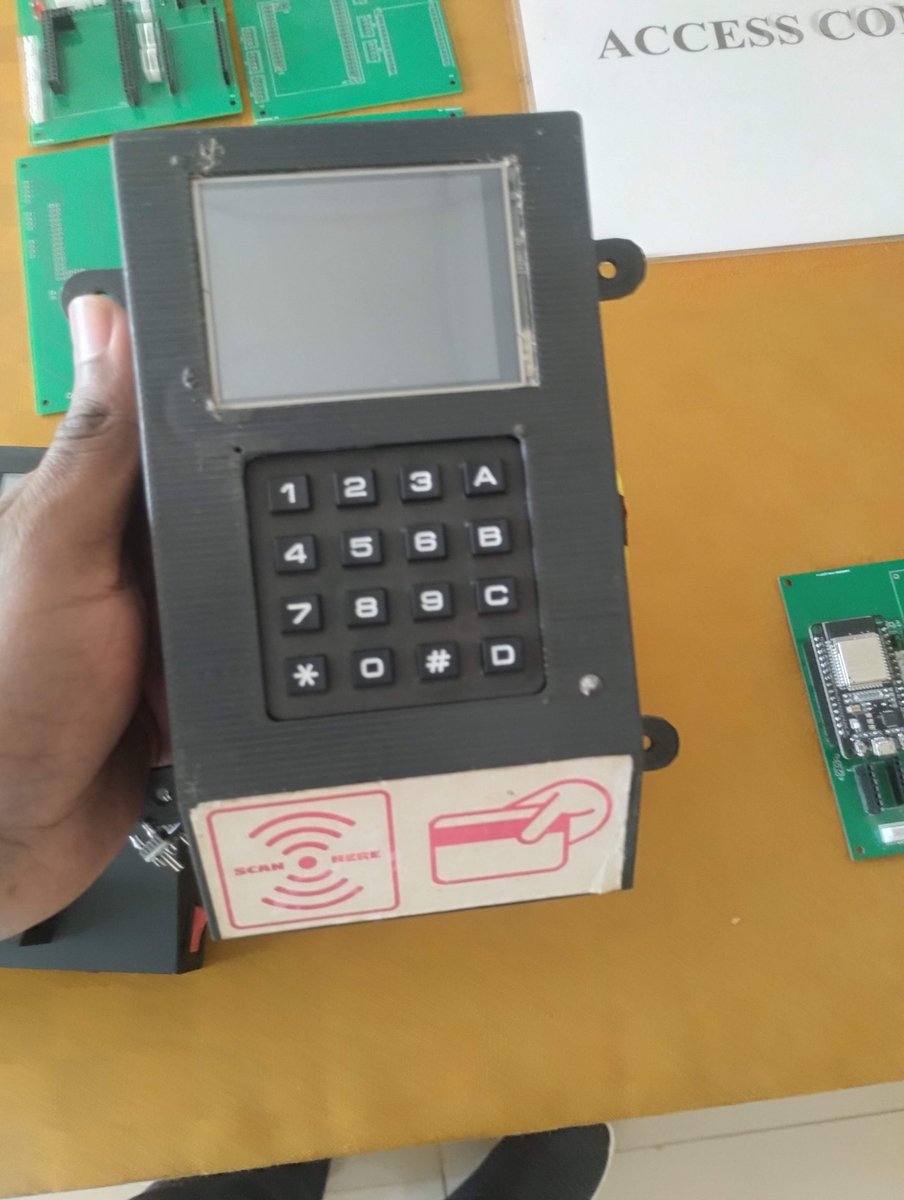
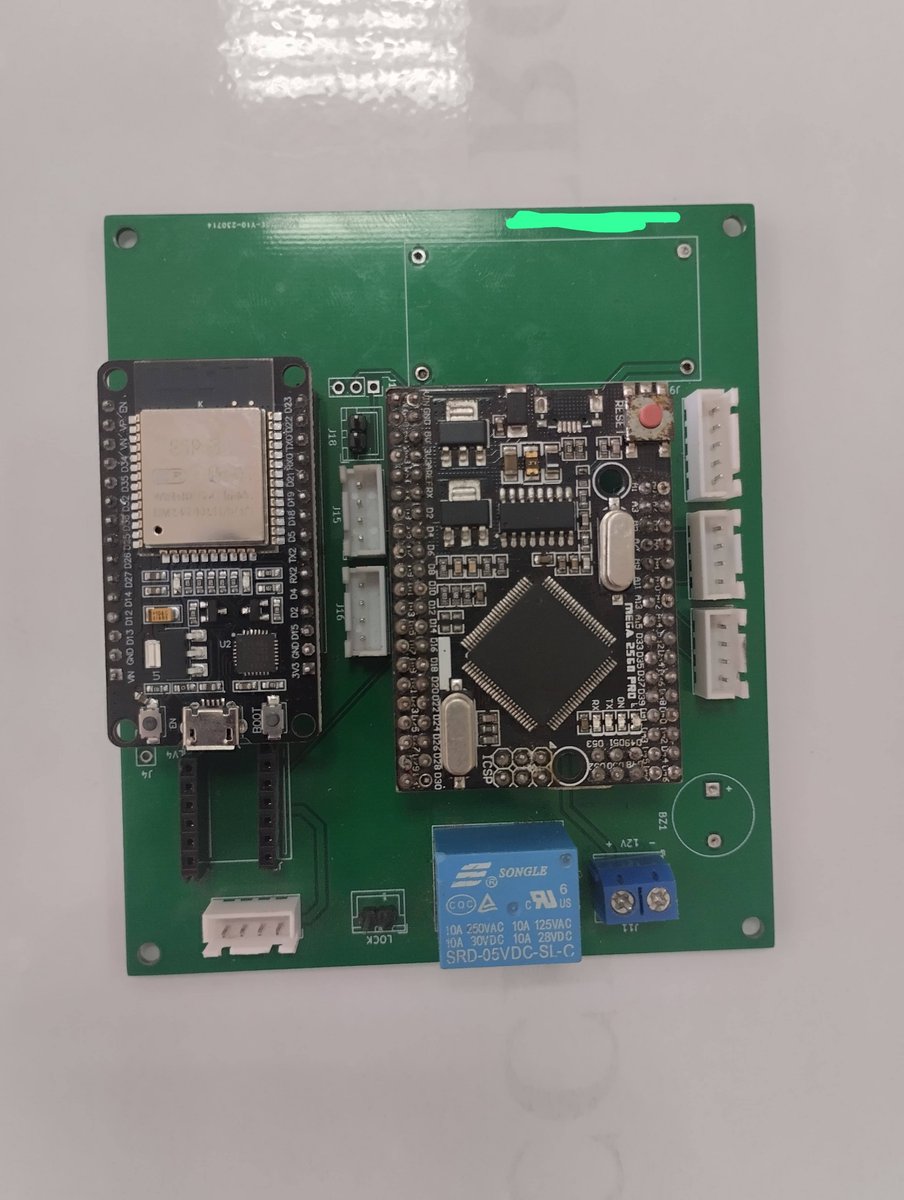
1/10 Over the last couple of weeks, I’ve been involved in developing this fingerprint access control system, from prototyping, PCB design to final assembly. It got me thinking, since I have these skills, why not make my own #Bitcoin hardware wallet from scratch? Here’s my plan:
10/10 I'll also be leveraging a number of open source technologies to accomplish this. If you have any suggestions on how I can best approach this project or maybe have some useful resources, kindly, feel free to share!
1/10 Over the last couple of weeks, I’ve been involved in developing this fingerprint access control system, from prototyping, PCB design to final assembly. It got me thinking, since I have these skills, why not make my own #Bitcoin hardware wallet from scratch? Here’s my plan:
9/10 These will be a personal challenge to me as I put my theory knowledge on Bitcoin and electronics to practice. The projects will be open-source on GitHub and will give occasional updates here as well as in my personal blog at https://t.co/eXQ5aXQIeo.
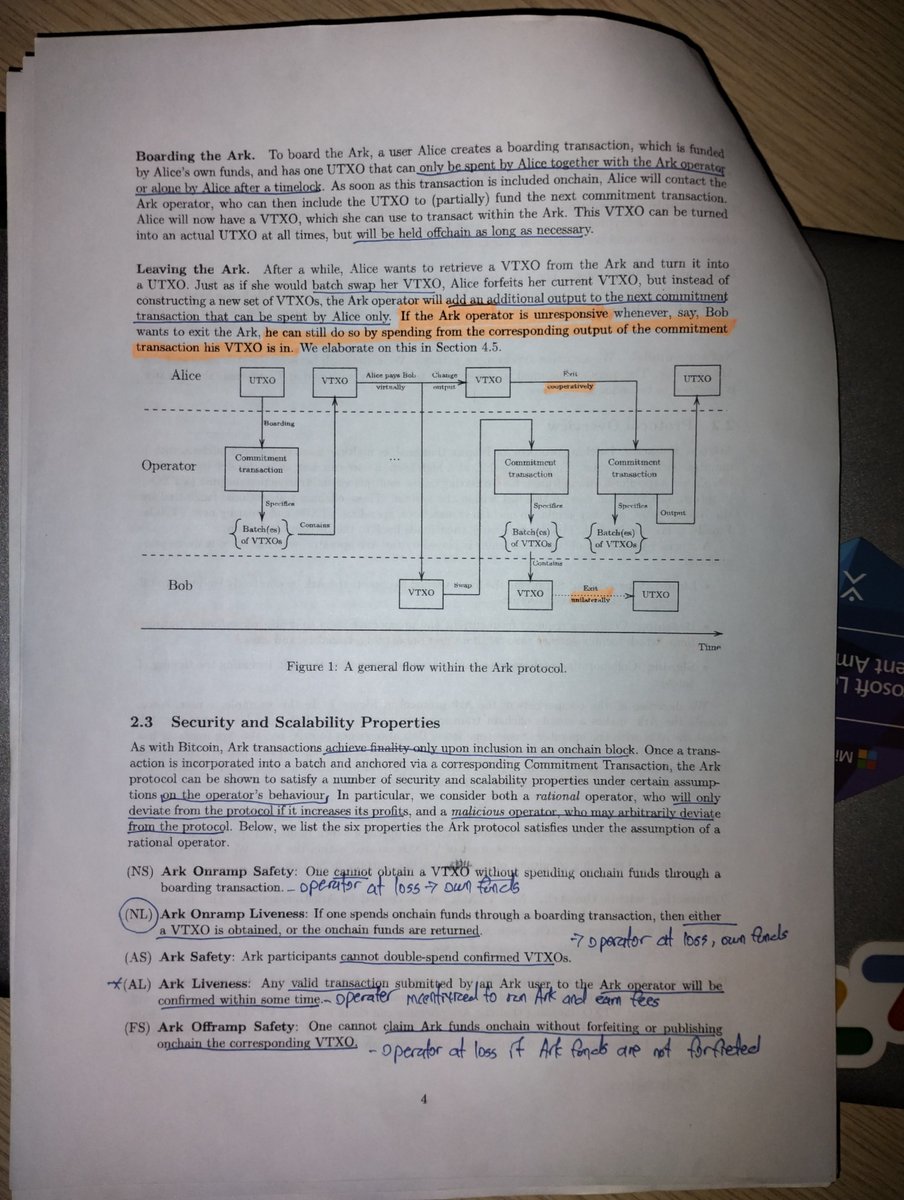
👑 @bmuchai254 has been a massive help improving @arkade_os Rust docs and code snippets, as well as identifying missing or poorly documented features across our SDKs (they're custom built per platform, so not 100% consistent)
Been contributing to @arkade_os for the past months after being introduced to #Bitcoin by @summerofbitcoin this year. I've learned a lot and appreciate the work being built here. Thanks to @gringokiwi, @tierotiero and @MrKukks for the support.
Logs: https://t.co/AyPRfio40M
It's been fun organizing this event together with @ahimbis07260494, @Blockchaindekut and Yvonne Mukami.
It was especially fun hosting an introductory session to #Blockchain and #Web3 during the event. I do believe that this is the future and we should all embrace it 🚀
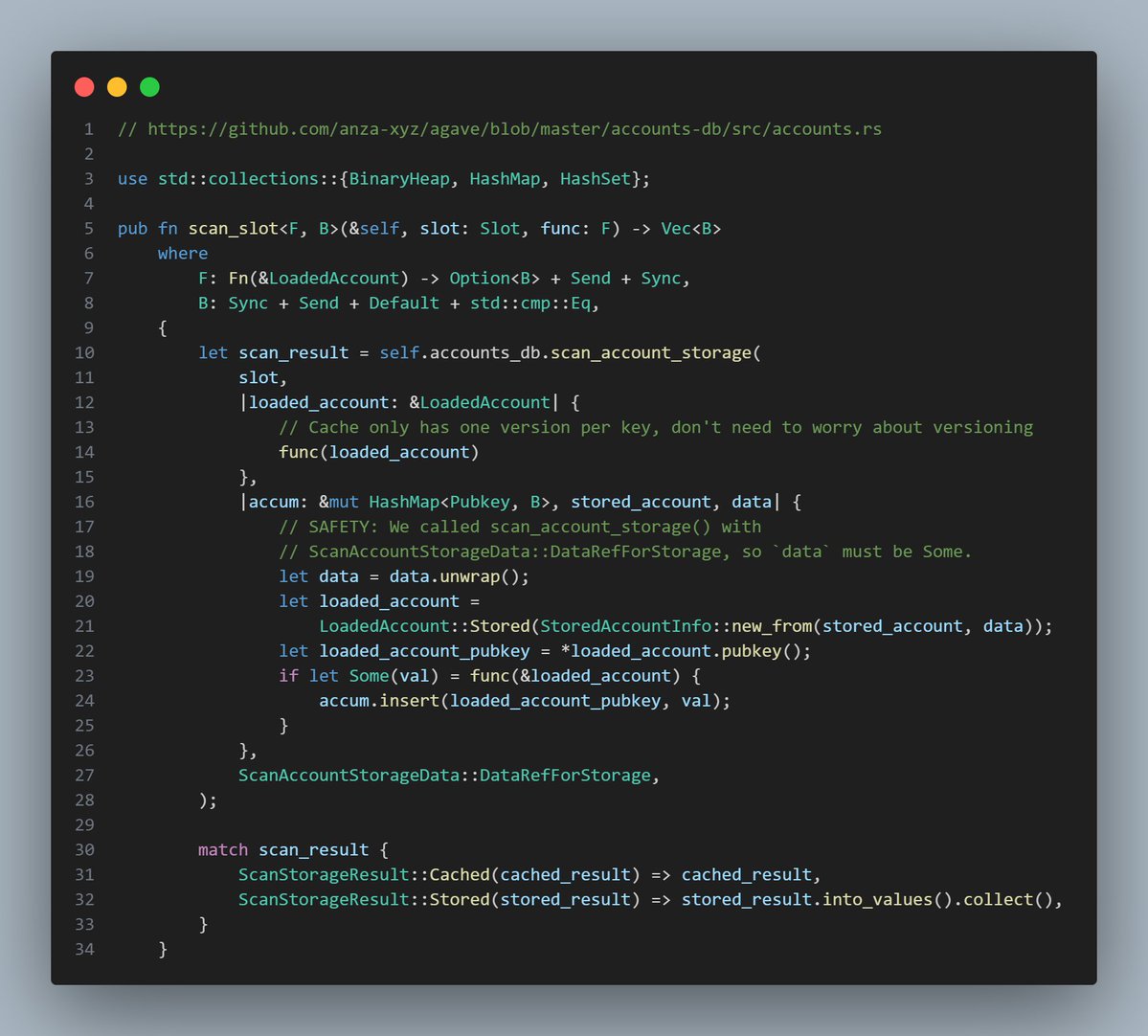
1. It ensures de-duplication of accounts -- no two accounts with the same public key can be entered into the hashmap, only the most recent will be entered.
2. 𝘊𝘰𝘯𝘴𝘵𝘢𝘯𝘵 𝘵𝘪𝘮𝘦 𝘖(1) is used for lookup of duplicates and insertion, making the whole process super fast.
I'm currently on a journey of learning #DataStructuresandAlgorithms and what better way to supplement that knowledge than to check out their implementation on the
@solana
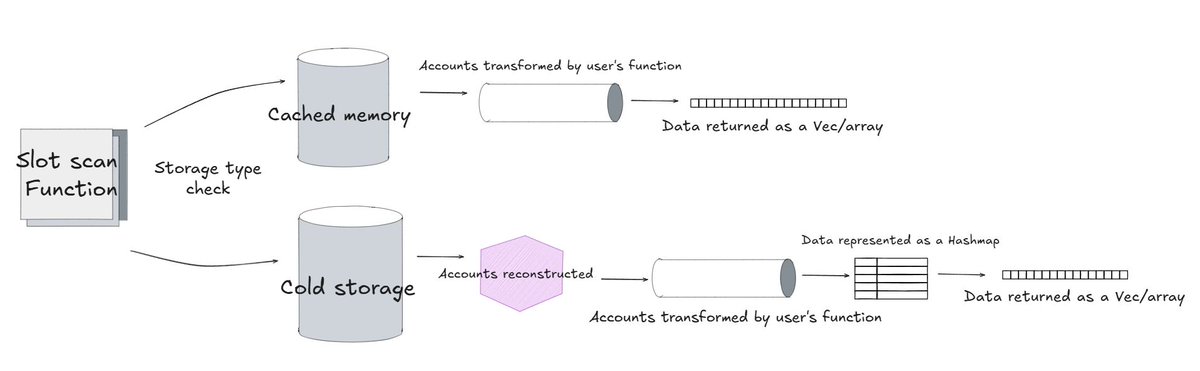
source code. I noticed that #hashmaps were used ingeniously in this function below:
🧵
There are slightly different routes on how the accounts are manipulate, depending on where the accounts data resides. If the data was from cold storage, it is first converted to a #hashmap after transformation. Why? That's the ingenious part...