#BREAKING: The Central Bank of Iraq has pushed back against media reports of unbacked currency printing, clarifying that its use of Treasury bill discounting is a routine, asset-backed liquidity mechanism and stressing that permanent money printing remains strictly prohibited under Iraqi law - statement
Reaffirming its commitment to stabilizing the Iraqi dinar (IQD), the CBI stated its core focus is managing monetary policy, not funding public spending. The bank also called for broader fiscal reforms to build financial buffers against highly volatile oil cycles.
Iraqi Prime Minister’s Financial Advisor Mudher Mohammed Salih confirmed on Saturday that the government, led by Prime Minister Ali al-Zaidi, has implemented key measures to safeguard the Iraqi dinar’s purchasing power and curb inflation.
Salih told state media that financing imports through official banking channels using foreign currency reserves has helped stabilize domestic prices and limit the influence of the parallel market.
In an exclusive statement to Channel8, Myles Caggins explained that, following the ceasefire between the United States and Iran and the temporary easing of regional tensions, companies had quietly begun to restart their operations.
Read more: https://t.co/Rp79r1o0Gz
The Prime Minister expressed optimism that this coordinated move would resolve a significant portion of the ongoing disputes. He reiterated that the KRG remains fully committed to fulfilling its own obligations and playing a constructive role in the process.
Read more: https://t.co/5a7bYvH5DO
The process of resuming the Kurdistan Region’s oil exports is getting underway, with Baghdad declaring its commitment to protecting the fields and guaranteeing safety for foreign companies.
Read more: https://t.co/YxOtBdNdAC
The Iraqi General Customs Authority announced a significant surge in revenue, reaching nearly 1.5 trillion dinars, which it attributed to the implementation of the country's new customs system.
Read more: https://t.co/KESL2siR6z
Iran on Friday said messages are still being exchanged with Washington, “but no final understanding has been reached,” after US President Donald Trump said the US will lift its naval blockade on Iranian ports and laid out a set of conditions that must be met to advance toward a deal
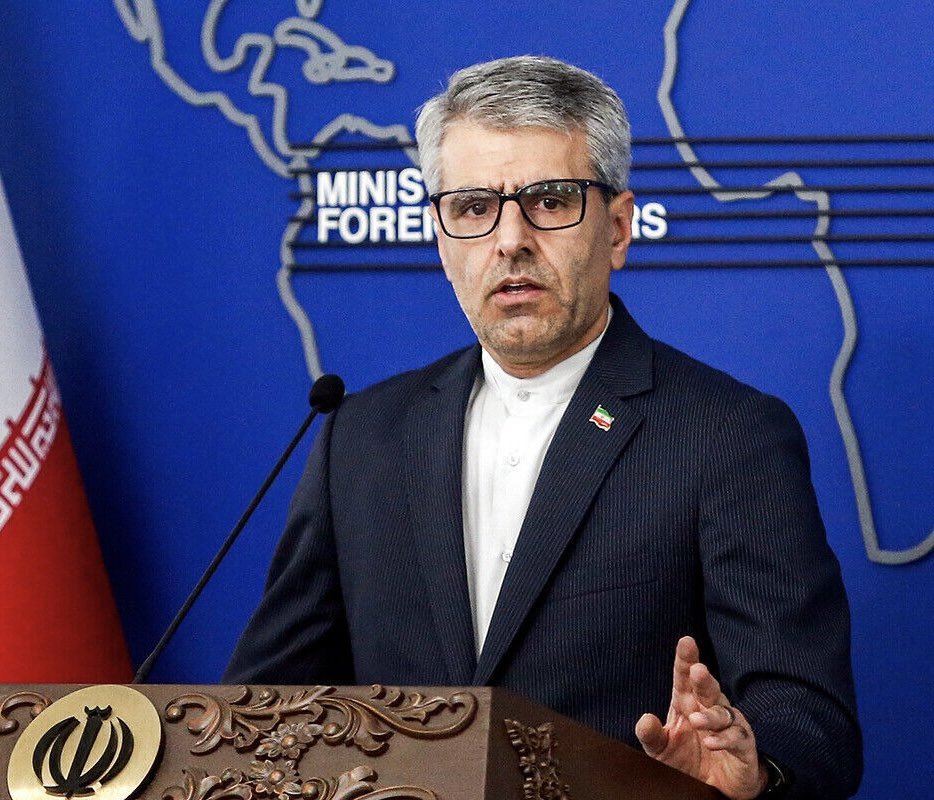
“We must see in practice whether they will really act on this statement or if it is merely a propaganda claim. If they do this, it means actually stopping the wrongful act they started a few weeks ago and should not have committed from the start,” foreign ministry spokesperson Esmail Baghaei said
The ministry confirmed that all technical preparations along the strategic pipeline network have been completed, clearing the path for Iraqi crude to re-enter global energy markets.
https://t.co/LUHFdPzHZK
BREAKING: The US and Iran are closing in on a deal that would extend their ceasefire by 60 days and lay the framework for discussions on Iran's nuclear program, mediators say.
Details include:
1. This would include a "gradual reopening" of the Strait of Hormuz
2. It would also include a commitment to discussing the "diluting or handing over" of Iran's highly enrich uranium
3. The US would ease its blockade of the Strait of Hormuz and agree to sanctions relief
4. The US would also begin a phased unfreezing of Iran's assets
Both sides are nearing a "memorandum of understanding" to extend a ceasefire.
Iraq is facing an estimated monthly deficit of about $9.5 billion due to declining oil exports and the closure of the Strait of Hormuz, a financial advisor to the prime minister said Friday, noting that emergency measures are planned to limit the impact
https://t.co/xHCWcu4uJO
BREAKING: The final draft of the US-Iran agreement has been reached with the mediation of Pakistan, which is expected to be announced within the next few hours, per Iranian State media.
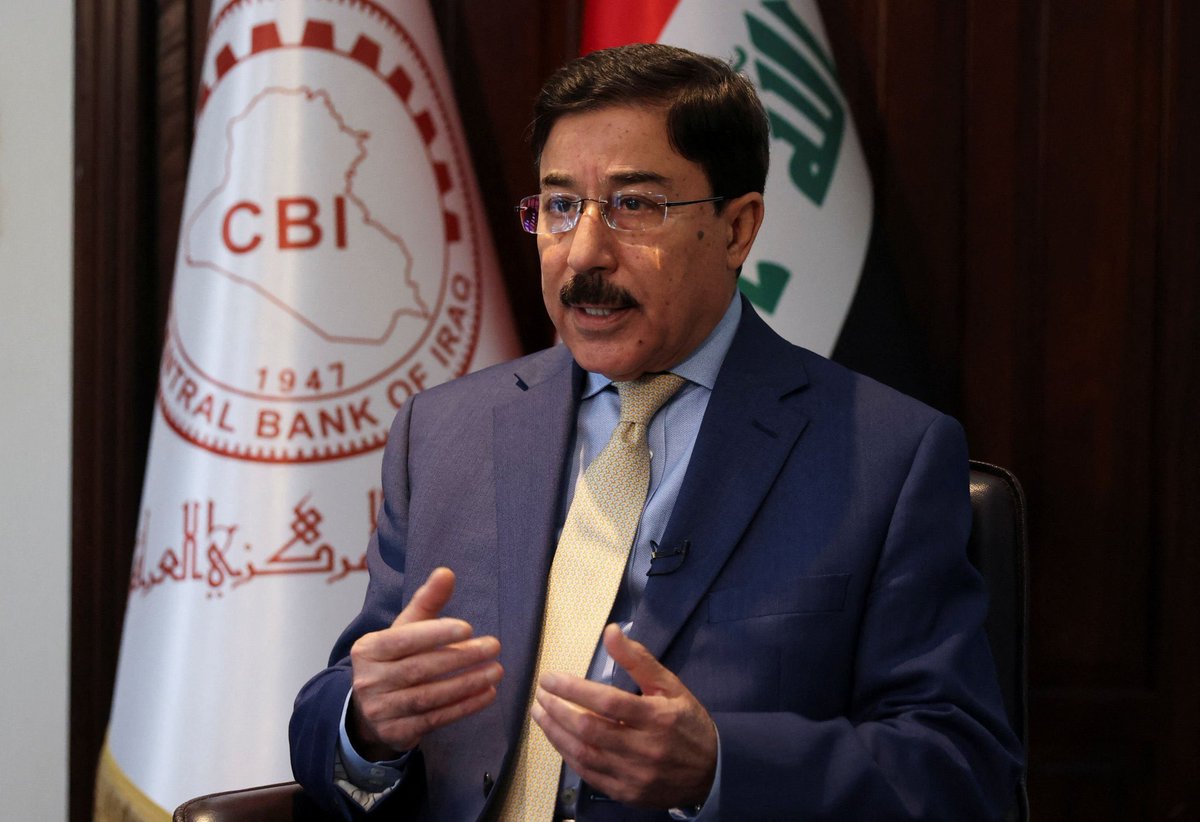
CBI Governor Ali al-Alaq stressed that the participation of the Central Bank in drafting the state budget is essential to ensure complementarity between fiscal and monetary policies.
Read more: https://t.co/Sl8RDglYZx
After 19 years of delay, Iraq’s Oil and Gas Law is once again facing a critical test, as the cabinet of Ali Faleh al-Zaidi attempts to resolve the long-standing legal deadlock.
Read more: https://t.co/6pCxUhtUhG
Iraqi Central Bank Governor Ali Al-Alaq said Tuesday that there are no plans to devalue the Iraqi dinar against the US dollar, stressing that Iraqi funds are not subject to any US sanctions. Al-Alaq also announced upcoming talks with the US Federal Reserve and the Treasury Department, noting that both institutions have praised the role and performance of the Central Bank of Iraq (CBI).
📸: CBI/ file