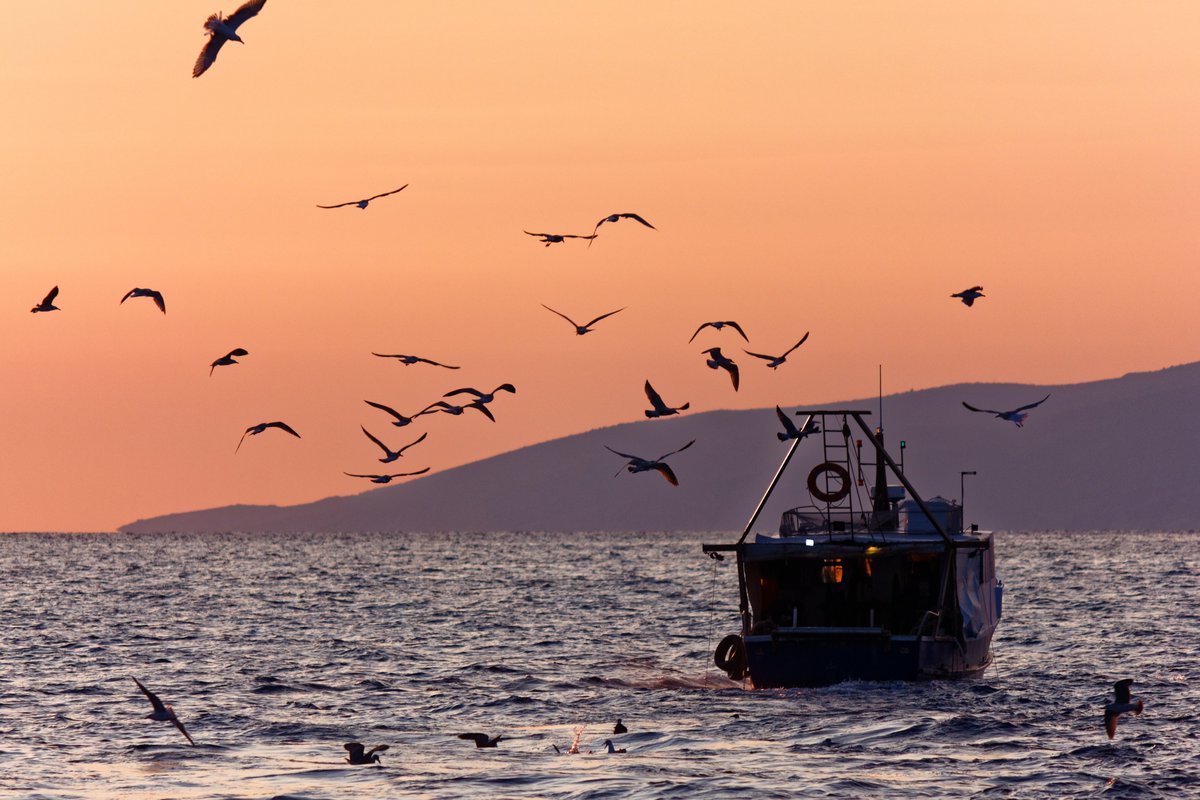
A study in Weather, Climate, and Society (WCAS) seems to show links between maritime piracy and climate change. Years with warmer ocean temperatures harmed East African fisheries, leading fishermen to take up piracy to make up for lost income.
Save the Date! Join us for the University of Maryland's reception at the Annual Meeting of The American Society of Criminology (ASC) on November 17, 2023, from 7:00 PM to 9:00 PM at the Gallery Room, Philadelphia Marriott Downtown. Don't miss this networking opportunity! #ASC2023
In an interview with Xinmin Weekly, I expressed my views on climate change and sustainable development in Sub-Saharan Africa. Read more below.
非洲工业化的希望 - https://t.co/BOqtQdGf1e
Happy to see my interview with Xinmin Weekly that explores ways to combat cybercrime and telephone deception targeting Chinese nationals by transnational criminal organizations based in Myanmar.
面对缅北网诈:何时重拳出击 - https://t.co/tYHvZDEk1u
"Does Globalization Reduce Personal Violence?" https://t.co/JbohTNSPob
"Consistent with the doux-commerce argument, we find that rising globalization has resulted in lower cross-national homicide rates during the past half century"
How could #ClimateChange affect #crime? This new study suggests that decreases in fish production due to climate change could potentially lead to more piracy in East Africa: https://t.co/PnwmIXwJ0e
#Climate change, fish production and maritime piracy. Decreases in #fish production due to climate change could potentially lead to more piracy in East #Africa, a new #study suggests. https://t.co/LFvfObwwAR
Decreases in fish production could potentially lead to more piracy in East Africa
Research test that changes to sea temperatures could drive down fish production in some regions, potentially creating a larger risk of people taking part in maritime piracy.
https://t.co/OZ9I90rkwP