@leenders_geert Het 250 jaar oude Amerika viert deze week hun genocide op miljoenen native Americans en hun slavenhandel met een groot hypocriet feest.
@Youssef_Kobo Michel Francken is de broer van Theo Francken. Hij is momenteel CEO van Golazo Events & Brands BE bij de Golazo Group die de paardenjumping organiseert. Ons ken ons.
الاعلام الاسباني يشيد برئيس الوزراء بيدرو سانشيز ويثمن افعاله الانسانية ❤👏
هو أول من تمرد على ترامب
ثم أثّر على ماكرون في فرنسا للتمرد
وأثّر على ستارمر في بريطانيا للتمرد
وأثّر على البابا في الفاتيكان للتمرد
وأثّر على ألبانيزي في أستراليا للتمرد
وأثّر على أردوغان في تركيا للتمرد
وأخيرًا أثّر على ميلوني في إيطاليا للتمرد
يستحق هذا الرجل كل المديح 👏
Destroying over 13,000 eggs just so Palestinians can’t eat them. Filming it too, proud of themselves. This is the petty face of Zionism—spoiled brats with air defence.
Bachelor in de verpleegkunde, bezig met m’n master. Ik draag bij zorg voor mensen.
In 3 jaar: 2 fietsen gestolen, 1 scooter, vandaag de batterij van mn huidige scooter.
Maar ik, half Marokkaan en moslim, ben volgens rechts België het probleem.
Wat is mijn misdaad?
@urmoroccannurse Geen. Er is geen misdaad.
Wat je ervaart is iets anders:
Collectieve schuld: jij wordt aangesproken op wat anderen doen, puur door afkomst of geloof.
Het echte probleem wordt niet opgelost, dus wordt het makkelijker om een groep aan te wijzen.
Did you know?
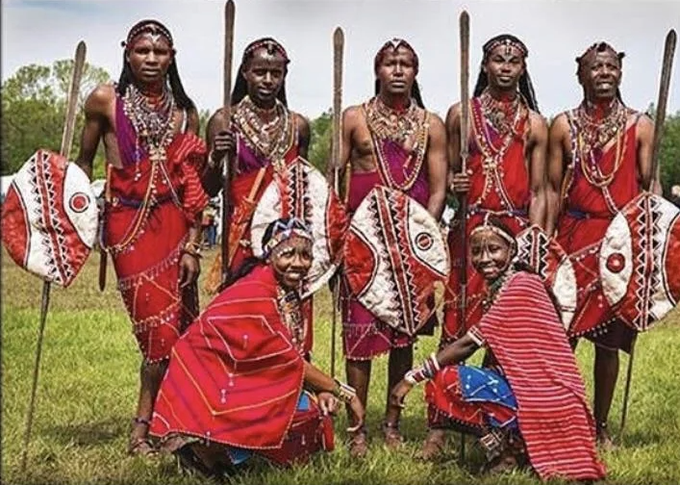
After 9/11, the Maasai people from a Kenyan village gave 14 cows to help and support the U.S.
This is the story behind the fact.
After the tragic events of 9/11, the Maasai community in Kenya, inspired by one of their own, Wilson Kimeli Naiyomah, who was in the U.S. at the time, decided to gift 14 cows to America. This act was not just symbolic but deeply rooted in Maasai culture where cows are considered sacred, representing life and wealth.
For the Maasai, giving cows is one of the highest forms of respect and sympathy. This gesture was not just about material aid but was a profound expression of empathy and solidarity with the American people.
The cows were handed over in a ceremony attended by William Brancick, the deputy head of the U.S. embassy in Kenya. This event took place in a remote village near the Tanzanian border, marked by traditional Maasai attire and banners expressing condolences.
Initially, there was uncertainty about how to handle the gift logistically. The idea of shipping the cows to America was considered impractical due to health regulations and the nature of the gift. Instead, it was decided that the cows would remain in Kenya, cared for by the Maasai on behalf of the U.S.
The cows were not only kept in Kenya but their care and the proceeds from any sales were used for community benefits, like education. Over time, the herd grew, symbolizing the enduring nature of the gift. This act led to a unique cultural exchange where the Maasai's gesture was commemorated through art and literature, notably in the children's book "14 Cows for America."
This event, while small in scale, has become a symbol of global unity and kindness, often cited in discussions about international relations, cultural exchange, and human solidarity in the face of tragedy.