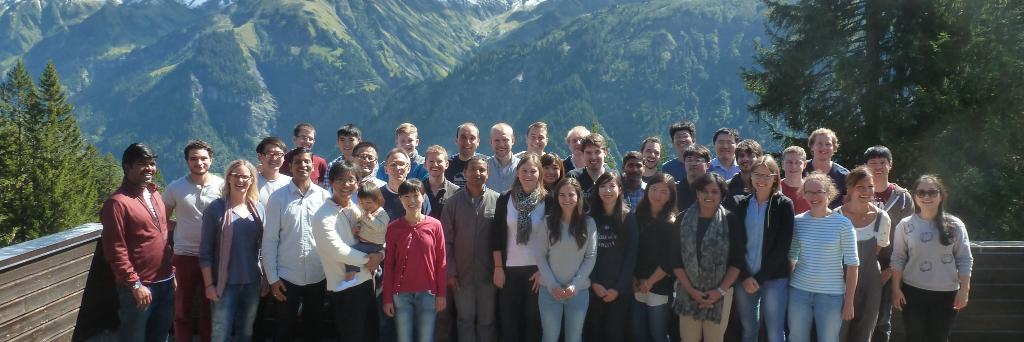
@matthias_muhar @jakobfarnung @RaHofmann Thanks to amazing collaborators in the Schulman, @MartinJinek , and Jessberger labs. And most of all to Jeff Bode's lab, who has been with this every step of the way.
@RapeLab wrote a News and Views that explains our work far better than I ever could. https://t.co/9HJm8cxvCn
Very excited to highlight @jcornlab's beautiful work on the E3 ligase SCF-FBXO31, which recognizes chemically damaged proteins. Mutations in FBXO31 cause disease by substrate-rewiring, really cool. Congratulations to all authors!
https://t.co/RrmDlym7V6
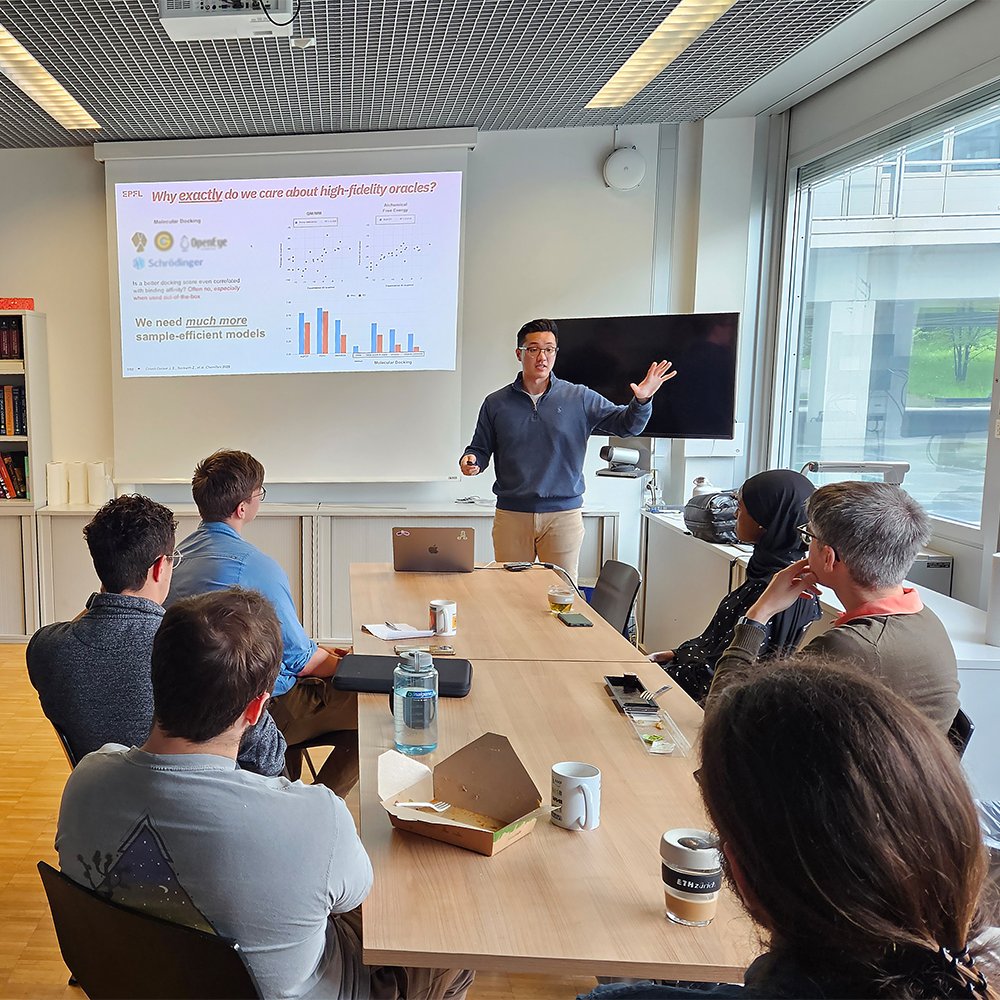
It's been a lot of fun to learn so much about machine learning from our fellow students and colleagues in @ETH_DCHAB . Thanks to @jlngtz and @CoperetGroup for getting this started, already more than 2 years ago!
Machine learning (ML) is a hot topic in almost every field, but how can expertise be built up in a discipline developing so quickly? Doctoral students @ETH_DCHAB@ETH_en created the student training format "Data & ML lunch". Learn more in the interview👇
https://t.co/yPZGZ2llha
Chemical Synthesis of Secretoglobin 3A2 Covalent Homodimer and Photocaged Monomeric Variants (Jeffrey W. Bode and co-workers) @bode_lab https://t.co/5sMjmmr9IW
Sure glad all *we* did was make 40,000 molecules. The project below sounds like much less fun!
Researcher steps on deadly vipers 40,000 times to better predict snakebites | Science | AAAS https://t.co/57hj561nIc
10/10 See all of this (and more!) in our preprint @ChemRxiv#MachineLearning#Automation#chemistry
Predicting Three-Component Reaction Outcomes from 40k Miniaturized Reactant Combinations
| ChemRxiv - https://t.co/ajthDzjt8V
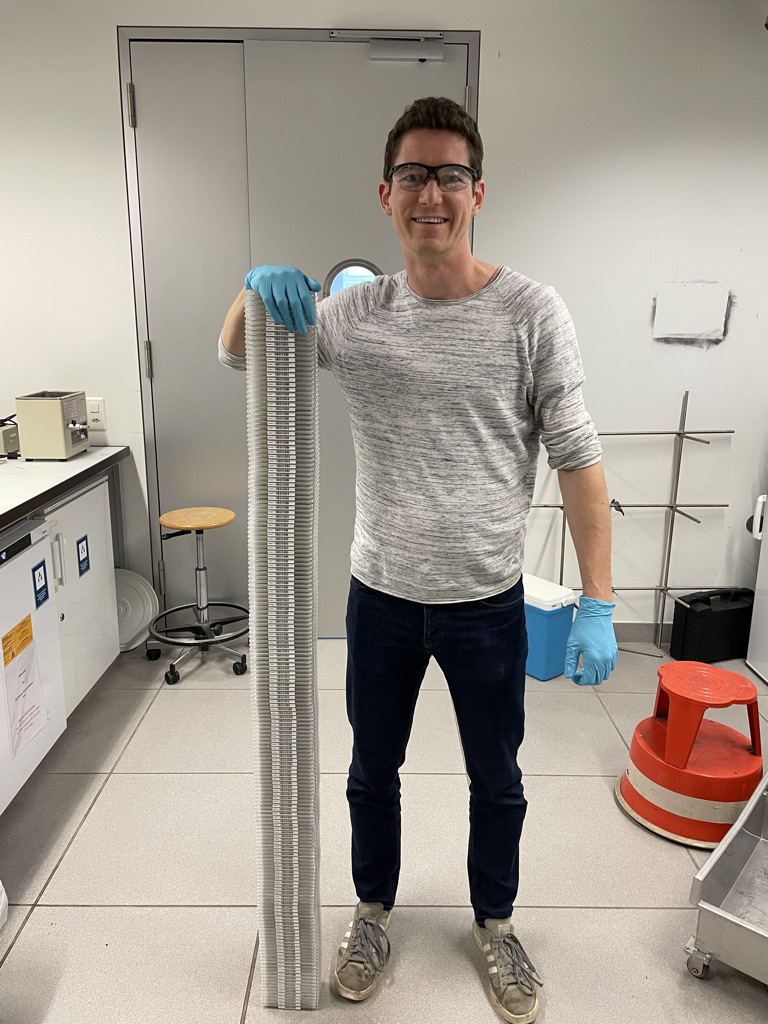
9/10 Taken together, these results show 1) it’s possible to do 50,000 reactions during a PhD and 2) large (but not unreasonably large) training set sizes are highly beneficial for reaction prediction.
After too many delays, we are delighted to be hosting the 9th Chemical Protein Synthesis meeting in Nagoya, Japan from 2-5 June 2024! Join us there for amazing advances in the synthesis of proteins! #protein#peptides
https://t.co/3EsbPgMTFM
Need small, polar protecting groups that can be orthogonally removed from folded proteins? Our Ub chain team came up with two, and used them to chemoenzymatically assemble branched and heterotypic Ub chains. Just published in @ACSCentSci!
https://t.co/DbxiTBywBT
This works comes from a fantastic collaboration with @YamauchiLab at @ETH_DCHAB and Patrick Matthias at @FMIscience on understanding the role of branched Ub chains in viral infections. For this we need homogenous Ub chains to reconstitute the machinery that uncoats viral capsids.