HHMI Chief of Strategic Initiatives Bodo Stern writes in the LSE Impact of Social Sciences Blog about Nature's recent decision to publish peer review reports. "True transparency in peer review must begin at the outset," he writes, "not as an afterthought to editorial gatekeeping."
Read more: https://t.co/1pitUj4SYZ
Lots of food for thought and action in this report. Consultation revealed that researchers support preprints and open peer review but are not sufficiently incentivized to adopt these practices.
https://t.co/jJtrRsWkZE
“If we shouldn’t use Impact Factors, what should we use instead?”
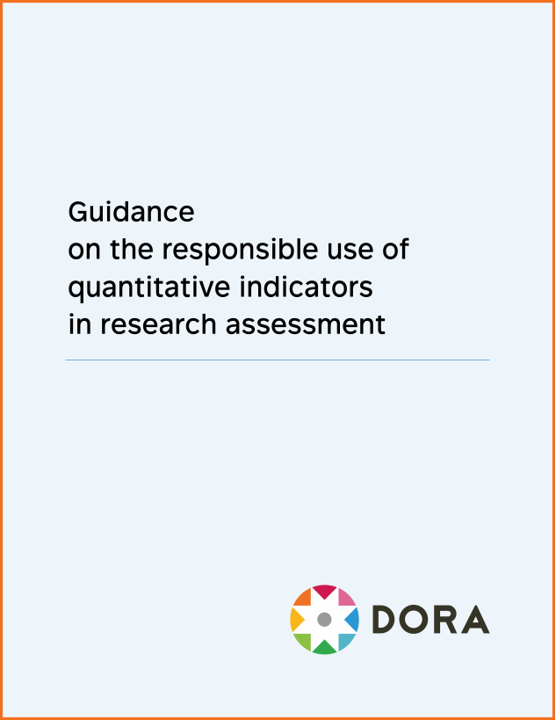
Today, DORA is releasing new guidance on research indicators, including Journal Impact Factor, citations, h-index, altmetrics, and more. 🧵1/3
https://t.co/rgpyErBGTx
⚡ Excited to announce Spyglass, a new open-source framework from Loren Frank’s HHMI lab at @UCSF. With standardized formats and open-source tools, Spyglass promotes data shareability and reproducibility. 🙌
Read more: https://t.co/h4U3zPPlxG 👈
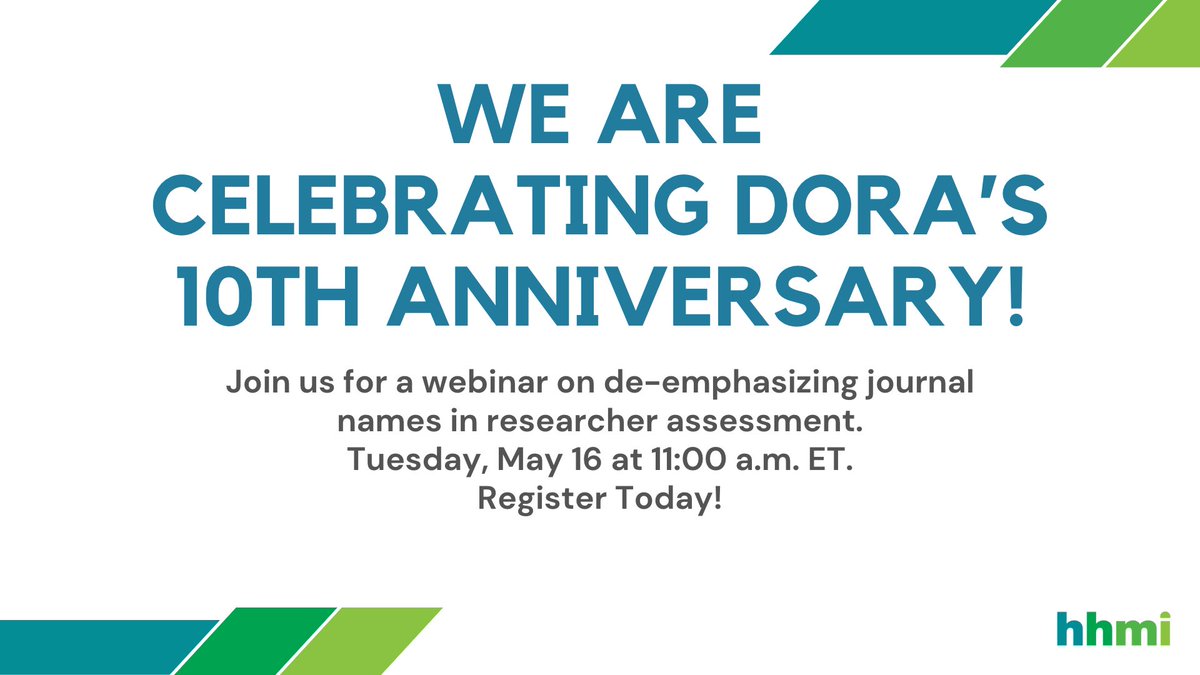
As part of DORA's 10th anniversary celebration @leslievosshall, @AnnaHscientist and I will discuss ideas and emerging plans to de-emphasize journal names in the assessment of HHMI researchers.
We are celebrating @DORAssessment’s 10th anniversary!
Join us for a webinar on de-emphasizing journal names in HHMI researcher assessment on Tuesday, May 16, at 11:00 a.m. ET.
Register now! 🔗 https://t.co/c2Vj1IrvHw
@fraser_lab@JCIM_JCTC I am secretly hoping that a newly invited reviewer, who is asked to replace your 'rescinded' review, will say: 'I really like the review on bioRxiv, and have nothing to add'.
Would you like to improve the culture of #PeerReview?
Read our latest preprint to find out how to join us in #RecognizingPreprintReview!
https://t.co/45Pz8CCX1V
Our Board of Directors has issued a public statement of support today for eLife’s new publishing model. You can read the letter below. https://t.co/L20GZASpxP
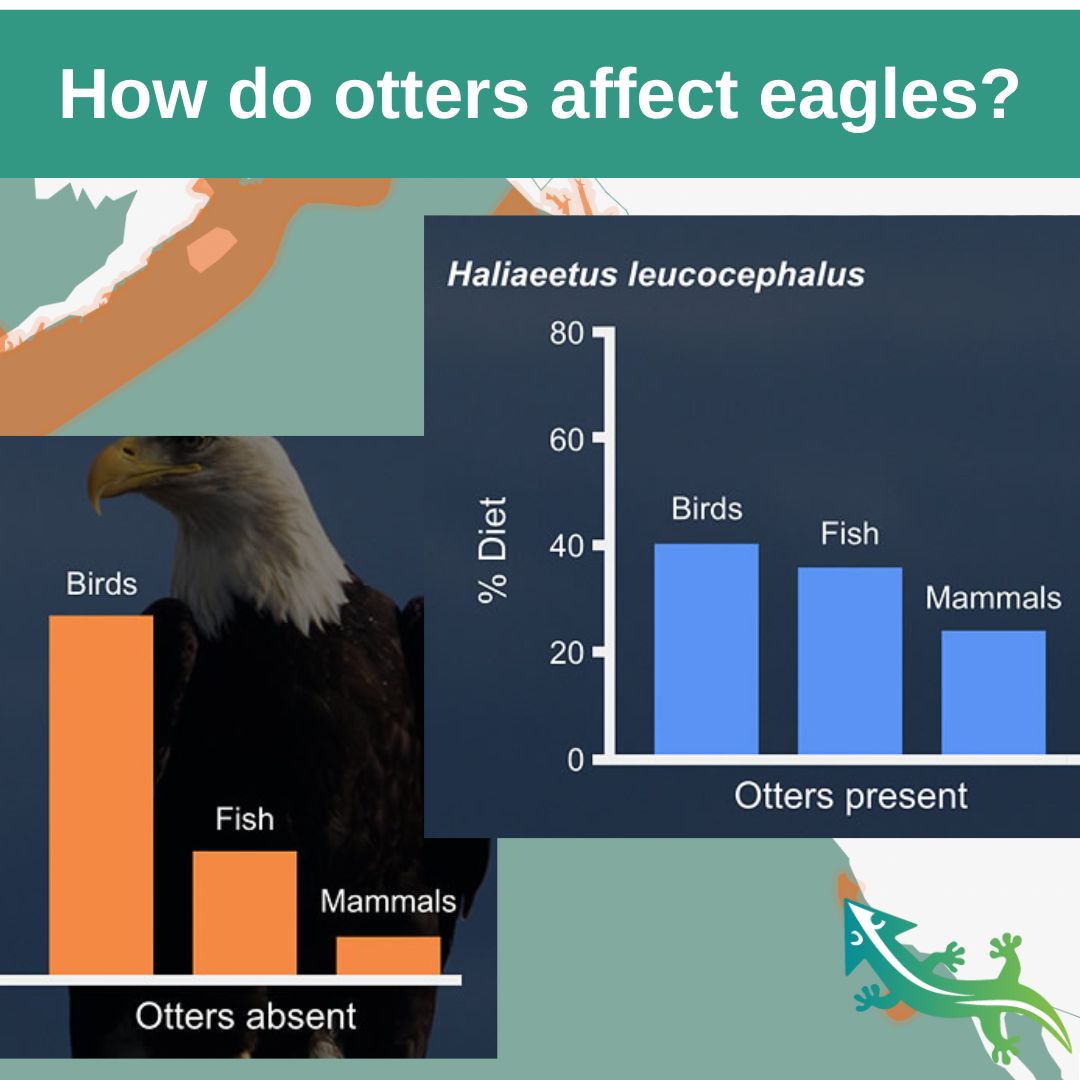
How do otters affect eagles? Our new Keystone Species Interactive highlights different keystone species around the world from a variety of trophic levels and ecological roles, and connects understanding keystone species with ongoing conservation efforts. https://t.co/9LSiPx0yiJ
@cOAlitionS_OA created the 'transformative journal' model to help publishers transition to open access. It was always meant to be a transition model. Today @cOAlitionS_OA announced that it will stick to the original timeline and end support for transformative journals by 2025.
.@cOAlitionS_OA confirms that financial support for Transformative Agreements and Journals will end after 2024. Instead, funders will direct their efforts to innovative and community-led #OpenAccess publishing initiatives.
https://t.co/OI0QIhDvL7 #Plan_S
📢Announcing DORA’s 10th Anniversary Celebration #DORAat10 in May 2023!
🌐We're hosting two plenary sessions on the past & future of research assessment, & we're also inviting YOU to organize an event on research assessment along with us!
📋Learn more: https://t.co/bKLlBpDXnx
Today, we're excited to announce a meeting co-organized with @HHMINEWS and @EMBO at @JaneliaConf to promote recognition for open dialog on preprints. Learn more and register to watch the livestream on December 1-2: https://t.co/ez9VNSakQH
🧵
#RecognizingPreprintReview
@mctucsf @PracheeAC@eLife In the current publishing system you don't know who acted virtuously and who deserves credit for making a study rigorous, authors or peer reviewers. In the @eLife model both sides are more accountable for their contributions.
@frazierarchive@hholdenthorp@eLife@mbeisen Filtering of scientific articles is important but on top of and not instead of a publicly available scientific discourse. The @eLife evaluative summaries and standardized language are aiming to provide such curation signals - they build on and don't replace scientific discourse.
@BerndPulverer@Bazzoid@fraser_lab@eLife@EMBOPress@biorxivpreprint In my opinion only the second solution - attaching reviews to preprints - solves the problems with journal peer review. Transferring reviews of rejected papers to other journals just tries to make the broken system of journal cascades work more smoothly.
Congratulations to the @eLife team! After introducing consultative peer review 10 years ago and limiting peer review to preprints in 2020, you have done it again: removing the editorial accept - reject decision is a major step towards a healthier scientific publishing system.
Today, we’re introducing a new model that eliminates accept/reject decisions.
By publishing every paper with eLife reviews as a Reviewed Preprint, we plan to restore autonomy to authors, ensuring that they will be judged by what, not where, they publish. https://t.co/OAsiOVFStI
@ewjwallace@hholdenthorp I think it is the most important experiment in publishing since open access. For it to succeed it needs buy-in from the community and that involves the recognition that scholarly peer review is so much more than consultancy on an editorial accept-reject decision.