Through this blog, Birat reflects on the duality of navigating digital spaces as an openly queer person, drawing from their experiences of online harassment, queerphobic backlash, and the growing pressure to censor themselves.
https://t.co/HyHZplOFjq
यी घटनाहरूले डिजिटल क्षेत्रमा विद्यमान समस्याहरू कसरी निरन्तर रहिरहन्छन् र तिनले नागरिक तथा संस्थाहरूको डिजिटल स्पेसेस र डिजिटल अधिकारहरूलाई निरन्तर खतरामा पारिरहन्छन् भन्ने कुरा देखाउँछन्। विस्तृत विश्लेषणका लागि तल दिइएको लिङ्कमा क्लिक गर्नुहोस्
👇🏽 https://t.co/U45cqiCDjz
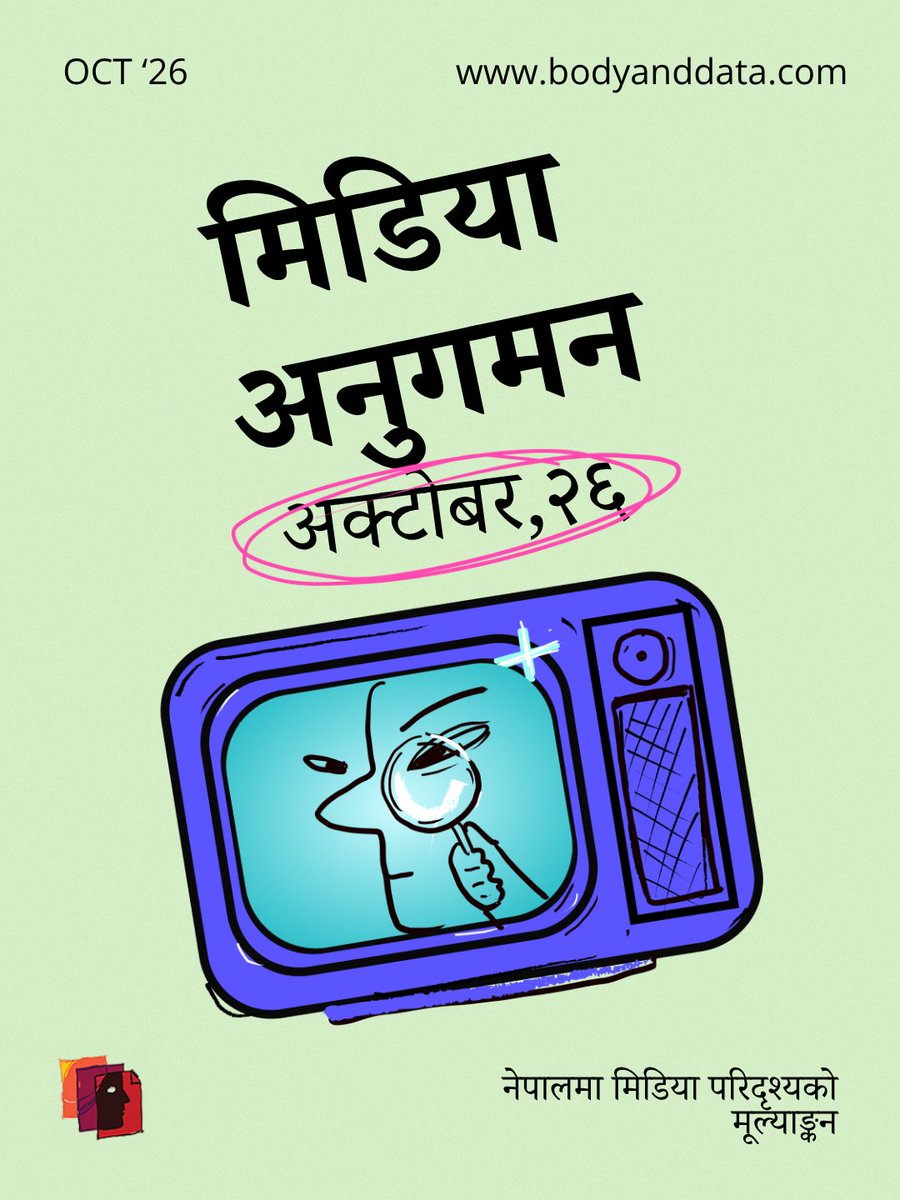
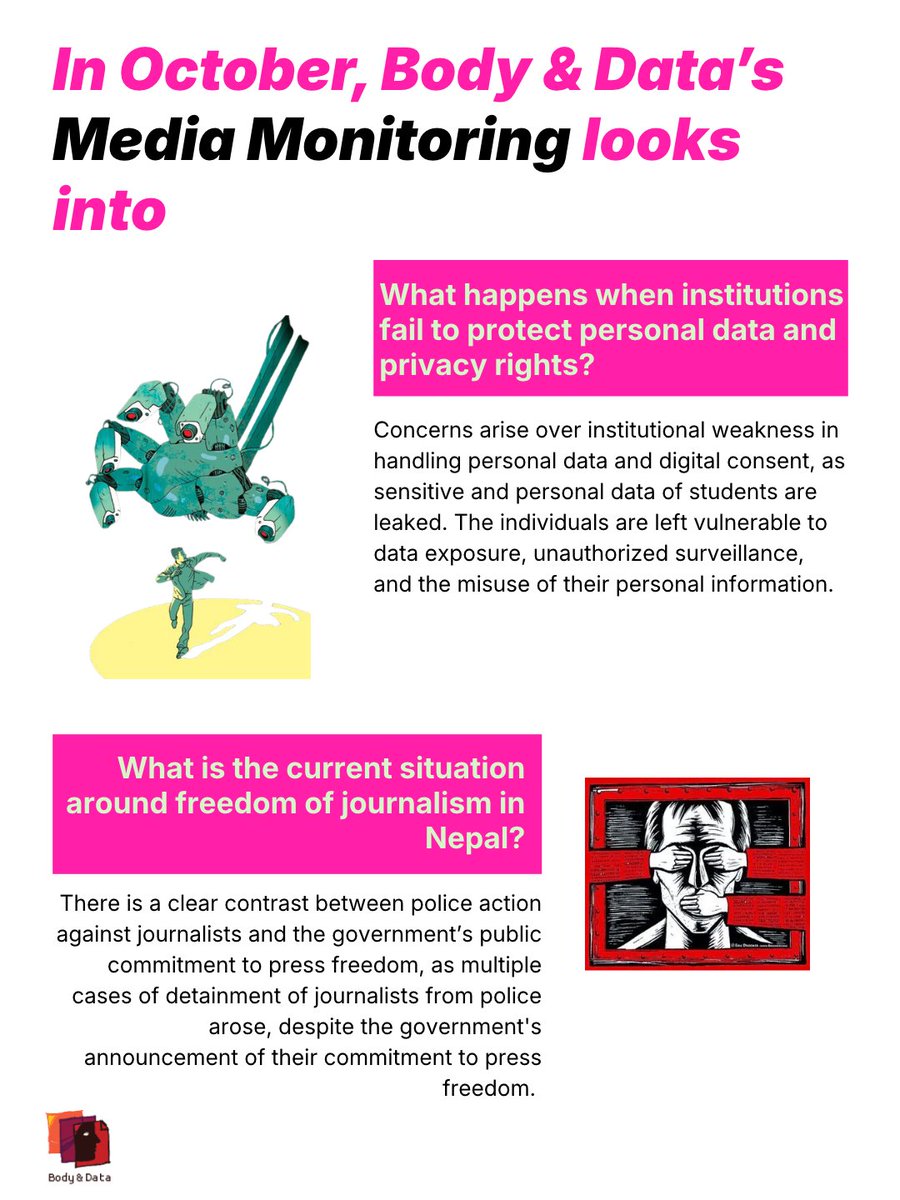
📢 अक्टोबर महिनामा, नेपालको डिजिटल परिदृश्यमा विपद्को समयमा गलत सूचना (misinformation) को प्रसार, साइबर आक्रमण, पत्रकारिता स्वतन्त्रतासँग सम्बन्धित विषयहरू, र डिजिटल ठगीमा भएको वृद्धिलगायतका घटनाक्रमहरू देखिए।
These instances showed how the digital issues continue over a period of time that continue to threaten the digital spaces and digital rights of citizens and institutions. click the link in our bio or link below for the full analysis👇🏽 https://t.co/U45cqiCDjz
📢 On October, Nepal’s digital landscape continued to witness cases like rise of misinformation amidst the disaster, cyberattacks, freedom of journalism, rise of digital scams and more.
As the boundaries between journalism, content creation, and digital expression continue to evolve, it is crucial to examine what these changes mean for content creators, editors, journalists, and everyday internet users.
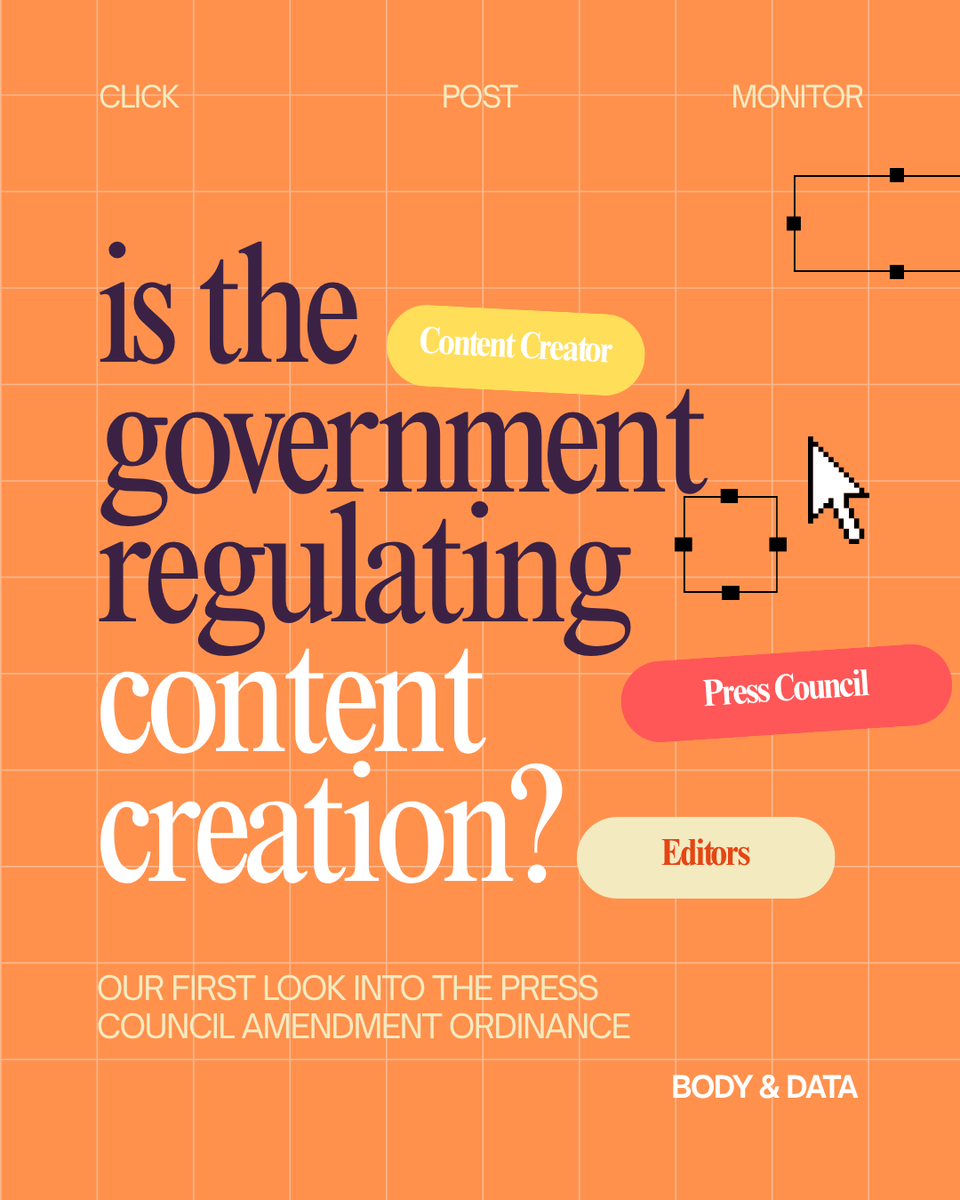
Is the government regulating content creation?
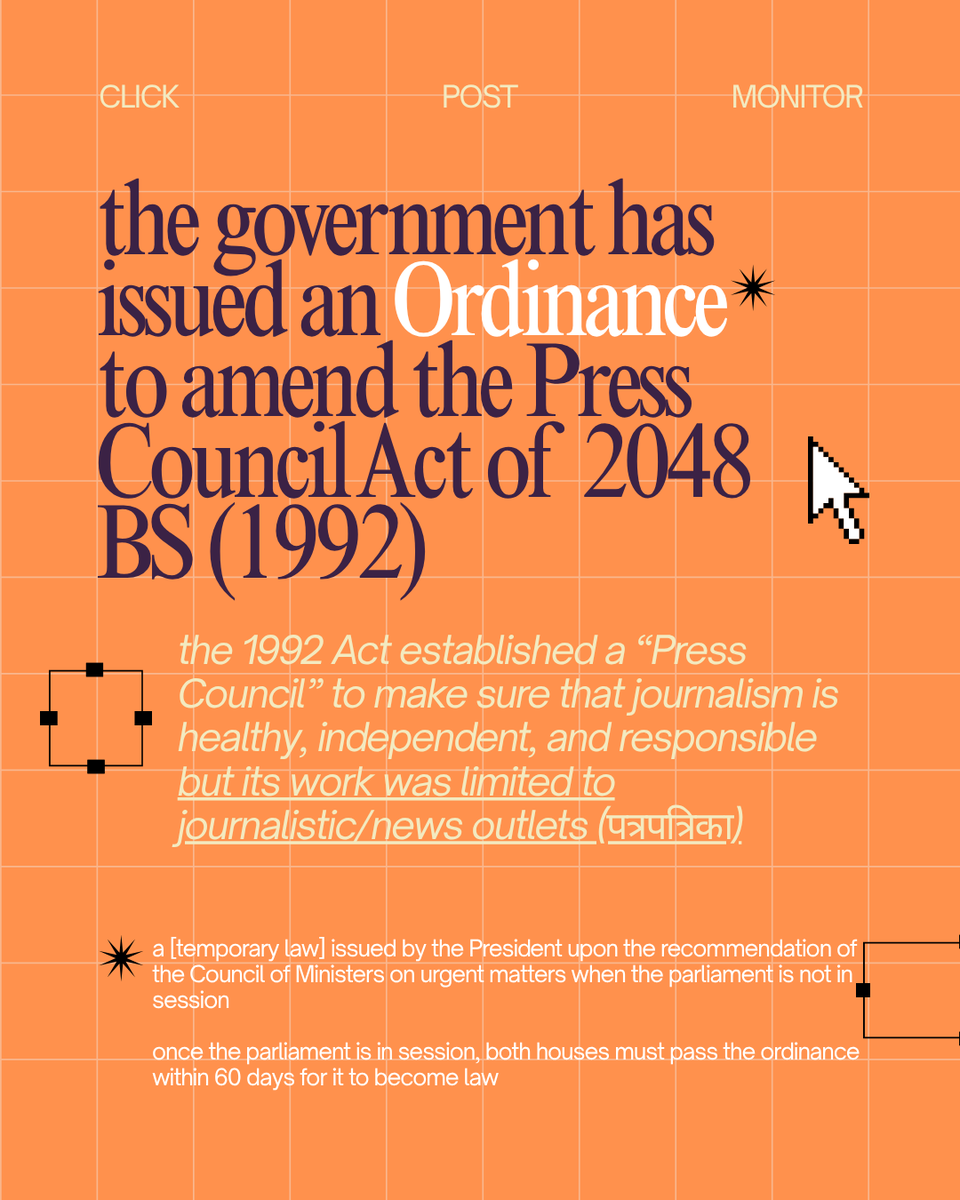
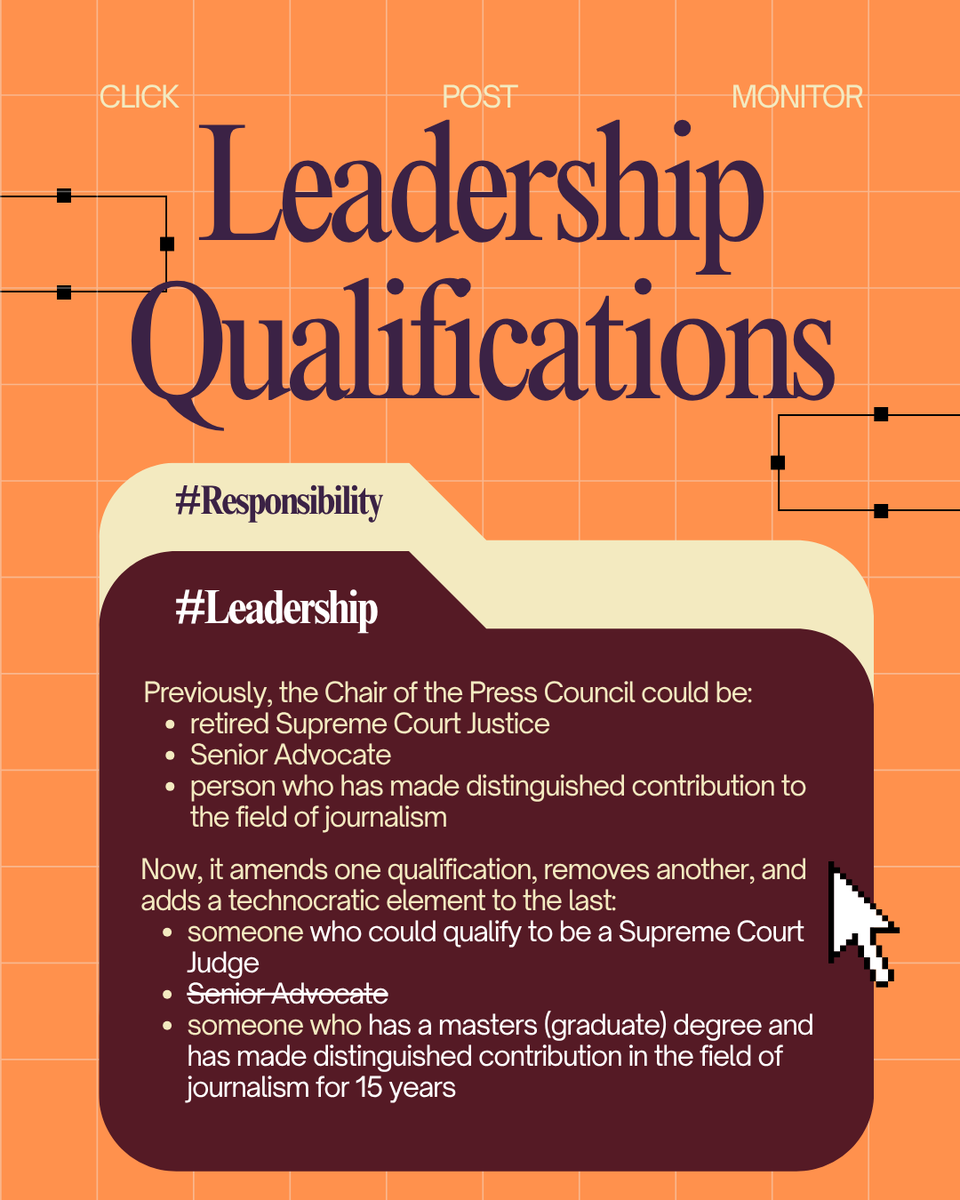
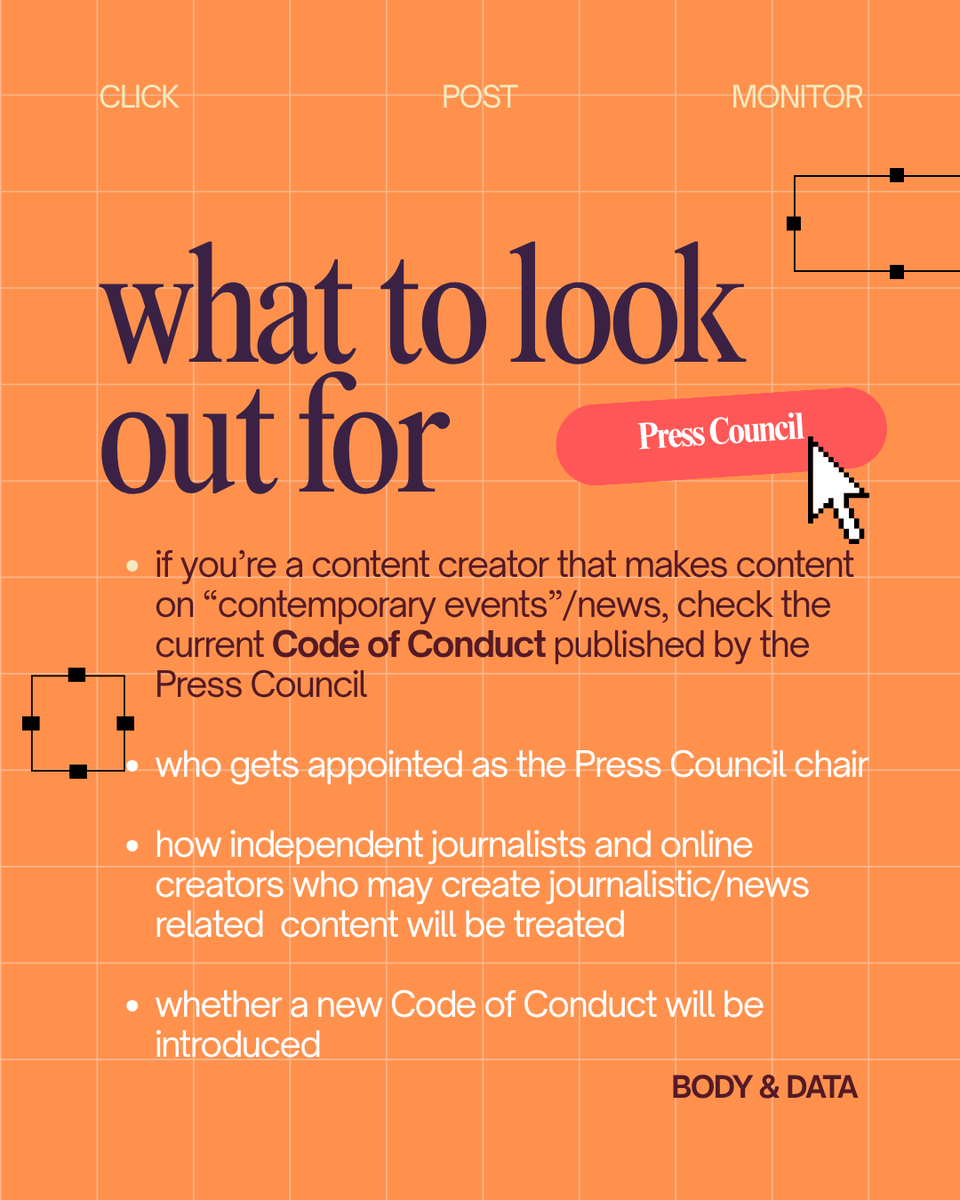
The Government of Nepal has introduced an Ordinance to amend the Press Council Act of 2048 BS (1992), bringing significant changes to the scope and functioning of the Press Council.
From expanding regulatory oversight beyond traditional media to including online and digital platforms, redefining journalism and journalists, and revising leadership qualifications, the amendments raise important questions about the future of Nepal's digital landscape.
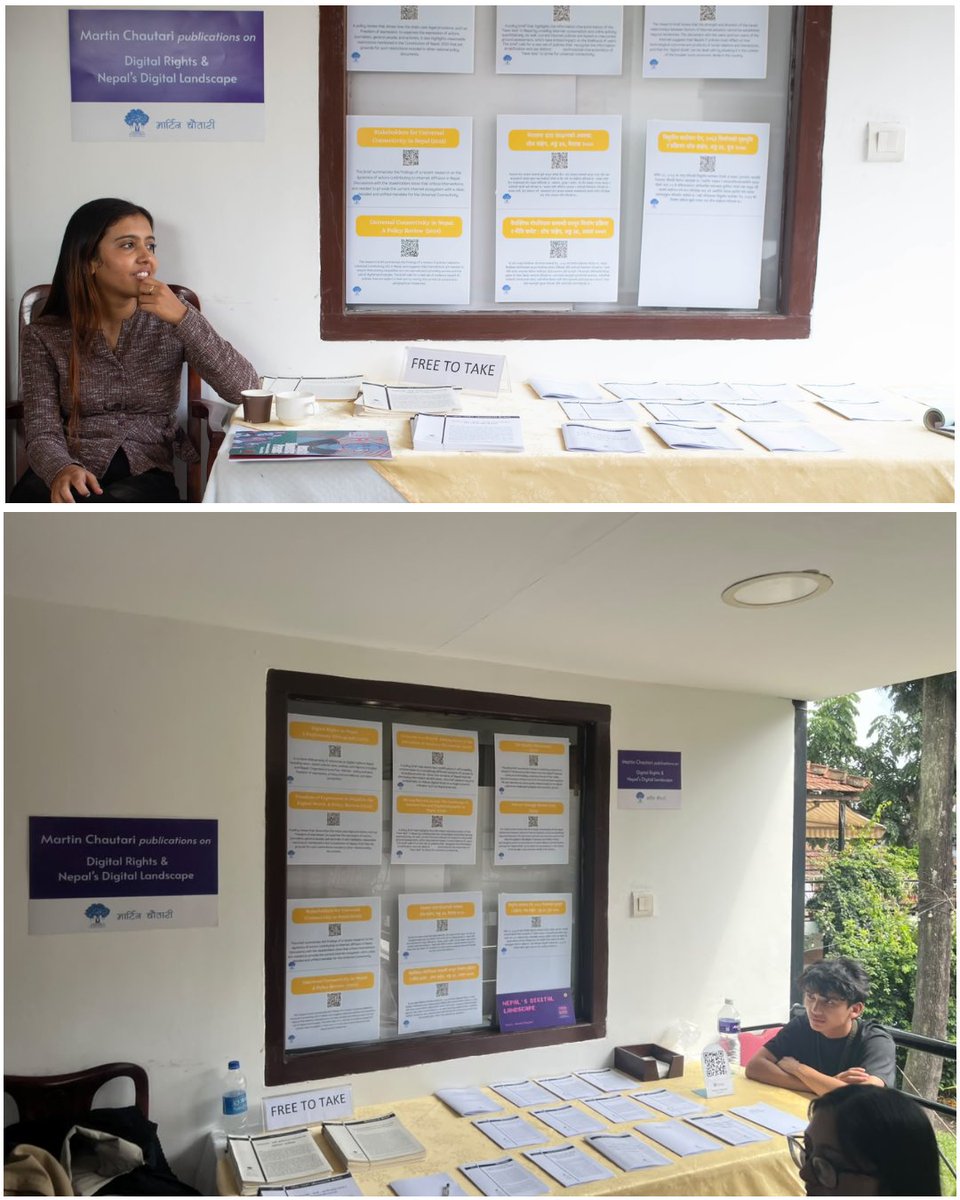
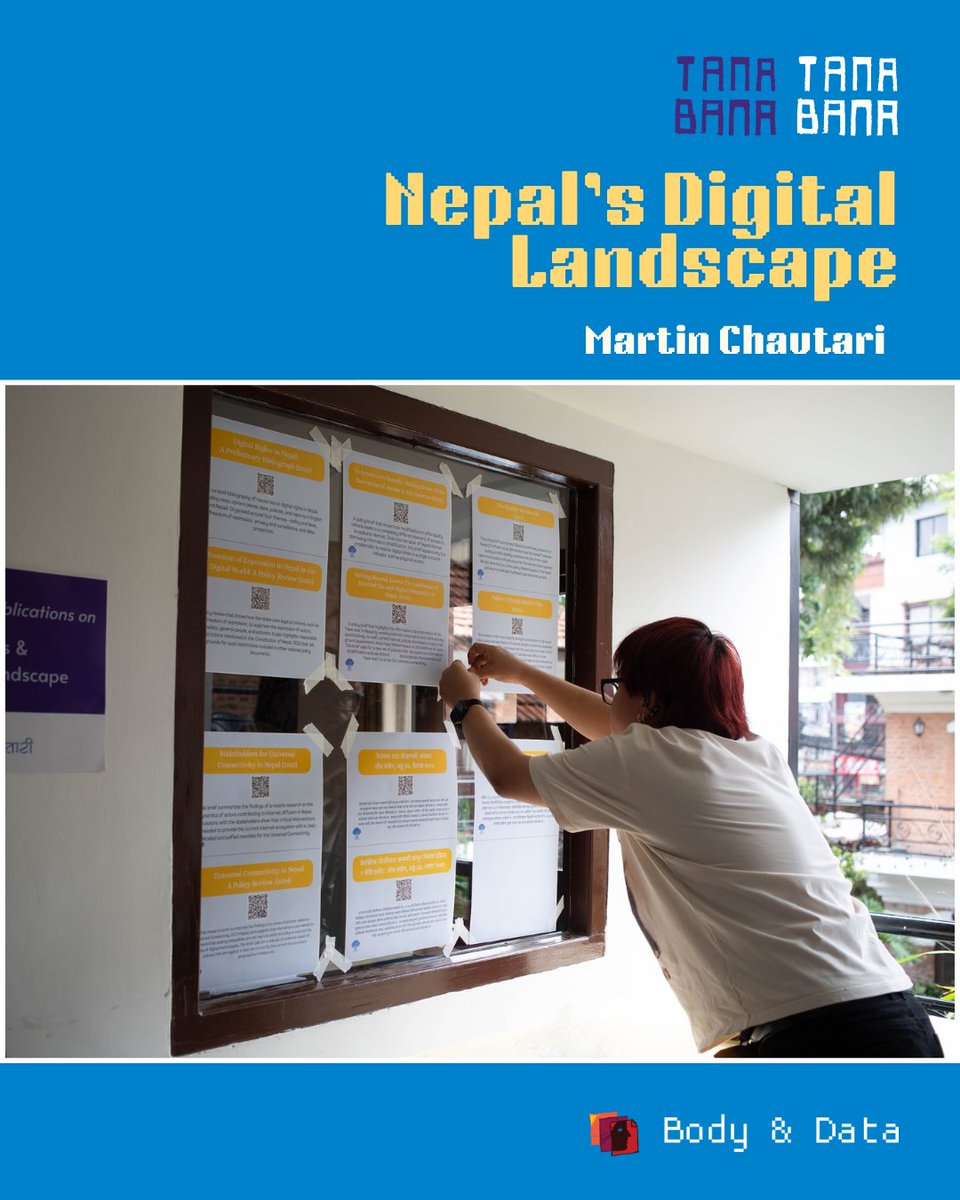
Martin Chautari was one of the collaborators during 'Tana Bana: weaving through technology, power and justice.' Their section included various research publications on Digital Rights & Nepal’s Digital Landscape.
The main aim was to make the visitors understand that digital rights and safety are part of their everyday lives, not abstract or technical concepts.This part of the exhibition aimed to make audience more aware of their rights and more confident about navigating digital spaces.
As part of Tana Bana collaborative exhibition, Digital Rights Nepal set up an installation titled "Spin Your Way to Digital Safety" along with a panel discussion titled "Children’s Digital Rights, Online Safety and Age Assurance in Nepal."
realities of marginalized communities. This exhibition created a space to pause, listen, and look beyond the posters and screens. We are grateful for Purple Foundation for their collaboration and efforts in making Tana Bana a successful one!
How often do we pause to notice digital violence, and how often do we think about who is most affected by it?
This exhibition by Purple Foundation at TanaBana invited audience to encounter lived experiences of digital violence and reflect on how these harms shape the everyday
The study explored the socio-political implications of National ID system, focusing on public understanding of biometric identity, the state’s digital transformation agenda, and citizens’ experiences during enrollment.
To know more, click the link below:
https://t.co/70BBmOizZ2
On October 8, we came together at YalaMaya for the dissemination of 'Nepal's Biometric Present: Governance, Accessibility and Accountability', a report based on the study conducted by Body & Data in the districts of Sarlahi, Khotang, & Kathmandu in Nepal about National Identity.
Find the interactive portals and links used in the exhibition below:
Interactive Mindmap- https://t.co/sBD4lCjfxY
Feed Simulator https://t.co/2mXpKfi6ih
Cost Calculator- https://t.co/AoV1ClBAtk
AI Timeline- https://t.co/0J7D1YpKgX
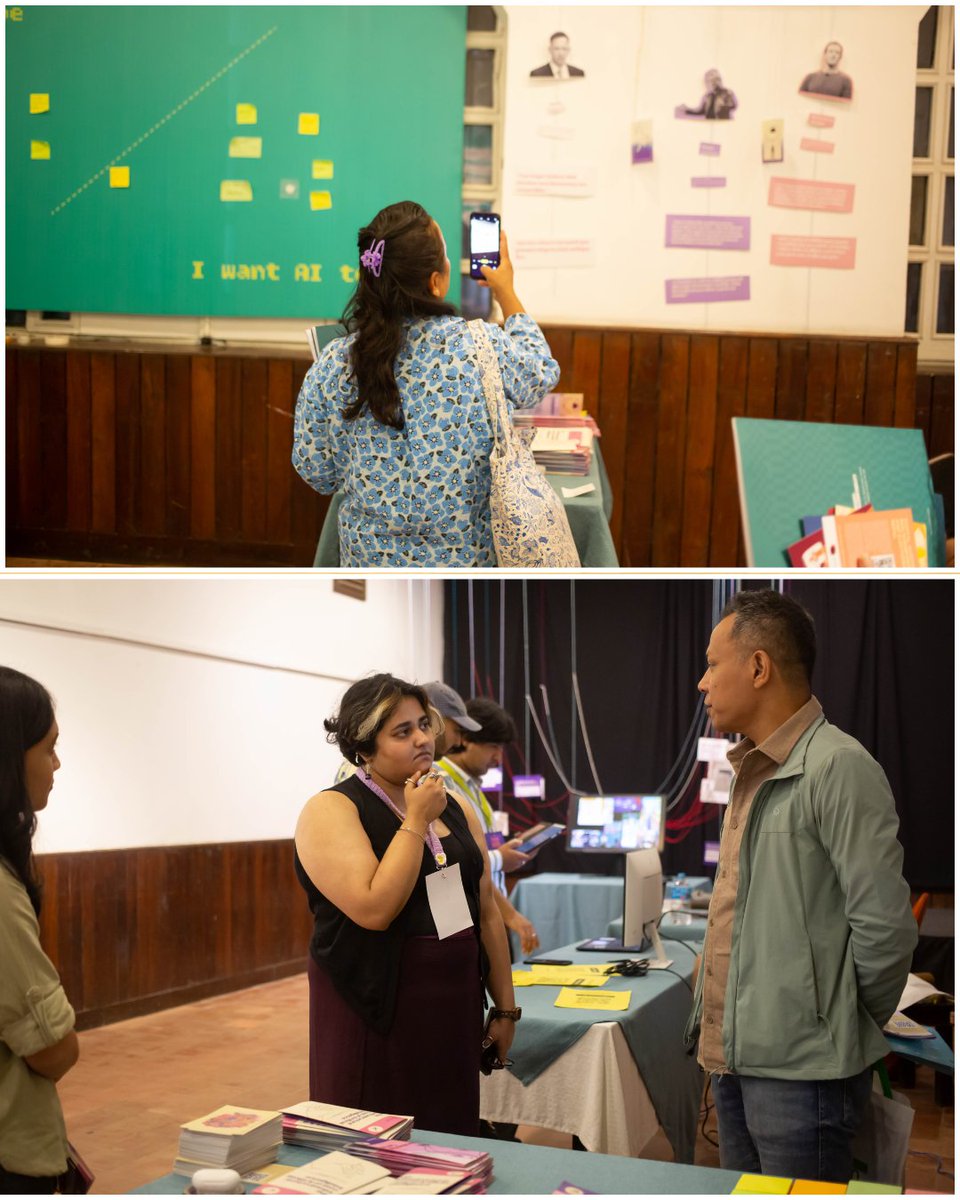
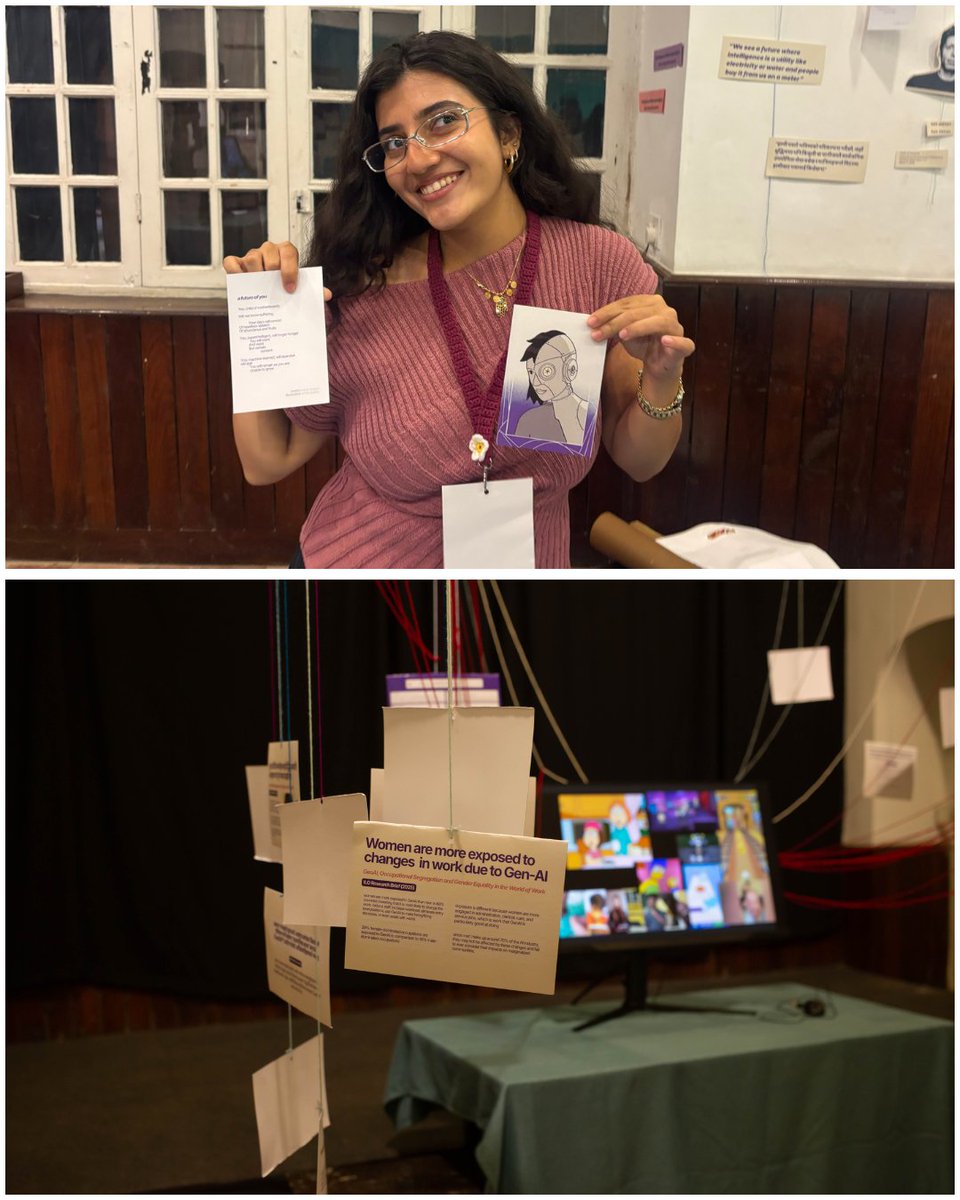
From Understanding AI to introspecting the impacts of AI via critical lens & re-imagining the AI era 'AI: Unweaving the machine' aimed to bring everyone together to understand AI & collectively re-imagine what the future of AI should look like for an actual symbiotic relationship
This installation explored the impact of surveillance on digital safety, privacy & marginalized communities. Through personal stories & visual art, it highlighted how surveillance affects everyday life, limits freedom & safety & challenges the right to participate in public life.