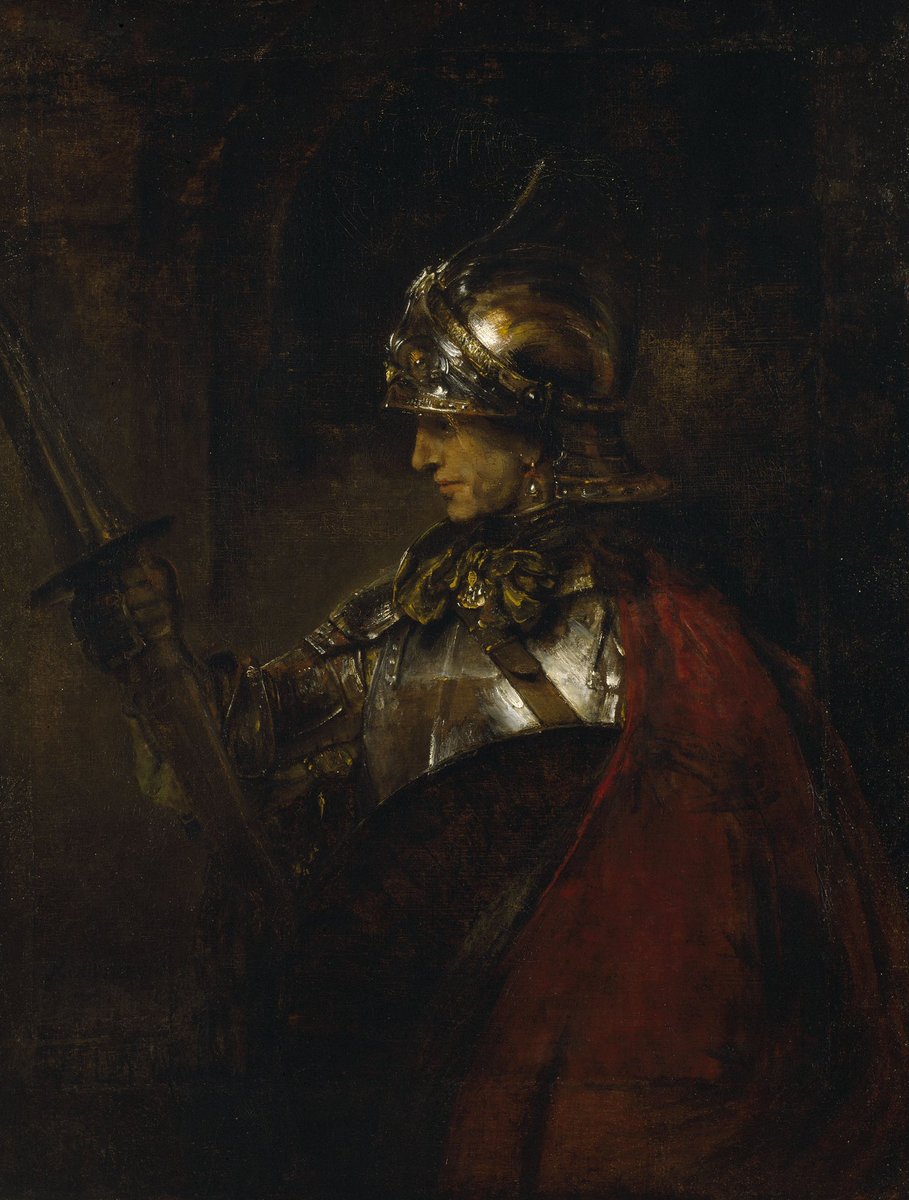
Throughout history, armies, nations and civilisations have rallied around symbols that embodied far more than wood, metal or cloth.
They concentrated a people’s identity, loyalty and shared memory into a single visible sign.
To the ancient Roman, that symbol was the standard.
To the modern citizen, it is the flag.
Such symbols give people something larger than themselves to belong to. They give sacrifice a purpose, loyalty a focus and victory a meaning worth celebrating.
This is why symbols have always occupied the front lines of human conflict.
Conquerors raise them over captured cities, and defenders die to protect them.
While thousands might fall in battle, their loss signals ultimate defeat but their preservation signifies hope and the belief that their spirit will endure.
Yet in an age that often dismisses symbols as meaningless objects of an archaic age, we risk forgetting the power they possess and the vital role they play in shaping identity, loyalty and national unity.