PARE DE PERGUNTAR AO SEU FILHO "COMO FOI A ESCOLA."
Ele vai dizer "foi legal" toda vez.
Uma psicóloga infantil me disse para substituir por uma dessas 4 perguntas:
Finnish scientists trucked in real forest dirt and grass and laid it over the gravel at four daycare yards. They let the kids dig around in it for a month. The blood tests came back with changes the researchers hadn’t expected to see so fast or so clear.
The study ran at ten daycares in two Finnish cities with 75 kids aged three to five. Four of the yards got the forest treatment: about a tennis court worth of soil and grass laid over the gravel, plus planters and peat blocks the kids could dig and climb on. Three others stuck with their normal gravel yards. The last three were daycares where the kids were already visiting real forests every day.
After one month, the variety of bacteria living on the kids’ skin shot up, and the kind that helps train the skin’s immune defenses jumped the most. Their gut bacteria started to look like the gut bacteria of the forest-visiting kids. Their blood showed more of the immune cells whose job is to keep the body from freaking out at harmless stuff like pollen and peanuts, and overall inflammation dropped. The kids on the plain gravel yards showed none of this.
Childhood asthma in the US doubled between 1980 and 1995. Food allergies in kids jumped 50 percent between 1997 and 2011, then jumped another 50 percent between 2007 and 2021. And peanut allergies in one-year-olds tripled between 2001 and 2017.
The Finnish researchers think one of the reasons is simple: kids today don’t get dirty enough. 37 percent of American preschoolers now spend an hour or less outside on a normal weekday. Their immune systems are getting trained in environments stripped of the bacteria humans have always lived around.
Aki Sinkkonen, who led the study, put it in plain words: “It would be best if children could play in puddles and everyone could dig organic soil.” The Finnish government is now helping pay for daycares across the country to make the same changes.
This MRI study on young kids just exposed something terrifying:
They scanned the brains of 60 children aged 3–5 — including 5-year-old Rose — and found interactive screen time is causing measurable loss of white matter in their developing brains. Even just 2 hours a day is linked to impaired neural connectivity, language, and literacy development.
Professor Mike Nagel (neuroscientist and father) said his first reaction was simply: “Wow… I was not anticipating seeing anything like that.”
We’re physically changing children’s brains before they even start school — and the damage is visible on scans.
This one actually unsettled me. I’ve always suspected too much screen time was bad, but seeing real white matter loss in toddlers hits different.
Parents of little ones — has this kind of research changed how much screen time you allow?
You take notes in meetings because you think you'll remember more.
Princeton and UCLA proved the opposite.
Laptop note-takers wrote down 65% more words than longhand note-takers. They also scored significantly worse on understanding questions.
A week later — with their own notes in front of them — they were still worse.
This effect has a name. It's not what you think. 🧵
Major new report on global trends in mental health, out today from Sapien Labs. Data from 2.5 million people across 85 countries.
Some of the most important findings:
1) Young adults used to generally have good mental health, compared to older generations. But now, in ALL countries examined, they are doing badly compared to older generations in that country.
2) "Four key factors have emerged that together predict three quarters of this effect. These are diminished
family bonds, diminished spirituality, smartphones at increasingly young age, and increasing consumption of
ultra-processed food."
3) The decline of young people's mental health is "most pronounced in the wealthier and more developed countries." They note that it is in such countries that smartphones are given earliest, junk food is most heavily consumed, spirituality is most diminished, and family ties are looser and often weaker.
4) "A younger age of first smartphone ownership is associated with increased suicidal thoughts,
aggression, and other problems in adulthood."
5) Here is their summary of findings on early smartphone ownership:
"GenZ is the first generation to grow up with a smartphone. Among this group, the younger they acquired their first smartphone in childhood, the more likely they are to have struggles as adults. These struggles extend beyond sadness and anxiety to less discussed symptoms, such as a sense of being detached from reality, suicidal thoughts, and aggression towards others. The effects arise through disruption of sleep, increased risk of exposure to harmful online content, predators, and explicit material as well as increased probabilities of cyberbullying during crucial developmental years. Excessive time spent on smartphones also diminishes the development of social cognition that requires learned interpretation of facial expressions, body language, and group dynamics. The negative impacts are particularly sharp below age 13."
The report is short, accessible, and important. Read it here:
https://t.co/hFGAyoWabs
The amount of children enslaved in Mexico alone is staggering. But we believe there is hope – for freedom, for total restoration, and for the cycle of exploitation to break for generations to come.
One person can’t do everything, but every person can do something.
UNICEF has received reports of a staggering 2,500 severe violations of children’s rights in Sudan — an average of at least one an hour.
As the conflict hits 100 days, the children of Sudan need peace. NOW.
https://t.co/8TuFCfxErC
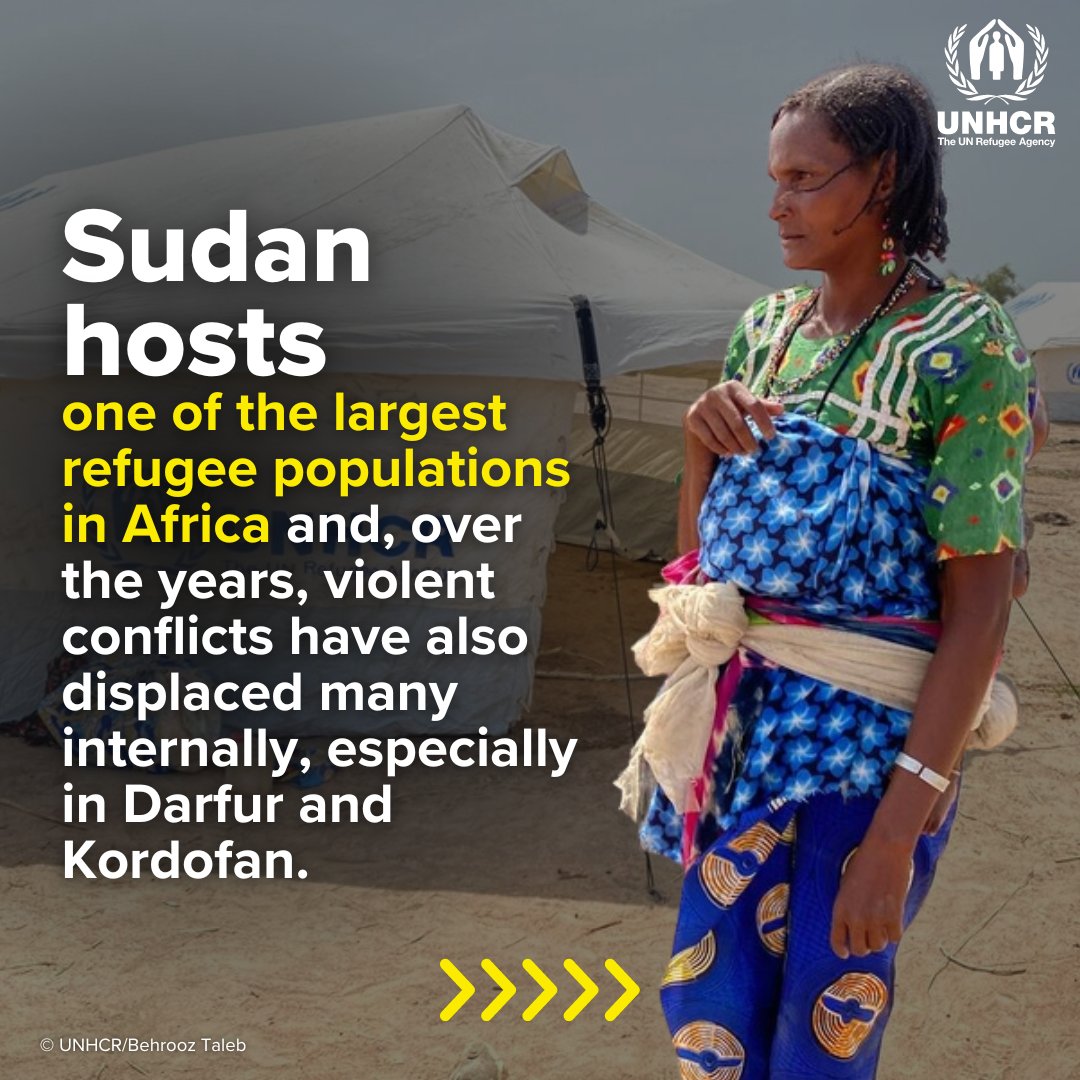
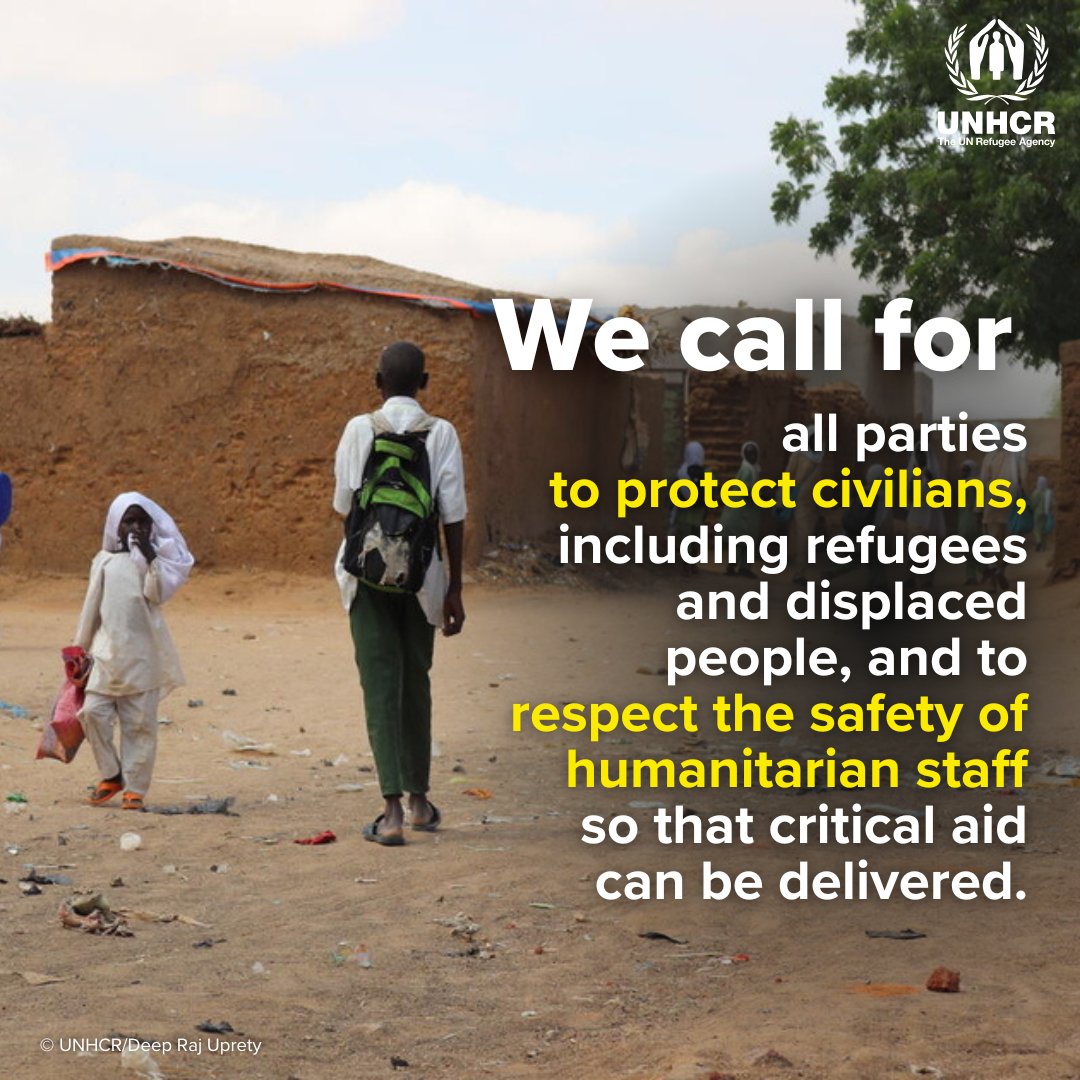
We are alarmed over the ongoing armed clashes in Sudan.
Swipe to learn what’s happening in the country right nowWe are alarmed over the ongoing armed clashes in Sudan.
Swipe to learn what’s happening in the country right nowWe are alarmed over the ongoing armed clashes in Sudan.
Swipe to learn what’s happening in the country right nowWe are alarmed over the ongoing armed clashes in Sudan.
Swipe to learn what’s happening in the country right nowWe are alarmed over the ongoing armed clashes in Sudan.
Swipe to learn what’s happening in the country right nowWe are alarmed over the ongoing armed clashes in Sudan.
Swipe to learn what’s happening in the country right now.
“It is a catastrophe, I’ve never seen something like that.”
Lebanon is in a state of emergency following a massive explosion in Beirut that killed at least 100 people and injured thousands.
Follow our LIVE coverage on the #BeirutBlast: https://t.co/8qEDq3qL5R
Today, with stay-at-home measures causing many of us to be at home in our neighborhoods, it's more important now than ever that we are vigilant to pay attention to those around us. Help bring a hidden crime into plain sight. If you suspect it, report it. https://t.co/hwMmP3xBT3
DID YOU KNOW: Human Trafficking looks different all over the world? Our global awareness campaign #CanYouSeeMe, unpacks common trafficking scenarios for a by country–educating people everywhere to report suspected trafficking scenarios. Learn more: https://t.co/hwMmP3xBT3