My hot take is the Pacino was better than Brando in part 1 and was right to not show up to the Oscar’s after not getting nominating in the Best Actor category
I was wrong btw.. DeNiro’s performance in Godfather part 2, tho outstanding, wasn’t better than Pacino’s. Pacino just thrashed every bar in acting and set a new ceiling with the character of Michael. The way he acted with his eyes, countenance and physicality needs to studied
@Sageof6turtles This is true but there’s something funny about reading reviews with 10 or A+ ratings and the first sentence is something along the lines of “Now this isn’t perfect but…”
When I still played MyCareer I would purposely miss shots/not call for the ball so my stats stayed realistic, have bad games on purpose vs rivals to drum up narratives, and sometimes throw game 7s to manufacture adversity.
Its all about the story. Not fun to go 82-0 w 40/12/12
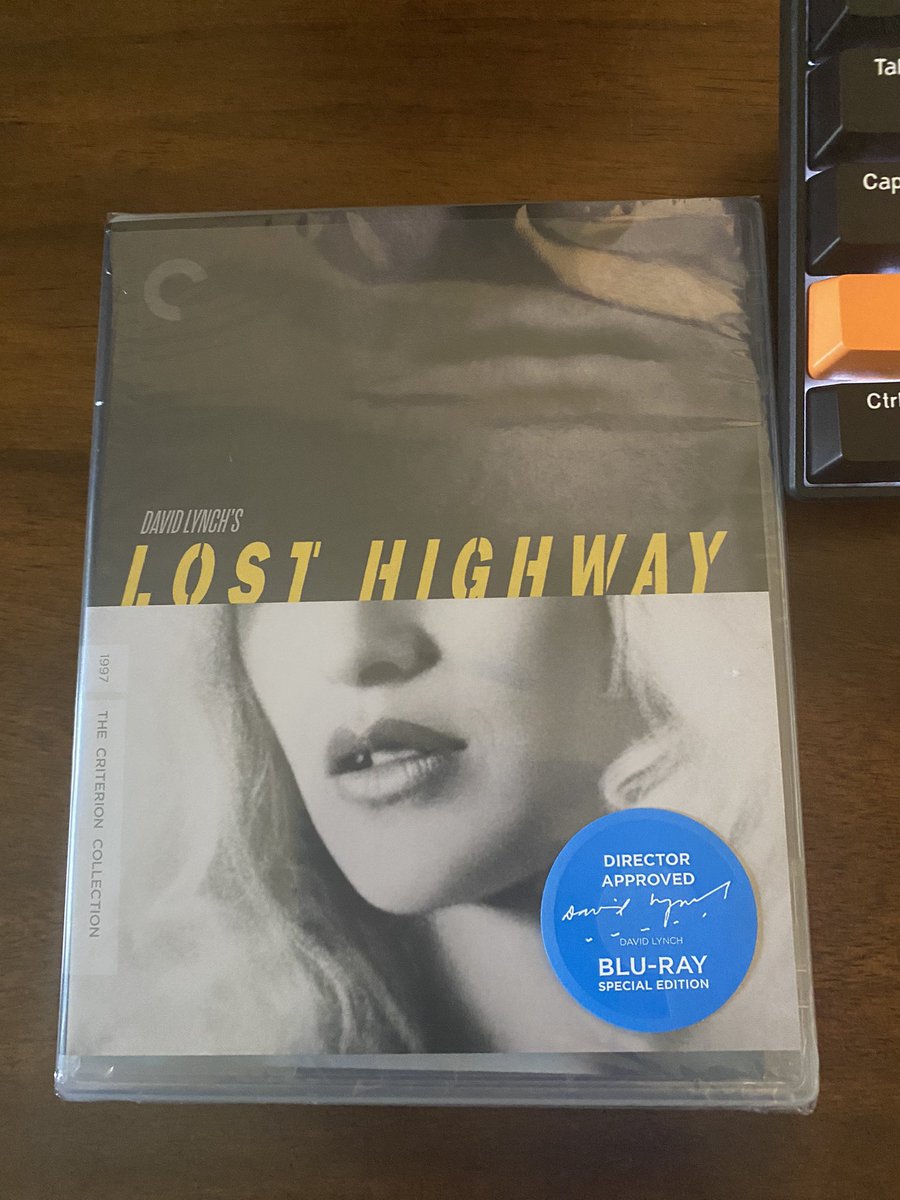
Michael Mann, despite usually telling stories about hardened criminals or the people affected by them, believes in beauty. And I love how he does director's commentaries on his Blu-rays what a GOAT.
In Heat, the scene with Robert De Niro and Amy Brenneman looking out over the Los Angeles skyline, is one of the most beautiful shots in all of crime cinema. However, it was also incredibly difficult to pull off in 1995, before the introduction of digital cinematography
Heat was shot on Kodak EXR 500T 5298, a fast tungsten-balanced film stock designed for low-light photography. This allowed cinematographer Dante Spinotti to shoot night scenes without blasting the actors with harsh movie lights. Instead, he could rely on softer, more naturalistic light sources, while still allowing the audience to see deep into the darkness of nighttime Los Angeles.
That stock was ideal for the terrace scene between De Niro and Brenneman. It could capture the soft light spilling from De Niro’s house onto their faces, keeping the scene intimate and natural. But there was still a problem: they were working on film. Once they exposed correctly for the actors, the background of Los Angeles’ skyline disappeared into darkness.
Michael Mann wanted to preserve the brilliance of the cityscape, and the way it reflected off the night clouds, while still maintaining that soft, romantic glow on the actors. So Spinotti came up with a clever solution.
He shot the background separately using Panavision Primo lenses opened all the way to T2, meaning the aperture was set extremely wide so the lens could take in as much light as possible.
First, he shot the night sky at 4 frames per second. Because the camera was running much slower than normal, each frame was exposed for longer, giving the film more time to absorb the faint light in the sky.
Then he shot the skyline separately at 12 frames per second. This gave the lights more brightness and clarity.
He also pushed the film one stop. In simple terms, he shot the film as if it needed less light than it actually did, then had the lab develop it longer to bring the brightness back up. This made the city lights register far more strongly, while the darker parts of the image fell deeper into black - creating what Spinotti described as a glowing “ocean of lights.”
They then shot the scene on location with a greenscreen placed behind or, in some setups, in front of the actors. What you’re seeing in the final shot is three separate film elements - the sky, the city lights, and the actors - all exposed differently, at different frame rates, then combined through digital compositing into a single image.
The result is strangely beautiful. De Niro and Brenneman seem almost suspended in mid-air, floating above the city lights, giving the moment an almost abstract, dreamlike quality - one that perfectly complements the overall tone of the scene.