Dan Ariely showed 100 MIT students an old Economist offer: web $59, print $125, print and web $125. 84 chose print and web. Without the print offer, 68 chose web. No one picked print, and it still moved 52 students to the bundle.
In 2003, organ donor consent was 12% in Germany and 99.98% in Austria. Germans had to sign up to become donors. Austrians had to sign up to stop being one. Whoever sets the default, answers for everyone who never opens the form.
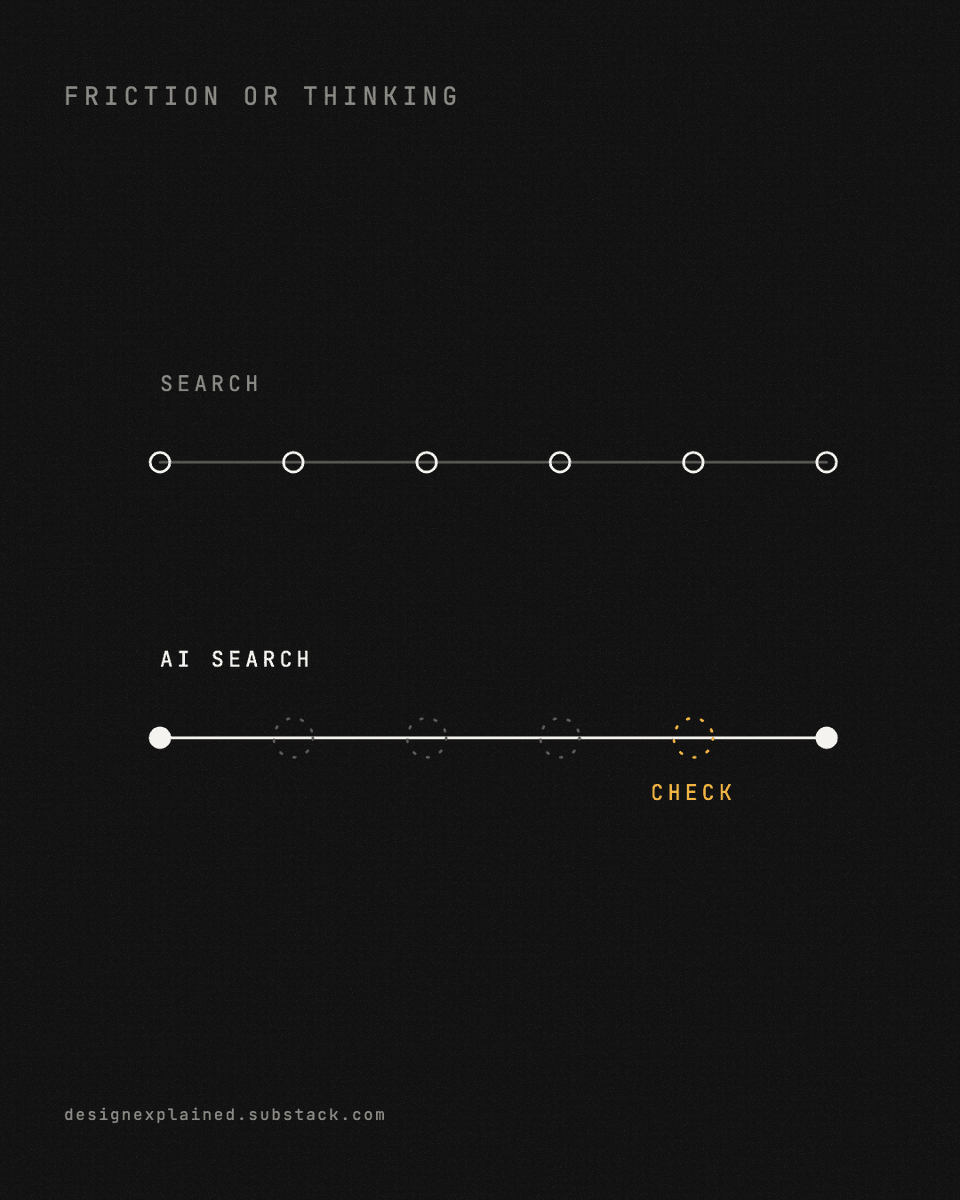
Search used to mean picking a link, deciding whether to believe it, and checking another source. AI search answers in seconds and hands you chips to refine it. You choose among options the engine wrote. Each step a product removes was a step where someone checked something.
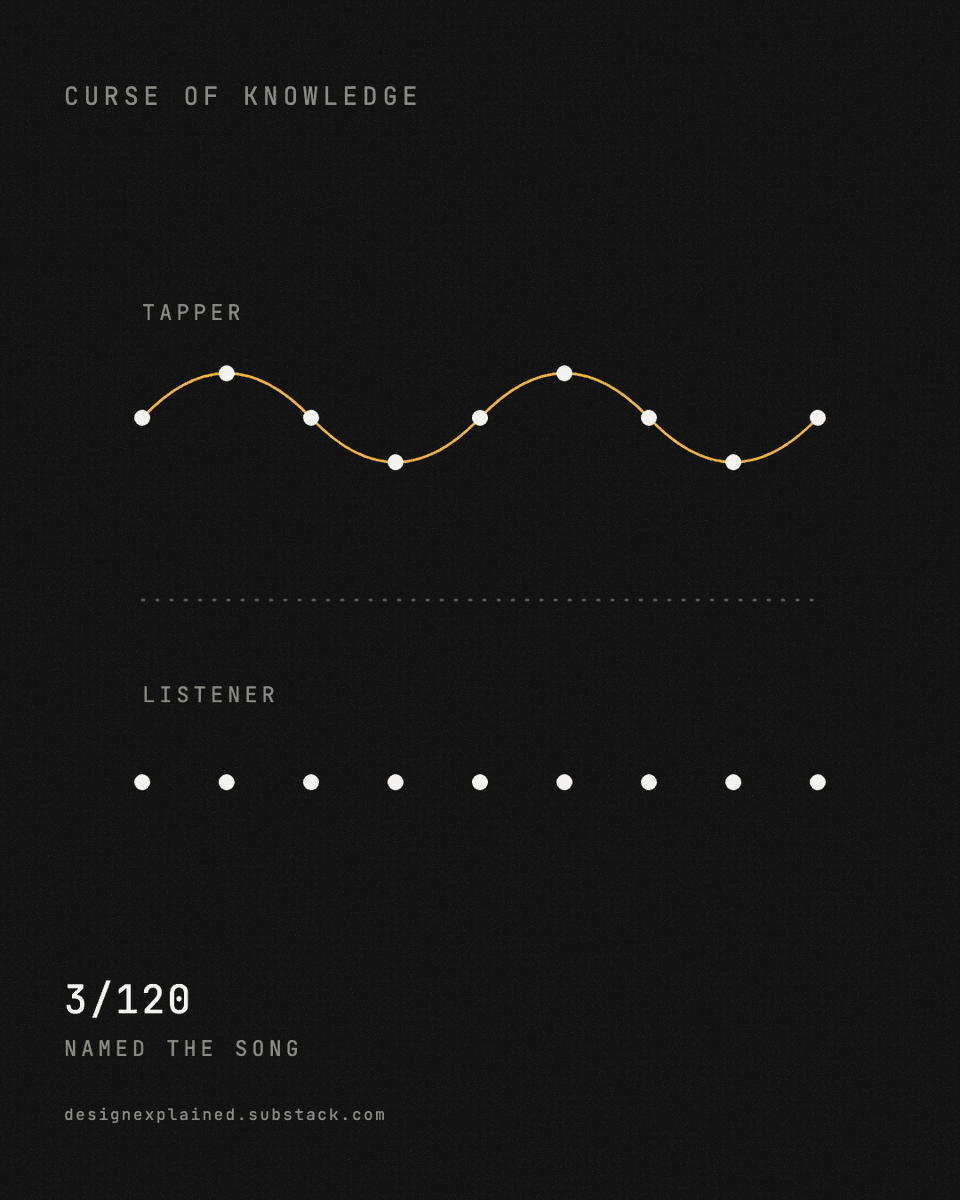
Elizabeth Newton had people tap out songs like Happy Birthday for a listener. Tappers expected half the listeners to name the song. Three of 120 did. Tappers heard the melody in their heads, and listeners heard knocking. Your team hears the melody in its own menu labels.
@gregisenberg "build for solving loneliness (the more AI floods everything, the more people crave real human connection, IRL and small social)" 🫡
Exactly doing this @artconnectsclub by connecting people through movies and series.
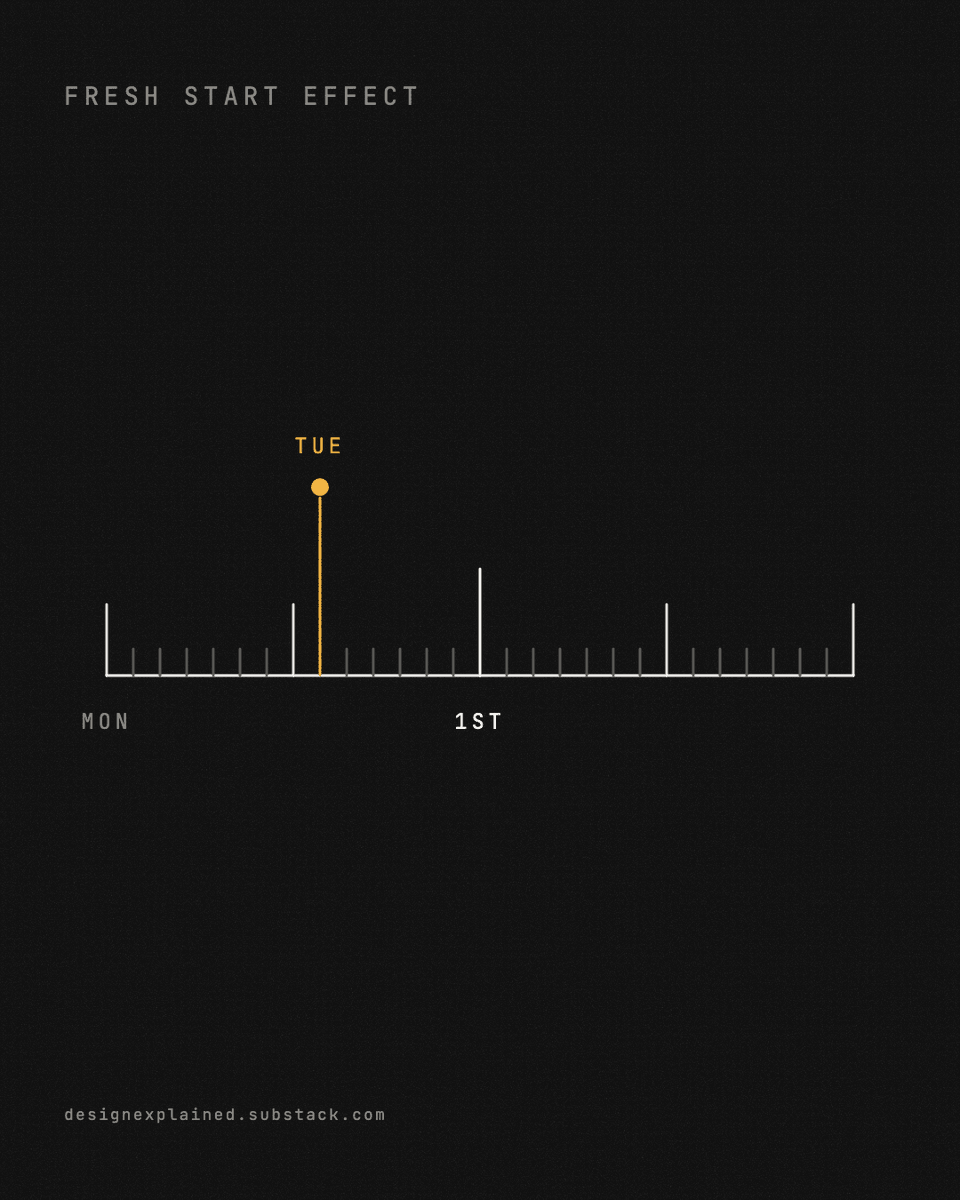
Last week I saw Jordyn Gleason's word for 2026: discipline. My first thought was to save it for 2027. Dai and Milkman found that people search "diet" more on Mondays and on the first of the month. A product that offers a fresh start on a Tuesday catches people before January.
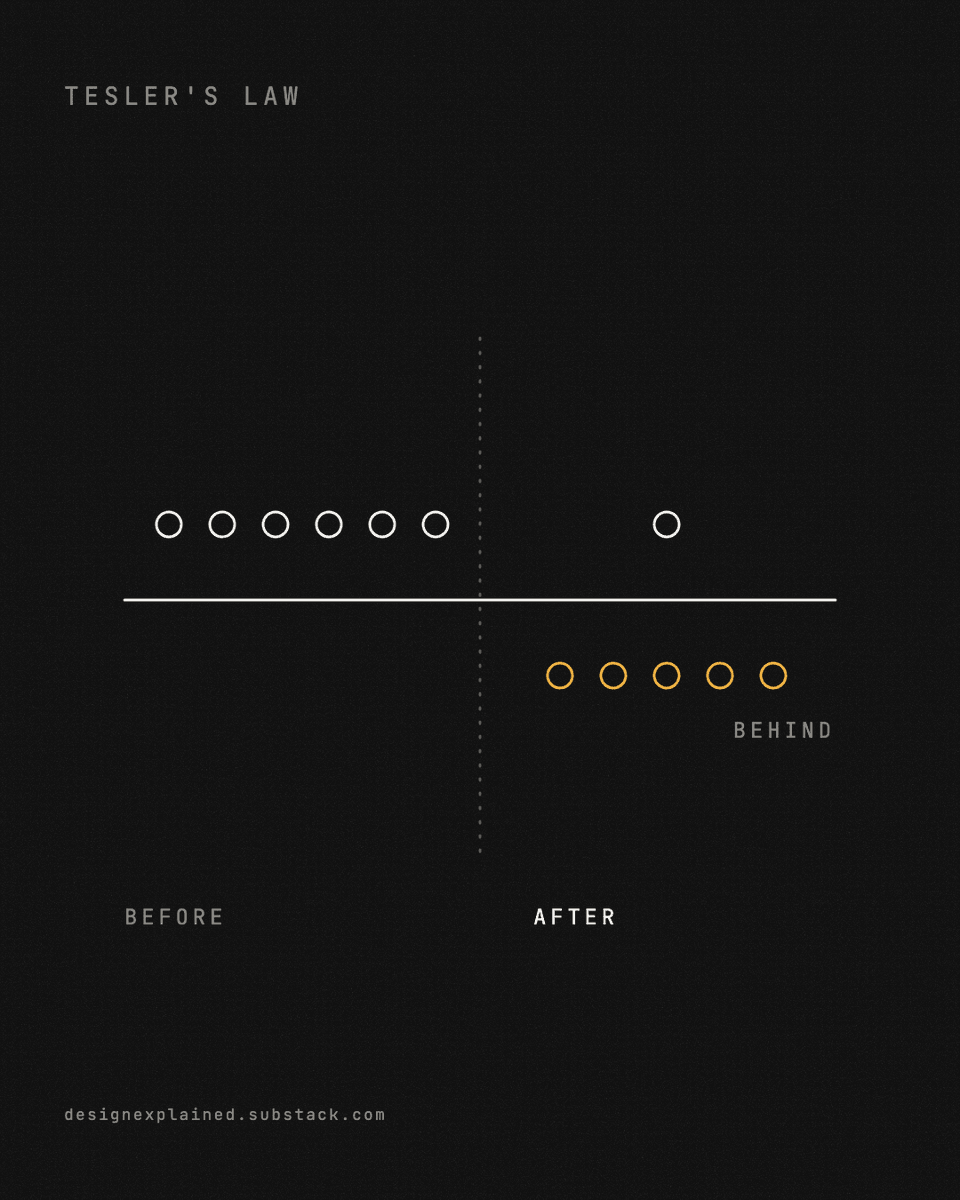
Uber took the payment out of the ride. You get out and walk away. Uber moved that work to stored cards, fraud checks, and a support queue of disputed fares. Every simple screen has someone behind it carrying the part you removed. Decide who before you ship.
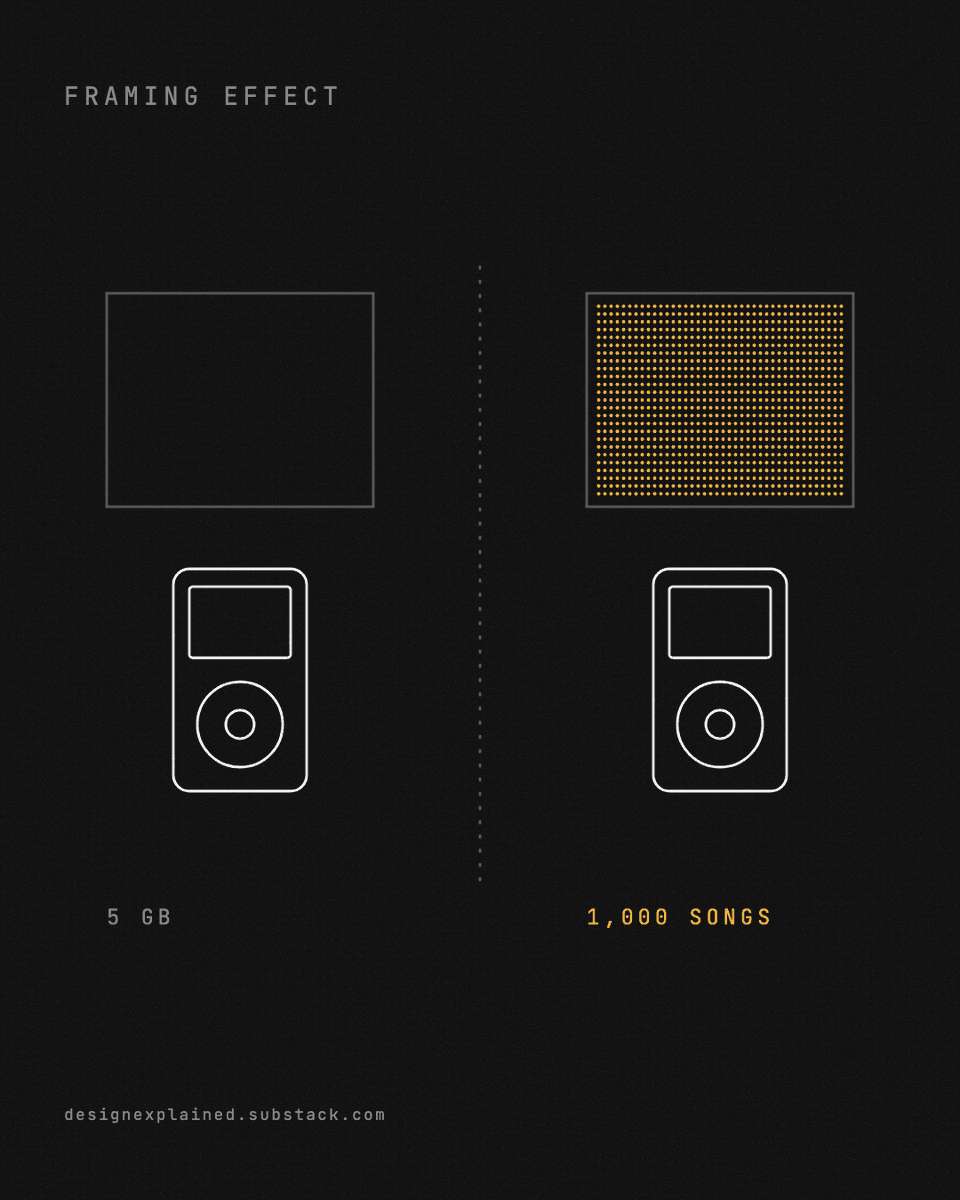
In 2001, other MP3 players sold on gigabytes. Apple launched the iPod with 5 GB and one line: 1,000 songs in your pocket. People could picture their whole record shelf in a jeans pocket. Write the sentence your buyer would say to a friend after a week with it.
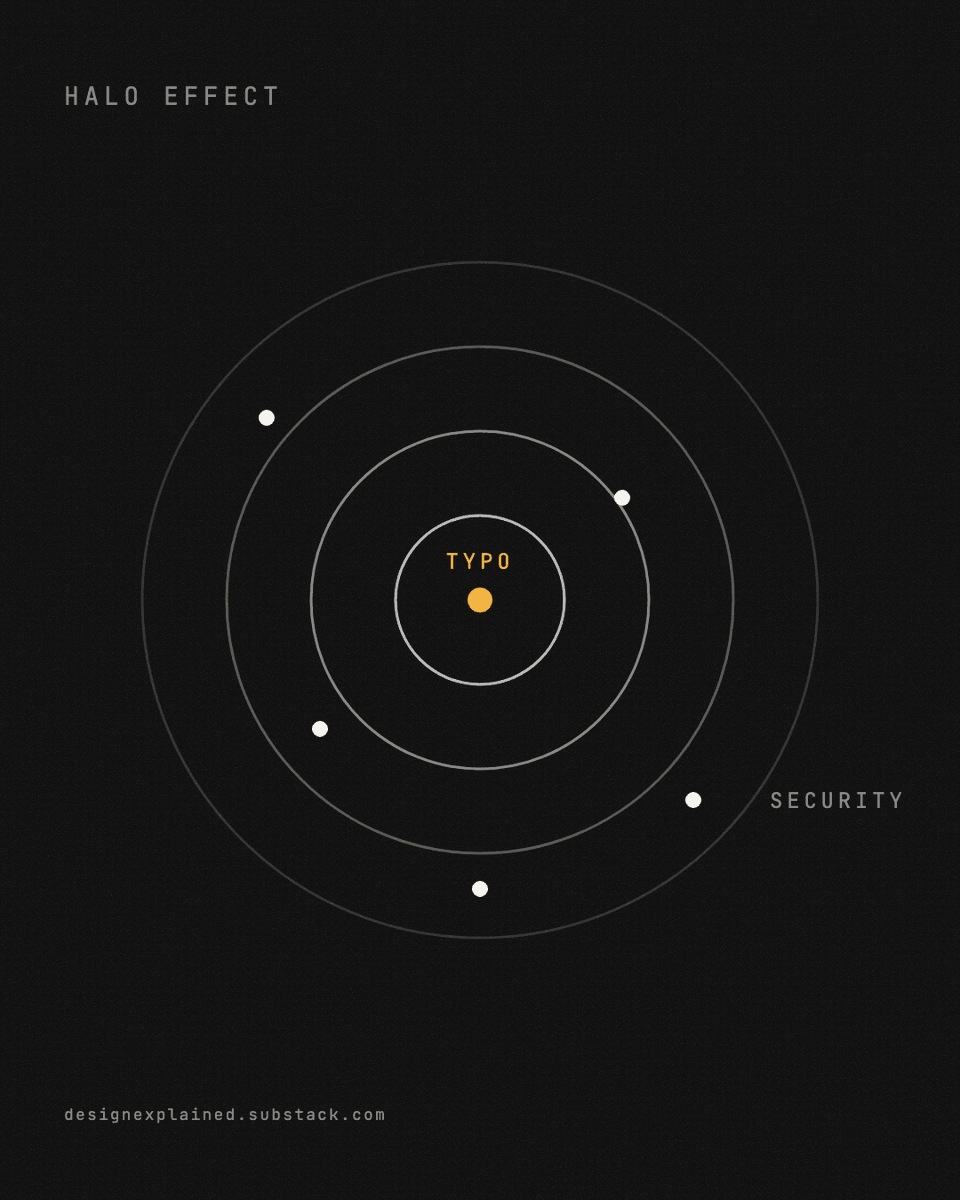
B.J. Fogg's lab asked 2,684 people how they judge a website's credibility. Almost half their comments were about the look: layout, type, color. People decide whether to believe the words before they read them. A typo on your pricing page costs trust on the security page.
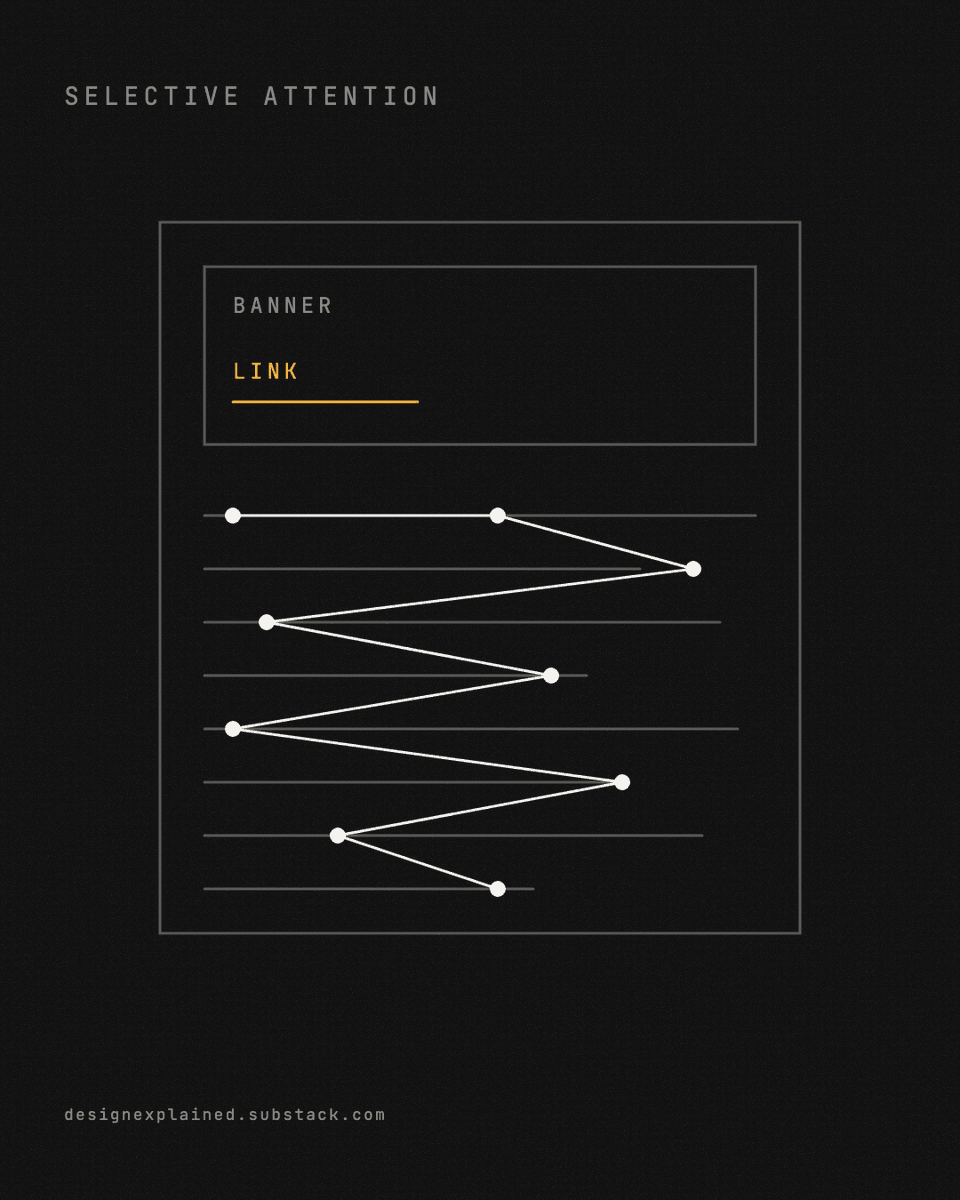
In 1998, Rice University researchers put the link people had to find in a large, bright banner. Many missed it, even though it was the biggest thing on the page. The banner looked like an ad, and people skip ads. If users must see it, make it look like what they came for.