Inside Plaurora: The North does not forgive architectural ego. In places shaped by cold, darkness, and isolation, architecture is not about spectacle; it is about survival, stability, and dignity.
In Part II of Warren Borg’s conversation with Angela Kontgen, the discussion moves beyond aesthetics and into the deeper responsibility of shelter itself. A building may protect the body, but if it diminishes pride, belonging, and meaning, it has failed in ways no energy model can measure.
Good northern architecture should not dominate the landscape or perform for attention. It should sit quietly and truthfully within it, allowing people to feel both small within the vastness of the land and deeply grounded within it.
#NorthernArchitecture #ArcticArchitecture #Nunavut #Architecture #DesignMatters #HumanCenteredDesign #DignityInDesign #Shelter #ArcticLiving #CanadianArchitecture #BuiltEnvironment #ArchitectureAndCulture #NorthernHousing #SustainableDesign #PrideOfPlace #ArchitectureTheory #MeaningfulArchitecture #ArchitecturalDesign #ColdClimateDesign #ResilientDesign #CommunityDesign #DesignWithPurpose #ArchitectureInterview #AngelaKontgen #WarrenBorg #BuiltForTheNorth #NorthernCommunities #BeautyAndBelonging #BorgArchitect #PlauroraMagazine
We are excited to welcome a new team member, Magnus Glennie!
Magnus joins us with 4.5 years of experience in architecture firms across Canada, with a Master’s of Architecture from Carleton University and accreditation from the Living Futures Institute. He is beginning his Internship in Architecture Program with us to become registered as an Architect in Ontario.
Originally from rural Vancouver Island, Magnus is passionate about the impacts of land-based design on small communities and sensitive ecologies. His Master's thesis addresses industrial waste site remediation within the broader conversation of intergenerational land healing, a theme that continues to motivate his approach as a designer.
Completed project: Pond Inlet - Men's Boarding House
Adaptive reuse is never just about buildings. For our team, it is always about people, about memory, and about the kind of future a community wants to create for itself.
In Pond Inlet, our work on Building 207 has been exactly that. This is not a new build. It is a building that has been part of the community for decades, originally constructed in the late 1960s and sitting empty for over ten years. Bringing it back to life as a men’s shelter is about giving it a new purpose that responds to real needs today.
When we first looked at the building, it was clear this would not be a simple renovation. The structure itself had good bones, but almost everything else needed attention. Systems were at the end of their life. Interiors had deteriorated after years of being unheated and unused. In many ways, we were starting from scratch, while still respecting what was already there. That is where adaptive reuse becomes meaningful. Instead of walking away from an aging building, we lean into it. We ask what it can become.
The new layout is intentionally straightforward. Four bedrooms, shared washrooms, a kitchen, and a living and dining space. These are the basics, but they matter. They create a sense of stability and routine. Beyond that, we have included spaces for staff, meetings, and an elder room. Those pieces are just as important. They recognize that support is not only about shelter, it is about connection, guidance, and cultural grounding.
Working in the North changes how we think about design. Every decision carries weight. Materials, systems, timing, all of it has to work within tight logistical realities and a harsh climate. Upgrading insulation, replacing mechanical and electrical systems, and planning around sealift schedules are not side considerations. They are central to making sure the building works long term .
But at the end of the day, the technical work is only part of the story.
What matters most to our team is what this building will mean once it is in use. By reusing what is already here, we are not just conserving resources. We are keeping a piece of the community fabric intact and giving it new life. The building stays familiar, but its purpose shifts toward care, safety, and support.
This project is a reminder that good design starts with listening. It is about understanding what is needed, working with what exists, and creating something that feels grounded in place. In Pond Inlet, this is more than a renovation. It is a step toward stronger community support, built from something that was already part of the story.
#AdaptiveReuse
#PondInlet
#NunavutArchitecture
#CommunityArchitecture
#ArchitectureForPeople
#NorthernDesign
#BuiltForPurpose
#CulturalContinuity
#PrideOfPlace
#EnduringBuildings
#ArchitectureInContext
#CommunitySupport
#ArchitectureForGood
#DesignForDignity
#HousingMatters
#SocialInfrastructure
#BuiltForPeople
#PlaceAndBelonging
#Borgarchitect
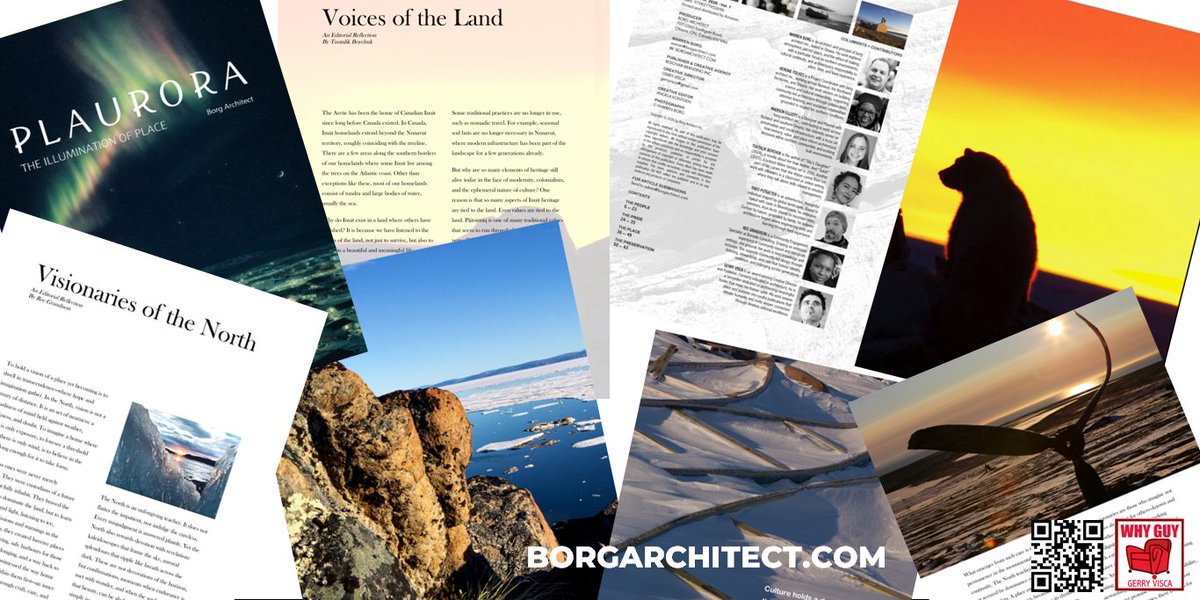
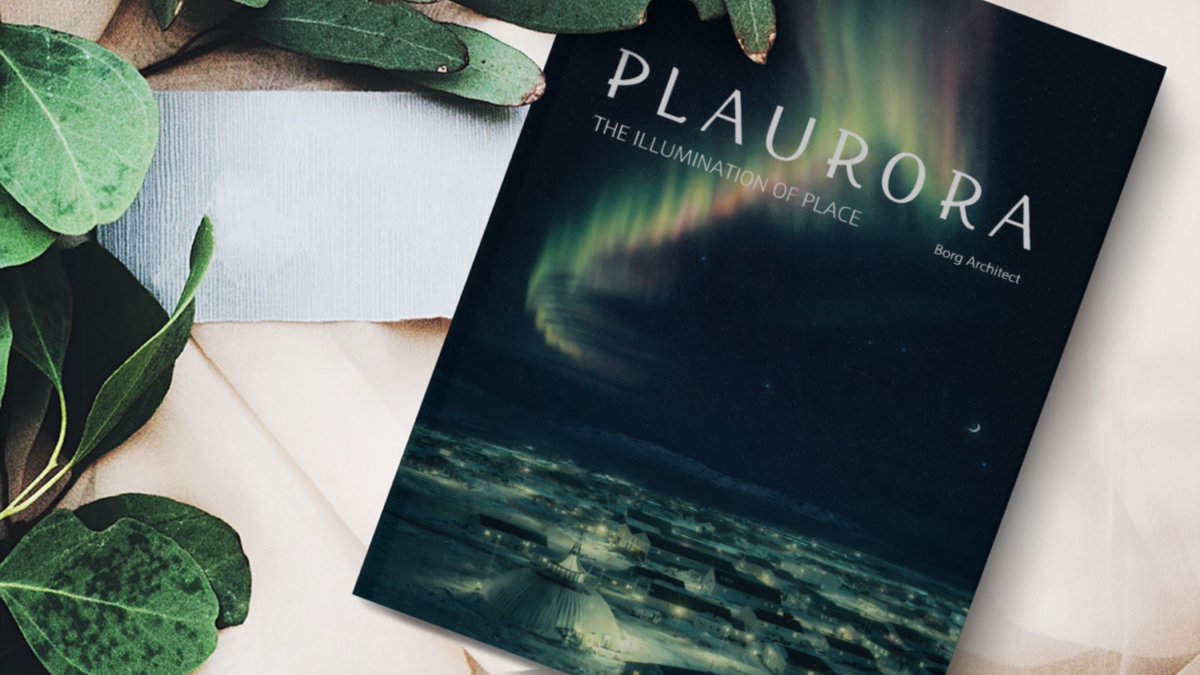
A first glimpse inside the Plaurora Magazine.
Pages shaped by architecture, culture, craft, and the enduring value of beauty in the built world.
Launching March 31.
Team retreat in Rome.
A visit to the Pantheon while exploring the city together. One of those places that reminds you how lasting good design can be.
A great day, a beautiful space, and a nice moment to share as a team.
#Rome#Pantheon#TeamRetreat#Architecture #DesignInspiration #TraveIAndDesign #BorgArchitect
Team retreat in Rome.
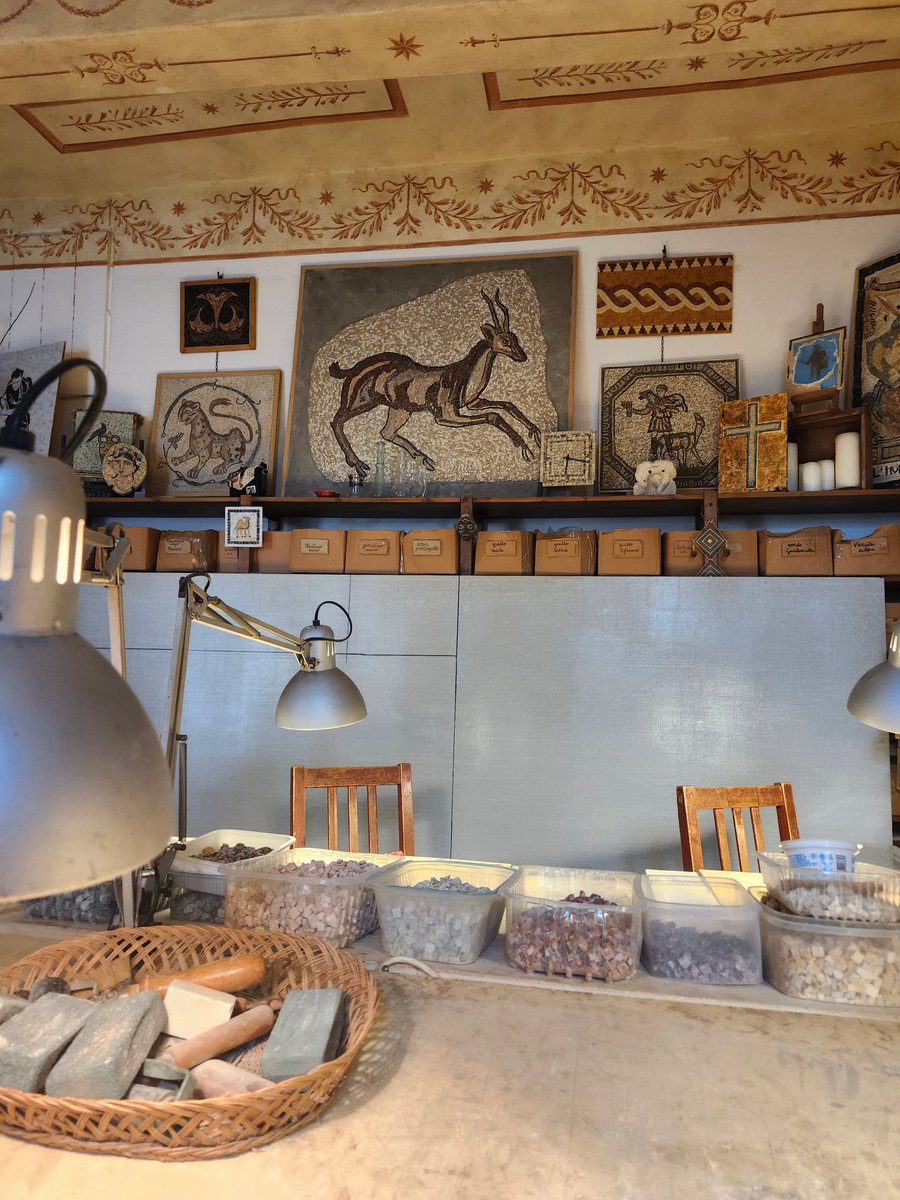
While in Trastevere, we took part in a mosaic-making workshop and had a chance to slow down and make something by hand. It was a great reminder that good work often comes together piece by piece.
A nice way to spend time together, learn something new, and enjoy a bit of the city.
@JasminLaine_ This is a multi-factor issue. Homes going to Nunavut are substantially more expensive and require specialized expertise. Not surprisingly few are realized. In centres, creativity needs to be prioritized and nimbyism should be challenged. “Solutions,” not “a solution.” I’m ready.