Botanist @ Royal Botanic Gardens Victoria, ex Kuala Lumpur, London & Cambridge. All images my own & from nature unless indicated. “@botany.doc” on Insta
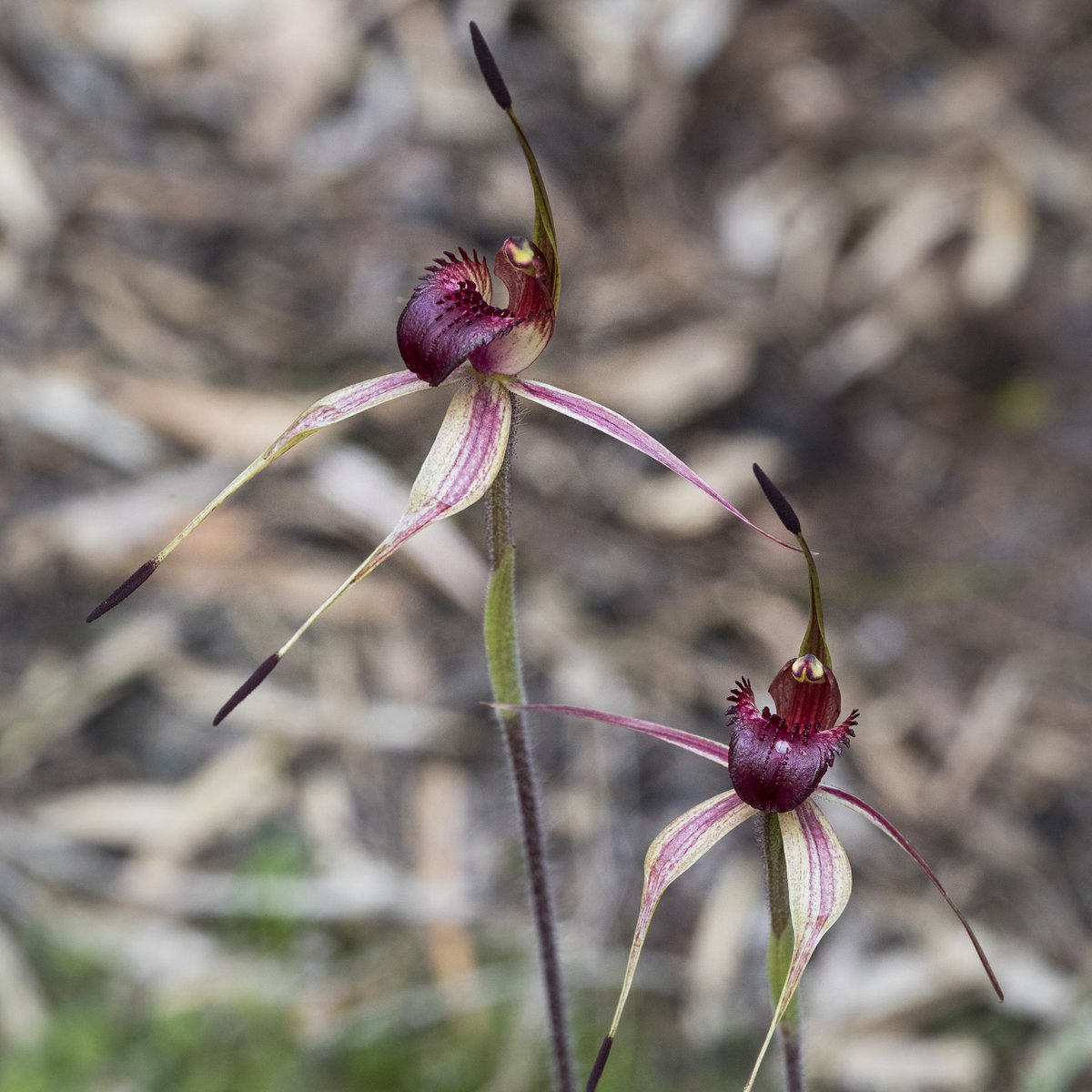
@RBG_Victoria scientists with @ParksVictoria, @DEECA_Vic and volunteers have reintroduced 230 CR 𝘊𝘢𝘭𝘢𝘥𝘦𝘯𝘪𝘢 𝘢𝘶𝘥𝘢𝘴𝘪𝘪 into western Victoria following a successful trial with >80% survival and subsequent recruitment #RBGVScience 📸: John Woodward & Noushka Reiter
A collection of 23 watercolours by Elizabeth (Betty) Conabere (1929–2009) in Victoria's precious State Botanical Collection has been scanned. They will be available to view on our website later this year!
📸: Betty Conabere
#RBGVScience#royalbotanicgardensvic#watercolour
Our scientists are collecting leaf samples of endangered 𝘎𝘳𝘦𝘷𝘪𝘭𝘭𝘦𝘢 𝘱𝘢𝘳𝘷𝘶𝘭𝘢 to ensure our 𝘦𝘹 𝘴𝘪𝘵𝘶 collections represent the broadest possible genetic diversity of the species as insurance material against extinction events #RBGVScience#royalbotanicgardensvic
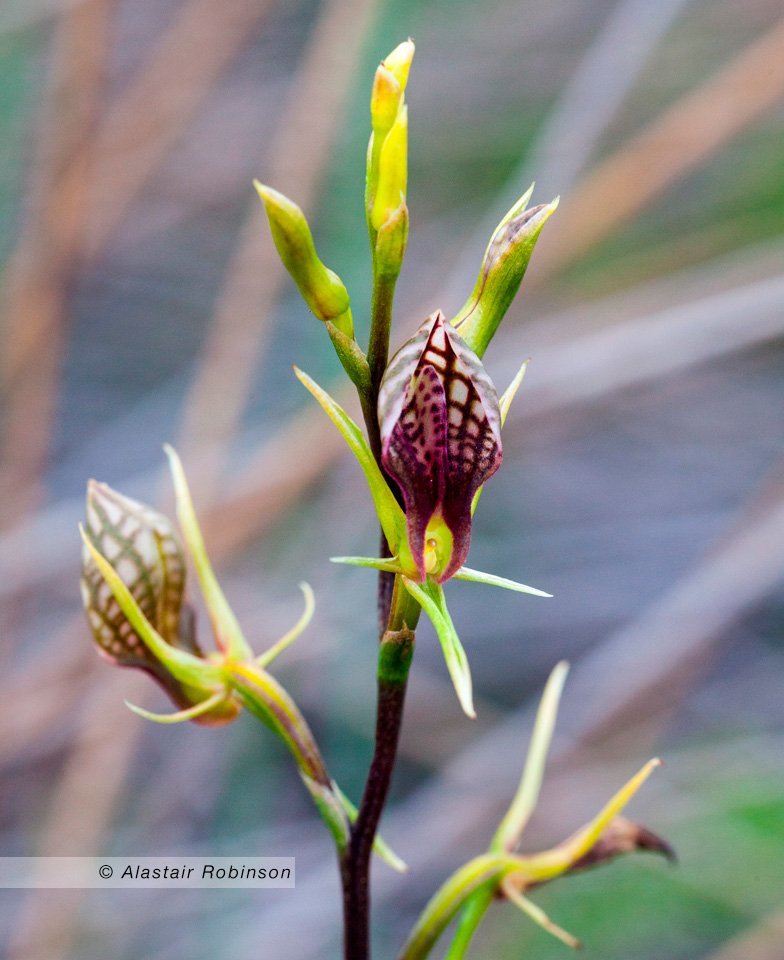
This week our Orchid Conservation Project leader Dr Noushka Reiter oversaw reintroductions of Critically Endangered 𝘊𝘢𝘭𝘢𝘥𝘦𝘯𝘪𝘢 𝘳𝘰𝘣𝘪𝘯𝘴𝘰𝘯𝘪𝘪 to native bushland increasing its chances of survival #RBGVScience#royalbotanicgardensvic
📸: Ryan Phillips & @BotanyDoc
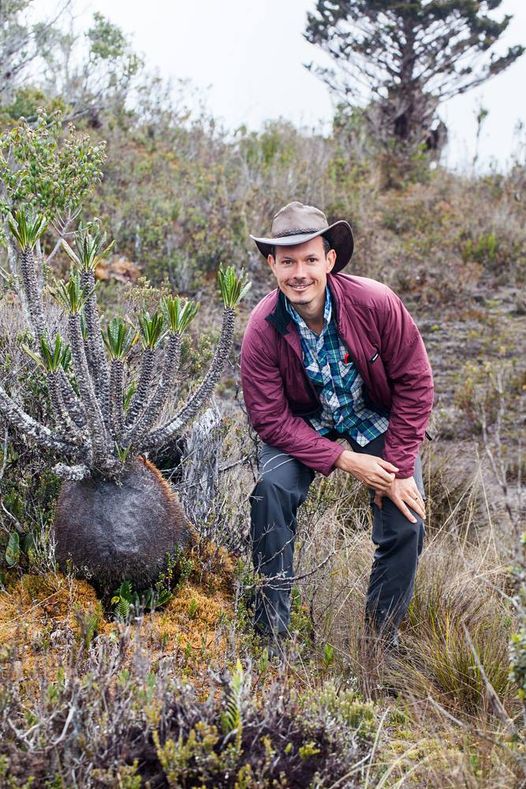
@timutteridge Hmm, I have serious food FOMO—the hardest thing about leaving Malaysia behind, besides family, was the food culture. Looking forward to a 5-mountain climbing trip (and the food in between) in July!
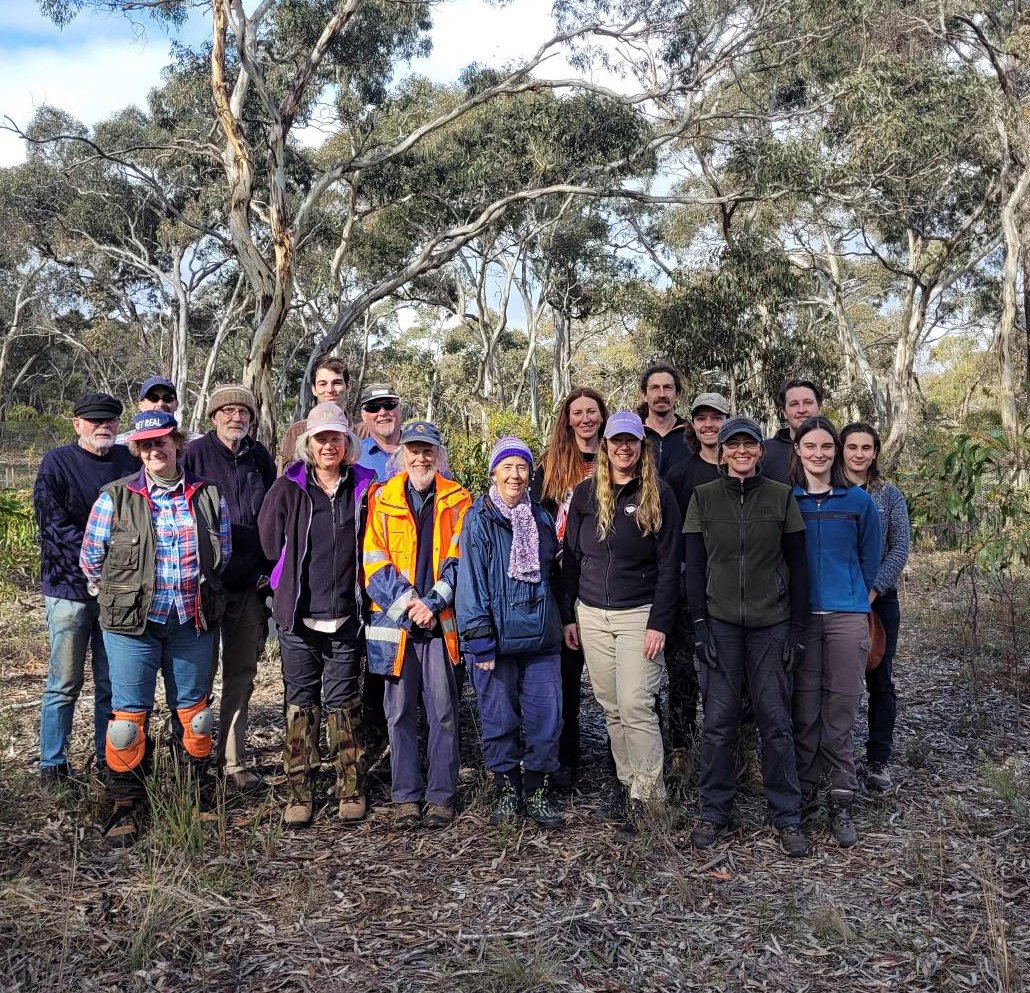
Our latest work deals with the use of sniffer-dogs to [successfully] locate one of the world's rarest fungi, 𝘏𝘺𝘱𝘰𝘤𝘳𝘦𝘰𝘱𝘴𝘪𝘴 𝘢𝘮𝘱𝘭𝘦𝘤𝘵𝘦𝘯𝘴! Paper here, plus ABC article on my most recent repost #royalbotanicgardensvic https://t.co/ucx6pCnjjh
After years of training, detection dog Daisy has used her incredible sense of smell to locate one of the rarest fungi in the world, tea-tree fingers. A fantastic collaboration between @ZoosVictoria & @RBG_Victoria#RBGVScience#royalbotanicgardensvic
https://t.co/sN5EPBBwPs
@Solofo_Kew @BryTheBotanist @TeamKMCC Among many lowland Nepenthes species, common pollinators are day-flying wasp moths like Amata huebneri. I’ll be interested to know if that is also the case in Madagascar as it is in SE Asia!
@HattSeb The polysaccharide matrix in Nepenthes attenborough certainly seems to have such qualities; I did not notice similar in undulatifolia as I did not tip out the fluid when we found this species in the wild. A grower might be able to assist.
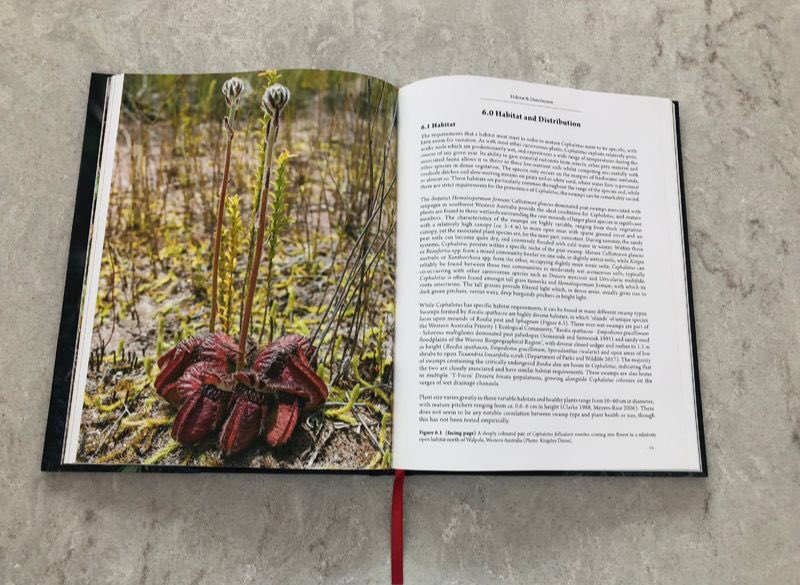
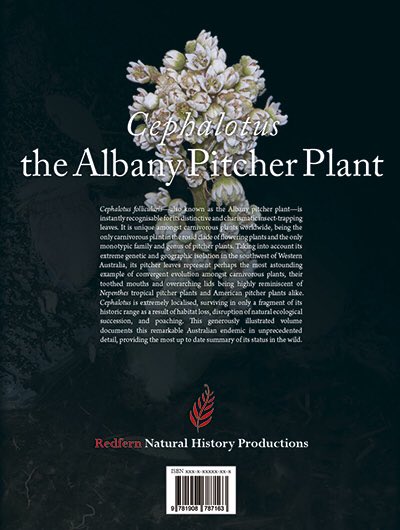
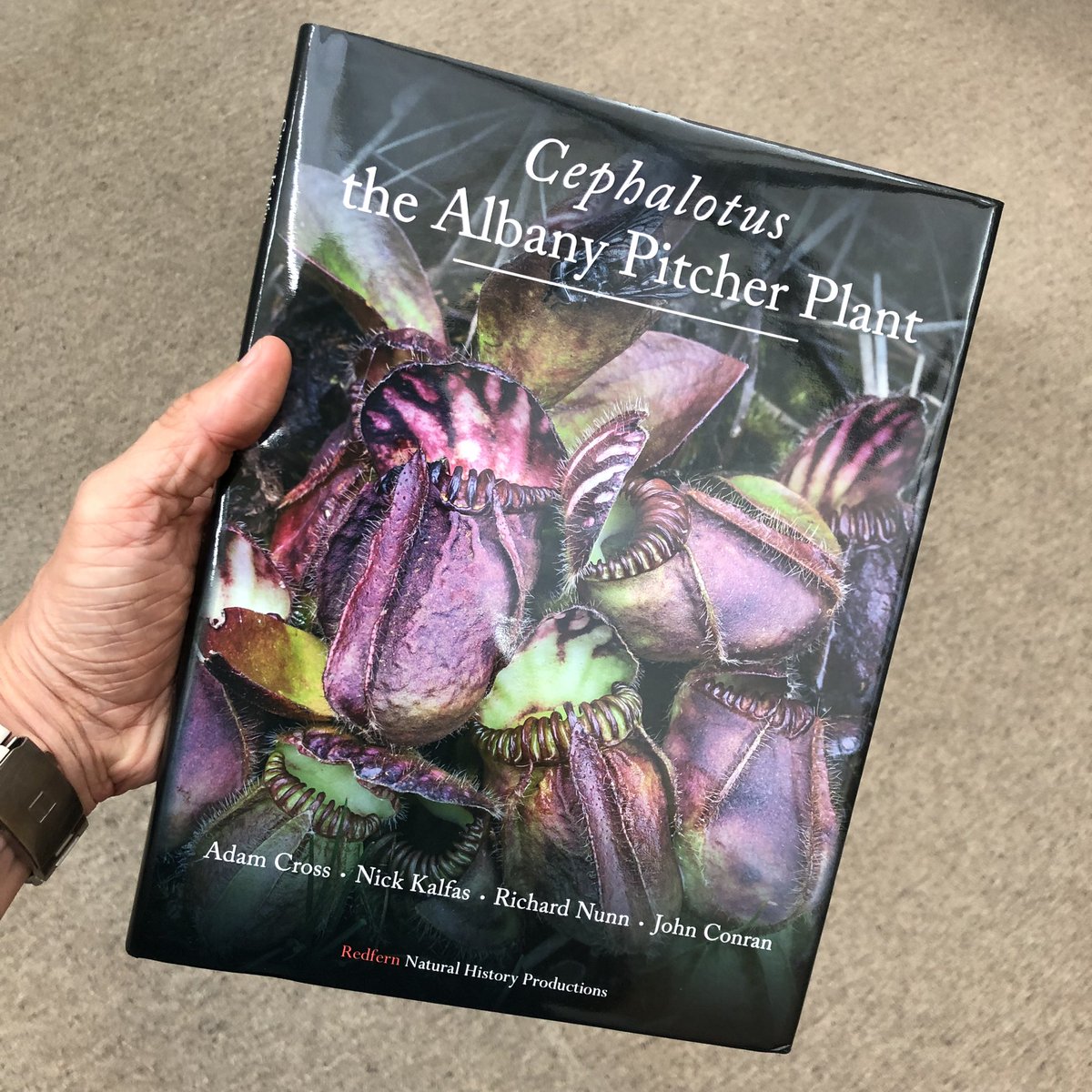
My last project before joining @RBG_Victoria has printed & shipped—introducing the monograph to Cephalotus, Australia’s most iconic carnivorous plant, a not-for-profit title synthesising all of the most recent research pertaining to this fascinating little plant #ozflora#botany
@thorogoodchris1@FFinches@JasonWilliams41@TheBotanics My pleasure Fiona, it’s beautifully grown. Chris, have you read the Bruyns (2018) paper? I hope that your results cause less frustration to taxonomists! Monophyly has never looked so bizarre!
@FFinches@JasonWilliams41@thorogoodchris1@TheBotanics The “Caralluma” is not a Caralluma but Duvalia sulcata subsp. sulcata. Caralluma tend to be upright and produce more or less terminal, congested inflorescences.
The terrestrial orchid Cryptostylis carinata was described from New Guinea in 1912 & thought endemic till we discovered a population on Palawan, the Philippines, in 2007. This species relies on pseudocopulation to effect pollination #botany#orchid#philippines#cryptostylis
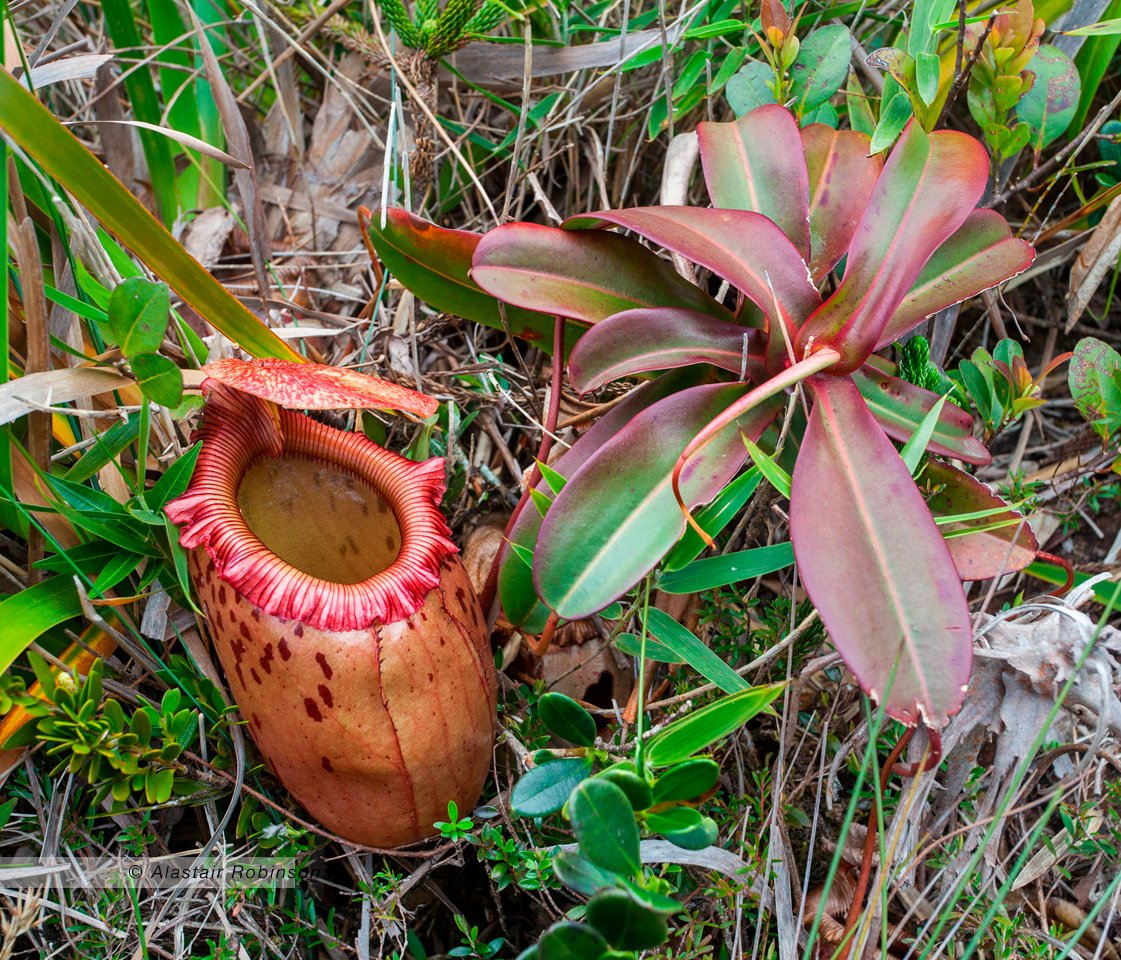
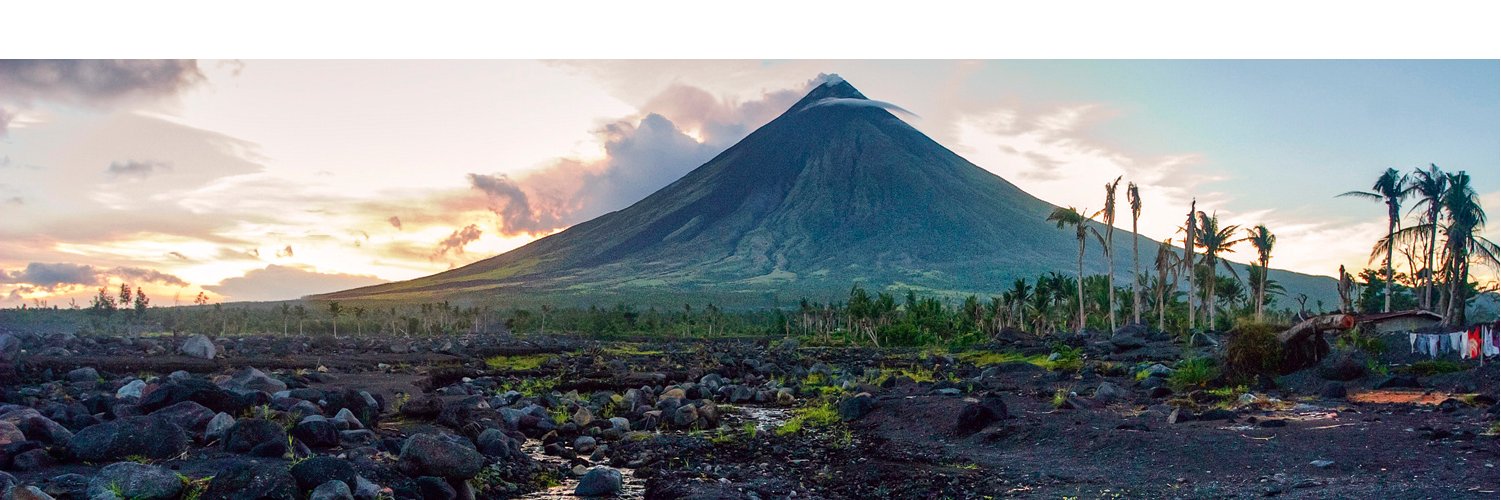
Nepenthes sibuyanensis is a rare tropical pitcher plant endemic to one mountain in Romblon Province, the Philippines. It grows primarily along open ridges on degraded ultramafic rubble at elevations of 1200–2000 metres #nepenthes#philippines#carnivorousplants#botany#plants













![BotanyDoc's tweet photo. Our latest work deals with the use of sniffer-dogs to [successfully] locate one of the world's rarest fungi, 𝘏𝘺𝘱𝘰𝘤𝘳𝘦𝘰𝘱𝘴𝘪𝘴 𝘢𝘮𝘱𝘭𝘦𝘤𝘵𝘦𝘯𝘴! Paper here, plus ABC article on my most recent repost #royalbotanicgardensvic https://t.co/ucx6pCnjjh https://t.co/RZDW6Qea2Y](https://pbs.twimg.com/media/GNvrOpWaEAA7Qyy.jpg)