self-eval + philosophy (long tweet):
for the record, A/C not on, no calcine, so peak moisture + my arm is cooked (probably need TJ), and I weigh maybe 145 after a 4-course steak dinner…but
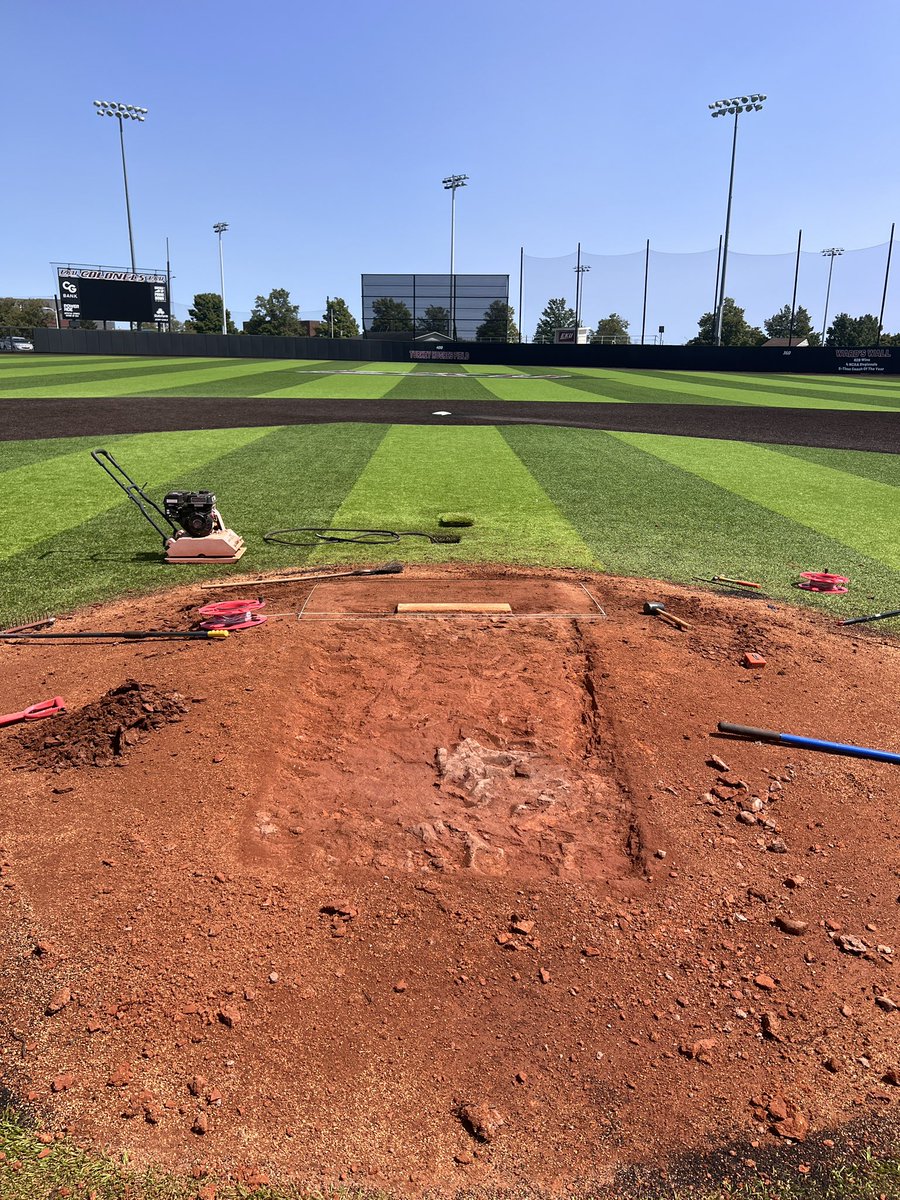
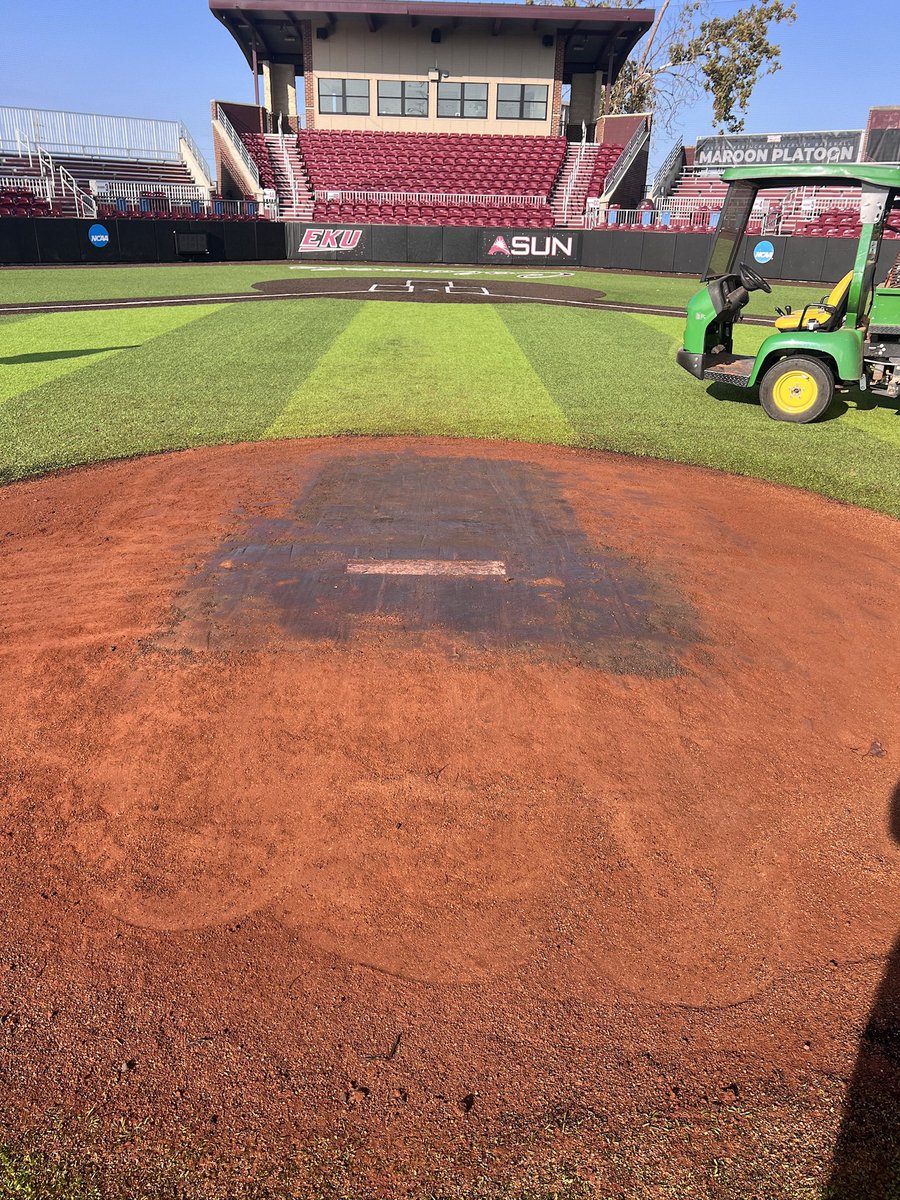
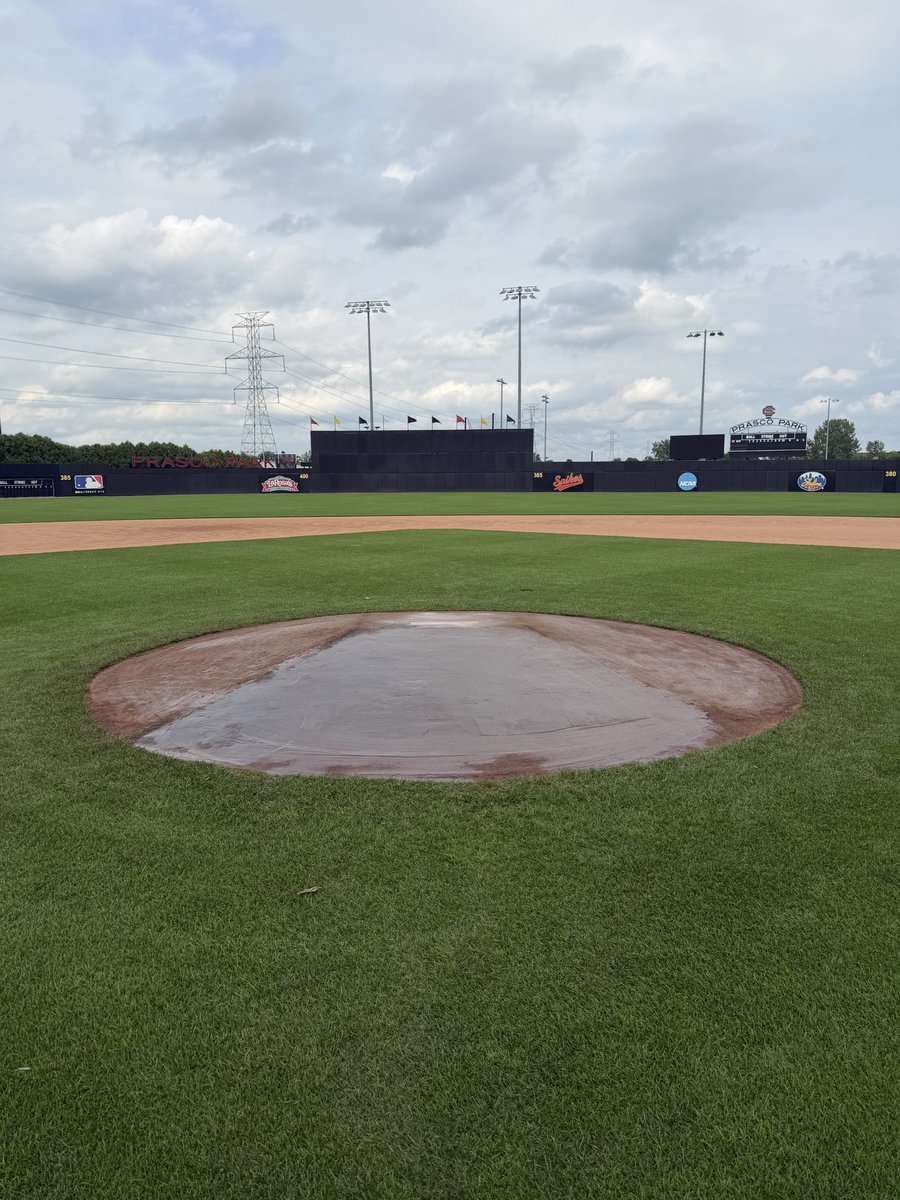
1. For me, good mound is as tight as possible AND as close to OMC as possible.
Wet + Not Tight = Slop
Not Wet + Tight = Rock
Wet + Tight = Ideal
2. She definitely grabs back, so you better lace your spikes up tight.
3. My mounds are designed to “set and go” Find your spot, set your in foot and throw. Some guys will dig in, but again, I try to get it where you don’t necessarily need to do that to get a strong foothold.
4. Red clay is not as clean to get in/out, but the black clay feels quite nice.
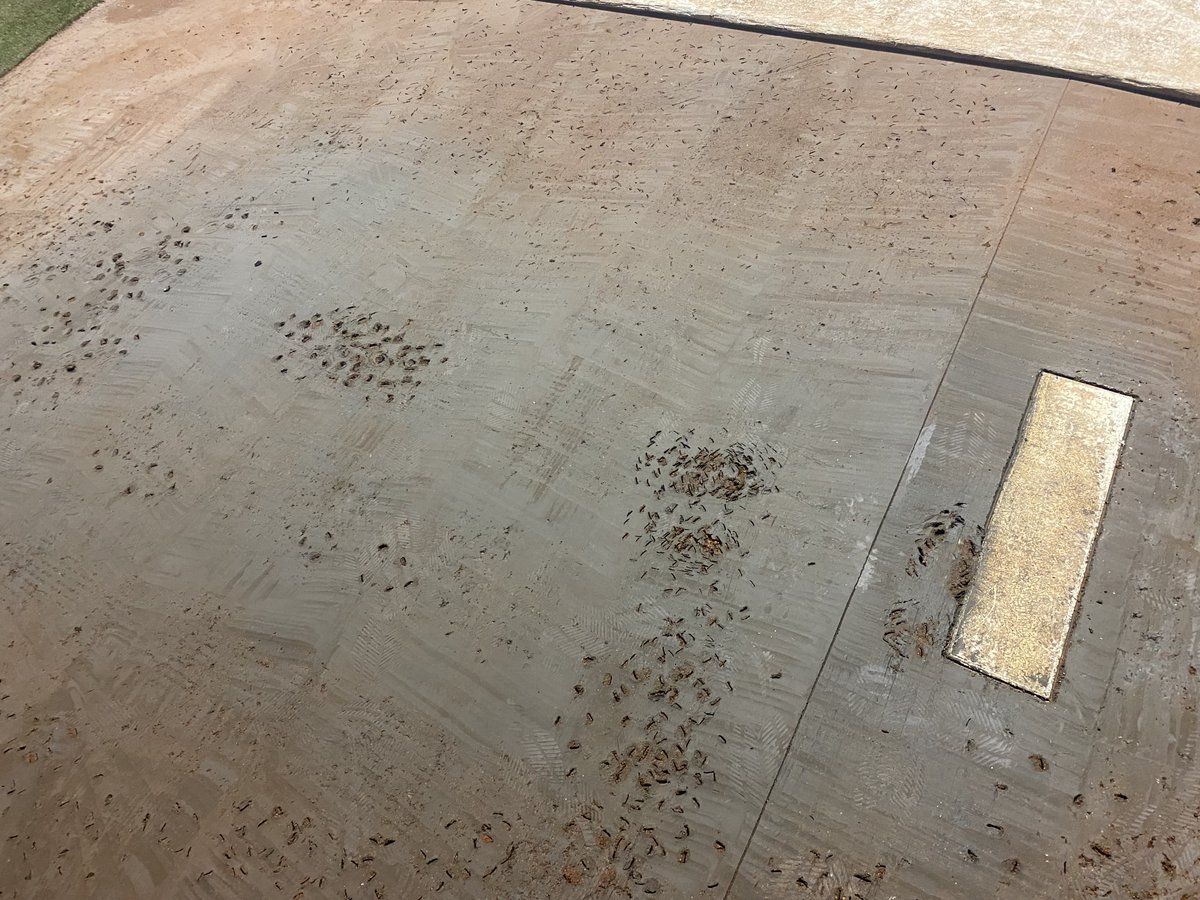
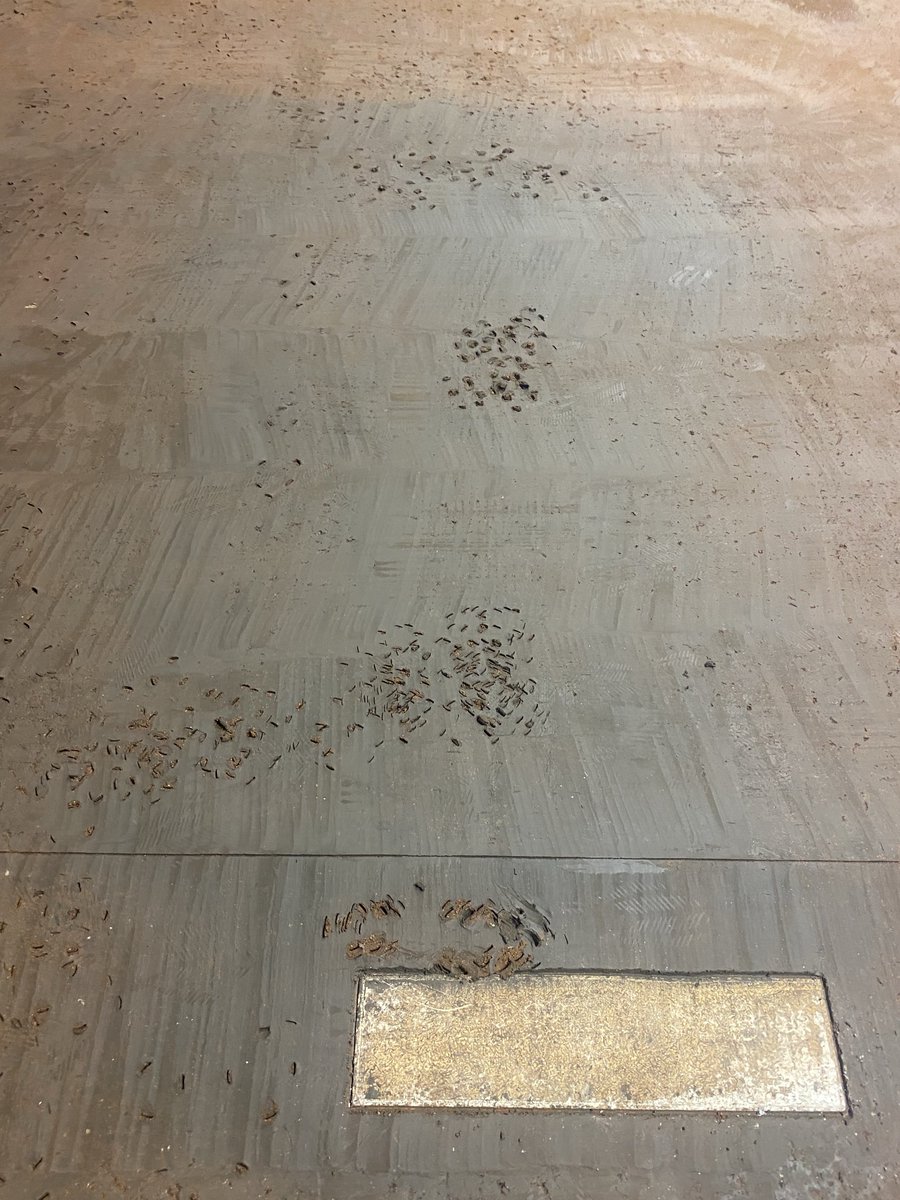
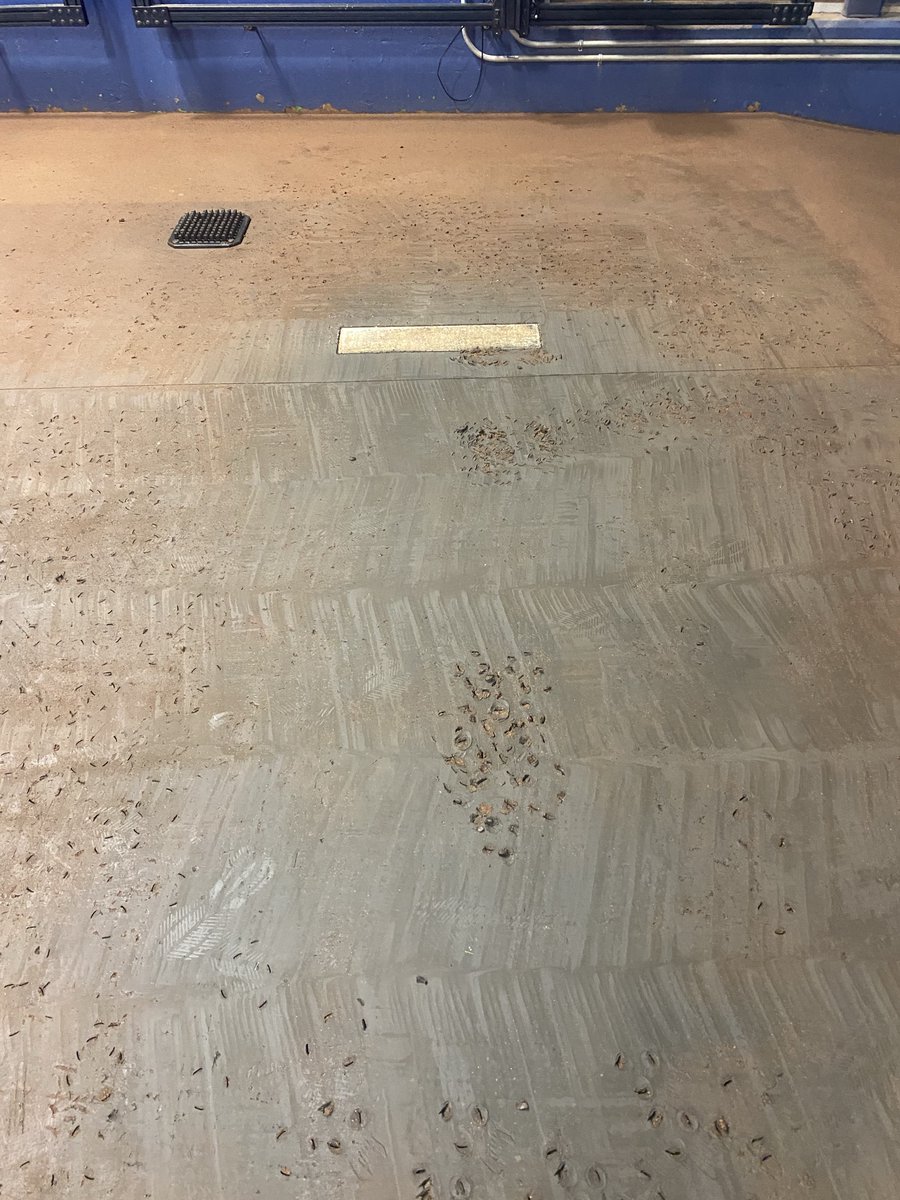
5. Before I patch, I always evaluate the damage. I don’t want big chunks. I want what I call blades/corkscrews, pieces that almost match the cleat pattern itself. The clay should almost “peel” out, but still attach to the surface. It should also be malleable in your fingers, while not falling apart. (can basically stick it back in the holes). Use the finest sifted clay you can to get the best results.
6. Pros/Cons of being indoors:
Once your moisture is established and sealed with a compactor, it’ll hold for a while. I don’t usually slick/skate, as i see no reason to, I like the vibe finish on the surface, and then a nice even coat of H2O for the day. I also like dressing the slopes as late as possible to keep my moisture.
However, I do run into issues with surface cracking from the A/C + dry calcine, primarily in the low-traffic areas (middle of both lanes and sides). On the surface looks dry, but it has good moisture underneath. I compare it to a chocolate mousse.
The A/C also hits way harder first day of homestand, and on the field side mound. The far side retains moisture much better, but also gets less use so it does tend to get pretty tight after no use/vibing everyday. Sometimes I like that one more, sometimes less, depends on the day.
7. Patch work is the most important part of your mound. Moisture in your clay should be relative to what you are adding back in. I tend to patch with slightly drier clay cause I like how fine you can keep it. I add moisture back as I patch to keep everything consistent.
A good patch can’t save a bad mound, but a bad patch can ruin a good mound.
I’ve had people ask me “how do you know if the mound is good if you’ve never thrown off it?”
And while I find it sacrilegious to throw off your own mound, I was curious. Now I have an answer.
If you ever have clay questions, fire away!
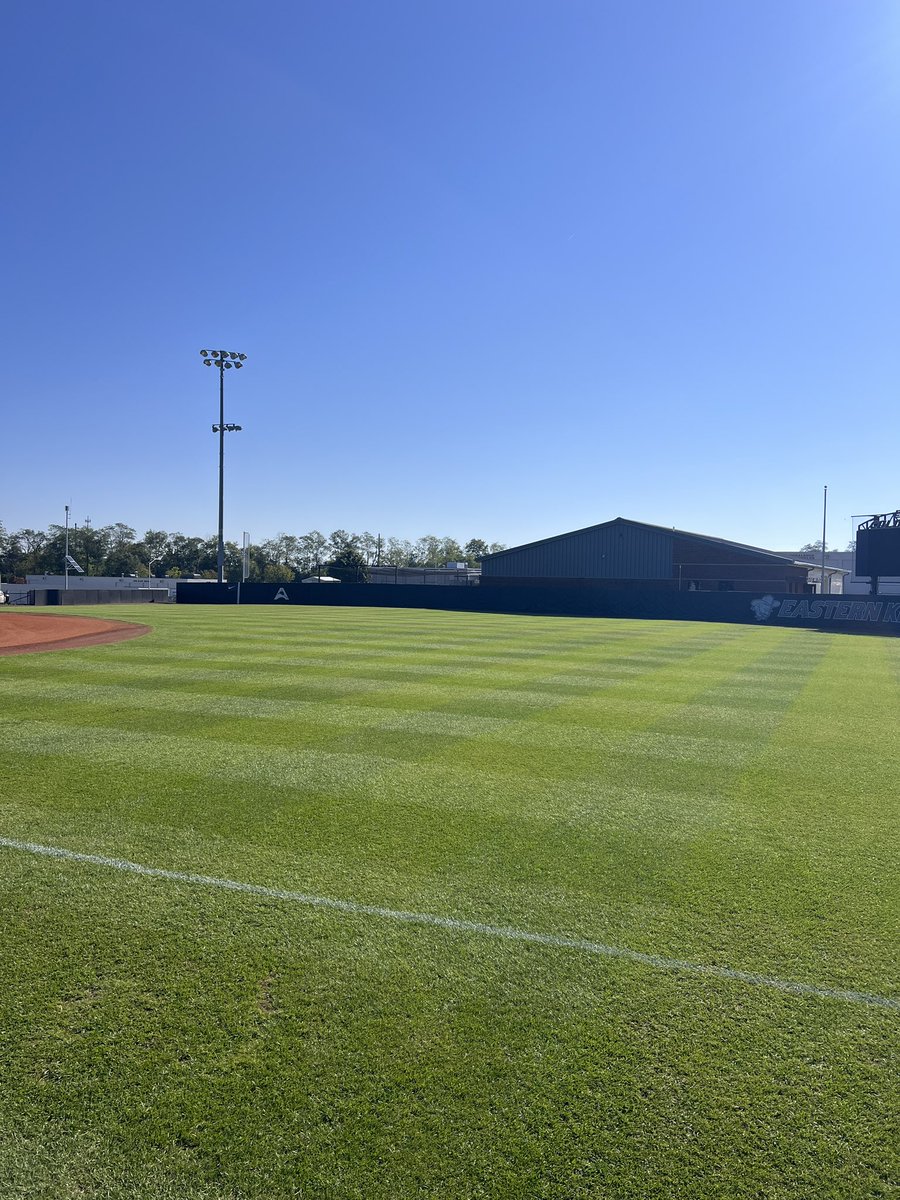
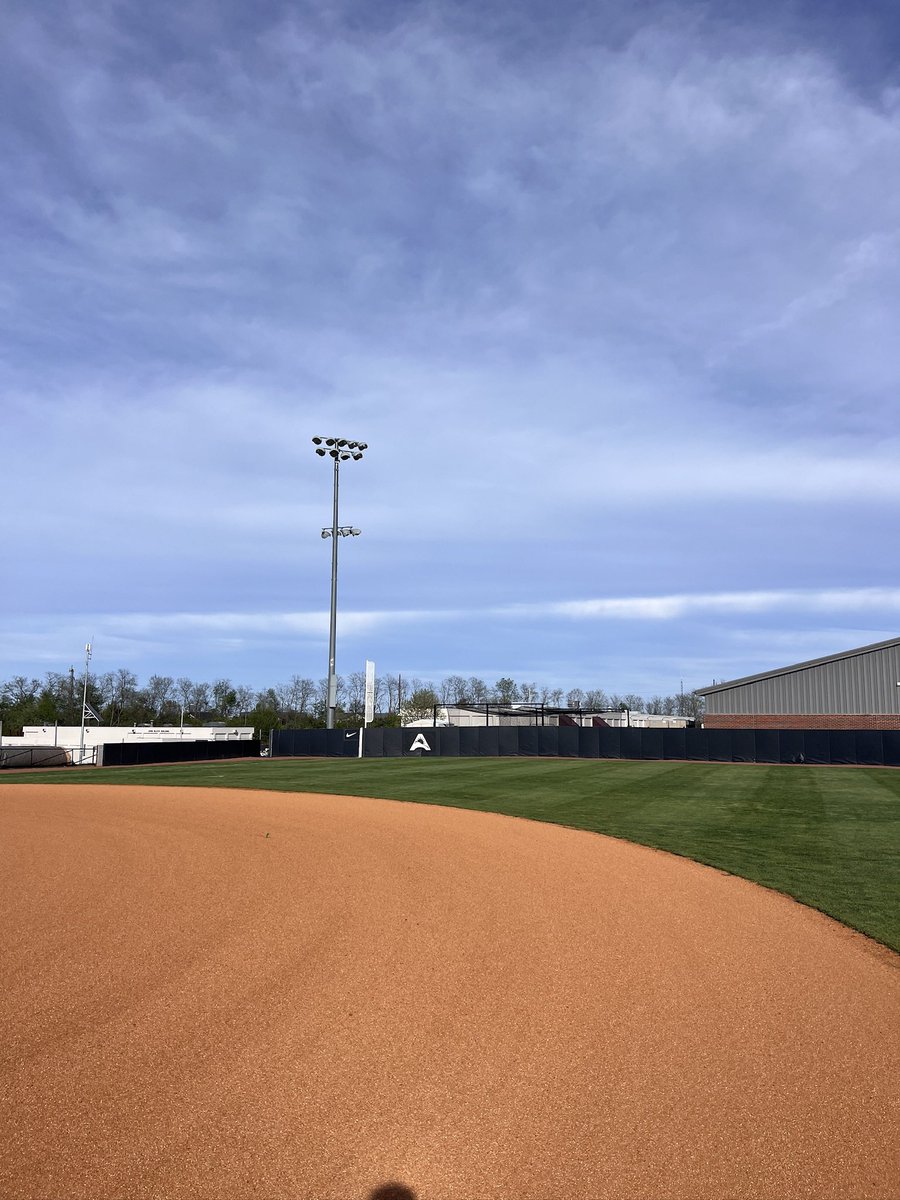
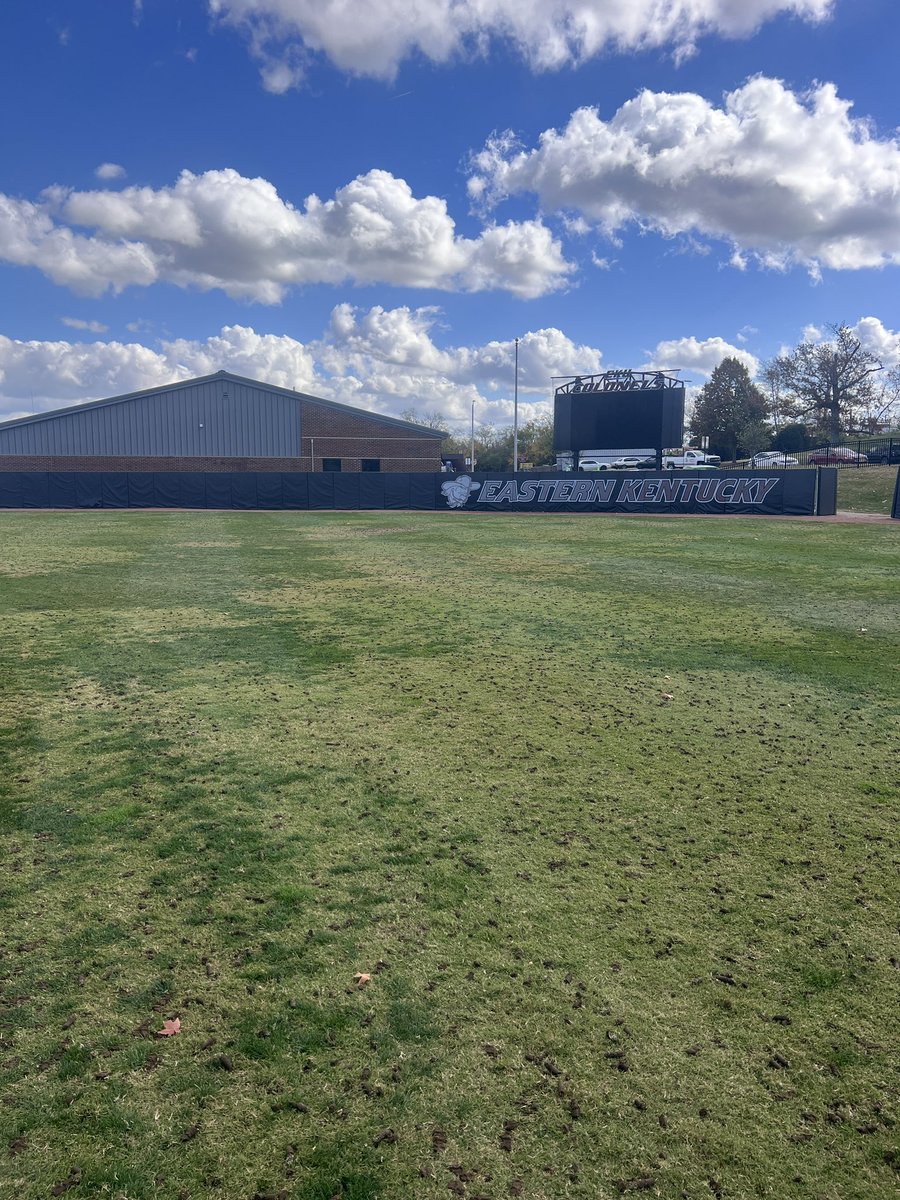
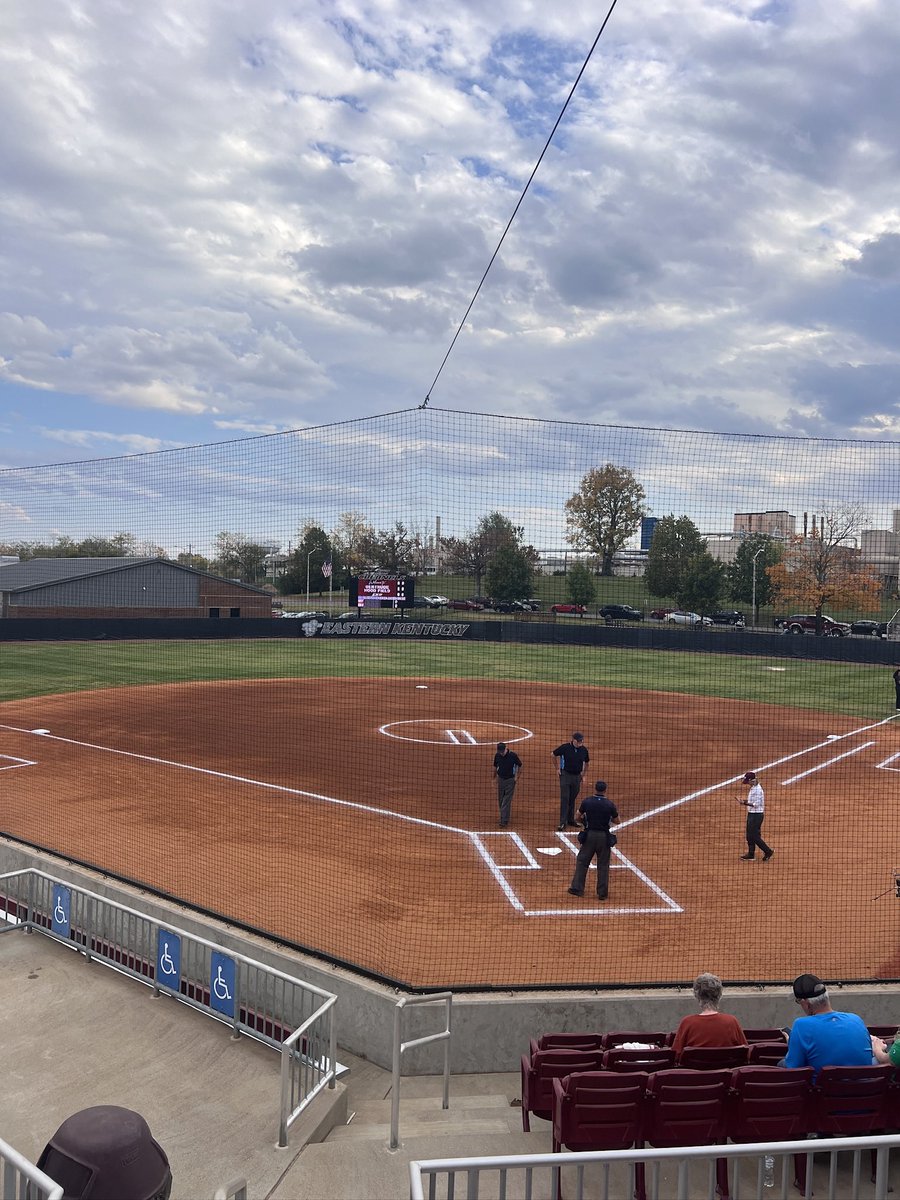
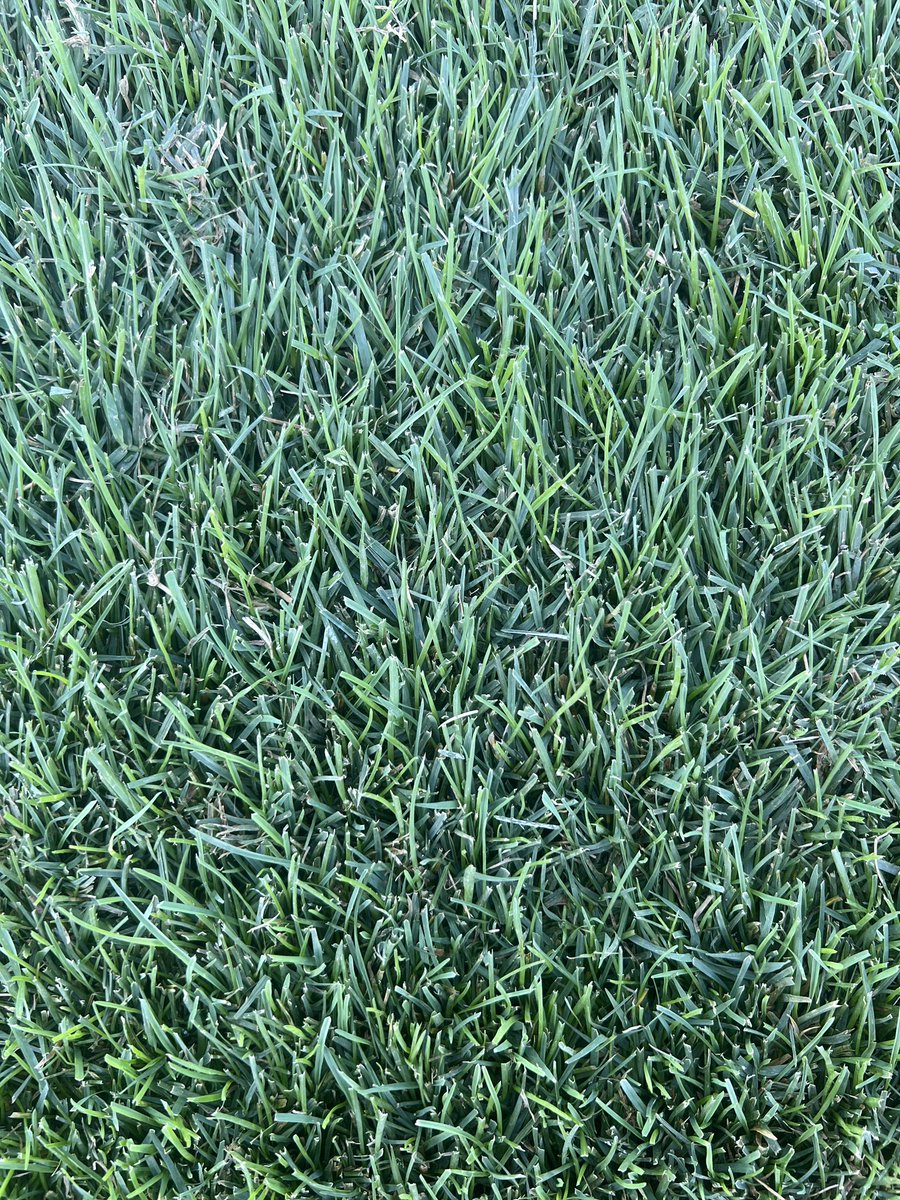
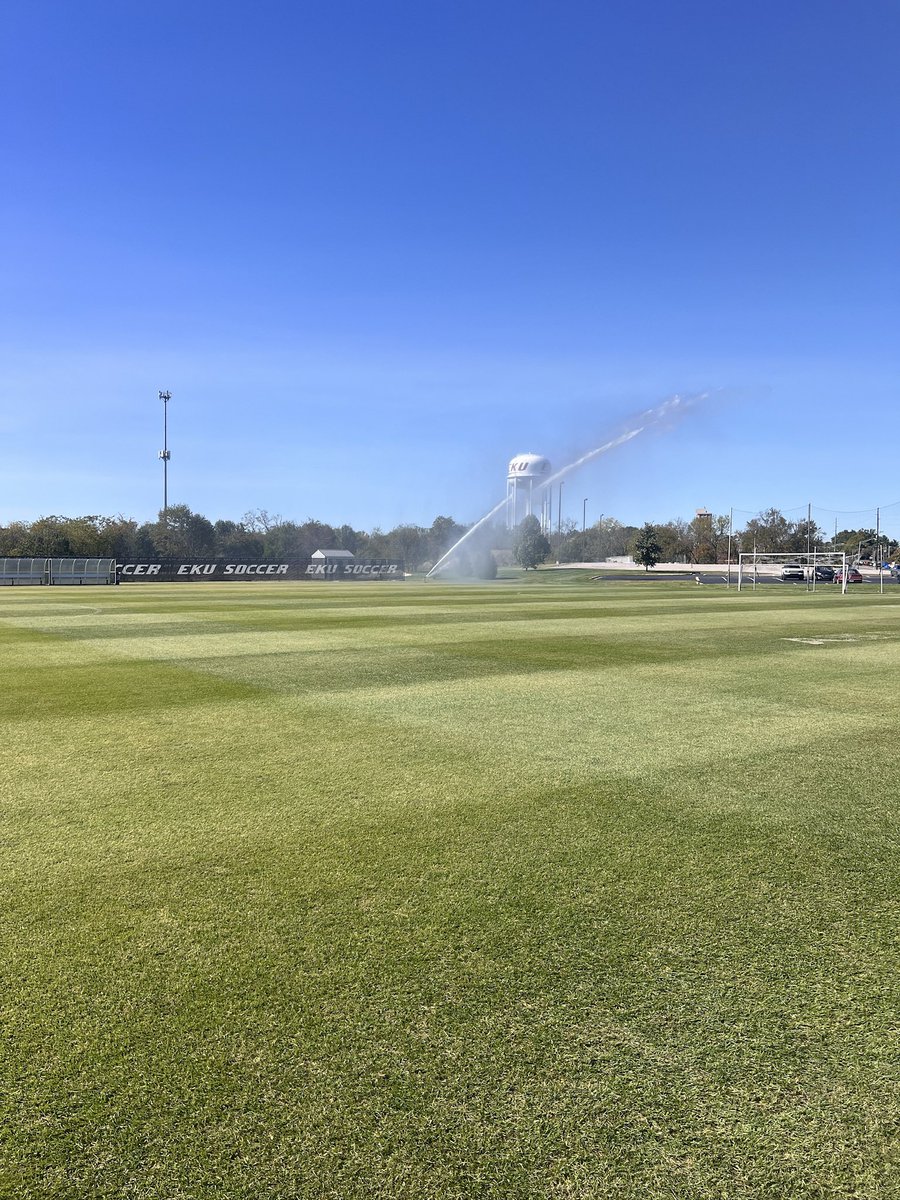
Finally slowing down after a very busy fall. Drainage work on soccer and new sod on softball + moving some sprinkler heads took a lot of time but definitely worth the work. Happy with what we’ve done, looking to finish strong and get better in the spring.