President Donald Trump announced that the United States would reduce military exercises it conducts with key regional ally South Korea, citing his positive relationship with North Korean leader Kim Jong Un and Seoul’s lack of assistance with Iran. https://t.co/4H9gVhuFcE
This CV has helped many people secure interview calls from leading organizations such as Facebook, OpenAI, Google, Amazon, Microsoft, Netflix, Apple, and others.
I'm sharing the exact ATS-editable templates with you.
Repost, like, and reply "CV" to get it for free.
[Must be following me] so I can DM you.
[Only for the first 500 people]
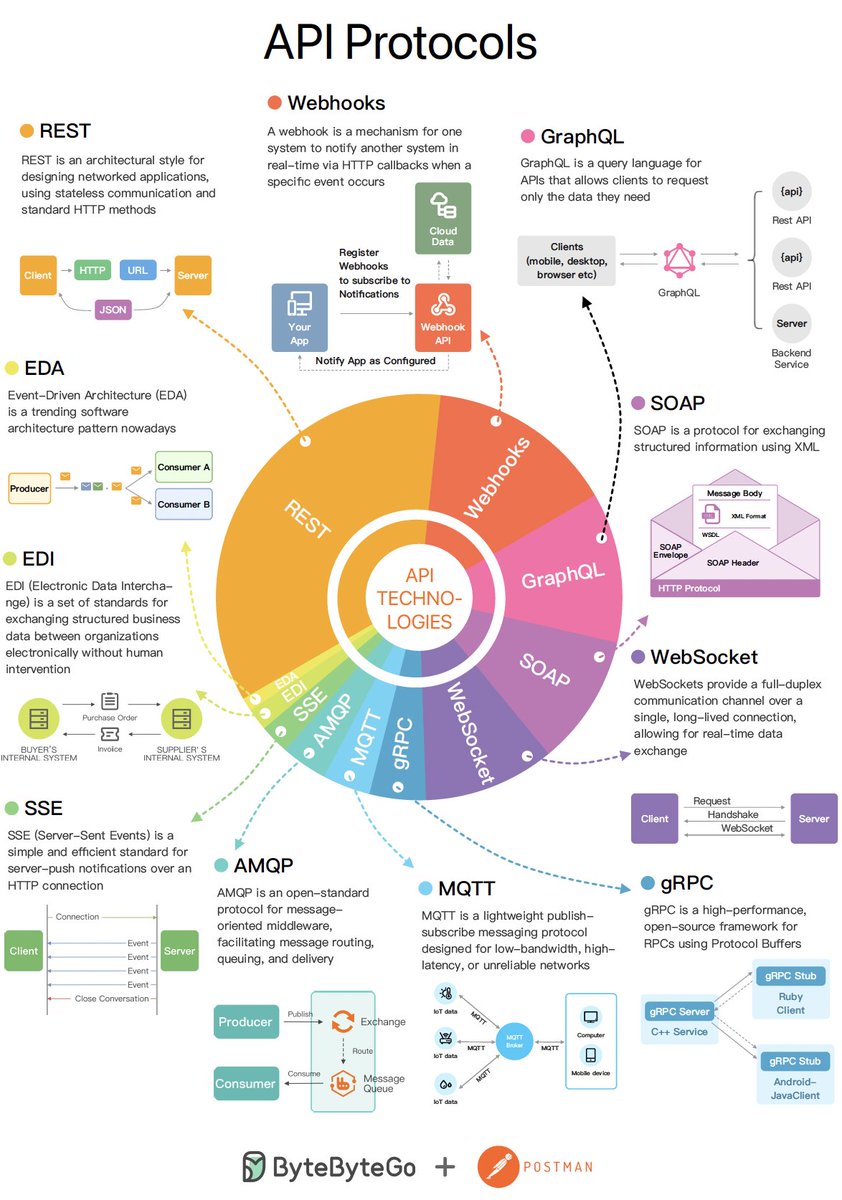
How do we design secure and safe APIs?
The rise in API-related security breaches highlights the necessity for robust API security.
Let's look at 12 essential tips for improving API security:
🔹 HTTPS
Enforcing HTTPS for all API connections is a critical step in securing sensitive data since it ensures data encryption in transit, preventing attacks and interceptions.
🔹 Rate limiting and throttling
Throttling and rate limiting are vital for reducing API abuse and protecting against DDoS attacks as they manage request rates, which keeps our API available for legitimate users.
🔹 Authentication
Authentication is another must-have. Leverage strong authentication mechanisms, such as OAuth, to verify user or system identities.
Learn more about API authentication here: https://t.co/2cWp0UZwoX
🔹 Authorization
After authentication comes authorization. Follow the least privilege principle to ensure users access only role-relevant data and actions, reducing unauthorized access risks.
🔹 Input validation
Validating API inputs is crucial to safeguard against vulnerabilities like SQL injection and XSS. Whitelisting can also be useful here to ensure only valid data is processed.
🔹 API gateway
Deploy an API Gateway as a security layer, managing authentication, monitoring traffic, and enforcing policies like rate limits.
🔹 Regular security audits
Regular security audits and penetration testing are advisable to identify and fix vulnerabilities, preventing exploitation and maintaining API security.
🔹Dependency management
Regularly updating software dependencies is important to mitigate risks from vulnerabilities in external libraries.
🔹 Logging and monitoring
Investing in comprehensive logging and real-time monitoring is vital for early detection of suspicious activities, enabling swift incident response to mitigate security breaches.
🔹API versioning
To manage changes and updates securely, utilize proper API versioning, which prevents compatibility and security issues.
Learn more about API versioning here: https://t.co/6L1SrPClME
🔹Data encryption at rest
Encrypting sensitive data at rest is crucial to prevent unauthorized access and comply with data protection regulations.
API security isn’t a nice to have; it’s a must. Following the techniques and best practices I’ve shared above will take you a long way, they are the foundations of building safe and secure APIs.
A great way to automate checking the health, security, and performance of your APIs is Postman Monitors.
You can learn more about it here: https://t.co/cdPITqkdPd
The core skills of learning are a critical eye and an open mind.
Critical thinking is refusing to accept ideas at face value. Don't believe information until it's verified.
Openness is refusing to reject ideas at face value. Don't disbelieve information until it's falsified.
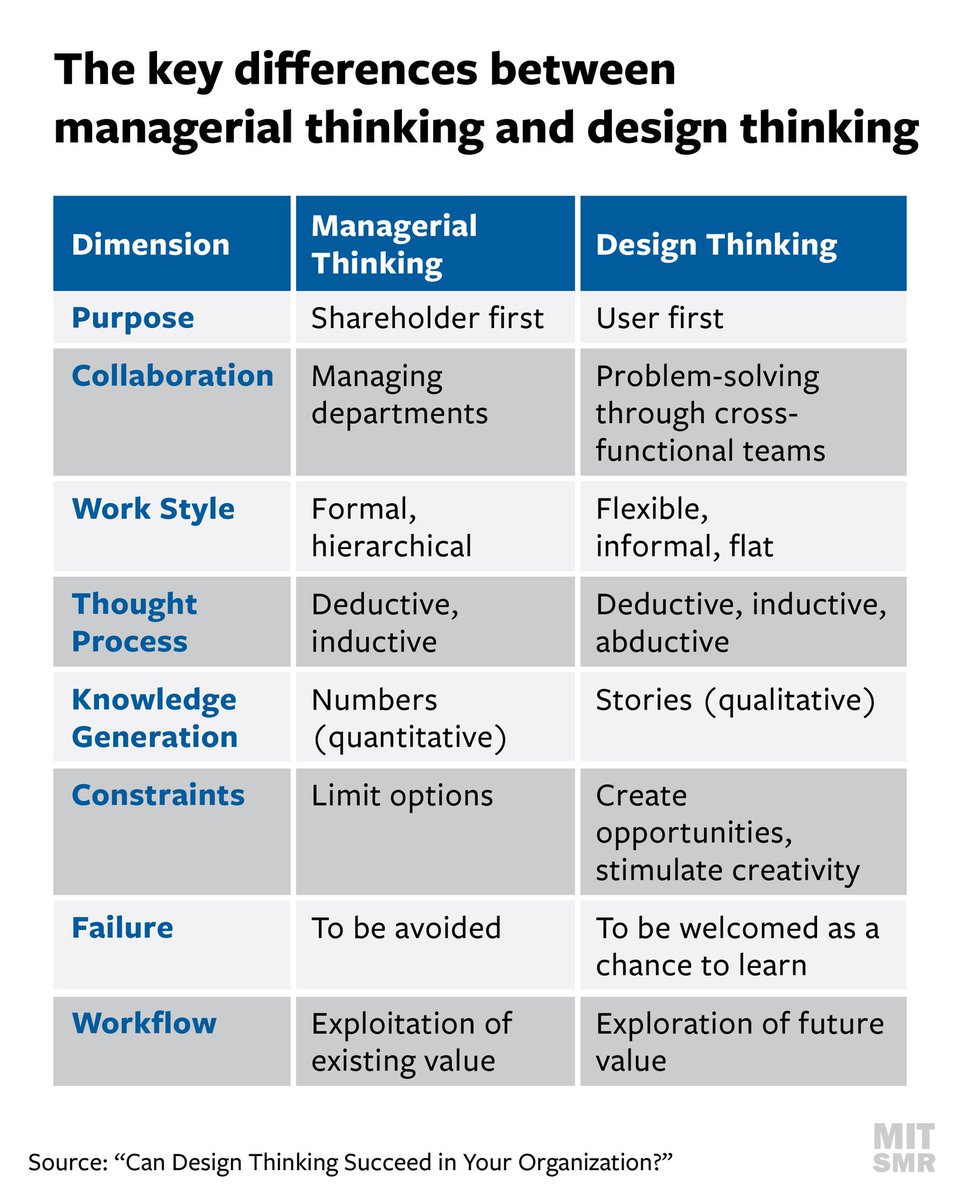
The eight dimensions of design thinking capture important differences in how managers and designers perform their work and make decisions.
▶️ https://t.co/0CLMUzw6YG
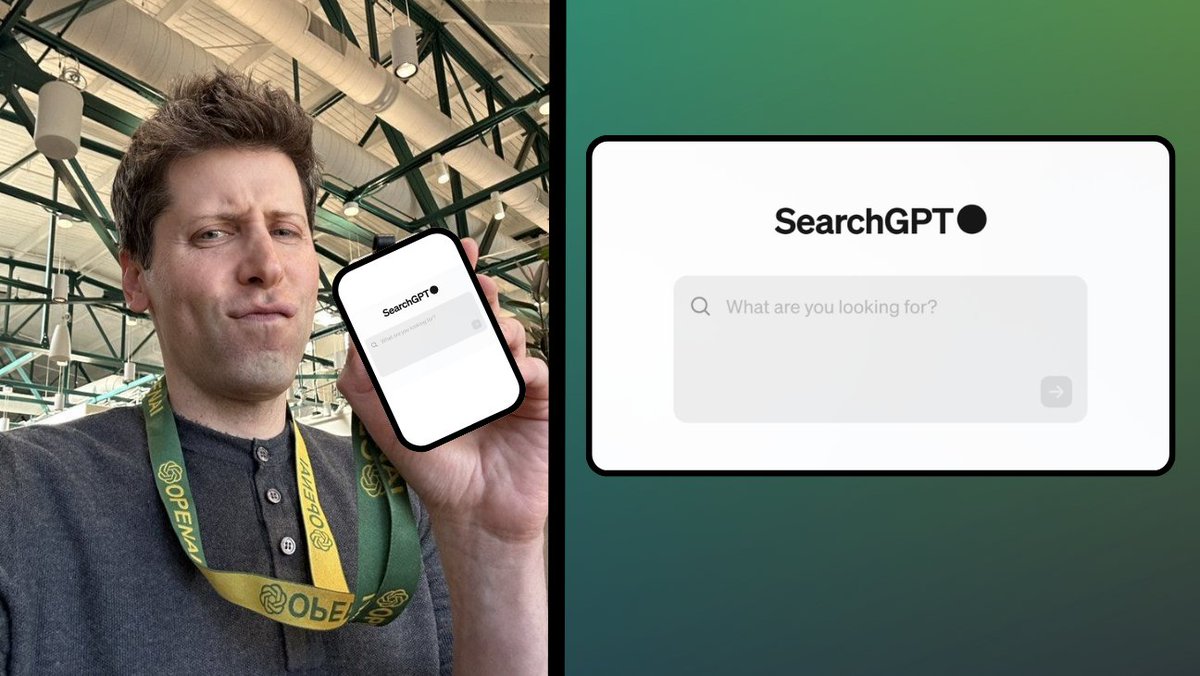
RIP Google Search.
7 days ago, OpenAI announced SearchGPT, and it's INSANE.
It's definitely better than Google Search.
Here's everything you need to know:
Stop wasting hundreds of hours creating visuals for studying or complex ideas.
Create mind maps quickly and easily with AI and the cloud.
Here’s how to do it for free in a few seconds:
Leading change across a system. How can we, as change practitioners, use all the assets, tools & resources available across the system? Pact, an international non-profit which works in 40 countries, has developed a new framework. It improves whole system outcomes & increases the "social accountability" of change interventions. There are insights for change across organisations too. Four aspects:
1) Use a holistic lens: Recognise that there is always a system; understand & engage with it.
2) Right fit the approach: Identify where our resources, expertise & partners have the greatest potential for impact.
3) Orchestrate across the system: Use our individual power, relationships and insight into the local system to enable, not impose, promising interactions.
4) Manage adaptively: Link new projects to the lessons & results of previous ones & ensure that they are responsive to the new context that's evolving.
https://t.co/TywdZlGpcI. By @guerzovich.
Dive into the “Fighting Spirit – The profession of Arms in Canada.” This publication deepens our collective understanding of our profession and serves as a testament to a fighting spirit.
https://t.co/5jQqkiJ5Hs








![CjRandhawaX's tweet photo. This CV has helped many people secure interview calls from leading organizations such as Facebook, OpenAI, Google, Amazon, Microsoft, Netflix, Apple, and others.
I'm sharing the exact ATS-editable templates with you.
Repost, like, and reply "CV" to get it for free.
[Must be following me] so I can DM you.
[Only for the first 500 people]](https://pbs.twimg.com/media/GdDVY48bYAAbEeM.jpg)

![RAVIKUMARSAHU78's tweet photo. BREAKING: Google just dropped Android 15, and it’s a GAME CHANGER.
Here are 10 mind-blowing features that change everything.🔥
[ 10 is a Life-Saver ] https://t.co/4xXEQmD4wX](https://pbs.twimg.com/media/GbCHBoebQAIC6XQ.jpg)