AI is changing research workflows. It can help with synthesis, organization, clustering, transcription, and early patterns.
But context, ambiguity, bias, and interpretation still need human judgment. AI gives inputs. Researchers make conclusions.
#marketresearch#Brainactive
Finding respondents is easy. Finding the right respondents fast, consistently, and without extra operational drag is harder.
Brainactive gives agencies access to 300M+ vetted respondents worldwide, so teams can focus on insights, not sourcing.
#marketresearch#Brainactive
Writing a good survey is harder than it looks.
Small mistakes like unclear wording or leading questions can distort results.
AI helps you draft and refine faster.
But without review, you risk biased answers and wrong conclusions.
Use AI to start. Then refine.
#AI#research
AI is already part of research.
The question is not if, but how to use it without losing quality.
Basically:
✅ Use it to speed up surveys, organize data, and create summaries
❌ Don’t use it to skip validation, replace critical thinking, or accept surface-level insights
#AI
What people say in surveys is often incomplete.
Real decisions involve constraints:
- alternatives
- budget
- habits
- timing
Add context for better answers:
“Monday morning. In a rush. Limited budget. What do you do?”
Specific context → better answers → better decisions.
Not all decisions need the same level of research.
Common mistakes:
– over-researching small decisions
– under-researching critical ones
DIY works for low-risk exploration.
For pricing, new markets, or strategy, deeper research matters.
Ask: “How important is this decision?”
There’s a gap between answers and actions.
People say they will switch brands.
They stay out of habit.
They say they value healthy eating.
They choose fast food under time pressure.
What people say gives direction.
What they do shows the decision.
#MarketResearch
Insights are not observations.
“Users prefer A” is an observation.
“They choose A to reduce risk” is an insight.
The difference shows up in decision quality.
Observations inform.
Insights guide action.
Move too fast, and you act on surface signals.
#Insights#Brainactive
Most startups misread data.
Interest looks like demand.
Until you zoom out.
Clicks rise.
Sign-ups grow.
But conversion stalls.
Interest is easy to generate.
Demand is harder to prove.
Read the full picture before scaling.
#Startups#MarketResearch#Brainactive
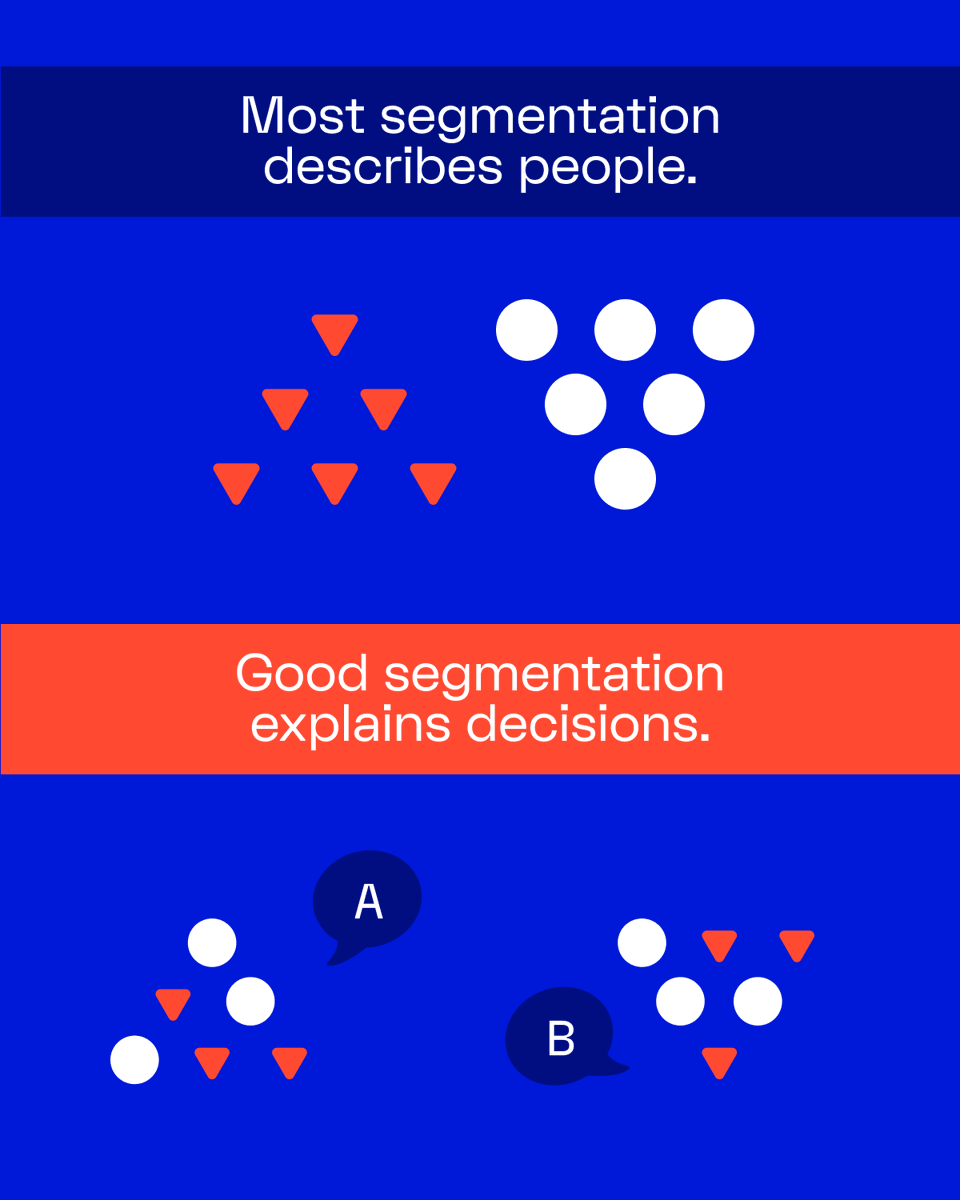
Segmentation is not just demographics vs psychographics.
Most segmentation describes people.
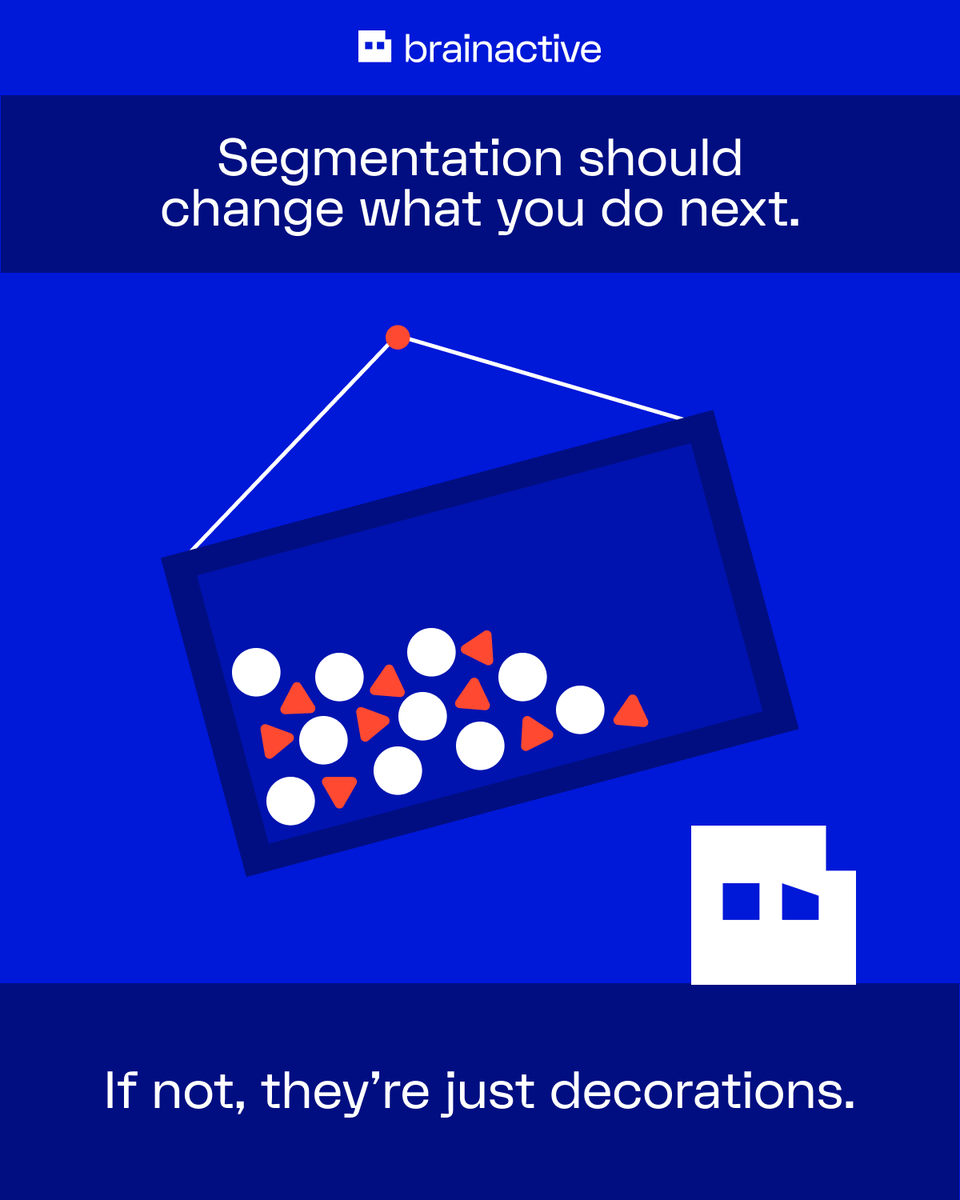
Good segmentation explains decisions.
If it does not change what you do next, it is decoration.
Segment by behavior.
Focus on trade-offs.
Tie segments to decisions.
#MarketResearch
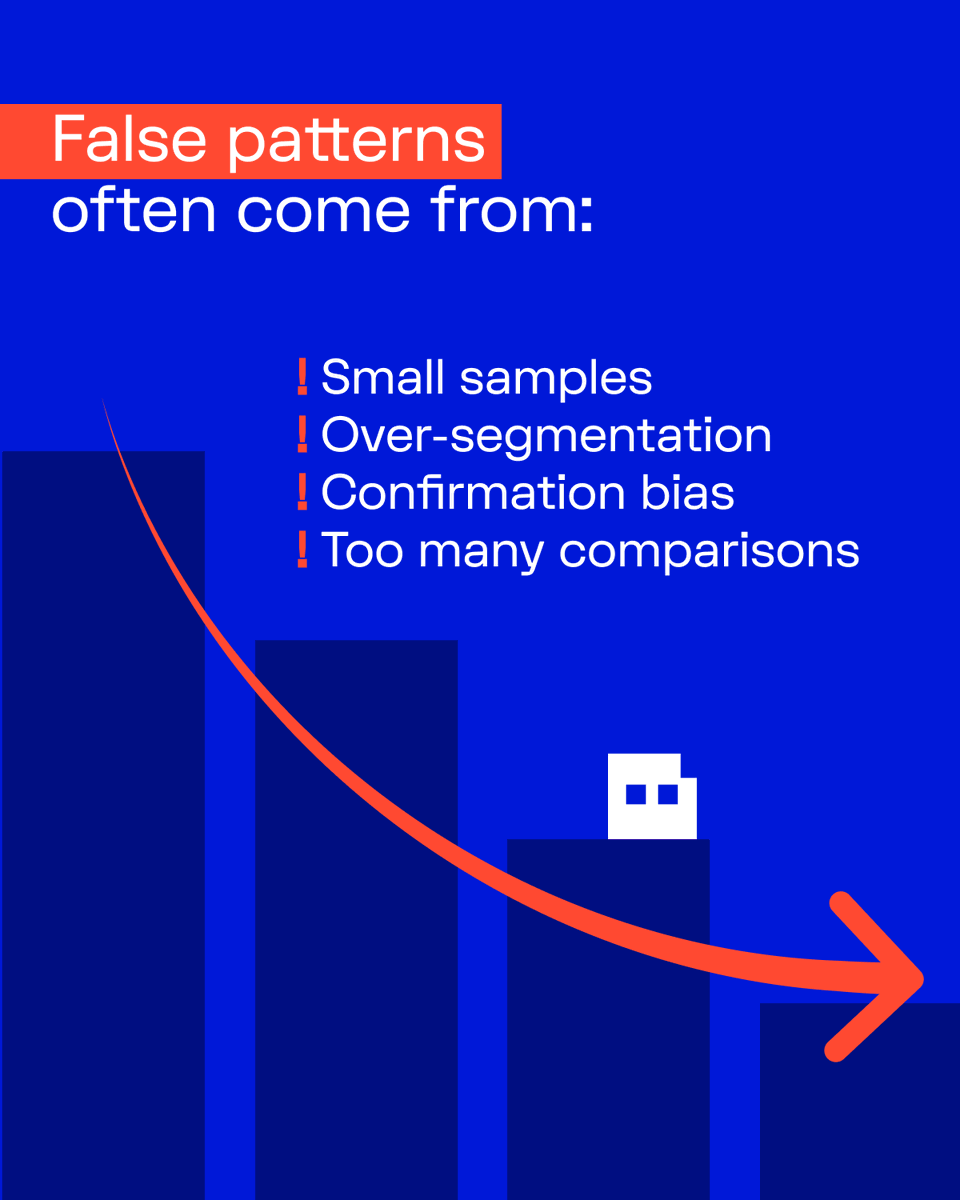
Humans are great at spotting patterns.
We’re also great at inventing them.
Small samples.
Confirmation bias.
Too many comparisons.
Before acting, ask:
Would this hold with another sample?
Is it meaningful or just visible?
Not every pattern deserves a decision.
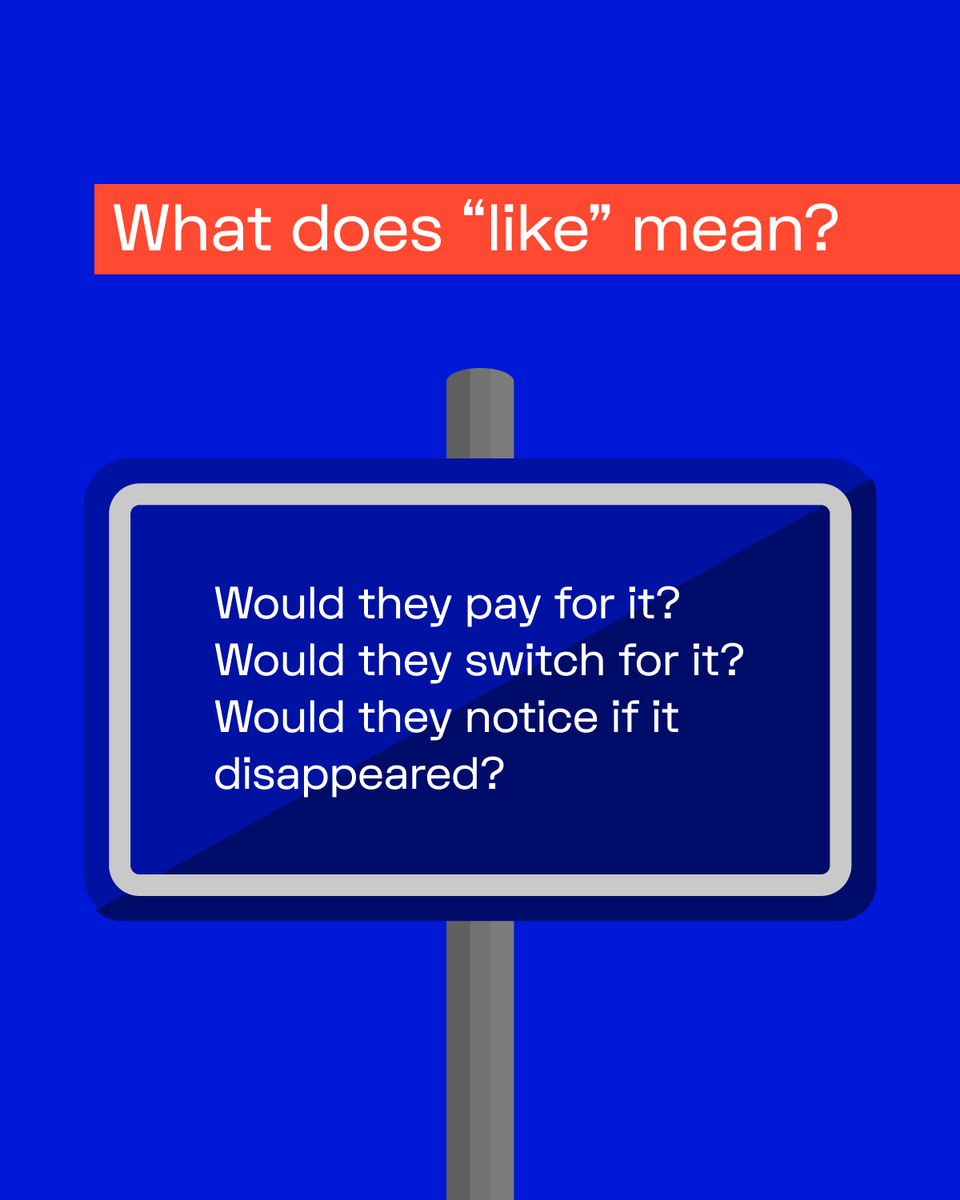
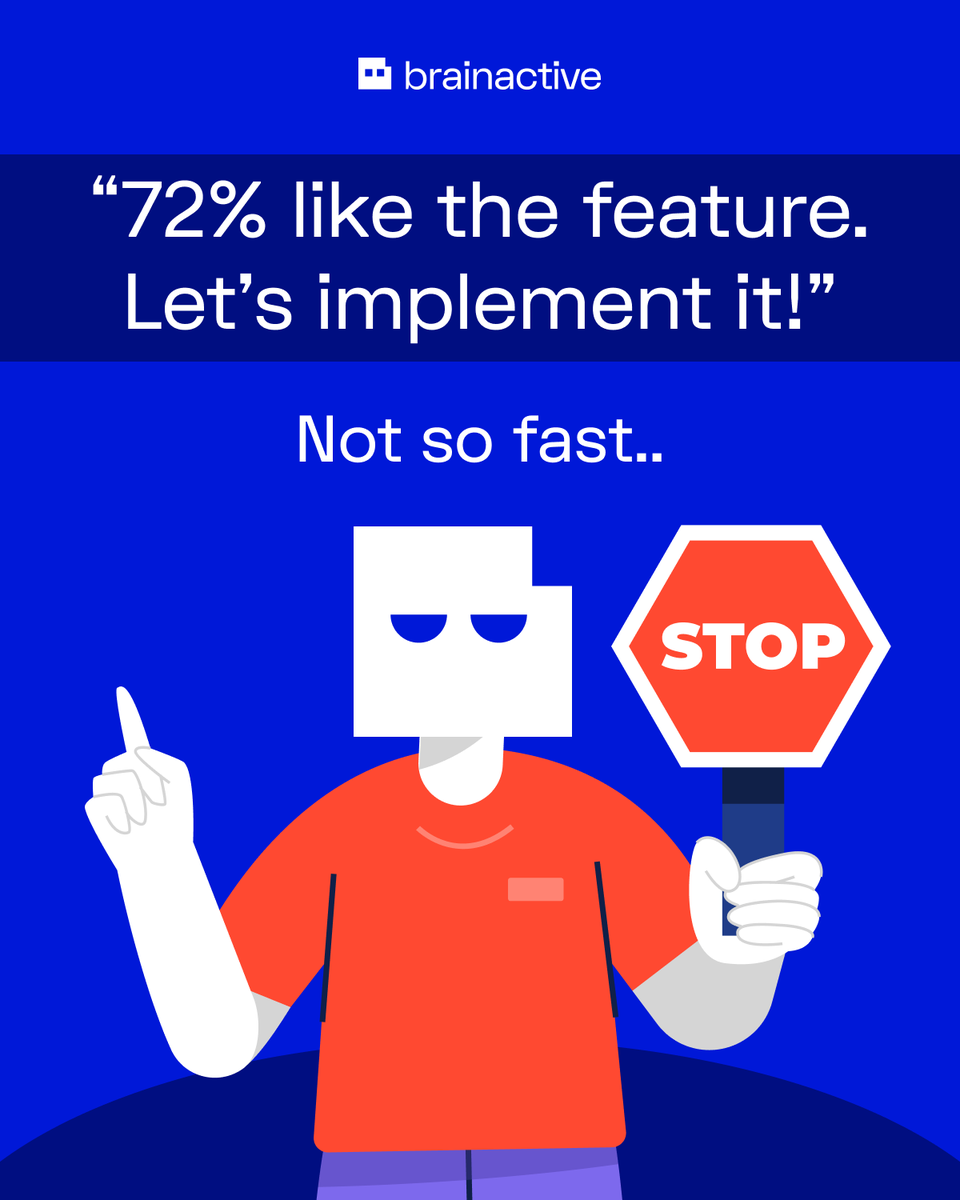
“72% like the feature. Let’s build it.”
Not so fast.
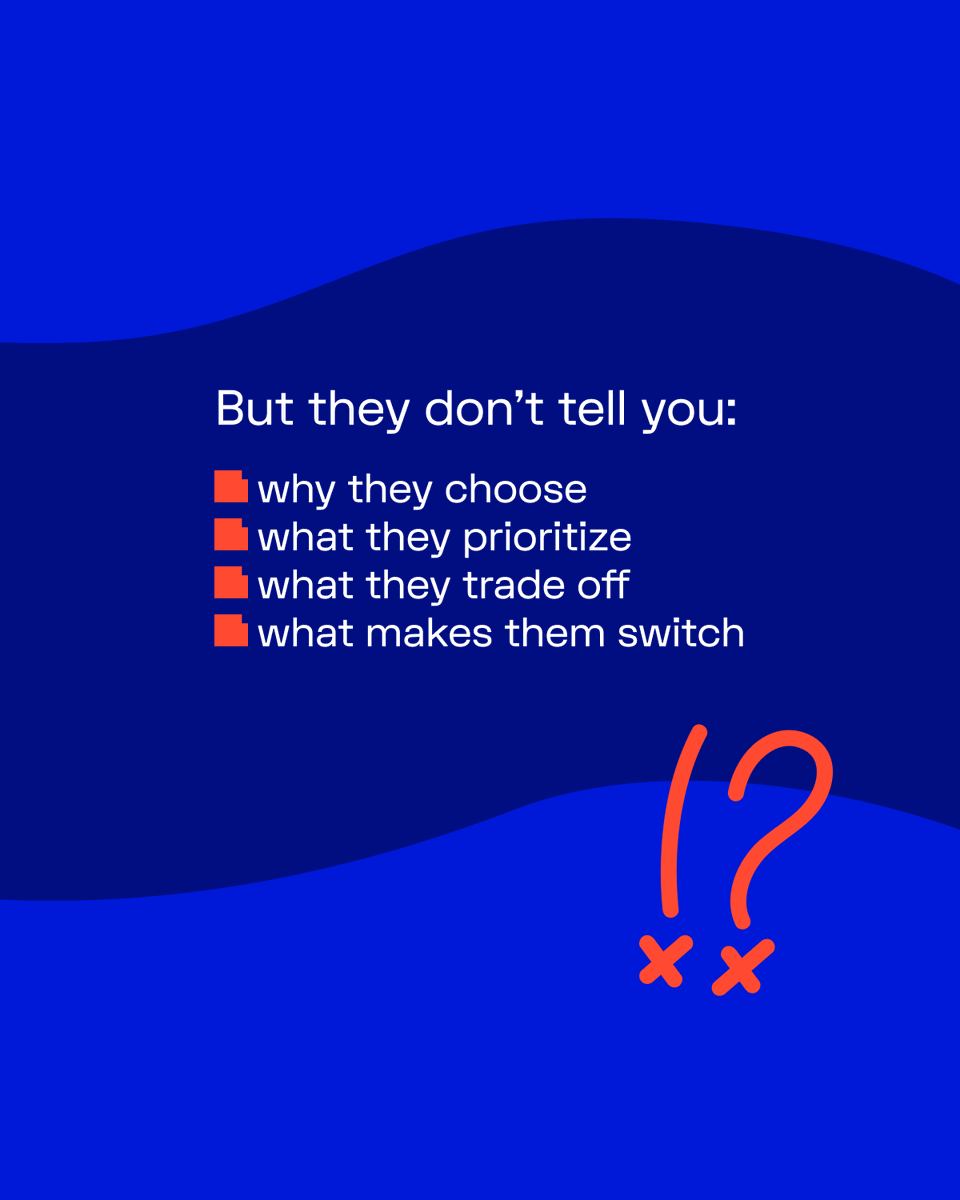
Would they pay?
Switch?
Notice if it disappeared?
Preference is directional. Behavior is decisive.
Incomplete data isn’t the problem.
Overconfidence is.
Strong signal > loud percentage.
#ProductStrategy
Every quarter brings a new “must-follow” trend.
But is it meaningful?
Hype is loud.
Signal is consistent.
Before reacting, ask:
Is it sustained?
Cross-segment?
Reflected in real behavior?
Research separates noise from movement that matters.
#MarketTrends
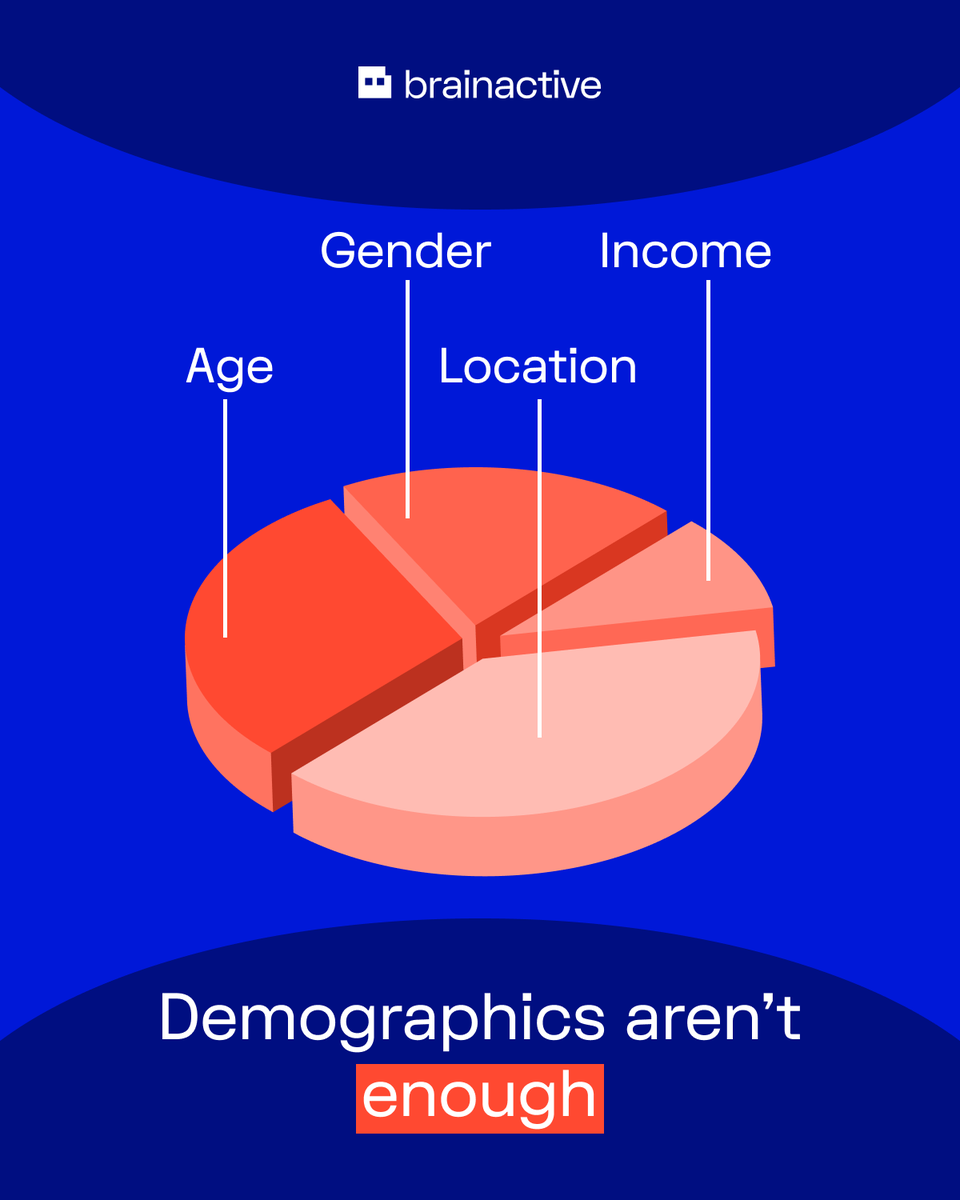
You can describe your audience perfectly… and still not understand why they buy.
Age. Gender. Income. Location.
Demographics describe people.
They don’t explain decisions.
Motivations, trade-offs, and context drive behavior.
Surface data isn’t enough.
#MarketResearch
Bad data is dangerous.
Most research failures are process related:
• unclear questions
• wrong respondents
• rushed interpretation
Good research doesn’t need complexity.
Or volume.
Or speed for its own sake.
It needs intention.
#MarketResearch#Brainactive
AI doesn’t automatically improve research.
It accelerates it.
That’s helpful with clear direction.
And risky without judgment.
AI should support execution.
People stay accountable for decisions.
#MarketResearch#Brainactive
DIY research isn’t wrong.
Using it without judgment is.
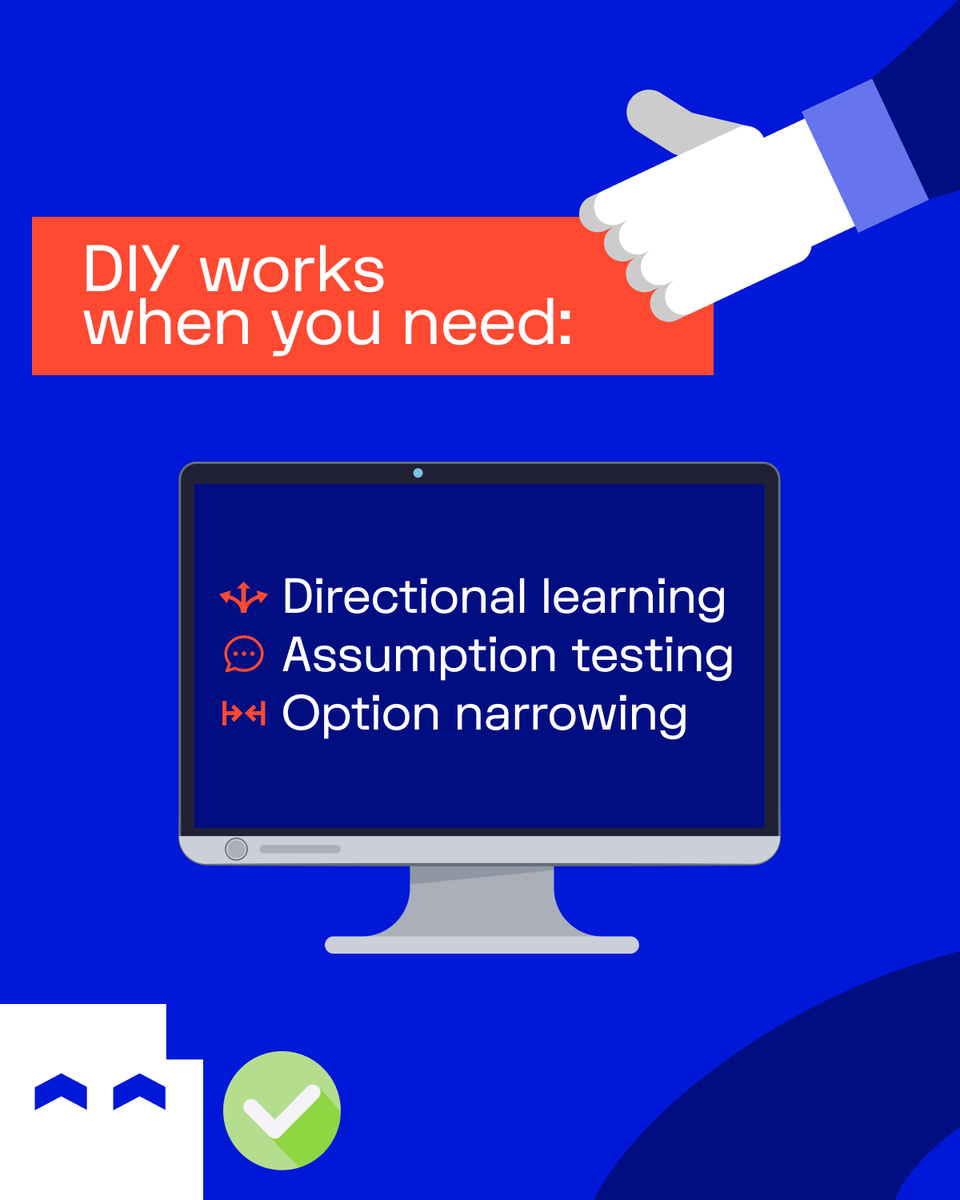
DIY works for exploration and direction-setting.
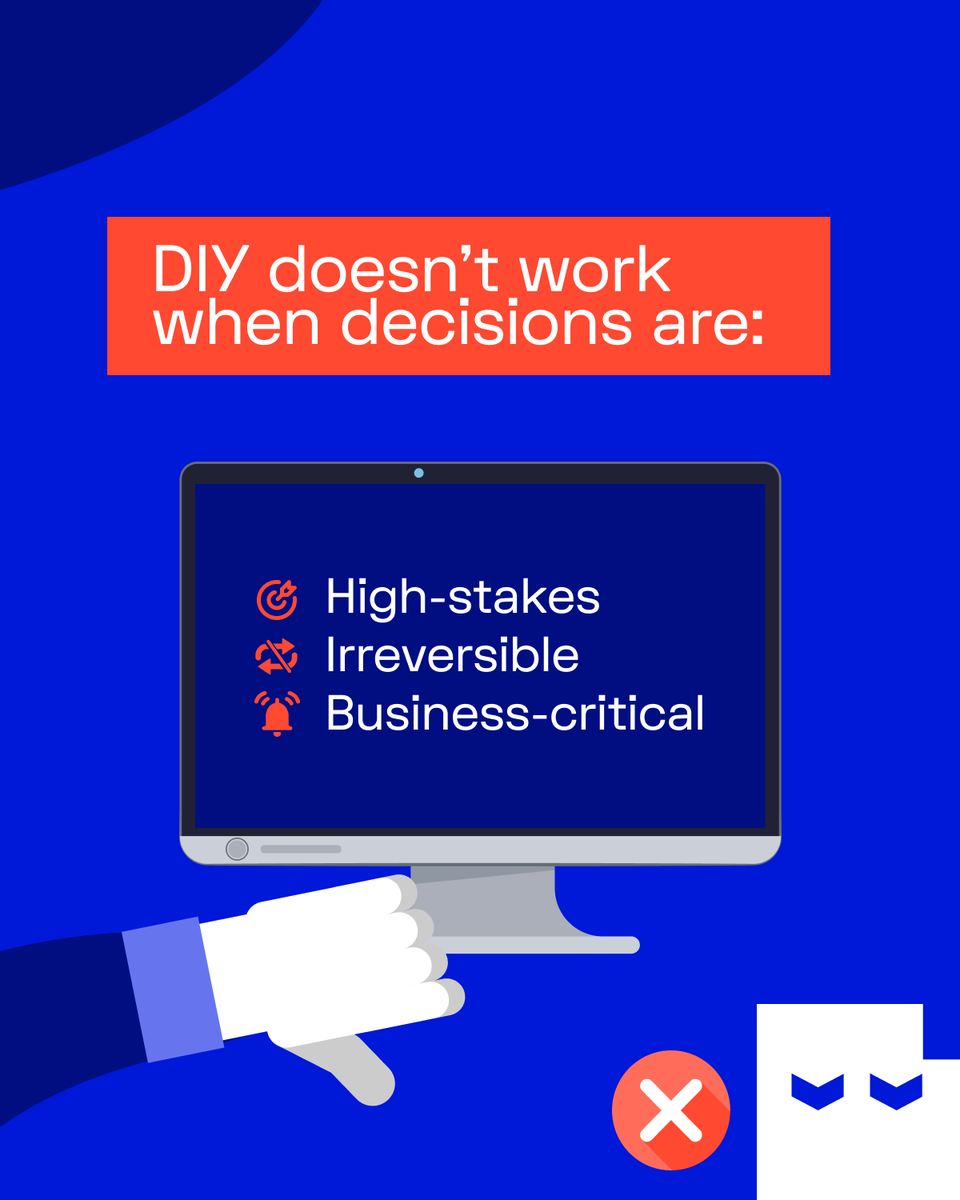
It breaks down when decisions are high-stakes or irreversible.
Method follows decision, not the other way around.
#MarketResearch#Brainactive
Speed doesn’t ruin research.
Lack of direction does.
Fast research works when teams are clear on:
➜ who owns the decision
➜ what criteria matter
➜ what “enough data” looks like
Without that, even long studies turn into noise.
#MarketResearch#Brainactive
One size does not fit all.
Flavor, design, pricing.
Every market is different, even country by country.
That’s why smart FMCG brands test locally before going global.
Test first. Launch smarter.
👉 brainactive(dot)ai
#FMCG#GlobalInsights
DIY market research sounds risky.
Until you have the right tools and expert guidance.
With AI handling survey creation and access to 300M verified respondents, confident decisions no longer require experience.
Try it for free 👉 brainactive(dot)ai
#DIYResearch#MarketResearch