Have you read an outstanding paper published in Brain Communications during 2025? Take note of it for the Early Career Researcher Paper Prize! Nominations are Open! #ecr#paperprize#neuroscience
Link to form: https://t.co/b2HWUpcoOE
Find out more at: https://t.co/yK1g1hoVJr
Pérez-Millan et al. link MRI markers of subcortical sleep–wake regions to polysomnographic patterns in ageing and Alzheimer’s disease, with hypothalamic and locus coeruleus measures associated with sleep duration and arousals.
Read it at 👉https://t.co/SQgQ43v4FR
#neuroscience
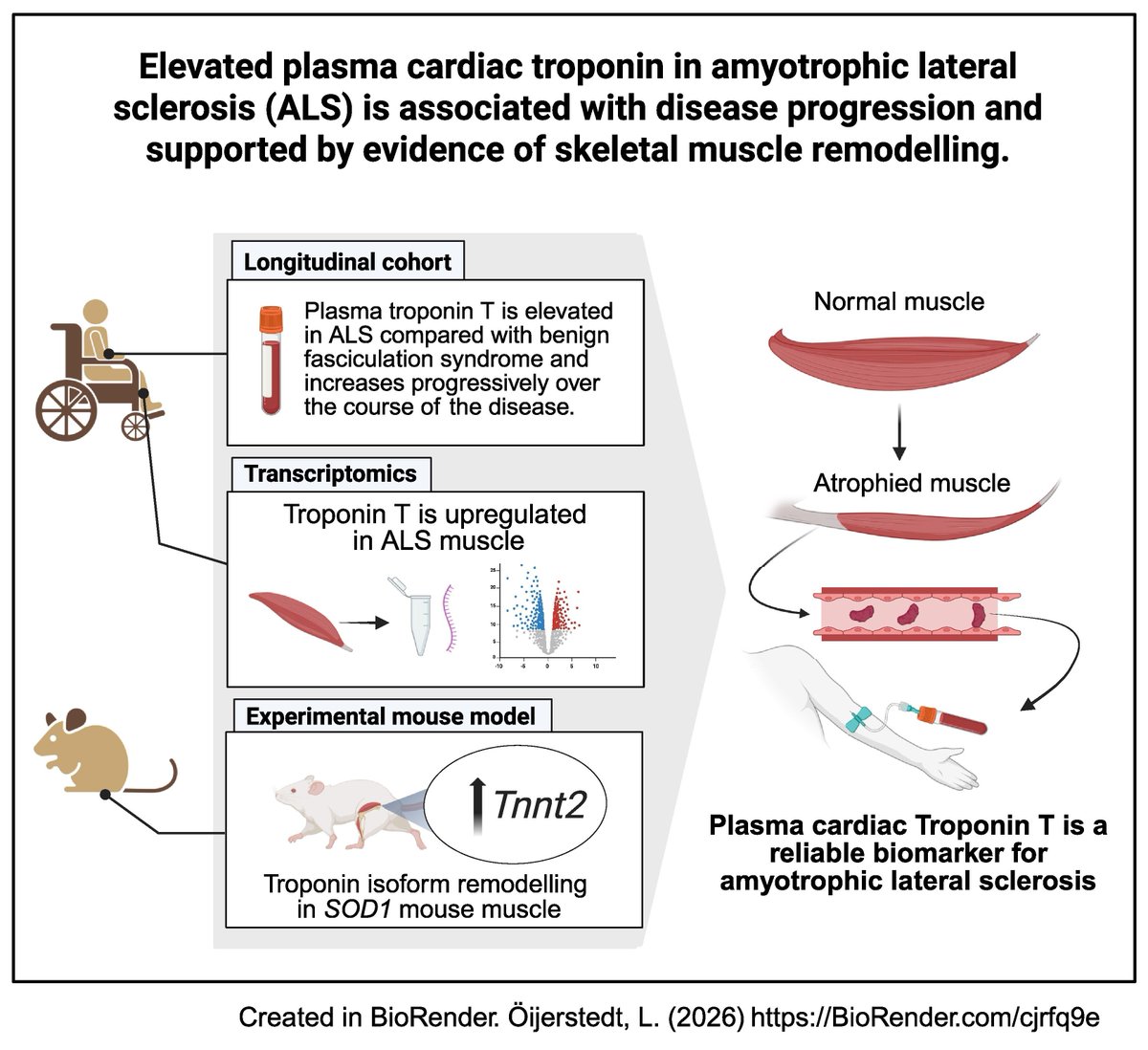
Öijerstedt et al. found elevated, progressively increasing plasma cardiac troponin T in amyotrophic lateral sclerosis compared with benign fasciculation syndrome, with multimodal evidence indicating a skeletal muscle origin.
Read it at 👉https://t.co/dxeiZH7VPy
#neuroscience
Meyer et al. show that subthalamic deep brain stimulation improves movement but can increase impulsivity in Parkinson’s disease by altering response inhibition through a shared subthalamic nucleus-supplementary motor cortex pathway.
Read it at 👉https://t.co/a0tqCEq45s
Mouraux et al. review fluid biomarkers in hereditary cerebellar ataxias, highlighting neurofilament light chain as a sensitive marker of disease activity, progression and treatment response, detectable before symptom onset.
Read it at 👉https://t.co/BS1ZHDhxuk
#neuroscience
Fotouhi et al. report marked heterogeneity in Alzheimer’s disease progression, demonstrating discordance between CSF and PET biomarker positivity and mismatches between clinical diagnosis and cognitive trajectories.
Read it at 👉https://t.co/EEtQpL29X2
#neuroscience
Meet Dr Francesco Papaleo, a group leader of the Genetics of Cognition Laboratory at the IIT👋
He combines genetically modified mouse models with human clinical studies, using advanced neural techniques to link cell- and circuit-specific mechanisms to socio-cognitive behaviours.
Rodríguez Nieto et al. showed that changes in GABA+/Glx balance in two executive brain hubs relate to functional connectivity during cognitive flexibility performance, with important differences between young and older adults.
Read it at 👉https://t.co/BKeNXYkoua
#neuroscience
Monopoli et al. demonstrate that Parkinson’s disease patients with early hallucination-related phenomena show reduced MRI-derived volume of neuromodulatory brainstem nuclei, most robustly the left laterodorsal tegmental nucleus.
Read it at 👉https://t.co/6NXdSRo3JQ
#Parkinsons
Zich et al. report that in acute stroke, initial severity relates to structural brain damage, whereas 6-months outcome is linked to neural activity, with combined measures providing the most accurate model of outcomes.
Read it at 👉https://t.co/lQoZ6Gjucp
#neuroscience#stroke
Vonk et al. report that an AI system detects clinically recognizable speech errors from a brief reading task, correlating with expert motor speech ratings and distinguishing nonfluent from logopenic primary progressive aphasia.
Read it at 👉https://t.co/JY027RvmXp
#AI
Leo et al. report that serum cell-free mRNA distinguishes adult-onset spinal muscular atrophy from controls and changes with risdiplam treatment, supporting its use for treatment monitoring and residual pathology detection.
Read it at 👉https://t.co/cK6qsbeAwZ
#neuroscience
Using meta-analysis of differential gene expression datasets and clinical validation, de Oliveira et al. report that glial fibrillary acidic protein is a candidate biomarker for spinal muscular atrophy.
Read it at 👉https://t.co/pDwHfhfIx7
#neuroscience#braincommunications
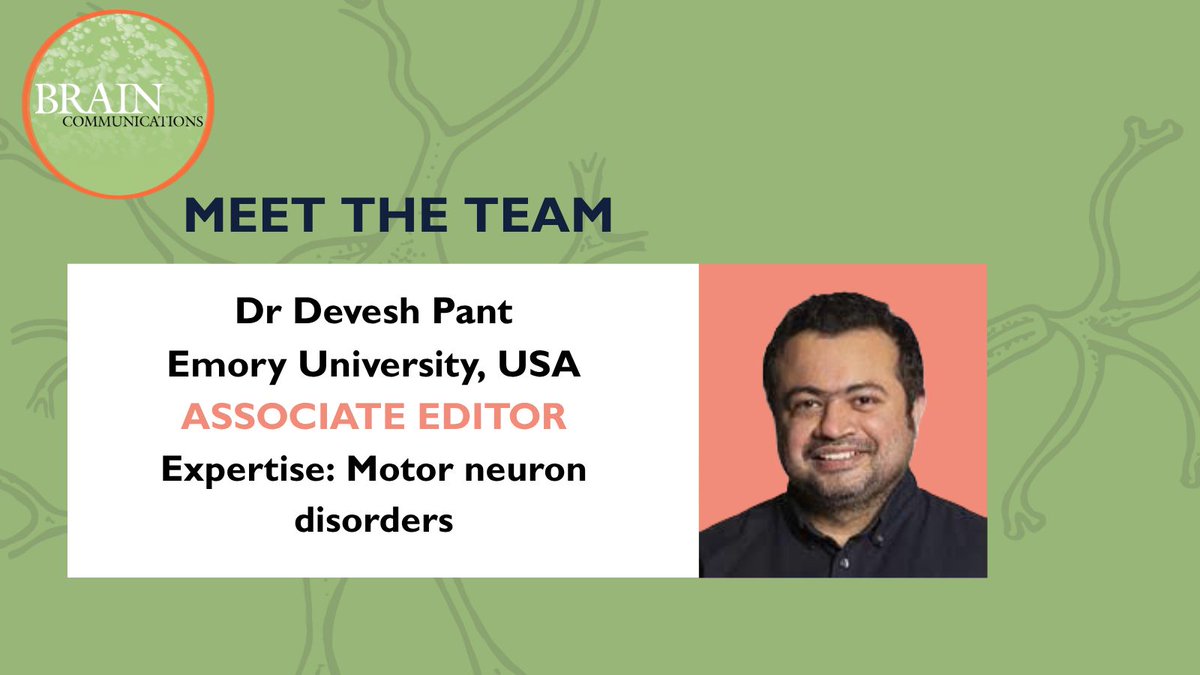
Meet Dr Devesh Pant, an Instructor in the Department of Cell Biology at Emory's School of Medicine 👋
He studies molecular mechanisms of amyotrophic lateral sclerosis and related motor neuron disorders, such as hereditary spastic paraplegia and spinal muscular atrophy.
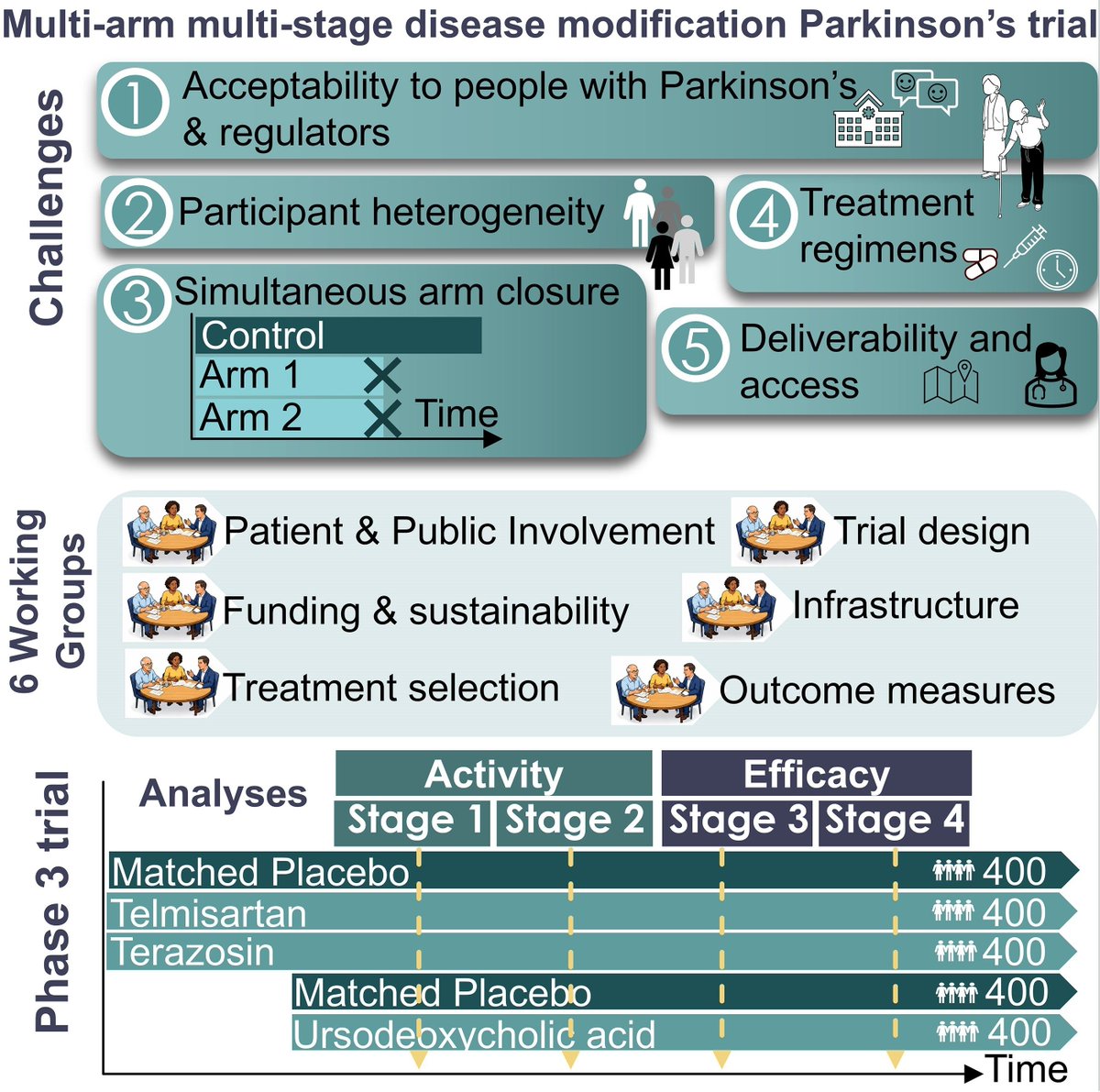
Zeissler et al. describe the development of the first multi-arm, multi-stage platform trial for Parkinson’s disease, which encorporated the insights from multiple workstreams, statistical analyses, and patient and public involvement.
Read it at 👉https://t.co/RJZVEjthEu
#PPIE
Wang et al. found altered EEG brain-state dynamics in Parkinson’s disease with mild cognitive impairment, with state transitions correlating with cognitive scores and potentially serving as biomarkers of cognitive decline.
Read it at 👉https://t.co/ZUZiIDqjcq
#neuroscience
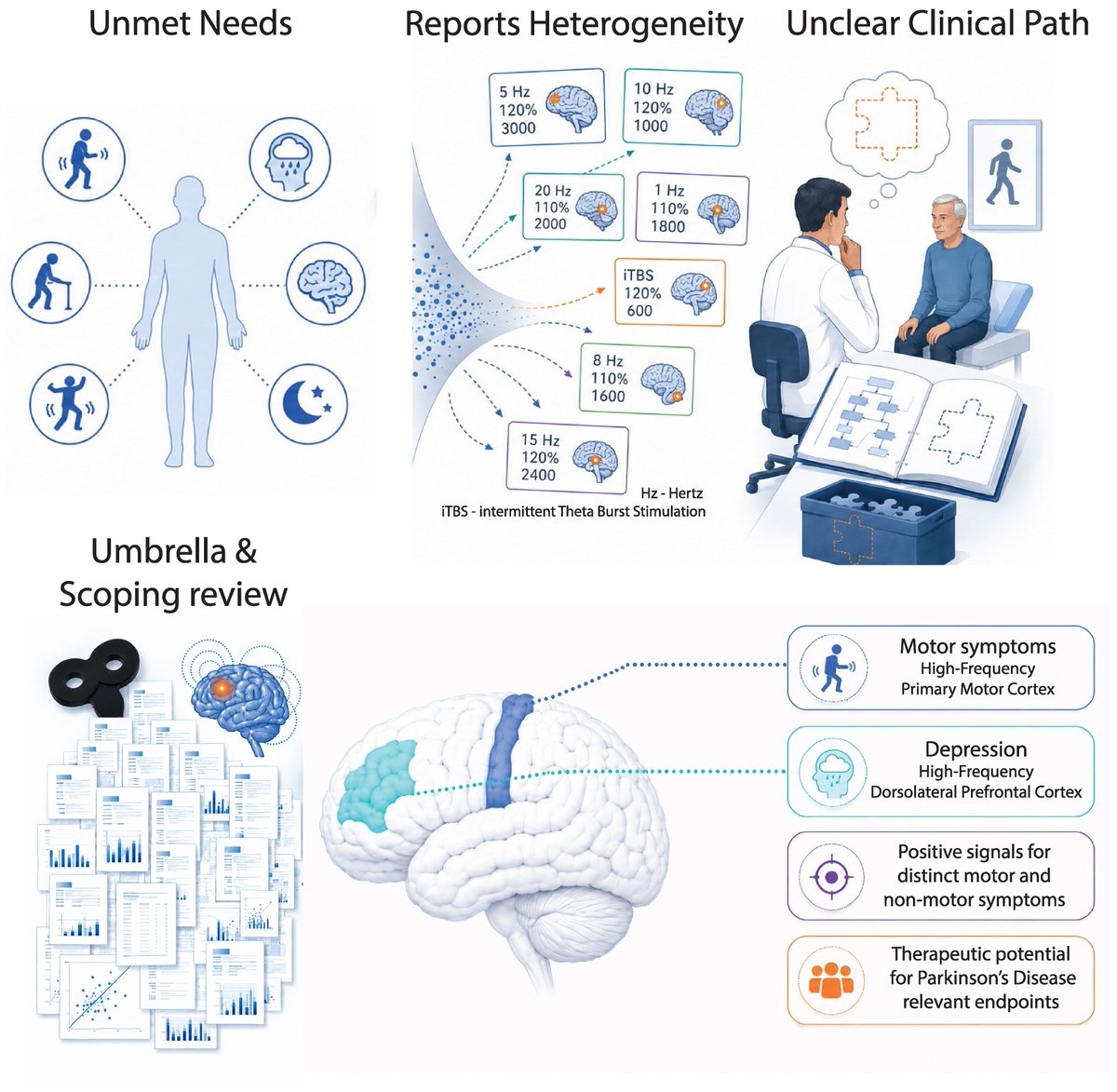
Mendonça et al. report promising therapeutic effects of rTMS in Parkinson’s disease, strongest for motor symptoms and depression, with evidence limited by small trials, heterogeneous protocols and short follow-up.
Read it at 👉https://t.co/EgRnHbvVZl
#neuroscience#Parkinsons
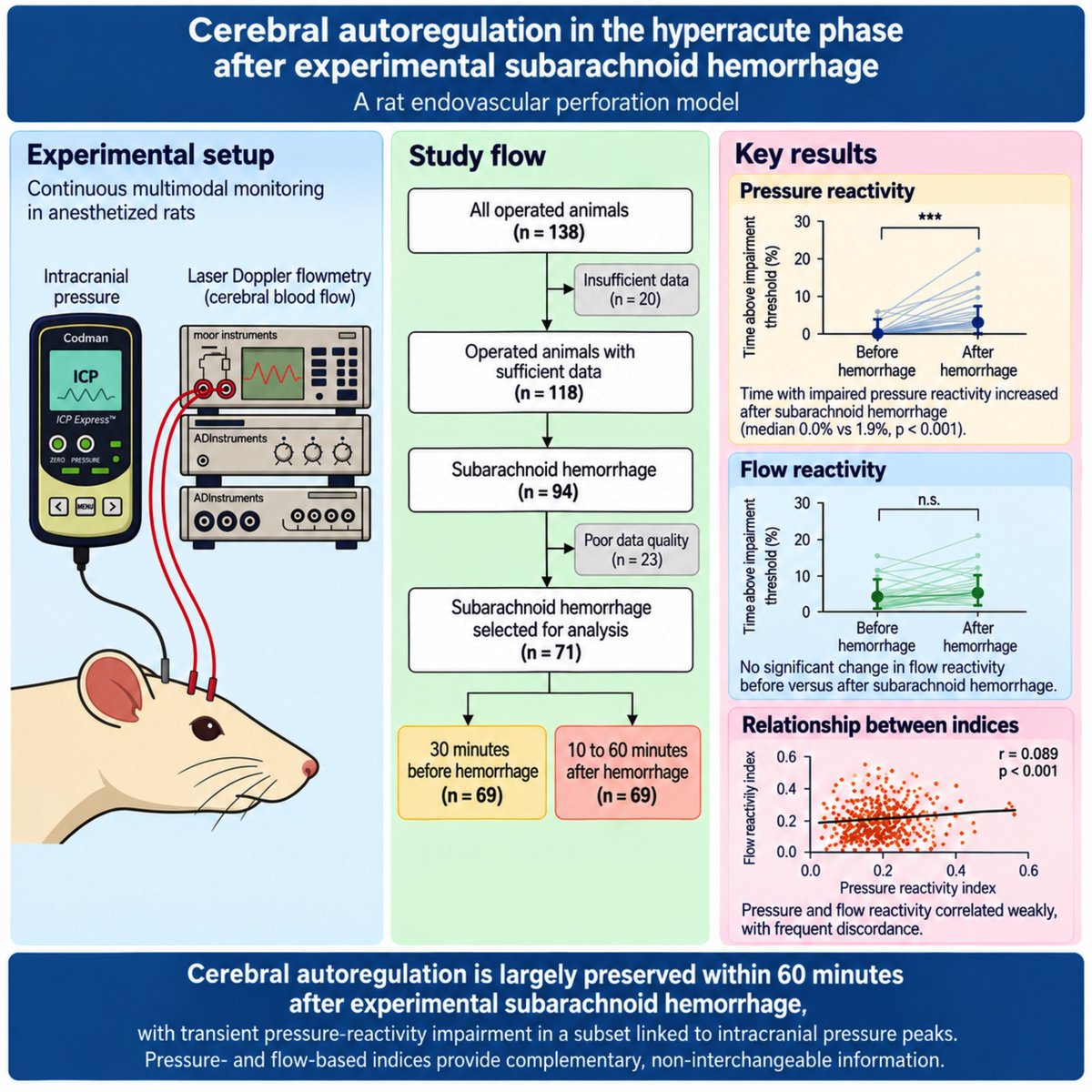
Veldeman et al. report largely preserved cerebral autoregulation within an hour of experimental subarachnoid haemorrhage in rats, with transient pressure-reactivity impairment proportional to intracranial pressure elevation.
Read it at 👉https://t.co/dDFG2uSjnl
#neuroscience
Theofanopoulou et al. report that resting state functional MRI in Parkinson’s disease, shows both increased and decreased connectivity across movement-related brain regions, with some of these alterations being linked to disease burden.
Read it at 👉https://t.co/XoJt6tOGnp
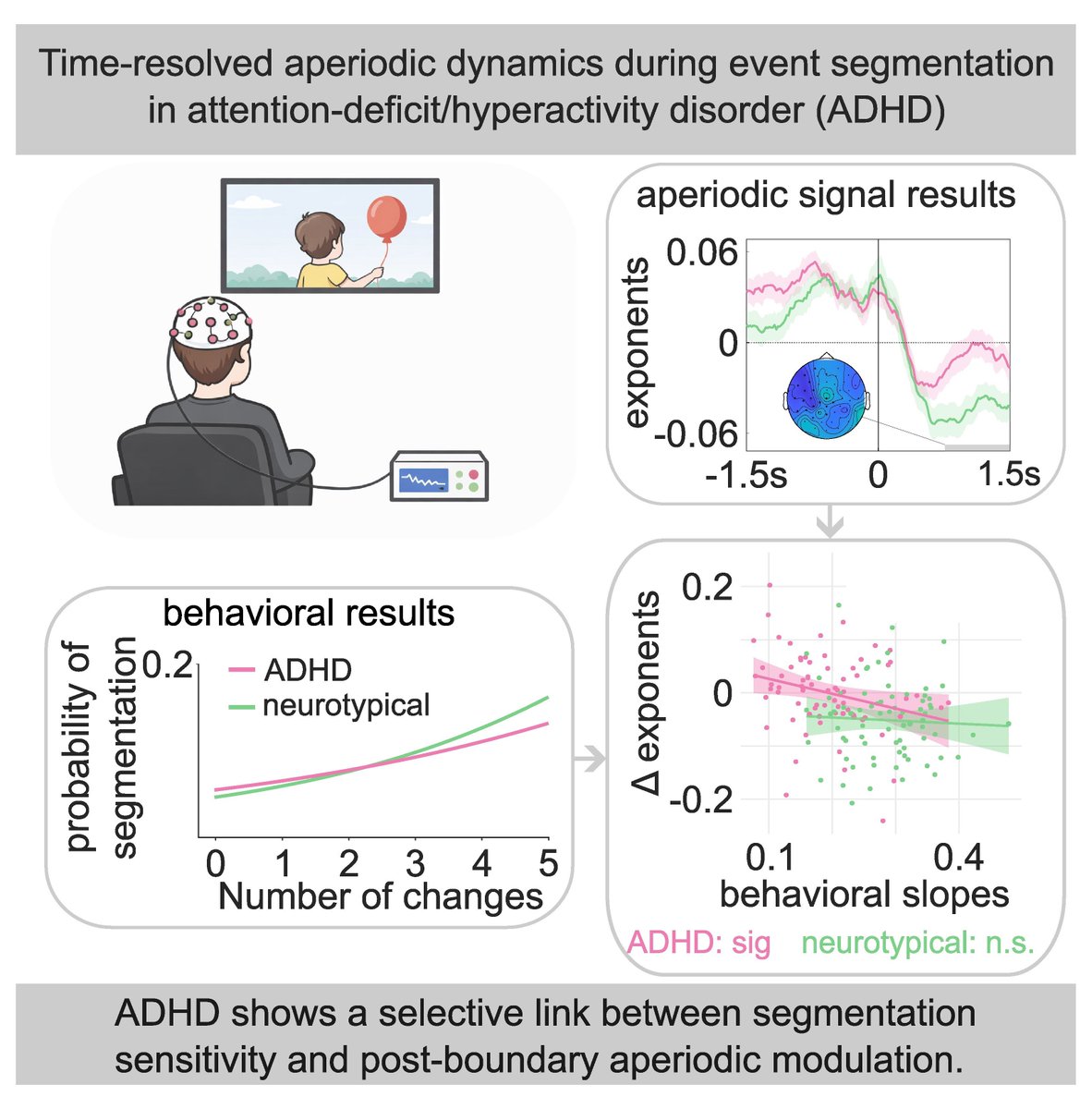
Zhou et al. report that adolescents with ADHD segment ongoing experience less sensitively: EEG reveals neural overstabilization before and reduced re-engagement after event transitions, which might restrict adaptive updating.
Read it at 👉https://t.co/OnpjXNKakp
#neuroscience
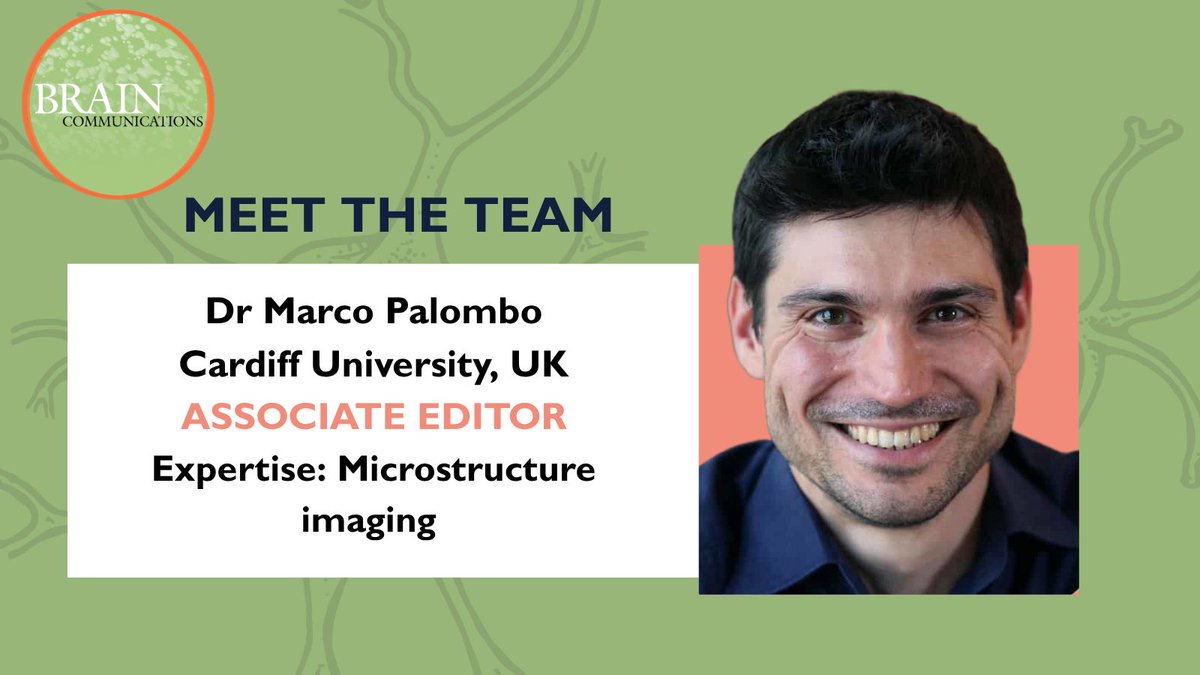
Meet Dr Marco Palombo, an Associate Professor and Head of Microstructure Imaging at Cardiff University👋
His research bridges quantitative MRI, biophysical modelling and machine learning, developing new methods to characterise brain tissue microstructure non-invasively.