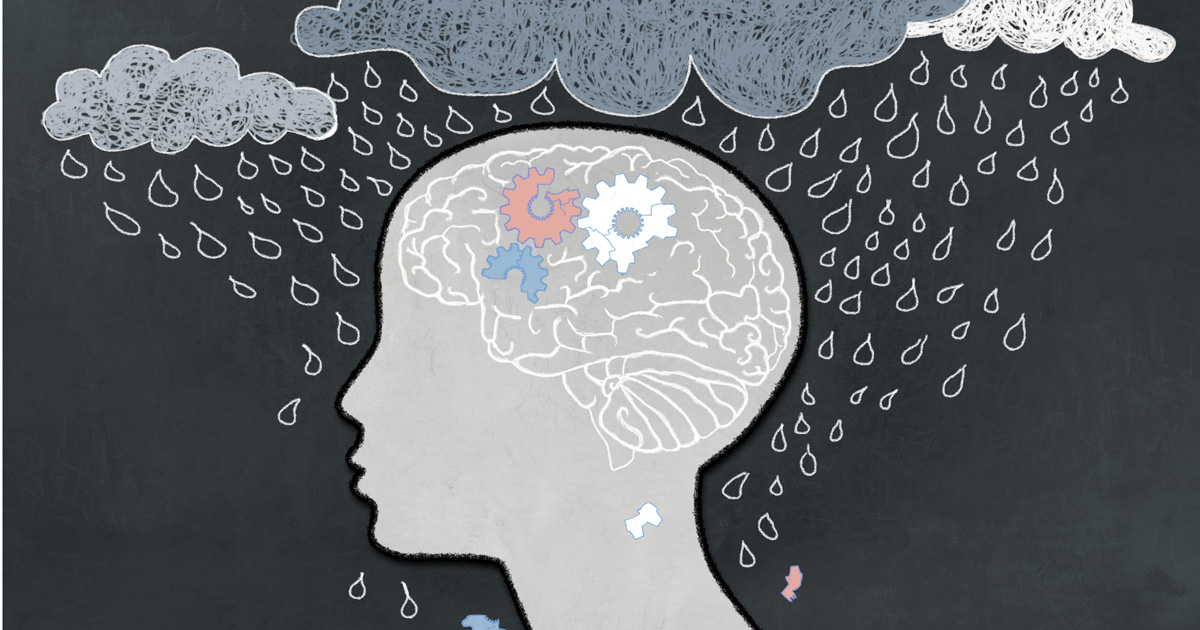
Does mood affect the way we process language? Apparently yes.
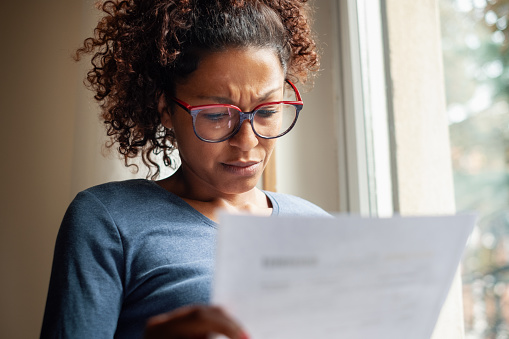
When in a negative mood, it may be easier to spot inconsistencies in the things we read. Negative mood, as it turns out, can affect brain functioning at a higher level, as highlighted by EEG.
https://t.co/rbe44xCPrD
A wheelchair that moves through mind control:
People with quadriplegia have tried the chair and have achieved "excellent precision in movement". EEG signals can be converted into mechanical commands for the chair through a brain-machine interface
https://t.co/vpyH46BfII
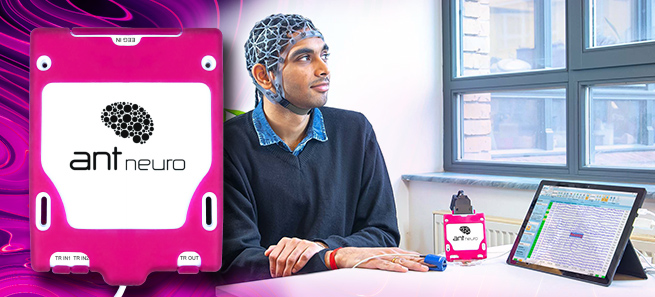
Got any moon shot ideas for your EEG study? Would you benefit from access to multiple EEG systems?
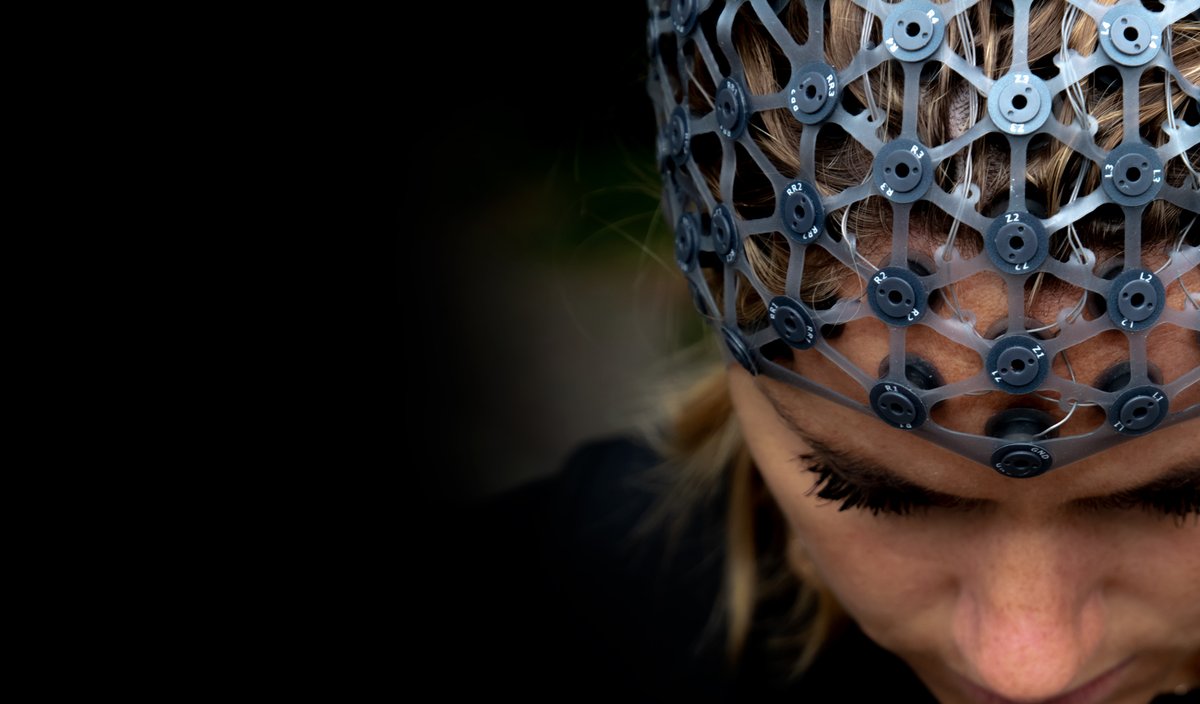
24ch, 64ch, 128ch, 256ch, dry and gel-based: you name it, we deliver it to you worldwide!
Contact us at [email protected] or schedule a call directly at: https://t.co/zCbSkNYoMo
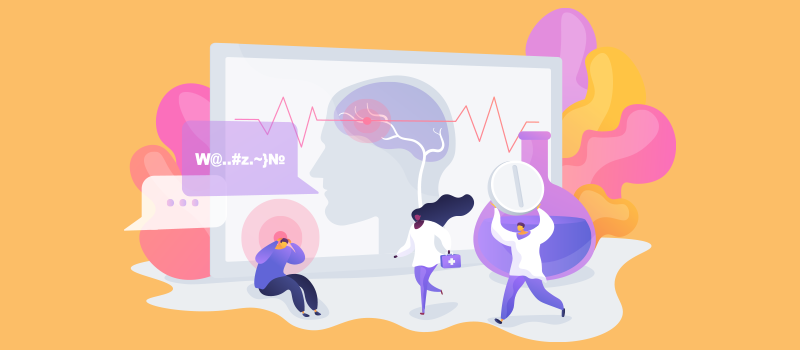
Here is an interesting read on potential EEG candidates for the identification of epilepsy.
Future studies including well-controlled big sample sizes, would shed further light onto this clinical field.
https://t.co/aNjTlny45i
The value of neuroimaging methods like EEG lies in providing objective tools for diagnosing psychiatric disorders. Here, the authors describe a signature of depression and schizophrenia based on the spatio-temporal relations of EEG electrodes signals.
https://t.co/43ckjz4hfv
Habits: our brain seems wired to learn associations between stimuli and specific actions, to better respond to the same situation in the future. On the other hand, this mechanism affects performance when a new response is required for the same stimulus.
https://t.co/15DPKGThHU
"Have we met before?"
EEG study sheds light on the minimal time of exposure to a new person that allows the future recognition of their face.
Valuable insight to never miss a face again!
https://t.co/krQjowR7G4
An interesting recent paper on the value of EEG entropy-based classifier measures as a physiological biomarker of dementia during REM sleep.
https://t.co/RFlU4TngGL
Another tool we can all use to optimize our work performance: taking breaks between meetings eases stress, as visible from frontal alpha asymmetry levels. How can technology help?
#microsoft#brainresearch#stressmanagement
Article:
https://t.co/Nv87QTSgpH
Have you already thought about your next EEG study?
Braincredible can support you by allowing access to multiple EEG systems simultaneously, so you can speed up your data collection and relax about the hardware costs!
Contact us to hear more !
https://t.co/1ISVH0KPHT
Mobile EEG is a powerful tool for brain activity monitoring in many groups of patients. Here is an interesting review in the domain of seizure monitoring.
Contact us if you are interested in applying mobile EEG applications for your research!
https://t.co/E3cns3cjOu
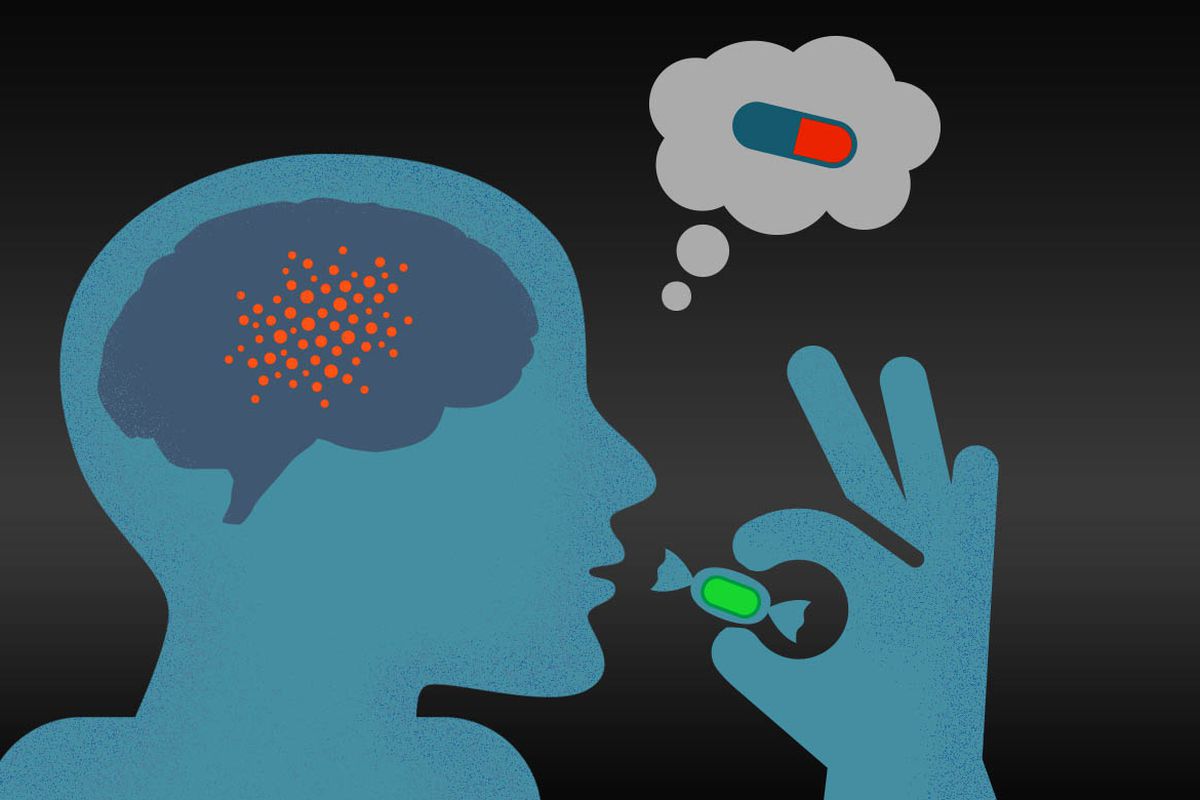
Neurofeedback treatment for attention: yay or nay?
A recent study published in nature highlights the importance of placebo effects.
https://t.co/4GKkVtlBq0
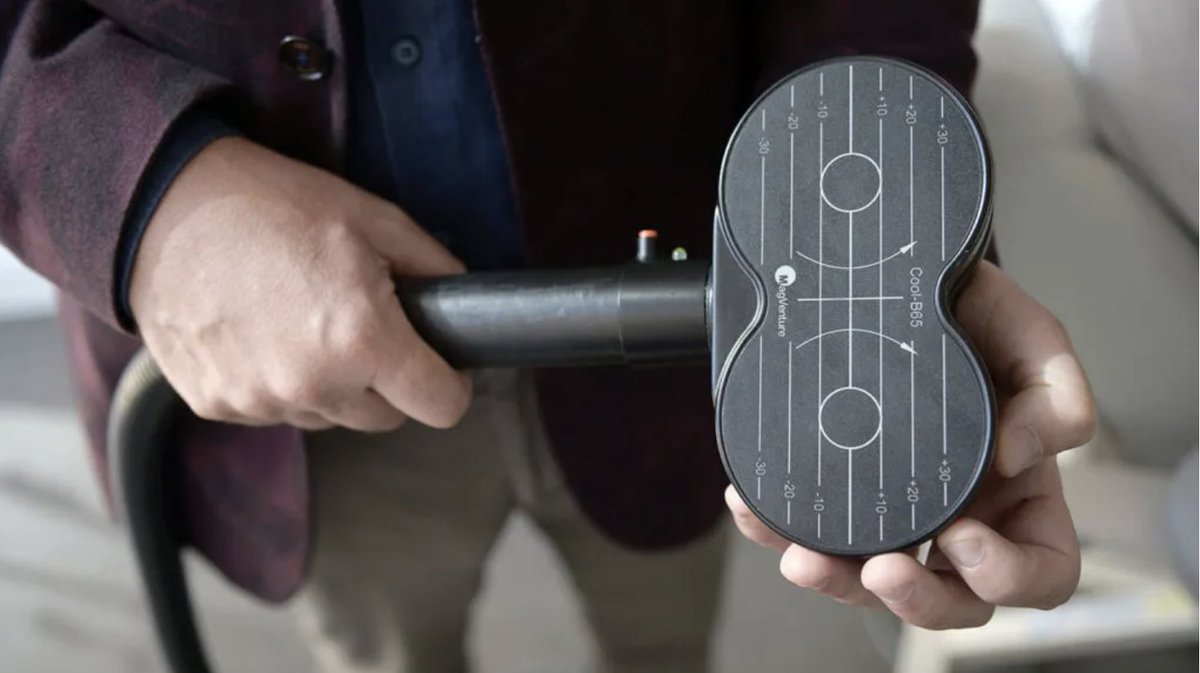
Recent study sheds light on the neuromodulatory effects of TMS theta bursts stimulation over the prefrontal cortex by combining EEG, DTI and MRI scans to explore potential applications.
https://t.co/MIC2u6Gd7D
We are excited to announce a collaboration with @GoldsmithsUoL to investigate the therapeutic effects of ayahuasca in PTSD patients by means of high density EEG! 🧠🍃
What is it about racing drivers that makes them so fast?
Is it an ability the average person does not possess, or can it be taught?
With our partners at @Nissan we are analyzing the human brain of elite athletes from the @NissanFETeam for an answer.
https://t.co/xvtN0sDv9n
Can't have it all: researchers found that older adults show greater mental well-being but poorer cognitive performance than younger adults. The underlying neural mechanisms may inspire new interventions to promote healthy brain function.
https://t.co/EEwEWhnawk
Can we have a positive impact on people with stress in an intensive meditation retreat? What neurological changes could we find?
Braincredible and @NirakaraOrg aimed at finding an answer to these questions.
Discover more at:
https://t.co/dS9pfpanV3