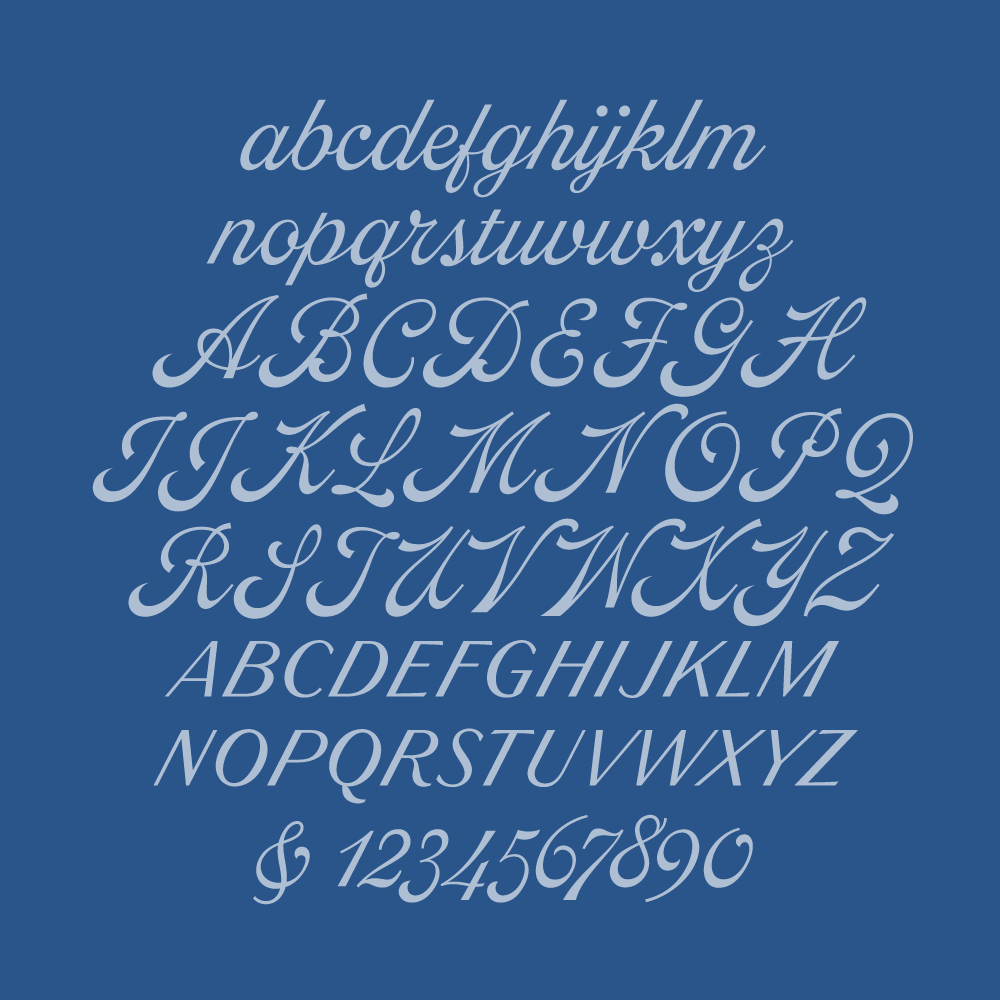
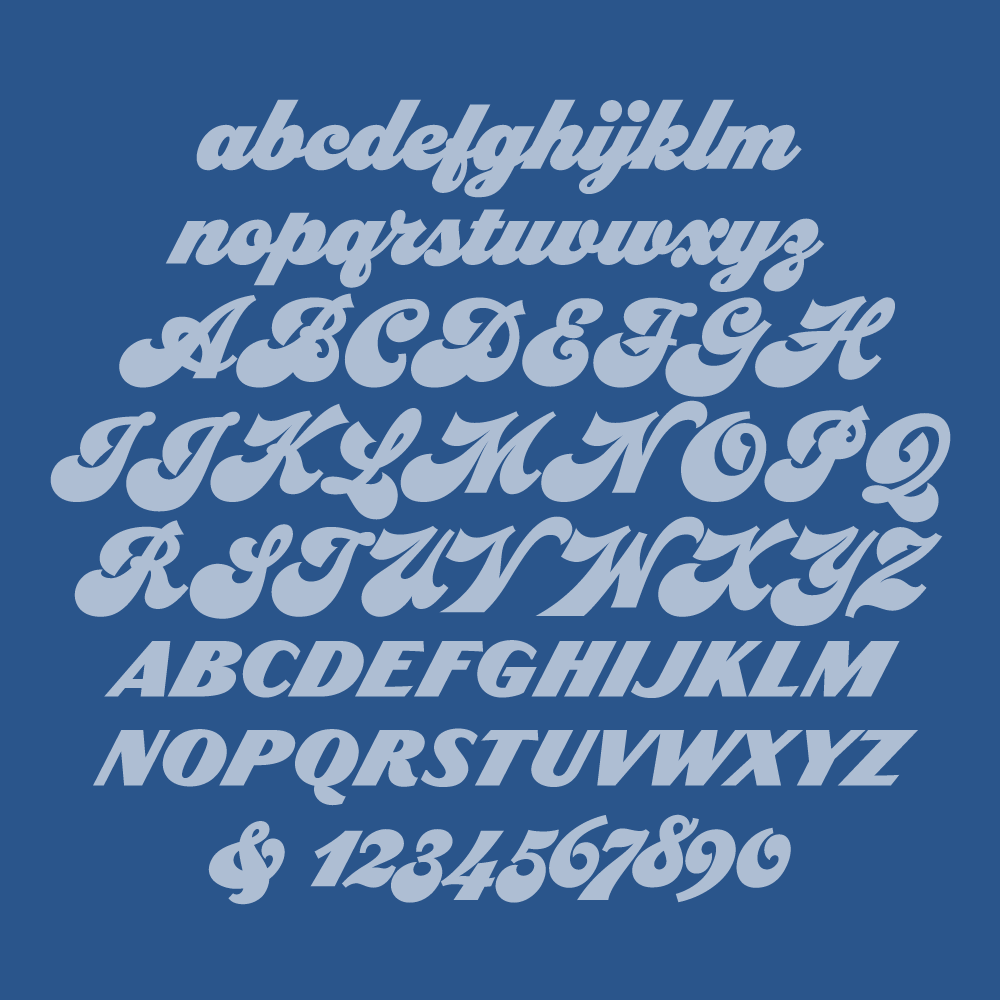
My latest typeface release is Dreamboat, based on the classic early twentieth century "bold script" style of lettering, still seen on logos for baseball teams, car companies, beer and soft drink brands. More info: https://t.co/H8iZOySaEL https://t.co/FtK4tB1S1p
@Lorp@justvanrossum@NickSherman@davelab6@googlefonts This one: https://t.co/dBrctl7n3u
You can access the data with BigQuery: https://t.co/bIASIpnxuM
The code that extracts data from fonts is here: https://t.co/YGDp1NwmUJ (you can query for counts.num_glyphs).
Variable font usage has grown to an impressive 29% (up from 13%). About 97% of variable font usage is from @GoogleFonts; only 3% from self-hosting and other services.
Most people use variable fonts for performance and not for their typographic potential.
https://t.co/x9feIBjhRO
@NickSherman@davelab6@justvanrossum@googlefonts There shouldn't be a big difference (apart from some metadata in the CFF table). Perhaps the difference is in the other tables? The article compares only the outline tables.
@NickSherman@davelab6@justvanrossum@googlefonts Me too! There are 189 CFF2 fonts used on the web compared to 9 million glyf and nearly a million CFF fonts, so not a fair comparison.
Based on the spec I don't expect a huge difference: CFF2 will be slightly smaller, but not a strong reason for picking one format over the other
@NickSherman@davelab6@justvanrossum@googlefonts One small correction the data shows CFF (not CFF2) vs. glyf sizes. Over the entire dataset the difference is negligible (and should not be a reason for picking one over another).
There insufficient data on CFF2 for a conclusion (though I doubt there will be a large difference).
@justvanrossum@NickSherman@googlefonts Only about 25% of the fonts on Adobe Fonts are CFF based (source: the WOFF2 evaluation report). It's probably a combination of all the things mentioned. I agree that the statement in the article is too simplistic.
@simoncozens I think the hidden surface removal can be baked into the animation axis using intermediate regions, but it is a little awkward. Tying compositing modes to variable axes would simplify a lot!
@simoncozens Yea, I was hoping for something that works as you transform (i.e. a front-facing surface becomes a back-facing surface). For example, if I wanted to spin this glyph around.
@simoncozens Nice! I've been working on converting arbitrary 3D models into variable/colr by projecting them into the 2D plane using outline based triangles. Haven't quite figured out hidden surface removal yet, but getting there.
@KhaledGhetas I agree. With only a handful of CFF2 fonts in existence, and the only tangible benefit of CFF2 being cubic beziers, wouldn't it make more sense to stop investing in CFF2, mark it as deprecated and move on?
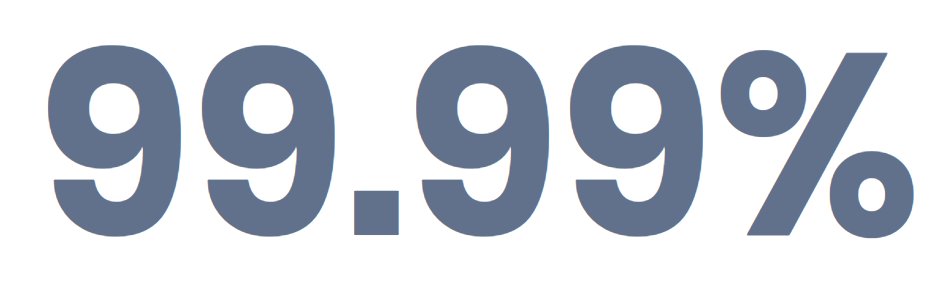
Slightly over 99.99% of variable fonts use TrueType glyph outlines. Not a good look for the CFF2 format six years after it was standardized. Perhaps time to deprecate it?
https://t.co/x9feIBjhRO
@KhaledGhetas I think that's one of the reasons: lack of tooling, implementations, etc. With usage this low, I wonder if resources wouldn't be better spent on other things (like adding cubic bezier support to glyf).