Most brands hand Advantage+ and PMAX full control of their ad budgets, then blame creative when performance drops.
The platform optimizing your spend is the same one selling the impressions. It grades its own homework.
Lacoste brought back "Life Is a Beautiful Sport." This time with Novak Djokovic on Roland Garros.
Director Fredrik Bond filmed a continuous run through Paris that culminates with Djokovic on the clay court. Print by Angelo Pennetta blends tennis gestures with everyday fashion.
The platform is 10+ years old. It still works because it frames sport as an attitude, not a performance metric. Moving through life with the same intention you bring to competition.
That positioning is why Lacoste never gets lumped in with pure sportswear. They chose lifestyle decades ago and keep doubling down.
https://t.co/hVReQYkCcl
Burger King France stopped fighting football's pizza habit. They hijacked it.
"Pizza King" by Buzzman serves Baby Burgers in limited-edition square pizza boxes. The ad plays like a pizza commercial. Friends gather, shout orders, wait for the box. Then the lid opens. Burgers.
The packaging does all the storytelling. They didn't reshape the burgers or add cheese. They just borrowed the one object every football viewer recognizes: the pizza box.
The reveal works because the audience discovers the switch at the same moment the characters do. No voiceover explaining it. No wink to camera. Just a box that contains something different than what you expected.
Most brands respond to category dominance by arguing against it. Burger King France accepted that pizza owns football night and used that assumption as the setup for their punchline.
Buzzman understood something important: you don't beat an entrenched behavior by fighting it. You beat it by dressing up inside it.
via The Drum
Uber Eats hired the world's most famous chef to tell people to stop cooking.
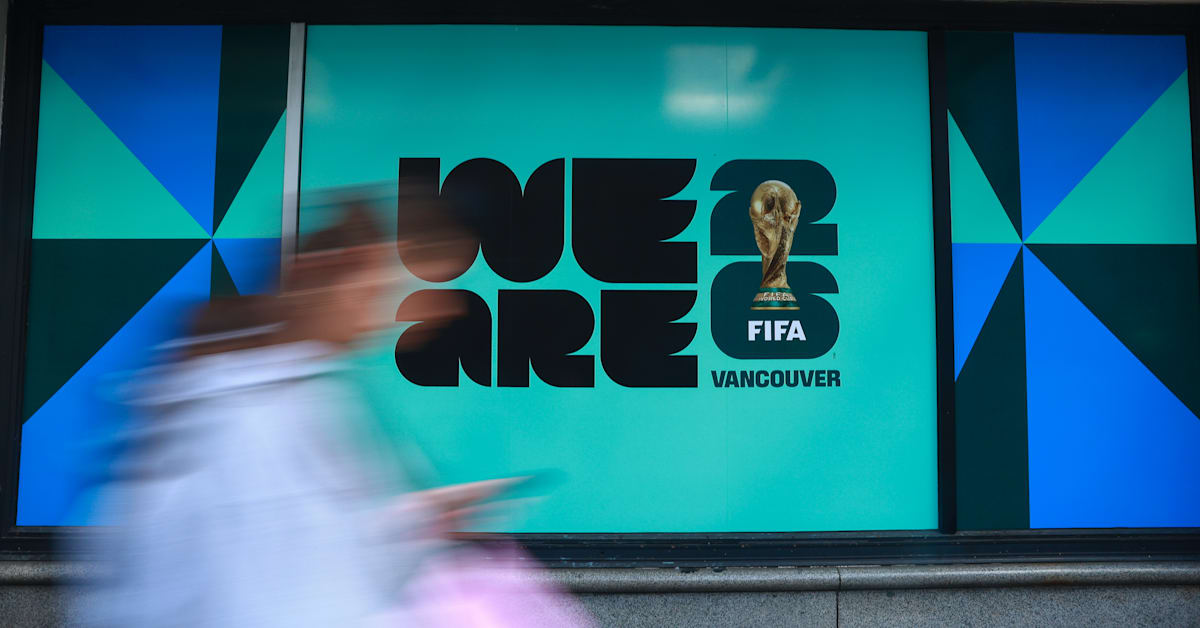
Their first global delivery campaign spans 17 markets during the World Cup. Gordon Ramsay shows up at your door, furious that you're chopping vegetables while there's a match on.
Agency: Mother. Director: Jeff Low. Production: Biscuit Filmworks.
The contradiction is the entire creative strategy. Ramsay has spent decades insisting people care more about food. Now he's scolding you for making dinner.
Jeff Low keeps showing up this month. He also directed Lyft's "Save the Money" puppet dollar bill spot. Two completely different tones, both built on the same instinct: let a familiar character behave in ways that feel slightly wrong.
The repetition is what sells it. Every scene is the same setup: Ramsay at a front door, horrified. The gag sharpens each time because the audience knows what's coming and watches anyway.
Most World Cup food delivery ads compete on price or speed. Uber Eats is competing on entertainment value. The ad itself is the reason to order, not the discount code at the end.
via The Drum
Tropicana made a sloth drink orange juice and launch into the stratosphere.
Fig, directors Dorian & Daniel, and animation studio Untold built a whole jungle universe where animals go from sluggish to electric after sipping Tropicana. Sloths doing backflips. Frogs leaping through canopies. Pure animated energy.
The insight is simple. Tropicana wakes you up. Instead of showing a tired person at a kitchen table, they handed that story to jungle animals and let the animation do the heavy lifting.
Fun, colorful, impossible to ignore in a feed. Exactly what a juice brand should feel like.
via Muse by Clio
PAPOCO made an AI film about people embracing bouquets made entirely of thorns to prove their love.
Brazilian creative studio PAPOCO and filmmaker Alexandre Kazuo Kubo built this as a passion project. The visuals are generated with AI but the concept is deeply human. People bleeding, wincing, holding on anyway.
Love hurts is one of the oldest ideas in advertising. What makes this version land is the commitment to the metaphor. They didn't soften it. The thorns are real, the pain is visible, and the people keep holding on.
A small studio, a filmmaker with vision, and AI as the production tool. The budget is tiny. The craft is not.
via Muse by Clio
Apple turned data trackers into actual people in silver suits who cling to your back and record every keystroke.
TBWA\Media Arts Lab and director Ivan Zacharias made the invisible visible. You watch someone go about their day with these freaks physically attached to them, logging everything. Then Safari strips them off.
Privacy advertising usually defaults to stats and scare tactics. Apple went with a physical metaphor that makes you feel the weight of being tracked. You don't need to understand cookies or fingerprinting. You just see the creep on your back and want it gone.
That's the whole pitch. Safari makes the creeps disappear.
via Muse by Clio
Nike just dropped a World Cup film with Cristiano Ronaldo, Erling Haaland, Vini Jr., LeBron James, and Kim Kardashian. All in the same ad.
Director Dan Streit and Wieden+Kennedy built a Hollywood blockbuster set inside the media-sphere. The scale is absurd. Every scene feels like a different movie genre crashing into a football pitch.
This is Nike doing what Nike does best. Outspend everyone, out-spectacle everyone, and make the World Cup feel like their personal event. The cast alone would bankrupt most brand budgets.
The real flex: it works. The OTT energy matches the moment. A World Cup on home soil, co-hosted across North America, with the biggest tournament in FIFA history. Nike matched that energy frame for frame.
via Muse by Clio
Porsche built three one-of-one 911s for the Toy Story 5 premiere.
Not wraps. Not vinyl. They commissioned their Sonderwunsch program, the same custom division that handles private client commissions, to hand-build a Buzz Lightyear GT3 RS, a Woody Carrera T with denim-inspired paint and leather interior, and a Jessie Targa 4 GTS in full western livery. Every detail is bespoke.
Most brand collabs at this level are cosmetic. A logo on a car, a limited colorway, a press photo. Porsche treated this like a real Sonderwunsch project. That's the difference between a marketing stunt and something that actually earns the conversation. When the craft is real, people don't dismiss it as promo. They study it.
All three cars will support children's charities after the premiere.
via Porsche
PETA made an arthouse short film that puts humans in lab cages and subjects them to the procedures animals face.
"End Animal Abuse" is shot in monochrome with infrared by director Favio Vinson through Papaya Films. The score is Fauré's Requiem in D Minor. Humans undergo testing, confinement, and clinical observation. The film blurs the line between beauty and brutality on purpose.
PETA has spent decades running shock campaigns. This is different. The production quality is closer to a festival submission than an advocacy ad. Vinson treats the subject matter with the visual grammar of art cinema: infrared photography, classical score, deliberate pacing. The restraint is what makes it disturbing. There's no screaming narrator. No graphic animal footage. The horror is implied by watching humans accept what we ask animals to endure.
This is PETA proving that the message doesn't need to be loud to be uncomfortable. The arthouse approach earns attention from audiences who would scroll past a traditional animal rights ad. The craft is the distribution strategy.
via Ad Age
KFC just announced a global overhaul of its menu, restaurant design, and visual identity. They're calling it their "next chapter."
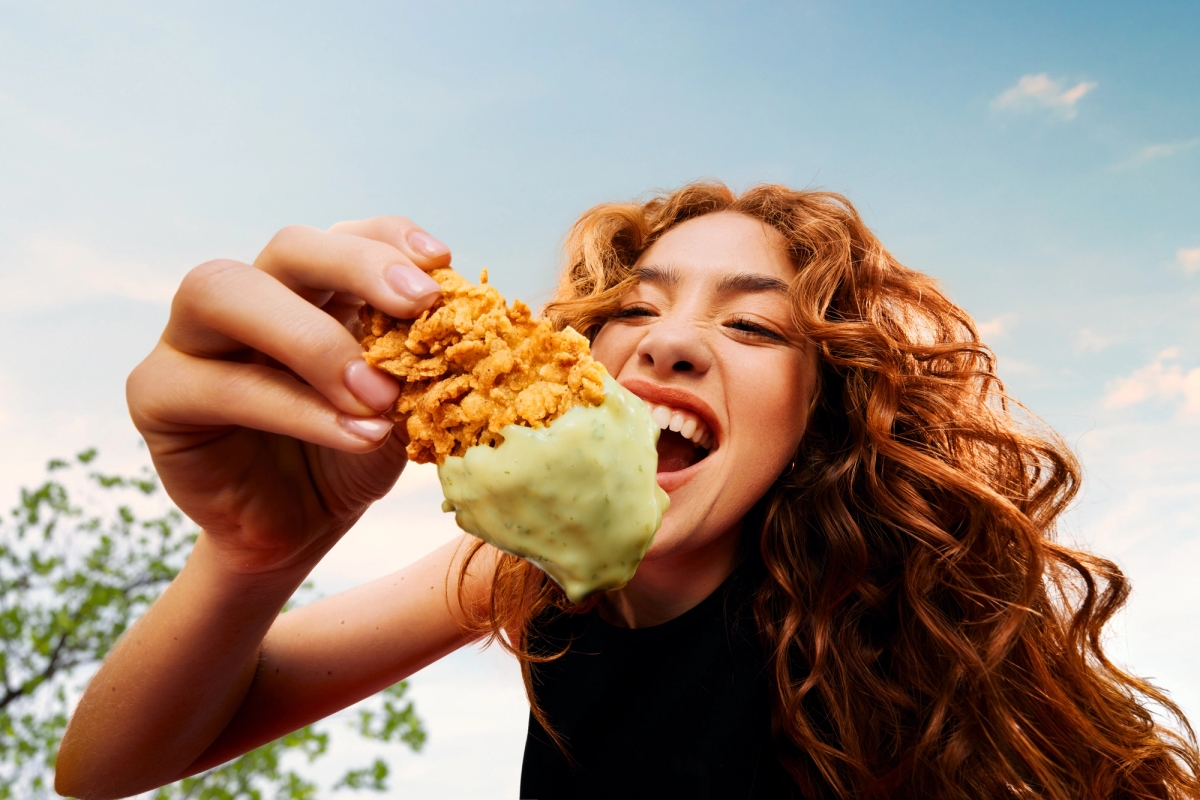
The scope is massive. Bolder logo. Refreshed bucket packaging. An updated "Finger Lickin' Good" slogan. A full menu pivot toward boneless chicken with 20+ new sauces. A beverage line called "Kwench by KFC" with boba refreshers, milkshakes, sparkling lemonades, and iced coffees. New restaurant concepts including an "Open House" format with table service debuting in McKinney, Texas this summer, and a two-story location in Dubai this fall. They want to be known for hospitality, not just efficiency.
The rollout starts in the UK and Ireland this month. US and Australia follow in the coming weeks. This is landing right before Cannes Lions, which is not a coincidence.
Here's what makes this interesting from a marketing perspective.
KFC US accounts for less than 5% of Yum Brands' operating profit. They don't even report US same-store sales anymore. The growth engine is international. This rebrand is built for Dubai, London, Sydney, and 150 other markets simultaneously. The American consumer is along for the ride.
The beverage play is worth watching. McDonald's has been leaning into drinks as a growth engine for years. Sonic built an entire identity around it. KFC entering that space with a dedicated sub-brand signals they see the same margin opportunity. Drinks are high-margin, high-frequency, and they bring people in between meals.
Meanwhile, Highdive, KFC's US creative agency behind the Colonel Sanders Finger Lickin' Machine music video and some of their most viral recent work, sat this one out entirely. The rebrand went forward without them. In global QSR, campaign work and brand architecture live in different rooms. The people who make your best ads and the people who redesign your restaurants answer to different briefs, different timelines, different P&Ls.
The real question is whether a 72-year-old fried chicken chain can credibly become a boneless, boba-serving, table-service restaurant without losing the core audience that made it iconic. They're chasing every trend in fast food at the same time. That's either a cohesive vision or an identity crisis dressed up as a rebrand.
We'll know which one by how it performs outside the US. That's where KFC actually makes its money.
via Ad Age
Toyota worked with Jim Henson's Creature Shop to win over EV skeptics.
"Haters Anthem" by Burrell features puppets singing about every reason people hate electric vehicles. Range anxiety. Charging time. The "it's not a real truck" crowd.
Then each hater drives one. And shuts up.
The EV category spent years preaching to the converted. Toyota went straight to the skeptics and let the product do the arguing. Director Paul Hunter made puppet hatred feel genuinely funny, not preachy.
That's the play: don't convince people who already agree with you. Convert the ones who don't.
via Ad Age
Jack in the Box invented a fictional 1980s soccer legend to sell spicy chicken during the World Cup.
TBWA\Chiat\Day LA. Fake archival footage. A backstory pulled from real soccer folklore.
Here's why this campaign is smarter than it looks:
The concept: Jack Box, the brand's mascot, gets reimagined as "The Spiciest Player." A gifted but volatile star from the golden era of soccer.
Full faux highlight reels. Grainy footage. Exaggerated goals. Red cards. Sideline meltdowns.
The backstory borrows from real soccer folklore. The temperamental genius who could win you a match or get himself sent off in the first ten minutes.
Think Maradona crossed with Eric Cantona, but made of fiberglass.
Every detail of the character ties back to the menu. His "spicy" temperament. His "hot" streak. His infamous "meltdown" against Brazil in '86.
The product integration lives inside the mythology. Every punchline is a menu item.
TBWA\Chiat\Day went deep on the archival treatment. The film grain. The aspect ratio. The commentator voices. The crowd noise.
If you showed this to someone cold, they'd Google the player before they realized he was a fast food mascot.
Then they extended it beyond the screen.
Limited edition merch. Jerseys designed with The Hundreds. A First We Feast partnership. Real cultural touchpoints layered onto a fictional character.
Most brands tie into the World Cup by slapping their logo on existing narratives. Official sponsor graphics. Player endorsements. Predictable.
Jack in the Box built an entirely new narrative from scratch.
The fake archival approach works because it gives people something to discover. You don't just watch the ad. You piece together the legend. You share the highlight reel. You debate whether The Spiciest Player would've made the '94 squad.
It also solves a real problem: Jack in the Box has no business being in the soccer conversation. They're a fast food chain, not a sportswear brand.
The fictional character gives them permission to play in that space without pretending to belong.
The collab stack matters too. The Hundreds brings streetwear credibility. First We Feast brings food culture credibility. Neither feels forced because the character is absurd enough to live in all those worlds.
This is worldbuilding as marketing. The campaign invites you into a universe where the mascot was once the most dangerous player in international soccer.
Once you're inside the world, the chicken sells itself.
via Ad Age
Scale AI just ran their first major brand campaign and spent $1M telling the world that AI needs humans.
"The Humans Stay" included a full-page New York Times ad, billboards across NYC and SF, and a digital placement in Times Square. The message: reliable AI cannot exist without human intelligence.
This is a company that makes its money from AI choosing to position against the replacement narrative. While every other AI company is selling automation and efficiency, Scale is selling the idea that humans are the quality layer. That's a contrarian brand position in a market that rewards fear.
The timing matters. AI anxiety is at its peak. Most companies in this space are either leaning into the hype or quietly hoping nobody asks hard questions. Scale is doing something different: acknowledging the anxiety directly and then making their business model the answer to it. The $1M media spend says they're serious about owning this position long term.
via Ad Age
Michelob Ultra had a full Knicks championship campaign live within hours of the final buzzer.
TV spot. Times Square billboards. Taxi tops. MSG signage. Fan watch party.
Here's how BBDO New York pulled it off:
The centerpiece is a TV spot called "A Pass for the Ages."
Walt Frazier narrates it. He connects the 1973 championship squad to this year's roster led by Finals MVP Jalen Brunson.
Frazier's voice ties two eras of Knicks basketball together in 30 seconds.
Then the OOH work.
A multi-part Times Square billboard shows a pass between Frazier and Brunson across two separate displays. One screen to the next. Two generations, one moment.
That's the kind of creative that makes people stop and photograph a billboard.
They didn't stop at Times Square.
Taxi-top ads across Manhattan. LinkNYC placements on every block. Madison Square Garden signage inside the building where it happened.
The city itself became the media buy.
Michelob also hosted a fan watch party in Manhattan and had player partnerships that put them inside the postgame celebrations.
This wasn't a sponsorship logo on a screen. They were embedded in the moment.
The real story here is speed.
Most brands take weeks to get a congratulatory post approved. Michelob had coordinated creative across TV, OOH, digital, and experiential before the confetti hit the floor.
The window between "timely" and "late" is measured in hours now.
BBDO New York built this. The entire campaign turns an NBA sponsorship into a citywide victory lap.
Being first with strong creative beats being third with perfect creative. Michelob Ultra understood that.
via Ad Age
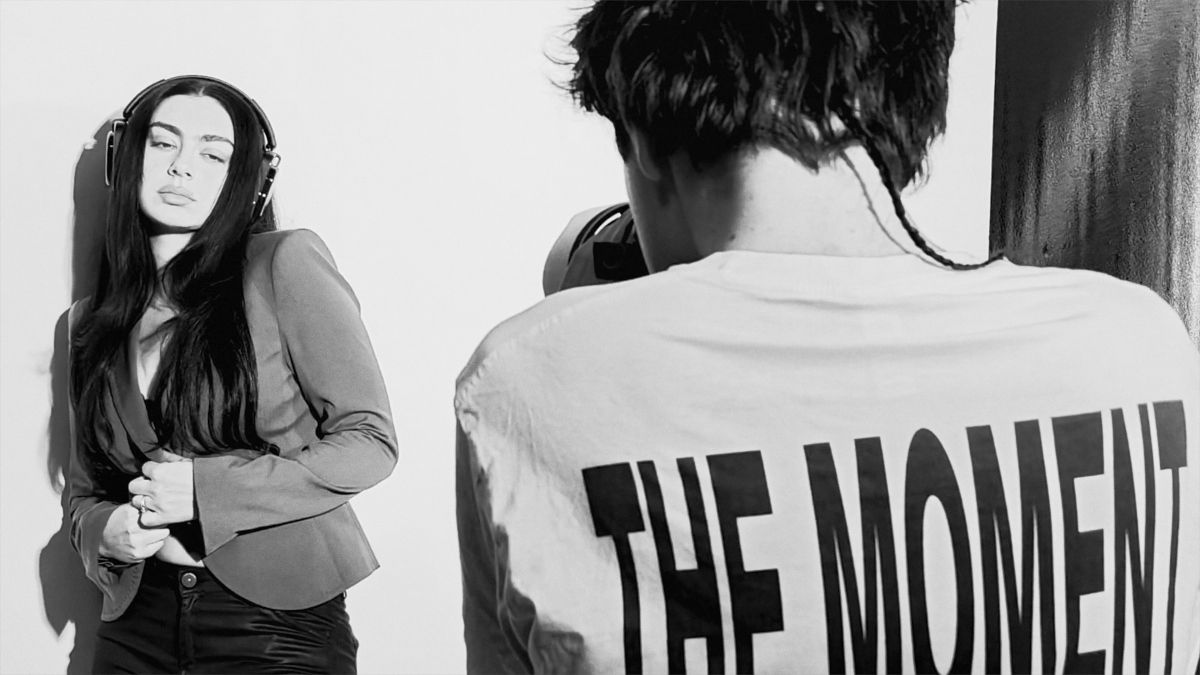
Nothing hired Charli XCX as their first global ambassador and built the entire spot around one product claim: battery life.
The 60-second video says she wore Nothing headphones for five straight days while a crew painted her white room black around her. Shot by Aidan Zamiri. The visual transformation becomes the proof of the claim. By the time the room is finished, the headphones are still going.
Most headphone brands demo battery life with a number on screen. Nothing turned it into a visual experience where you feel the time passing. The room changing color is the clock. The music never stops. You understand five days of battery life without anyone saying "five days of battery life."
Charli XCX is the right pick because she already fits the Nothing brand without adjustment. The aesthetic overlap is real. You don't have to squint to see why she'd actually use the product, and that's the difference between an ambassador deal that works and one that feels like a check cleared.
via Ad Age
Nike celebrated the Knicks' first title in 53 years with a championship ad that shows zero game footage.
Wieden+Kennedy. Josh Safdie directing. Billy Joel scoring.
Here's why this is one of the best sports ads in years:
The setup: New York wins its first NBA championship since 1973. Every brand on earth wants a piece of that moment.
Nike gets there first. But they don't use a single highlight. No locker room champagne. No confetti.
They hired Josh Safdie to direct.
Safdie is one half of the Safdie brothers. Uncut Gems. Good Time. He makes films about New York that feel like the city is about to swallow you whole.
He's also a lifelong Knicks fan.
The spot follows a kid in a Jalen Brunson jersey sprinting through the streets of Manhattan.
The entire ad is told through his run. You hear the city. You see strangers reacting. But there's no voiceover, no stats, no narration. Just sneakers on pavement and Billy Joel.
The soundtrack: "New York State of Mind."
The kind of song that doesn't need a brief. Your dad played it in the car when you were seven. It earns the moment because it was always the moment.
As the kid runs, the city reacts. Spontaneous street celebrations. People pouring out of bodegas. Strangers hugging strangers.
The footage feels found, not produced. That's Safdie's fingerprint.
Every other brand would've licensed the broadcast highlights. The buzzer beater. The trophy lift. The locker room spray.
Nike filmed a kid running through his neighborhood.
Why that works: 53 years of longing doesn't live on the court. It lives in the streets. In the bars. In the apartments where people watched alone and screamed at the ceiling.
Nike understood the emotion was in the city, not the arena.
Getting a Safdie brother is a massive creative get for any brand. But the bigger move is the restraint.
They had access to everything. They chose to show almost nothing.
This is the gap between documenting a moment and capturing what it actually felt like.
Most championship ads tell you what happened. Nike made you feel what 53 years of waiting finally breaking felt like.
The takeaway: Safdie didn't need a brief. He needed a camera. When you hire a director who already carries the emotion of the story, the creative takes care of itself.
That's what made this ad land.
via Ad Age
Liquid Death's third collab with The Boys might be their best product integration yet.
Ashley Barrett's character avoids having her head exploded by drinking Liquid Death sparkling energy. Half the caffeine of competitors. Her intern, chugging a regular energy drink, doesn't make it. The head pops. Classic The Boys.
The product benefit is the plot mechanic. The lower caffeine claim is the reason a character literally survives the scene. That's how you make a functional selling point entertaining: you weave it into the stakes of the story instead of reading it off a spec sheet.
Three collabs deep with the same IP is worth noting. Most brand partnerships are one-offs that get a press cycle and disappear. Liquid Death keeps returning to The Boys because the tonal fit is genuine. Both brands thrive on being the irreverent option in a category full of serious players.
via Ad Age