Anthropologist & lecturer at @UCLanthropology working on mobility & infrastructure in Occupied Palestine. Co-founder of @NewEthnographer & @DigECollective
Also pleased to share my own contributing article in which I offer the first set of recommendations for anthropologists using dating apps as a methodological tool of research based on my fieldwork among Israeli settlers in the Occupied Palestinian West Bank
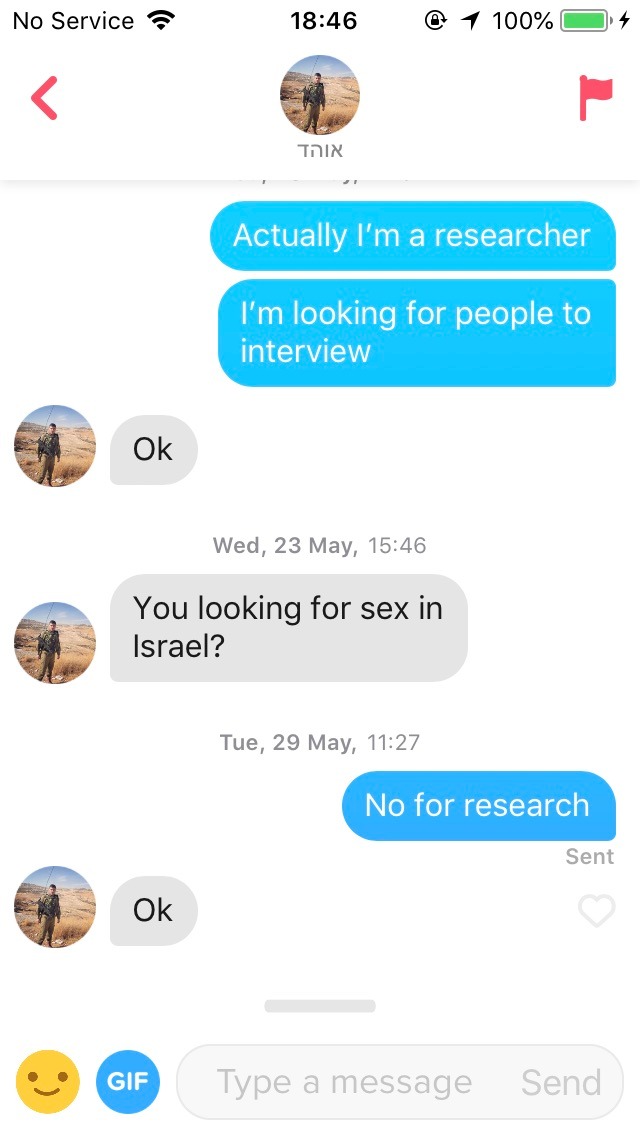
This screenshot from 2018 is the true representation of my entire research career to date, including a forthcoming publication on my actual work on Tinder in the Occupied Palestinian West Bank
📢 Book Launch Event with @RoyalAnthro 📢
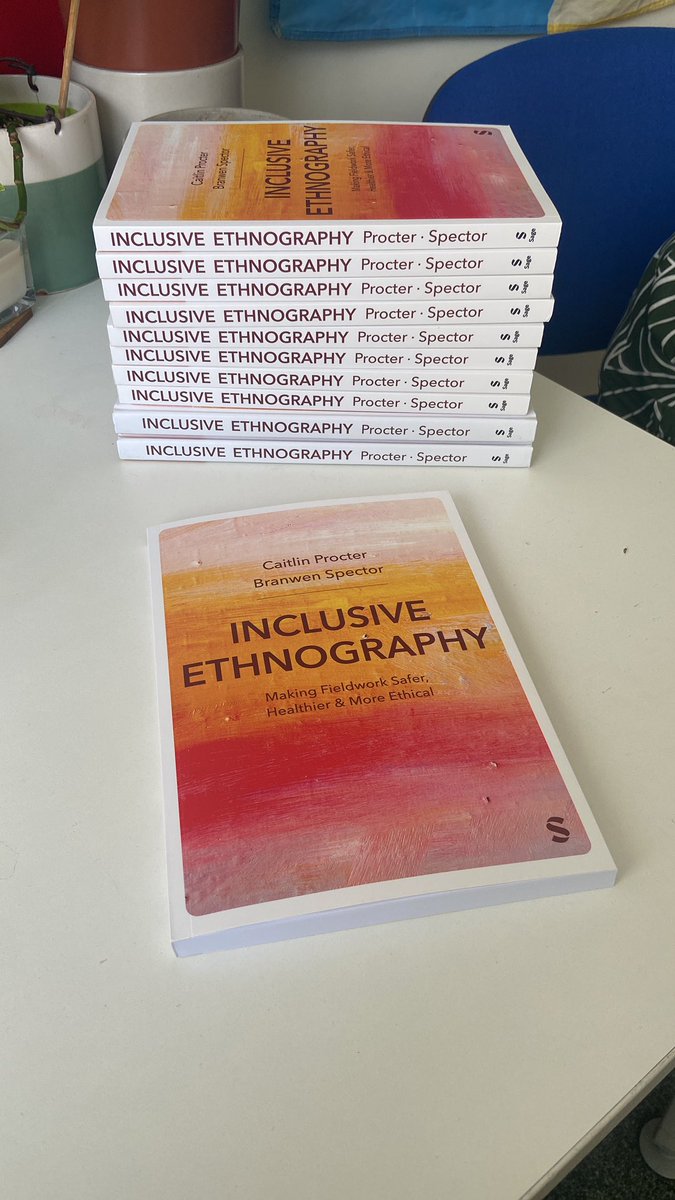
📚 Inclusive Ethnography 📚
✨ Hosted by @toyinagbetu with editors @Caitlin_Procter & @brantropologist
📅 October 10 at 4pm
Register to join online here ⤵️
https://t.co/YFBqnOgdC4
Or in person here ⤵️
https://t.co/vX53etSIUo
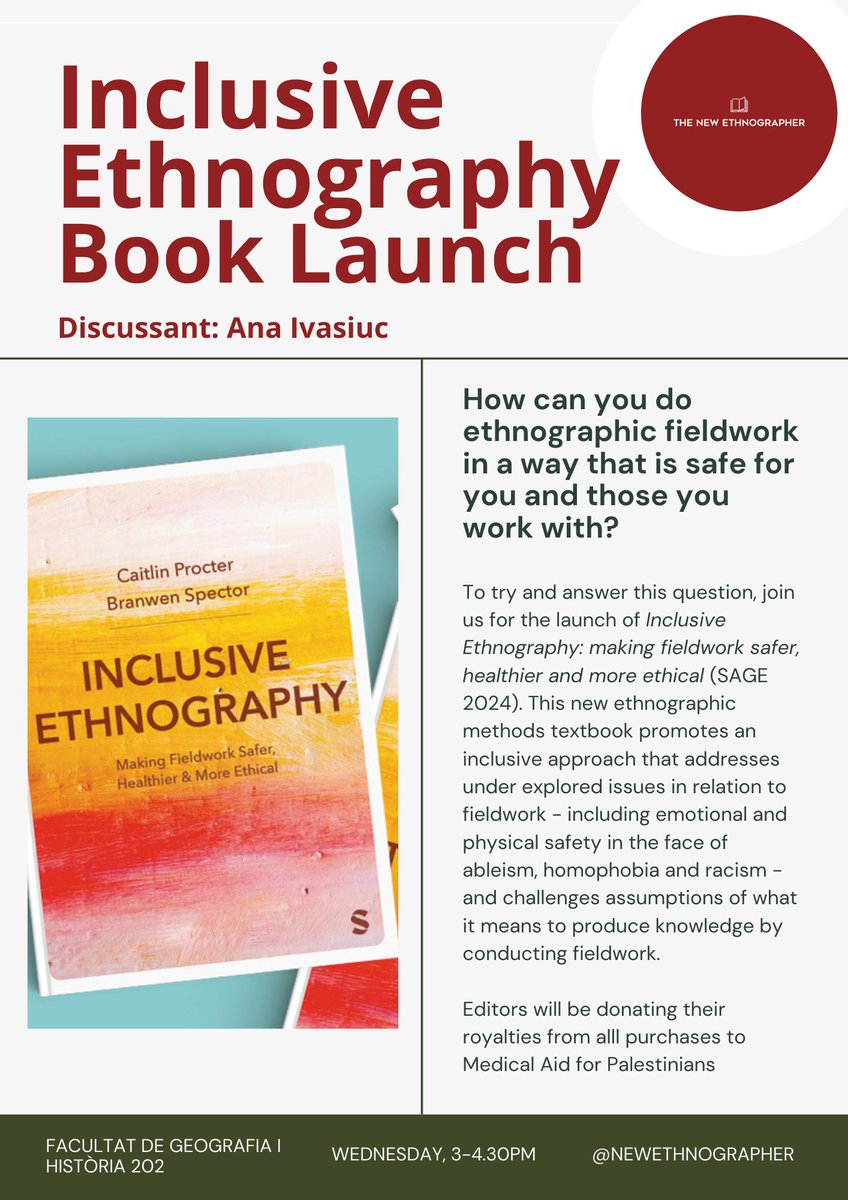
TNE is heading to #easa2024 and we are delighted to share one of our many book launches for Inclusive Ethnography will be on Wednesday, July 24 from 3-4.30pm in Facultat de Geografia i Història 202 with the wonderful @anaivas as discussant. We hope to see you there!
@raulpacheco Great list! Our new book, Inclusive Ethnography, has a specific chapter on fieldwork in violent contexts by @Caitlin_Procter but also speaks to how fieldwork in any situation/context can be dangerous and how to manage it. https://t.co/zLdCETzOVC
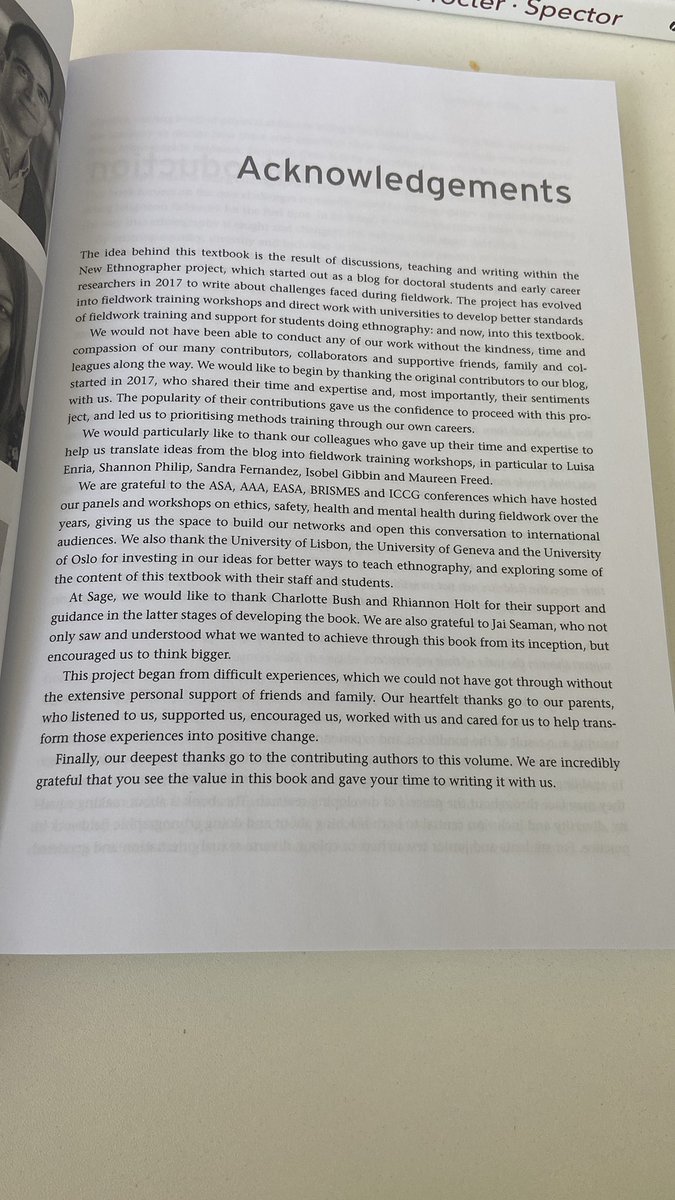
@Caitlin_Procter and I have spent 5 years putting together this book, a new way of thinking about methods training that encourages openness and inclusion for researchers conducting fieldwork. We’re so so happy it’s finally out, and thanks to all our amazing contributors!
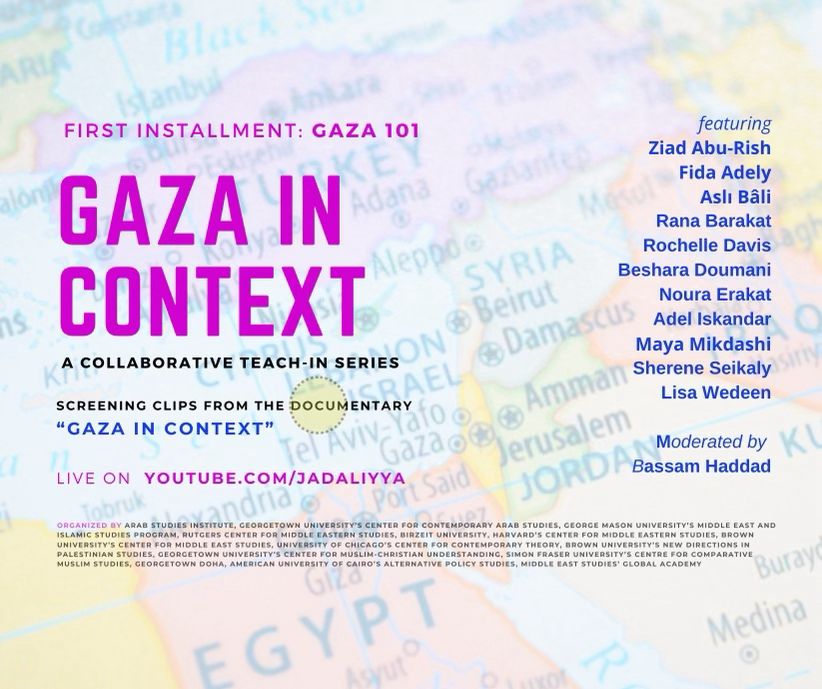
Palestinian academics, particularly those in and from Gaza, are capable of producing high-quality scholarly work and research on Gaza and other subjects. However, their engagement in such projects is hindered because many are being killed, while others are trying to stop this violence. Now is not the time for standard academic exercises concerning Gaza. While many may have excellent ideas for books, journal articles, etc., it's important to save these ideas for later. The current priority is to stop the genocide. The book I co-edited on Gaza has been downloaded over 45,000 times, and 10,000 physical copies have been sold. Despite this, the last thing on my mind is considering "the next project" when my family, including my disabled brother, is in immediate danger. Academics, who hold positions of power and create the language that helps us understand the world, bear the responsibility to use language, discourse, research, and analysis to 1) educate and hold Israel and its allies accountable through positions that are courageous and bold; and 2) join advocacy efforts, like everyone else, to call for an end to the genocide. This is especially urgent as hundreds of Palestinian academics have been murdered, many have been displaced, and nearly all universities, colleges, academic institutions, and archives in Gaza have been destroyed.
We are millions to feel powerless witnessing from afar the genocide currently unfolding against Palestinians of Gaza. Fighting this powerlessness means organizing for tomorrow to support, at our own scale, the Palestinian struggle for liberation.
https://t.co/P7pDqR7saM