Bringing Medesy to Life: A Dream Turned Reality
A while ago, I had a vision together with a very close friend of mine Doctor @fdirioha1 one where accessing healthcare wasn’t complicated or out of reach. Where technology could bridge the gap between patients and quality medical services. That vision is now on its way to reality.
I’m beyond excited to introduce @Medesysolutions, a platform we are building to make verified healthcare more easily accessible and seamless for everyone.
As a co-founder, I am pouring my passion into this, and we’re just getting started.
This is more than just a project; it’s a movement.
And I will like everyone who comes across this to Join us as we reshape the future of healthcare!
The Healthcare Struggles Nigerians Face:
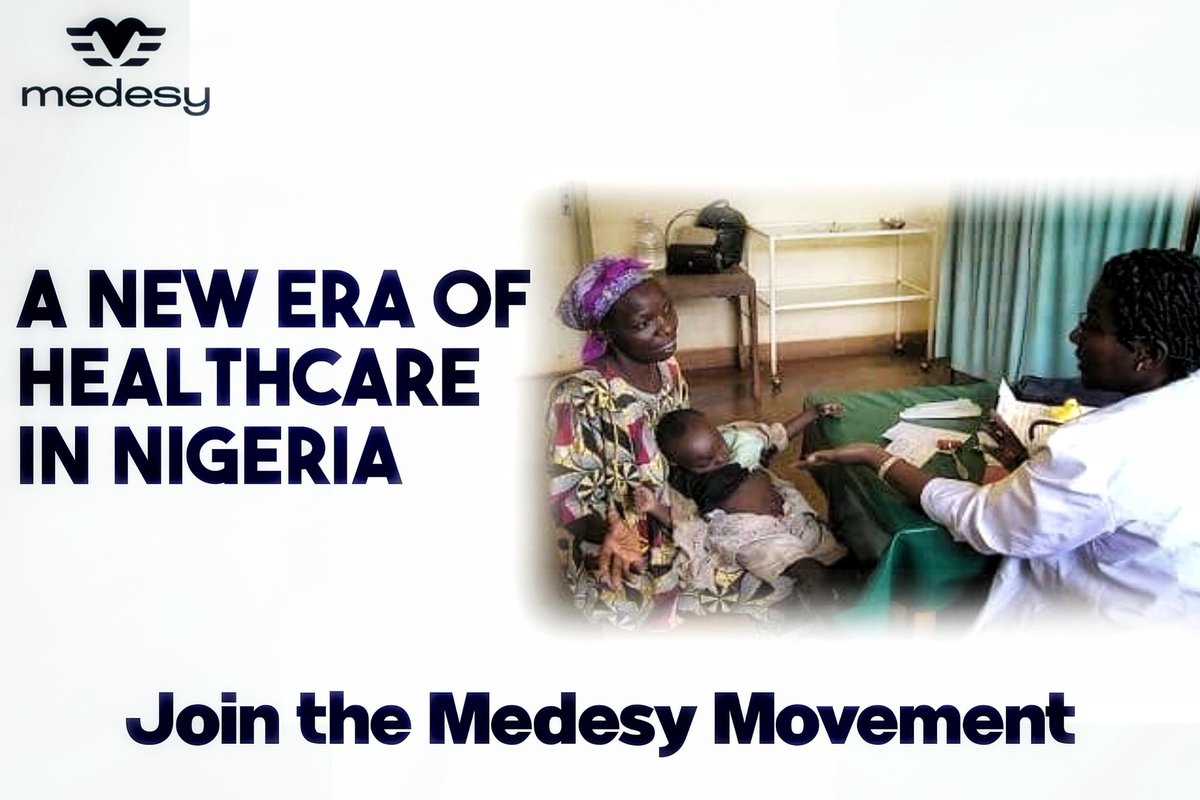
Accessing healthcare in Nigeria has always been a major challenge. Many still prefer unverified chemists with no formal medical knowledge over hospitals.
But does this mean we don’t prioritize quality healthcare?
Let's find out🧵👇
"Why bother building an AI startup when OpenAI and Anthropic will just eat you?"
Is there any point building an AI startup when the giant labs can apparently do everything.?
Short answer is yes.
Firstly, the thin wrapper era is dead. You take an OpenAI or Anthropic API, slap on some "sexy" UI and a clever prompt on top, try and charge twenty $'s a month and pray to your god.........that worked for about six months in 2023 and 2024. Dont even bother now.
The numbers now are painful. AI wrapper businesses fail in their first year and 80 to 95% never generate any meaningful revenue at all.
One analysis put the two year survival rate for wrapper companies at under 3%. Every time OpenAI or Anthropic ships a feature, dozens of startups evaporate overnight. Why tf would you take that risk?
Custom GPTs killed the "build your own assistant" startups,
Vision features killed the image analysis API startups, Code interpreter killed the data analysis wrappers, Function calling killed the agent orchestration startups.
Most of these entities knew they would get swallowed up eventually.....but the cash grab opportunity was too good to avoid. And VC's were funding them hand over fist.
Now, admittedly, The labs are godlike at one specific thing and surprisingly useless at a bunch of others.
They are not going to learn the specific insane workflow of a freight logistics coordinator, or how a dental practice books and rebooks appointments, or the exact compliance needed for a mid size law firm.
A general AI agent doesn't understand the nuances of dental practice management, commercial real estate underwriting, or freight logistics coordination.
Go vertical, go deep, go narrow, go boring. The uglier and more specific and more annoying the industry, the safer you are, because OpenAI is never going to bother and a generic chatbot can never get it right.
Pick an industry, own the core workflow, and build your AI on "proprietary" data. The boring industries are the moat. Not everyone should build the sexy consumer thing.
The labs give you enhanced intelligence. They do not give you a system that does the work end to end. There's a massive difference between an AI that can tell you how to do something and an AI that reliably completes the whole task across all your messy real systems, with the right permissions, handling all the exceptions.
Proprietary data is a key component of a defensible moat, but many startups overestimate how defensible their data is, and if competitors can source similar data or reverse engineer it, the perceived moat evaporates.
So it can't just be "we have data." It has to be data that only you can get, that gets better the more your product is used, that competitors cannot buy or scrape.
The way one person put it: your first 100 users should be teaching your system things that your 101st user benefits from automatically. Every customer makes the product smarter for the next customer in a way nobody outside can replicate. If you've got that loop spinning, a better foundation model just makes your unique system even better.
Regulated, high liability industries!
The survivors are companies building where OpenAI can't go easily. Regulated industries like healthcare, legal, and finance where liability is huge, enterprise infrastructure around deployment, security and compliance, and proprietary data moats trained on customer specific data.
OpenAI is not going to take on the malpractice liability of giving medical advice or the legal exposure of being the system of record for a law firm's cases. But a focused startup that owns that whole regulated workflow can.
And notice the proof points are real businesses. Legal, accounting, consulting and compliance are a combined $5 to 6 trillion market built on billable hours, and billable hours are exactly the pricing model AI destroys, which is why companies like Harvey at an $11 billion valuation, Granola, Basis and Lawhive are pulling in big money.
There's a ton of cash in AI, but it is NOT spread evenly, and this matters for your strategy. Over $200 billion went into AI in 2025, up more than 75% year over year, and OpenAI and Anthropic alone captured 14% of all global venture investment. The market's gone what people are calling "K shaped". Huge mega rounds at the top while pre seed dried up.
What does that mean for you practically?
Don't raise on hype slides claiming you're a model company when you're really a workflow company. The hype money is gone and the bar is now "show me real revenue and real retention." Don't cosplay as a model company if you're really a workflow company, don't compete on raw model prestige, compete on decision quality, speed and usability in context.
The consumer side isn't entirely dead.
One VC's thesis is that 2026 is a shift toward AI powered "concierge" services that reshape online behavior, the kinds of consumer products the "big boys" will likely avoid disrupting. Think AI that does things for you in the real world rather than just talking to you in a digital one..
The 2 big labs are building and consistently improving "the engine".
There's a trillion dollars to be made. Go find the ugliest, most boring, most painful workflow you actually understand better than anyone, and own it end to end.
You raise your seed round.....now what?
The first thing you do when $1-2M hits the bank account is open the app, look at the number, take the screenshot, smile, send it to your family group chat to make your dickhead brother jealous....then close it.
You just got 18-24 months if you're disciplined, 8-10 if you're stupid.
Firstly,
Don't change your fucking life.
Pay yourself enough to not stress about rent. $80-120k depending on city, even lower if you can stomach it.
If you pay yourself $350k after a $2M raise.....chances are, you will not last. You're not running a company just yet.....it's an experiment...one that will end quickly if you prioritize short term gains > long term greatness.
Same with office. You don't need one. The "we need a real space for the culture" is bullshit.
Work from home.
Your only job for the first 6 months is to talk to users and ship quickly.
If you raised $2M and you're not doing (minimum) 5 customer calls a week as a founder........your priorities are messed up.
You need to understand as quickly as possible if the people who use your product, come back without you begging them to do so!
Almost everything else is a vanity exercise.
Series A timeline in 2026 is 600+ days from seed.
Less than 15% of seed-funded startups ever raise an A.
So track burn weekly.
Know your runway to the day.
Every dollar should ship product or facilitates customer feedback .
If a tool, hire, or expense doesn't do that, stop it.
Conference tickets? No. PR firm? Absolutely fucking not. "Brand consultant" don't be stupid. Logo redesign? GTFOH.
72% of seed stage burn is "people".
74% of startup failures involve premature scaling.
You raise, you feel pressure to "build the team," you hire 4 people in 90 days, burn goes from $40k/mo to $180k/mo, the new hires don't have product to work on because there isn't one yet, you spend your time managing them instead of talking to users, runway evaporates, you're back fundraising at month 9 with worse metrics than when you started.
Stay 2-3 founders + AI for as long as humanly possible.
The teams crushing right now have 4 people doing what 15 used to do just 24 months ago.
When/If you do hire.......focus on builders, forget managers. Focus on operators, not "credentials".
If you're not using AI for code (Cursor, Claude Code), customer support, sales prospecting, content, ops, brand, recruitment vetting......your competition is winning.
Tech is commodity now. GTM and data are the moats. Use AI to compress everything that isn't either of those things.
Try to avoid giving advisors equity.
An "advisor" (who you mistakenly thought would enhance "credibility optics") who takes 1%, for doing absolutely nothing, is the same prick that costs you seven figures in a future round.
Model dilution before signing every SAFE.
Don't talk to VCs for 6 months. (forget the "always raising" mindset for now) Keep relationships warm with periodic updates but take the foot of the gas slightly.
I know. I'm a VC saying this. But I mean it. The gravitational, distractional pull of the next round, will fuck up your focus harder than anything else.
Send your existing investors a 5 line monthly email. Don't go to investor dinners. Don't "build relationships for the A." If you're talking to VCs more than building, again, your priorities are misjudged and it will show up against your development goals.
The money will fuck with your head. People will ultimately treat you differently. Nobody really prepares you for that.
You'll get DMs from people you haven't talked to since school. You'll feel the urge to announce, to LinkedIn post, to look like a "real founder."
You'll also be lonelier than ever. You raised, your "friends" think you've made it, you can't tell them you're scared shitless and don't know if it'll work.
I would recommend finding 1-2 founders.....who are 6 months ahead of you, and text them weekly.
That's effective therapy (at least from my personal experience).
Last thing.
The party ended when the money hit.
Now you have a shot and a clock.....the only thing that matters is whether you ship something people genuinely want before that timer runs out.
Most people who give you advice in the next 6 months are probably going to try selling you something. Filter everything ruthlessly. Trust your user feedback and trust the burn rate.
Now go build and say "no"...... consistently.
Godspeed.
too many approval layers kill good content.
here's what happens:
you write a banger then it goes through marketing, legal, compliance, the ceo, and three other people who don't understand social.
by the time it's approved, the timing is dead, the edge is gone, and it reads like every other boring corporate post.
the stuff that would've actually moved the needle gets filtered out because everyone adds their opinion and suddenly you're trying to please 6 people instead of your audience.
here's how to fix it:
1. one approver maximum.
ideally someone who understands social and trusts you. if you need legal for certain things, fine. but daily posts shouldn't need a committee.
2. set clear guidelines on what needs approval.
most posts don't need it. memes, general commentary, and other fun stuff? forget the guidelines (unless you have zero tolerance for certain things, for example political related content). partnerships, financial claims, anything legally sensitive? get approval.
3. build trust early.
prove you won't tank the brand. educate your team on what works then show them the data. over time, you earn more freedom.
4. speed matters more than perfection.
a good post that goes out now beats a perfect post that's too late. if you're waiting 3 days for approval, it’s pointless.
the best social teams have freedom to move fast because they've earned trust and there's a system in place that protects the brand without killing creativity.
if your approval process takes longer than writing the post, it's broken.
We extend our sincere appreciation to our amazing ambassadors who showed up in great numbers and demonstrated outstanding commitment. Their dedication to engaging the community and sharing our mission was truly inspiring.
Your first mistake was coding a product without researching if there was market need for it.
You set yourself up, bro, and I’ll tell you why. I will also show you how not to, especially as a crypto founder from Africa.
2025 was the worst year on record according to CB insights. 42% of startups failed because they built something nobody wants.
Not that nobody knew about it. They knew. They just didn’t NEED it.
In that same 2025, 11.6 Million projects died - with marketing/distribution failures being a major cause
Crypto startups on their own were busy burning massive budgets on campaigns that bring temporary visibility. 2 weeks after TGE Discord is a ghostland.
Also, we seldom target crypto-natives, communicating in jargon. All our marketing is targeted at the smallest possible market. Ignoring mainstream users.
So even if you accidentally build what people need, your 2nd mistake will be not having an effective marketing and distribution system.
These failures happen because most founders are devs. They spend YEARS learning to code but ZERO time learning customer psychology.
Whereas it's only on code that you can use units for A/B. Your marketing A/B test is betting your company's survival.
This is why you can't skip market research before writing code
If you had actually done that, you’d have already discovered hints to your marketing strategy. Because there you’d learn;
📍 What people actually need
📍 How they talk about the problem
📍 Where they hang out
📍 What messaging resonates
📍 Which channels to use
However, I'll give you this cheat code to launch your product. I hope marketers don’t sue me kek.
Phase 1 (Pre-launch):
📍 Tweet your building journey
📍 Share problems you're solving
📍 Build waitlist of 500-1000 people WHO CARE
Phase 2 (Launch):
📍 Don't launch to everyone. Launch to 50 power users
📍 Get feedback, iterate fast
📍 Let THEM spread the word
Phase 3 (Scale):
📍 Double down on what's working
📍 Cut what's not
📍 Most projects die because they spread too thin
Bonus Read: Let me break down what works across different crypto niches...
DEFI/INFRA:
Aave's playbook:
📍Started as ETHLend (failed)
📍Rebranded, focused on ONE thing: "Lend crypto, earn interest"
Simple message. Clear value.
Your play if you're building infra/DeFi:
📍Write solid docs
📍Build SDKs/APIs that work out the box
📍Get familiar with the leads of protocols and communities across diff continents
📍 Support devs and dev companies publicly (Twitter posts, Discord, etc)
They will build on you = organic distribution.
GAMING:
Players don't care about being decentralized. They care if it's FUN.
Axie Infinity (at peak):
📍Didn't lead with "blockchain game"
📍Led with "Earn while playing cute creatures"
📍Built community FIRST (100K+ Discord before mainstream launch)
📍Guilds formed organically……viral growth.
The mistake they made: Great marketing, broke product (economy collapsed, players left for good)
Your Play: Copy Axie Infinity
CONSUMER APPS (PAYMENTS, SOCIAL, FINTECH):
Your competition isn't other crypto apps. It's Venmo, Instagram, WhatsApp.
Your Play: Hire me. Thank you very much😊
DESCI (DECENTRALIZED SCIENCE):
Get 1 credible expert to vouch = 1,000 users. Not vice versa.
Your Play:
📍Partner with universities/labs
📍Publish papers (even if just on arXiv)
📍Speak at academic conferences
📍Let credentials do the marketing
ECOSYSTEM/PROTOCOLS:
The mistake: Marketing to users when you should market to BUILDERS.
Your Play: Hire me. Thank you very much😌
AI AGENTS& TOOLS
What works: Hire me. Thank you very much☺️
For all OTHER NICHES:
Your Play: Hire me. Thank you very much😇
BOTTOM LINE
For devs reading this: Partner with a marketer early. Not "when we're ready to launch." NOW.
For marketers: You're not support staff. You're the difference between 10 users and 10,000.
Distribution > Product. Always has been. Always will be.
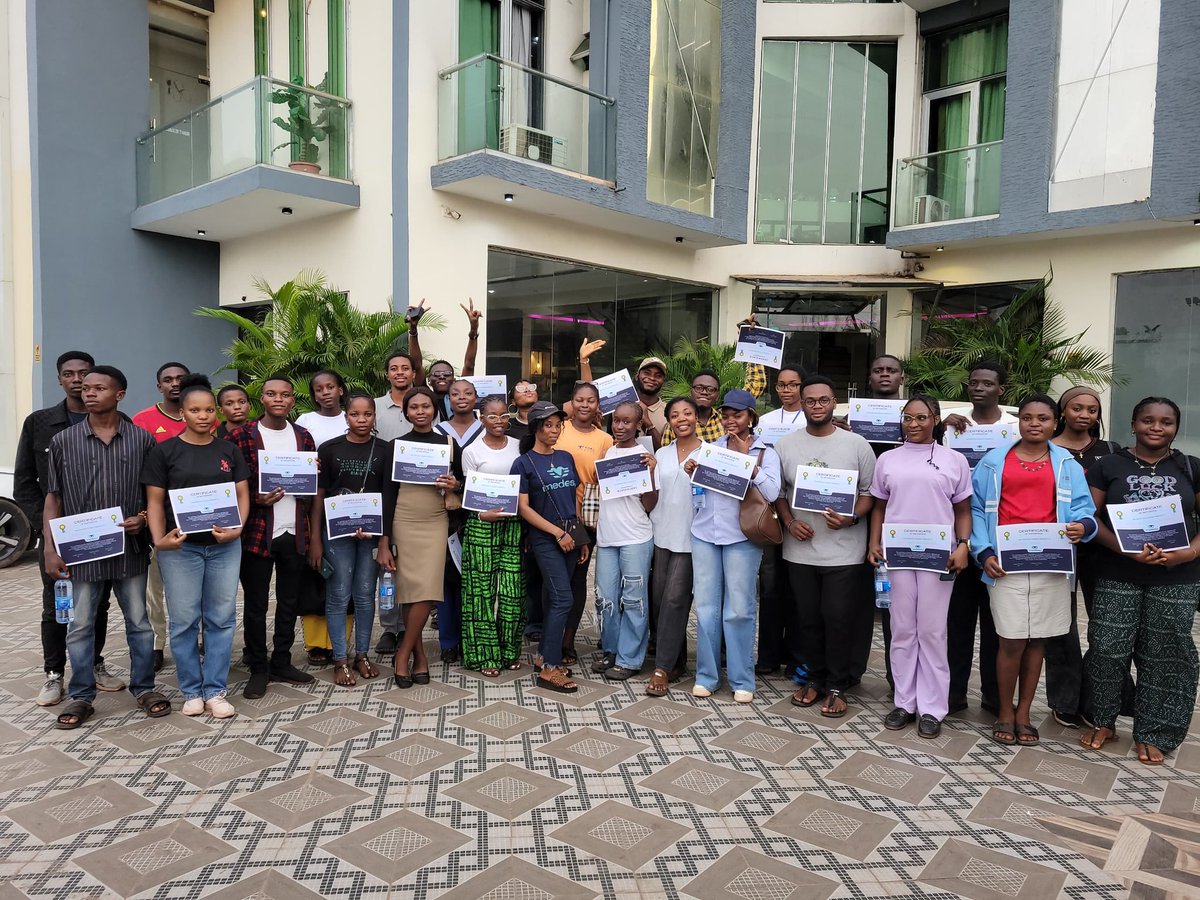
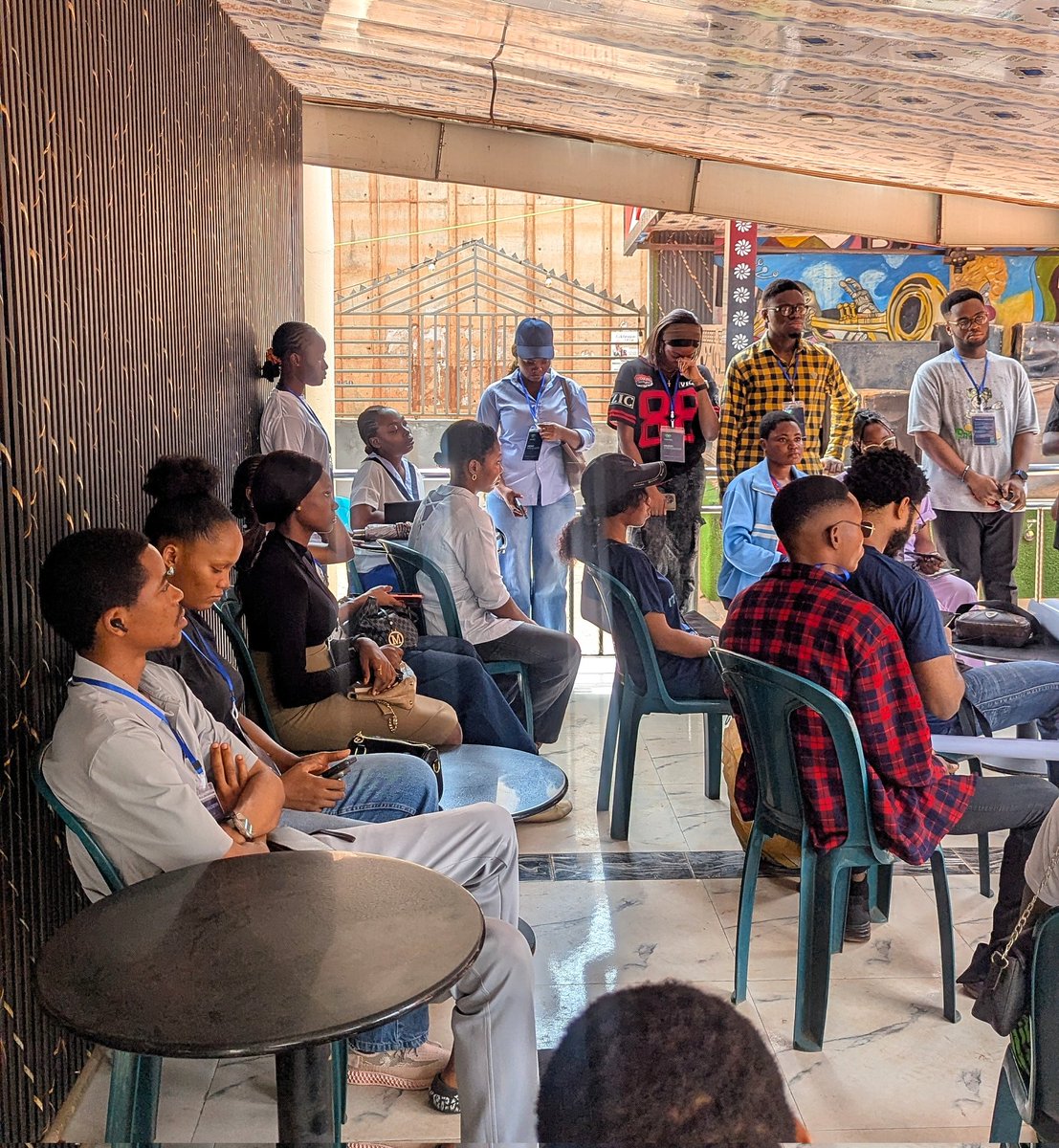
Today was super special, and I was glad to see a lot of young and promising healthcare advocates joining us @Medesysolutions on a mission to make healthcare easily accessible to Nigerians.
your product doesn't fail at the product level
it fails because you built something great and then assumed the right people would somehow find it
no distribution = expensive hobby
HOW TO SPOT A PROJECT THAT NEEDS HELP
Finding projects is one thing. Finding projects that actually need your specific services is what gets you hired.
⮕ Projects That Need a Community Manager
• Discord or Telegram exists but has no active moderators (chaos, spam, unanswered questions)
• Community size is growing but engagement is flat or declining
• Founder is personally responding to every single community question (they are overwhelmed)
• FUD or complaints in the community are going completely unaddressed
• No regular community events, contests, or engagement campaigns
• New members join but leave quickly (no onboarding process)
⮕ Projects That Need Moderators
• Spam bots flooding the Discord or Telegram
• Scammers impersonating team members and no one is removing them
• Toxic behavior or fights in chat with no intervention
• Community chat is active 24/7 but no mods online at night (time zone gap)
• Announcements getting buried in general chat (no channel organization)
⮕ Projects That Need a Graphics Designer
• Using generic Canva templates or stock images with watermarks
• Inconsistent branding across platforms (different logos, color schemes)
• Low-quality memes or promotional graphics that look unprofessional
• No visual identity or mascot (for meme projects especially)
• Announcements posted as plain text instead of eye-catching graphics
⮕ Projects That Need a Social Media Manager
• Posting schedule is completely random (3 posts one day, nothing for a week)
• All posts are just announcements — no community engagement, no memes, no personality
• Reply section under their tweets is empty or full of bots
• No quote tweets or retweets — they are not participating in the broader ecosystem
• Twitter following is growing but engagement rate is terrible (<1%)
• Not capitalizing on trending narratives or memes relevant to their niche
⮕ Projects That Need Raiding & Shilling Services
• Low visibility despite having a decent product or community
• Competitors are trending frequently while they are invisible
• Tweets rarely break 100 impressions even with 5k+ followers
• Not appearing in trending conversations related to their category
• Community exists but is passive — no one is actively promoting outside their channels
⮕ Projects That Need Content Writers
• Website copy is poorly written or full of grammatical errors
• No blog, Medium articles, or educational content
• No thread content on Twitter just short, low-effort tweets
• Whitepaper or documentation is confusing, outdated, or non-existent
• Announcements are dry and technical with no storytelling or narrative
• No email newsletters or community updates being sent
the real reason why marketing in crypto won’t get better anytime soon:
good marketing takes time.
good marketing builds trust because it shows up consistently, not just when you’re selling
but founders & investors rarely think past a couple of years in crypto, so they chase hype and quick wins instead of building brands that last.
Urgent care shouldn’t be confusing.
Medesy connects you to hospitals, labs, pharmacies & emergency services – instantly.
Launching soon. Join the waitlist: https://t.co/wDGY1p2u2n
Shutting down a startup is more work than starting one.
If you’re at the end of the road, don’t just walk away. Your reputation in the Nairobi/Lagos tech scene is the only asset you’re taking with you.
Here is how to close with integrity:
1/ Team First. Hold the meeting. Be honest. Write the LinkedIn recommendations. Use your network to find them new roles. Your leadership is defined by how you treat people when you have no more money to pay them.
2/ Clean the House. Settle debts. Cancel the SaaS subs. File the dissolution papers. Don't leave a trail of legal and tax "surprises" that will haunt your next 5 years.
3/ The Investor 1-on-1. Don't send a BCC email. Get on the phone. Explain what happened, what you tried, and what’s next. Investors value maturity over perfection.
My Two Pesewas: A failed startup is a lesson. A messy shutdown is a choice. Choose your reputation.
Honestly, talk to your target audience before writing a single line of code:
understand their real pain
Suggest solution ideas
see how they actually react
Build bit by bit. Sell early. Get feedback. Validate. Repeat.
People can only buy what they need, not what you wish.
One big problem I keep seeing in Web3 is founders thinking, “Let’s build first and market later,” and then wondering why nobody is buying once the product is ready.
Always break your product into stages. Balance your engineering and growth team from day one.