🚨 Check out our latest paper in @IJBNPA
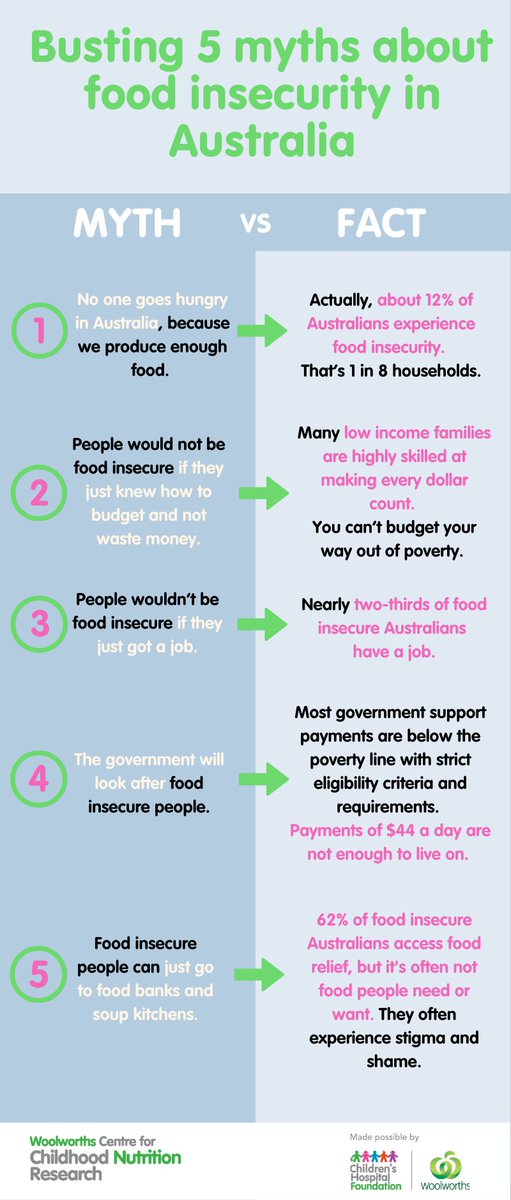
We ask "Is high food insecurity the new normal?"
Our study showed the prevalence of #foodinsecurity in #Tasmania#Australia was 28% during lockdown, 20% after restrictions eased and 23% at 1 year post lockdown.
https://t.co/hc7VuTvcpq
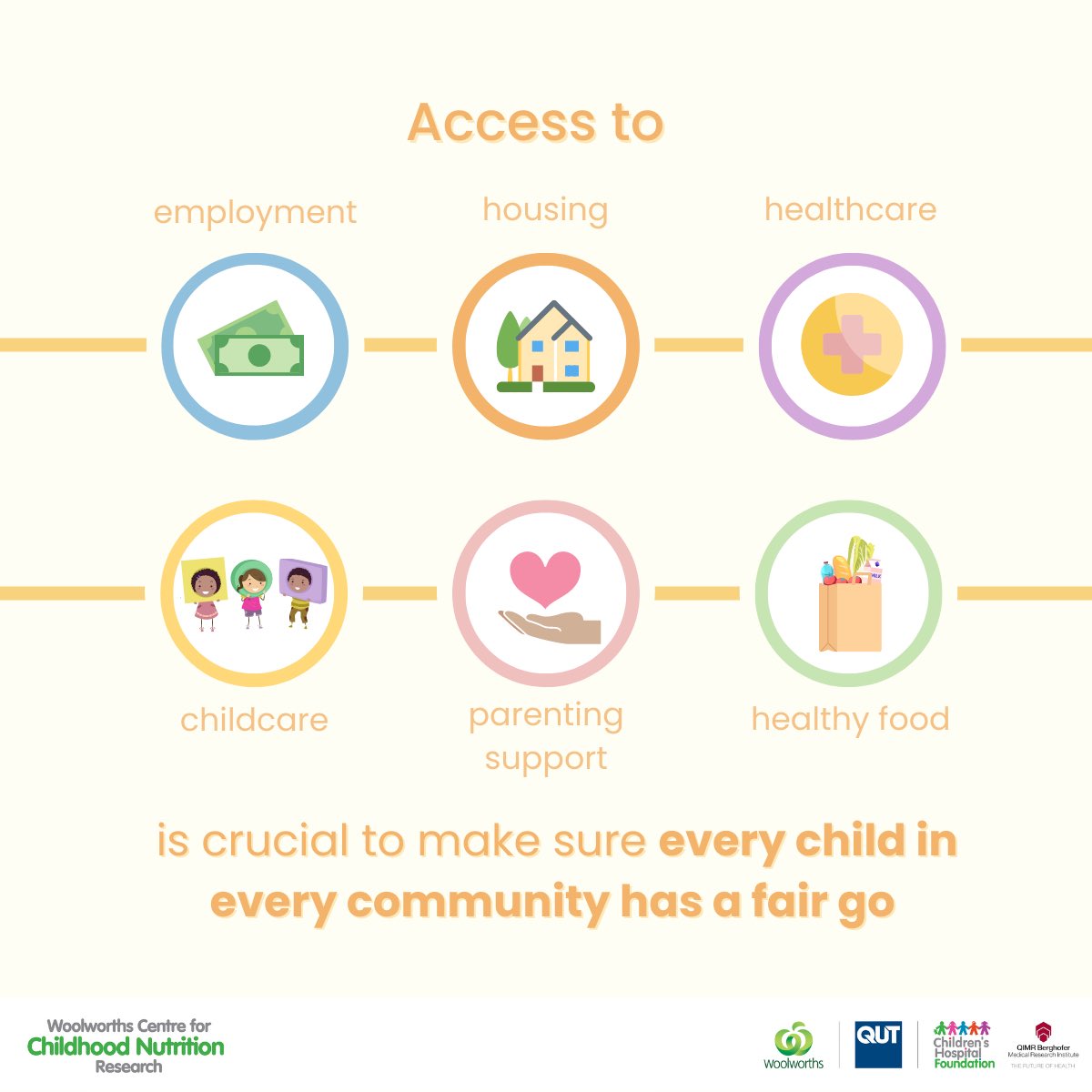
Kids thrive in safe, connected communities where parents get the support they need. Access to employment, housing, healthcare, childcare, parenting support and healthy food are crucial to make sure every child in every community has a fair go. #ncpw22#playyourpart#noozkidhungry
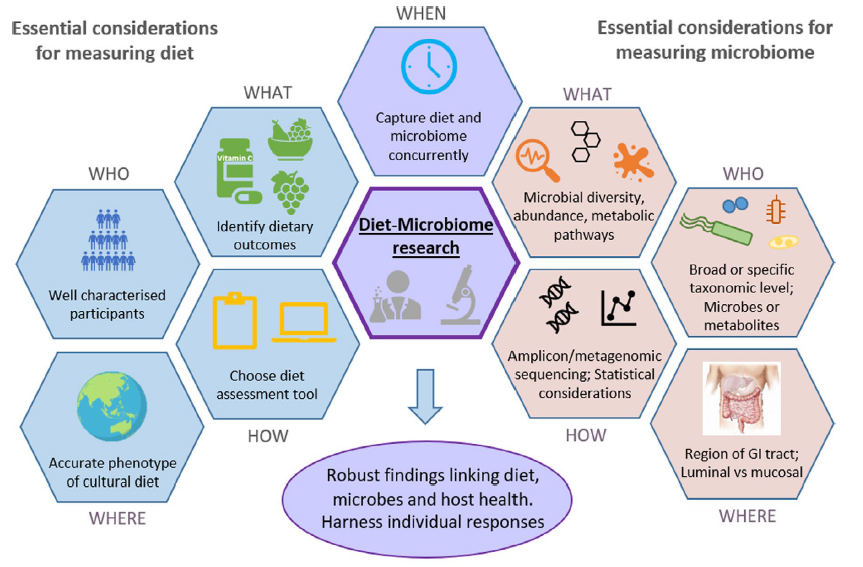
Diet-microbiome studies are proliferating🍉🦠
Opportunities for microbiologists and dietitians/nutritionists to collaborate
Recommend all read these recommendations for:
☑️Measuring #diet
☑️Measuring #microbiome
Full paper @JHNDEditor @hmstaudacher https://t.co/BhYK063SoG
As #FamiliesWeek comes to a close, we want to highlight the importance role that #StrongCommunities play in developing safe and happy food environments. More research is needed to understand #FoodInsecurity https://t.co/7JaV2pLhWe @QUTHealth
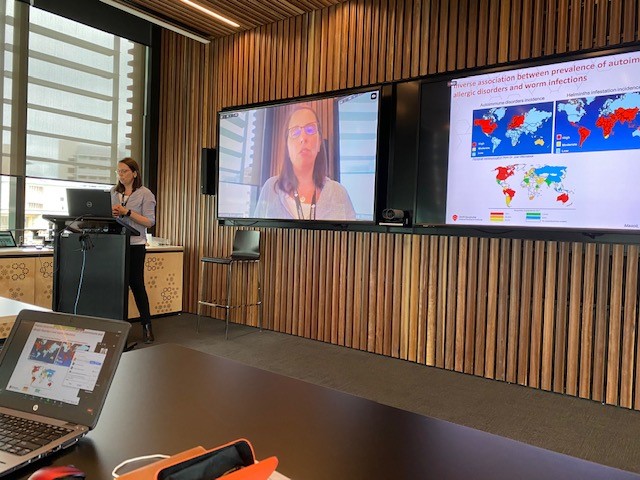
Fantastic presentation by @MandyTa98111528 explaining food insecurity and how you will amplify the voices of children by getting their perspectives on the issues #SENSatQUT#wccnr
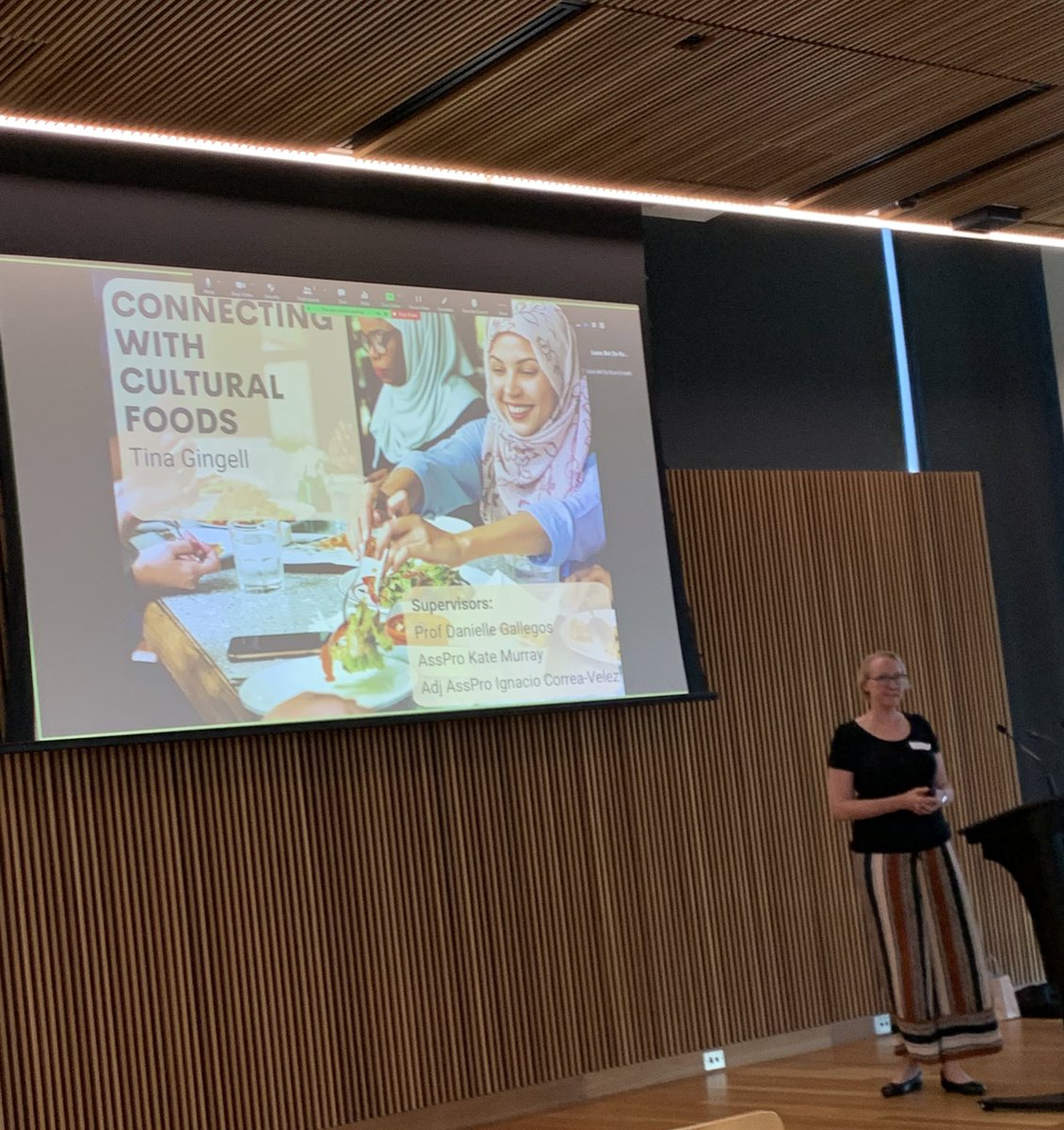
It was an great opportunity to present my project about exploring fathers’ feeding practices in the context of disadvantage at QUT #SENSatQUT @WCCNR #fathers#childhealth
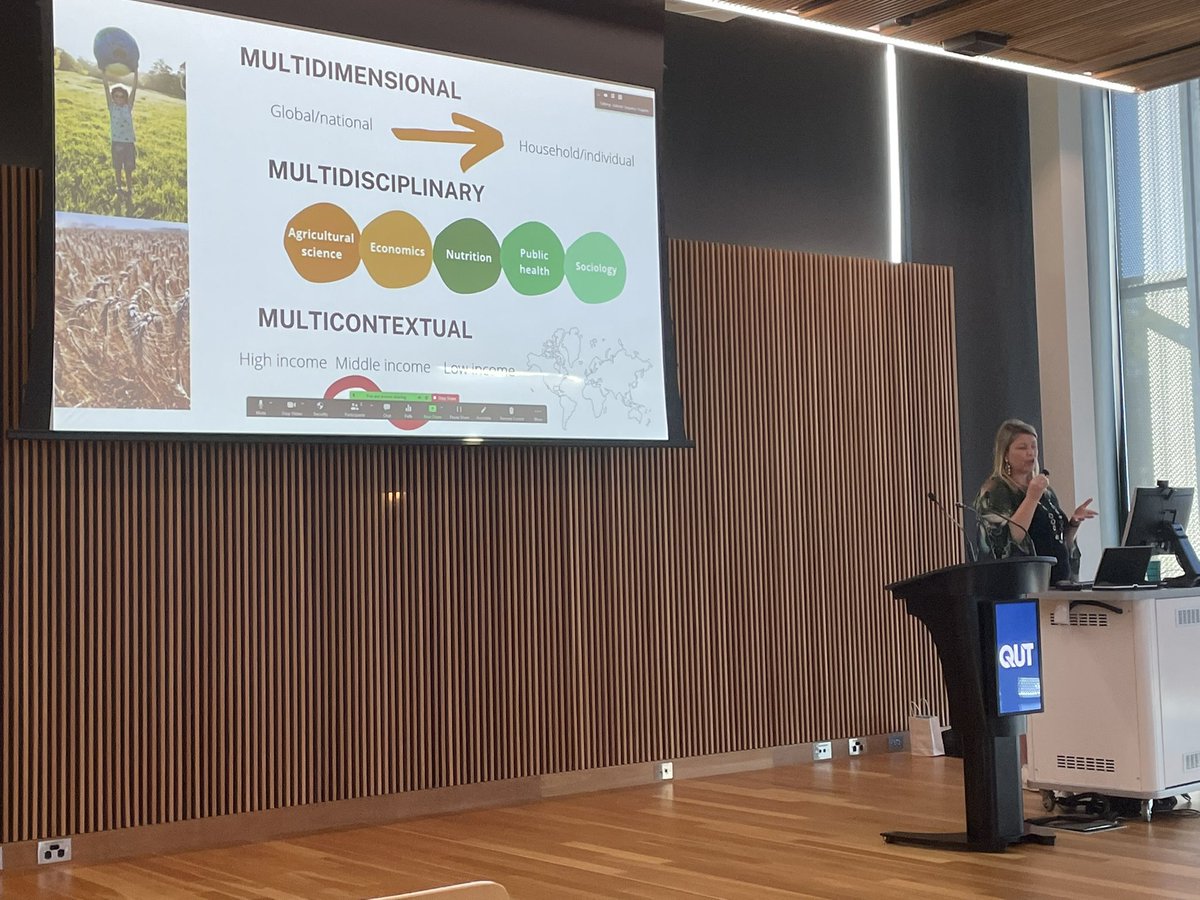
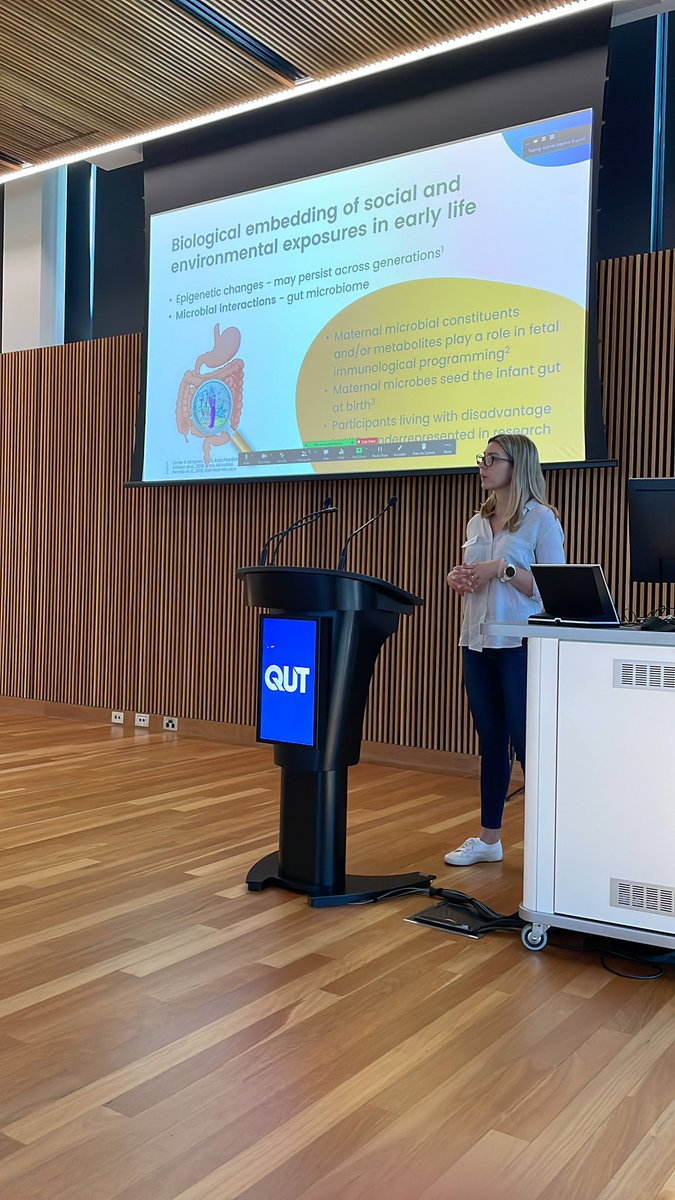
Looking at the complex area of food insecurity, socioeconomic disadvantage, diet and the gut microbiome, particularly in early life, we have @bree_whiteoak#SENSatQUT
So many influences to consider!
Such an interesting presentation by @bree_whiteoak about looking at the relationship between SES/disadvantage and gut microbiome in pregnant women. An critical window to support children in reaching their potential. #SENSatQUT @WCCNR