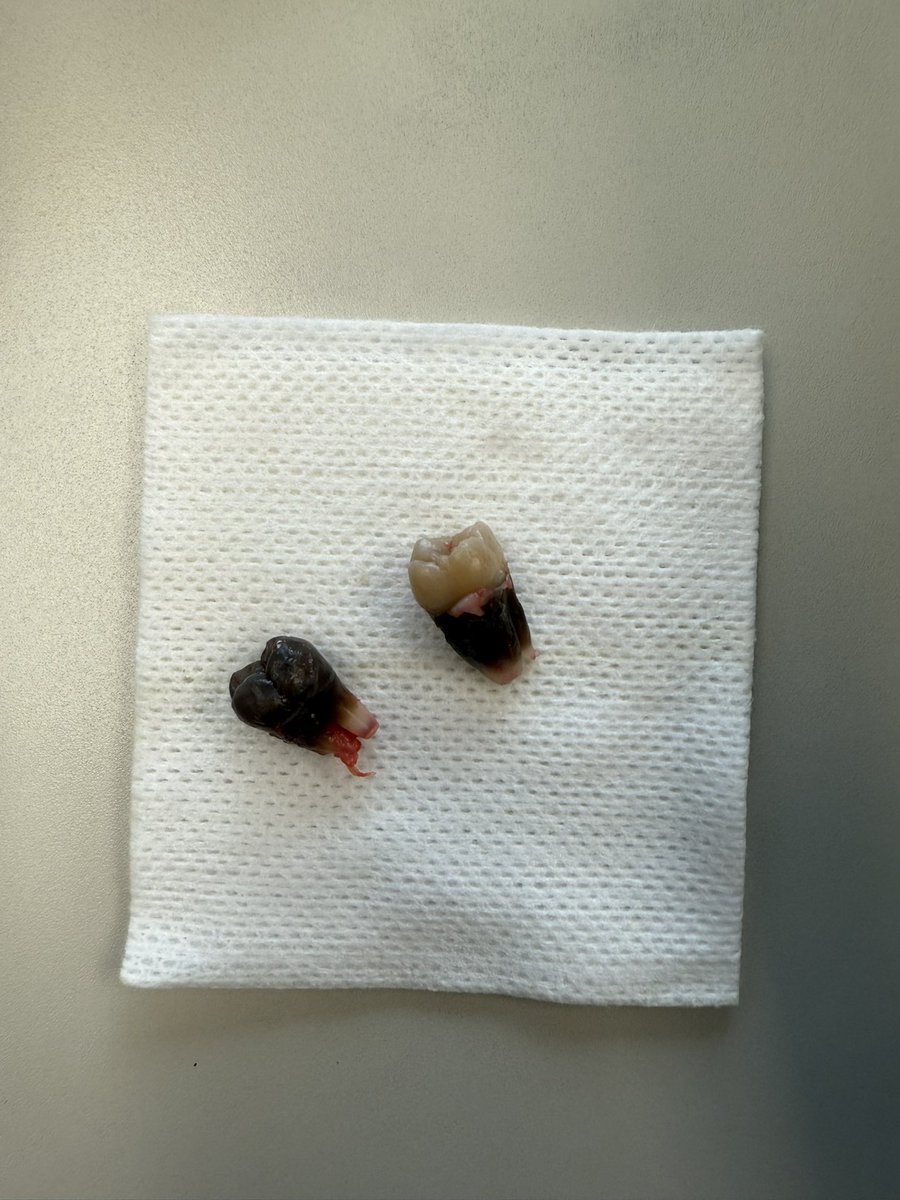
I use openclaw. Take photos with my phone if the items. My agent keeps track. Mostly useful for implants and implant components. I still need my back office to keep track of what is in closets and drawers and alert me when opening the last box of something. I also ask my agent to go online and search best price and compare. I am running a lean startup so I am managing most things myself. The ai agent has been super useful mostly at keeping my costs down. I’m most proud of the KG though. I think most specialists will be using ai querying a KG in conjunction with things like open evidence. It’s great for hypothesis generation.
Something just changed in medicine that most physicians haven't noticed yet.
As of early 2026, a practicing doctor can prototype a working clinical tool — solo, in a weekend. No CS degree. No team. No budget.
I gave Cardiology Grand Rounds @UCSDHealth on the emerging role of the physician-developer today.
Here's what changed, and why the next decade of medical software gets built by us 🧵
N=1
AI and the internet will close the knowledge gap-not just between doctors and patients but within the medical community itself. https://t.co/GLaBQTqMpI
Introducing Discoverability by Durable.
The first GEO product that gets small businesses found on ChatGPT, Gemini, and Claude.
We’ve seen brand new businesses go from 0 to dominating their market in WEEKS with Discoverability.
The first 50 to RT + comment “Durable” get free access.
Freedom of speech is a fundamental human right. The recent situation in Iran demonstrates current limitations in communication infrastructure around the world. I present Relay: a distributed peer to peer communication network based on radio technology and Bitcoin micropayments.
🛰️ Full writeup (PDF):
“Orbital Bitcoin Mining Platform”
Includes economic modeling, deployment timeline, and debris mitigation strategy.
👉 https://t.co/VCpYh7PPK8
Open to feedback. #OrbitalCompute
Each proposed unit:
•140 TH/s radiation-hardened ASIC
•12 m² solar array
•3 m² passive IR radiator
•Battery buffer for eclipse (~1–2 kWh)
•Starlink sync + Whipple shielding
•<60 kg total mass
LEO gives you:
•Constant solar power
•Vacuum for radiative cooling
•Decentralized infrastructure outside terrestrial regulation
But: you need to handle heat dissipation, radiation, debris, and cost-per-kg.
🚀 Orbital Bitcoin mining?
I’ve been exploring whether low Earth orbit could support modular, solar-powered miners—with passive cooling, radiation shielding, and minimal ongoing cost.
I wrote a white paper. Feasibility-focused. Here’s the core idea 🧵