5 seeds to plant on the first day of school:
1. Agency: voice & choice.
2. Curiosity: lessons that spark awe.
3. Equity: all can succeed.
4. Wellness: calm, confident & joyous spaces.
5. Competency development: HOW we learn matters.
Intentional starts create inspiring ends.
It’s end of year report card conference time & one question I ask scholars is: “during our time together, what did you learn about yourself?”
One student’s response: “I learned how to learn. I learned how I learn best.”
Job done. Bucket filled. Grateful for these conversations.
Inquiry isn’t necessarily choice over WHAT students learn.
Consider this: agency, empowerment, curiosity within the designed structures and frameworks that shape HOW students learn.
Teachers don’t need to let go of WHAT they teach but they do need to empower in HOW they teach.
@trev_mackenzie truly appreciate this thread. What I most admire is adding curiosity, creativity, critical thinking, and personal/social awareness as skills. Meaning, we should be promoting and teaching these skills!
If ChatGPT doesn’t cause educators (& education) to pause & reflect on how & what we teach, our students are being underserved & undervalued.
Never before has the need for skills such as curiosity, creativity, critical thinking, personal/social awareness been so important.
A🧵
If ChatGPT doesn’t cause educators (& education) to pause & reflect on how & what we teach, our students are being underserved & undervalued.
Never before has the need for skills such as curiosity, creativity, critical thinking, personal/social awareness been so important.
A🧵
Something I learned from a mentor teacher many years ago was to view the curriculum as something we explore and discover rather than something we cover.
There’s a big difference.
@TomSchimmer We we’re just having a similar conversation yesterday… how much scaffolding do you give students through a rubric when you want to ensure the outcome is the S’s vision, and not ours!
Rubrics that "boxing in" or "restrict" are built poorly. At their best, rubrics describe gradations of quality, they don't prescribe output; they are not a set of directions or a checklist. They present a vision of quality for students to manifest in their own way #ATAssessment
Mostly agree, Alice. I always find that if feedback is in isolation, it doesn’t work. Feedback should be given in person in an effort to build a relationship, not assign a grade.
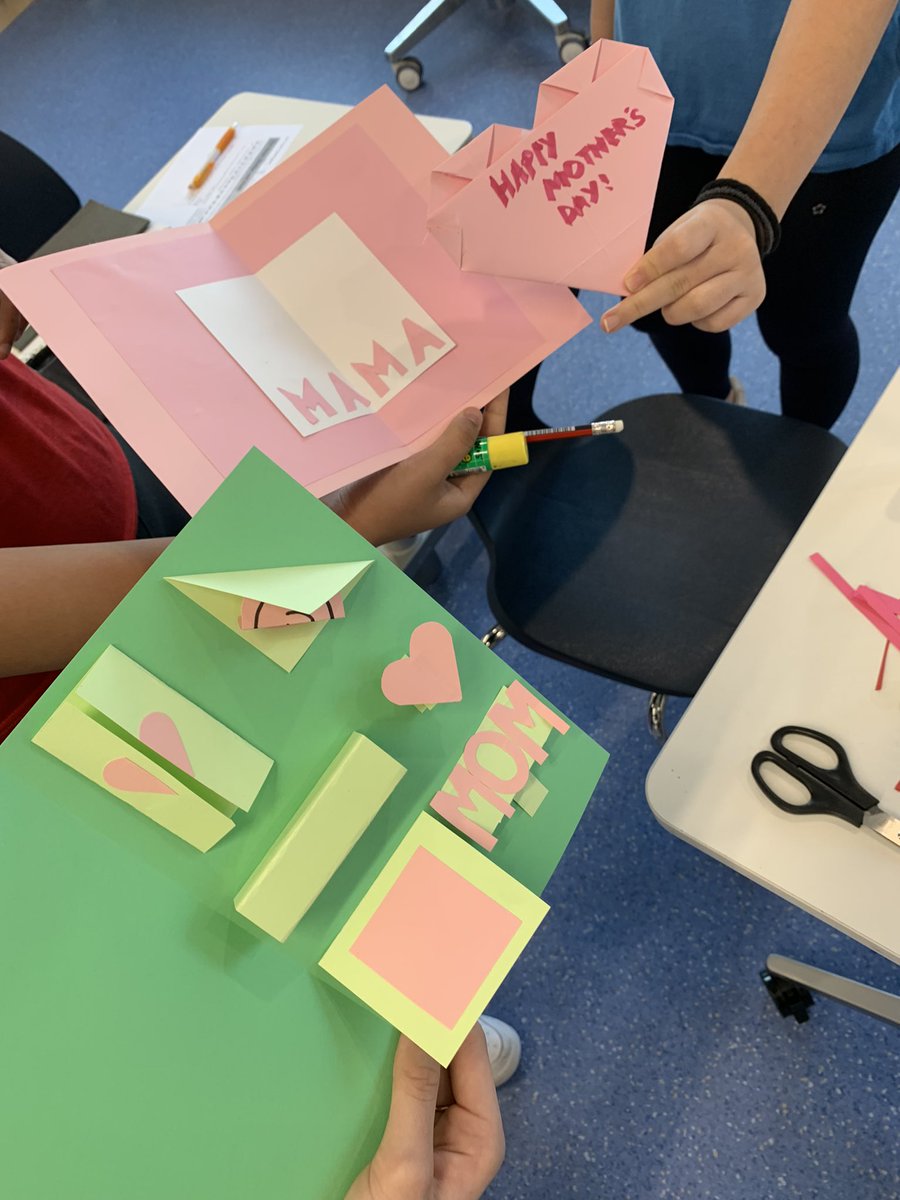
Today’s activity is worth a mention. Kids had a work day in math today. Never seen such motivation! Check practice answers, complete summative, then make your MOM a #MothersDay card! We were working on the math standard: ❤️ 5.08.22
“The work culture of teaching is rooted in the unabashed expectation of toxic resilience, and the broken system that we operate on is utterly dependent on it.” I like and dislike this statement at the same time @briancsmith@madalenameihua
“…passing around the word “resilience” has become a scapegoat for those who do not wish to address the actual underlying issues that created the need for grit and toughness in the first place.” https://t.co/ksYn87pilf