The Constitution isn’t tested by easy cases. It’s tested by the ones everyone hates | Criminal Defense Attorney | The Constitution protects the unpopular too.
The public should know. Not because I say so. Because this was their courthouse. Their Constitution. Their justice system.
The media asked to televise the trial. I said yes. The State said no. Read that again.
A case built around a recording. A woman prosecuted because of what was captured on video. Yet when the public asked to watch the trial itself, the State fought to keep the cameras out.
Why?
What exactly was the public not supposed to see?
I argued—on the record—for transparency. Not for publicity. Transparency. I argued that the people of Rochester, the citizens of Olmsted County, the people of Minnesota, and every American should be allowed to watch the process. To see the witnesses. To hear the arguments. To watch the rulings. To decide for themselves whether justice was done.
The answer? DENIED! Yep.
Think about the contradiction. A camera in a park becomes the centerpiece of a criminal prosecution.
A camera in a courtroom becomes unacceptable. One camera is welcomed. The other is feared.
One camera used for a $340,000 shakedown and the other feared.
One used to convict a woman for protected speech. The other feared.
Justice is not a private club. It does not belong to judges. It does not belong to prosecutors. It belongs to the people.
Public confidence is not built by asking citizens to trust the system. It is built by letting them watch it. Sunlight is uncomfortable. So is accountability.
If a courtroom cannot withstand the scrutiny of the citizens it serves, then we have a much larger conversation to have than the outcome of a single case.
The people were told to trust the process. I asked that they be allowed to see it. Those are not the same thing.
It is time to wake the fuck up.
@Tomhennessey69@MattWalshBlog It was out of a movie. Literally 2 (rhymes with retarded) lawyers who didn’t realize (a) they can’t talk to a witness without disclosing it to defense (me) and (b) they have a legal obligation to tell me he speaks English. Wake the fuck up.
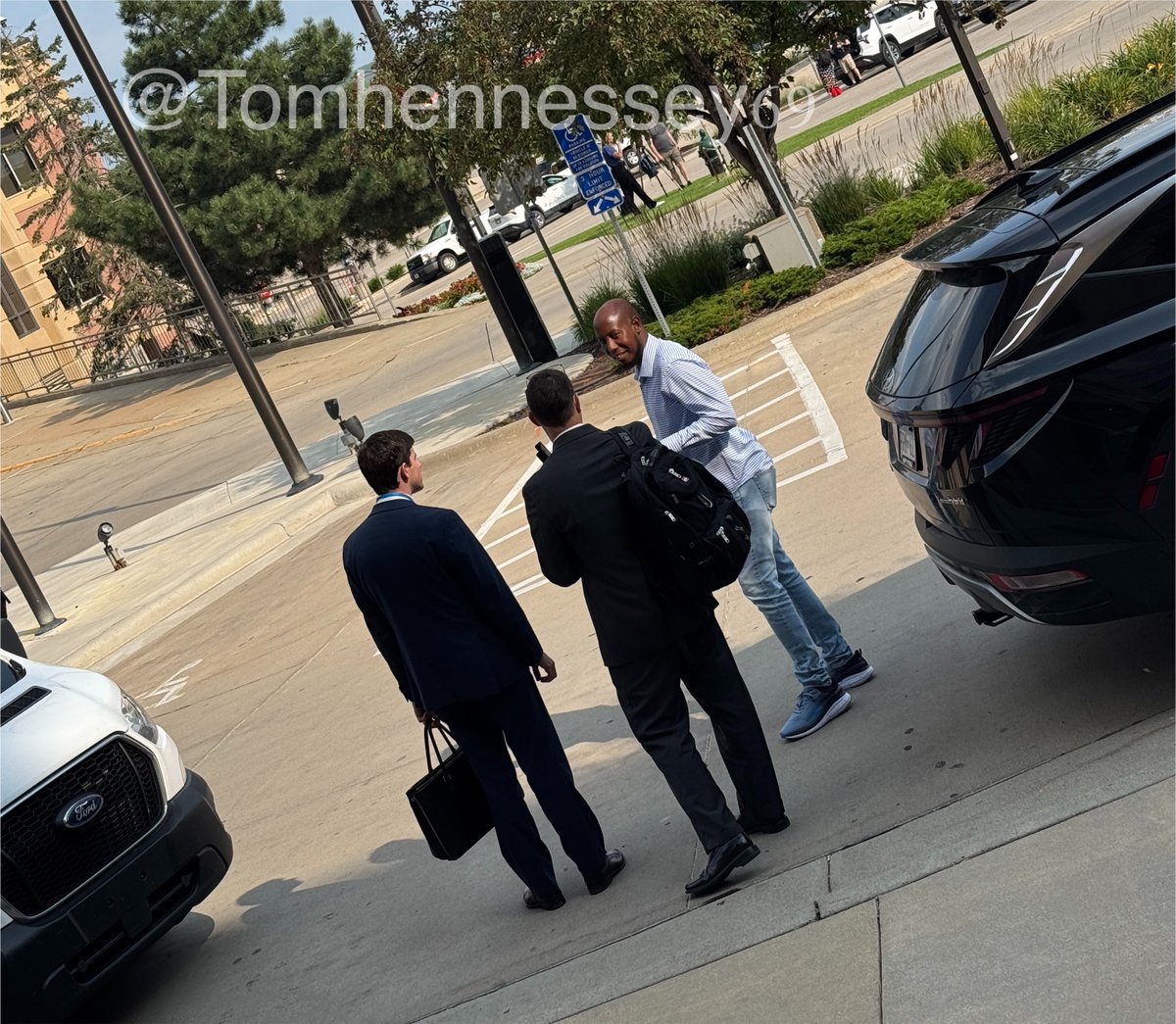
@Tomhennessey69 This presents some serious, serious ethical issues for the prosecutors. Will have more to say later. A picture is worth a thousand words. I attempted to cross examine the fraud with this. I told the judge I have evidence that this witness speaks English. DENIED!
@MattWalshBlog Here’s one of many photos and videos I took @MattWalshBlog. They talked for at least 5 minutes, smiling and just chumming it up outside the courthouse.
@MattWalshBlog $$$$. Corporate loses if they take an unpopular position even if it’s clearly the right decision. Holding 2 thoughts at the same time. If the people can’t do it (the left) how do you expect Corporate to do it?
I’ve noticed a lot of conservative influencers not saying much about the Shiloh Hendrix case, even though it’s one of the most flagrant and clear cut First Amendment violations we’ve seen. I guess they’re afraid they’ll be called “woke right” or whatever. Really pathetic display.
Watch the video for my thoughts on the verdict in the Shiloh Hendrix case. In summary:
I think it's pathetic. I think it's sad.
The whole thing is fucking bullshit.
We will appeal it. Stay tuned for updates.
This was the conclusion of my closing argument in the Shiloh Hendrix case:
"America is not just a place. It is an idea.
An audacious idea.
That free people can be trusted with dangerous words.
Lately, we’ve forgotten that.
We have become a country that demands agreement instead of tolerance. We confuse offense with injury. We mistake disagreement for violence. We don’t answer speech with better speech anymore. We demand silence.
That’s not America.
America was built on a more difficult principle. A more courageous principle.
That we can hold two thoughts in our minds at the same time.
We can say a word is ugly.
And still defend another person’s right to say it.
We can find an opinion offensive.
And still refuse to let the government punish it.
Those are not contradictions.
They are the foundation of a free society.
The First Amendment is not a reward for good speech. It is protection for bad speech. Offensive speech. Speech that makes your blood boil. Because no one ever needed a constitutional amendment to protect polite conversation.
The test has always been the speech you hate.
That is why Skokie matters. That is why Jewish lawyers defended the right of Nazis to march. Not because they admired Nazis. Because they understood that once the government acquires the power to silence today’s speech, tomorrow it will silence today’s dissenter.
Freedom doesn’t disappear all at once.
It erodes.
One exception.
One canceled speaker.
One forbidden word.
One justified prosecution.
One applause line at a time.
And every step is defended as reasonable. Necessary. Different. Until one day you wake up and realize the principle is gone.
Our ancestors understood what freedom costs.
Hundreds of thousands of Americans crossed oceans, climbed beaches, marched through frozen forests, and never came home. They did not die so that government officials could decide which words are acceptable. They died believing that free people—not politicians, not prosecutors, not judges—should decide what ideas succeed and what ideas fail.
That’s what made America different.
We trusted liberty more than power.
We trusted debate more than censorship.
We trusted citizens more than the government.
A free people must have the courage to hear things they hate.
Because if your freedom depends on everyone speaking politely, you don’t have freedom at all.
You have permission.
And permission can be revoked.
Freedom cannot.
That is the promise of America.
That is the promise generations fought, bled, and died to preserve.
The question is whether we still believe in it."