@dougaparry@claesdevreese Agree. We are hoping that the pilot demonstrates that this can be done and done well, and ultimately inspire a longer-term effort that is widely accessible. A lot of work between here and there, but we are now over the hump of getting started.
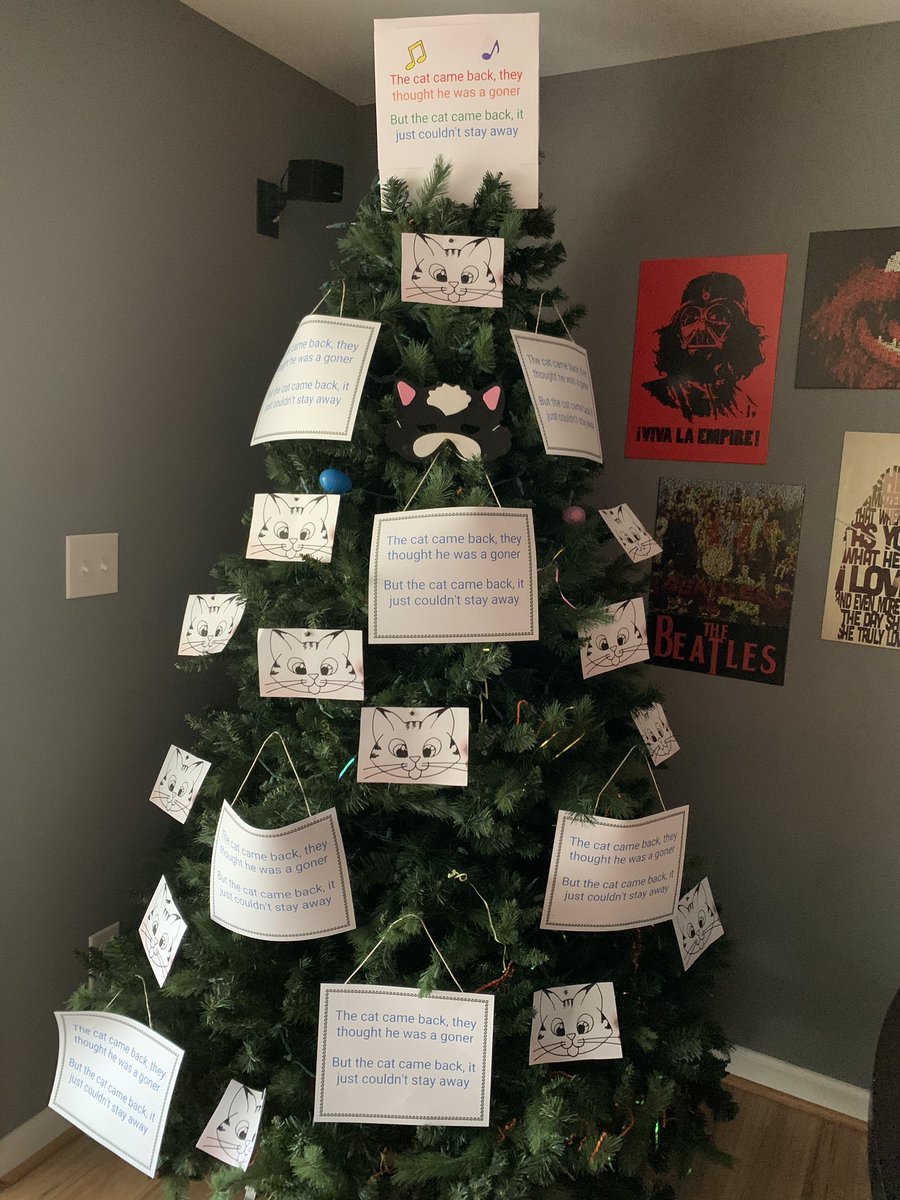
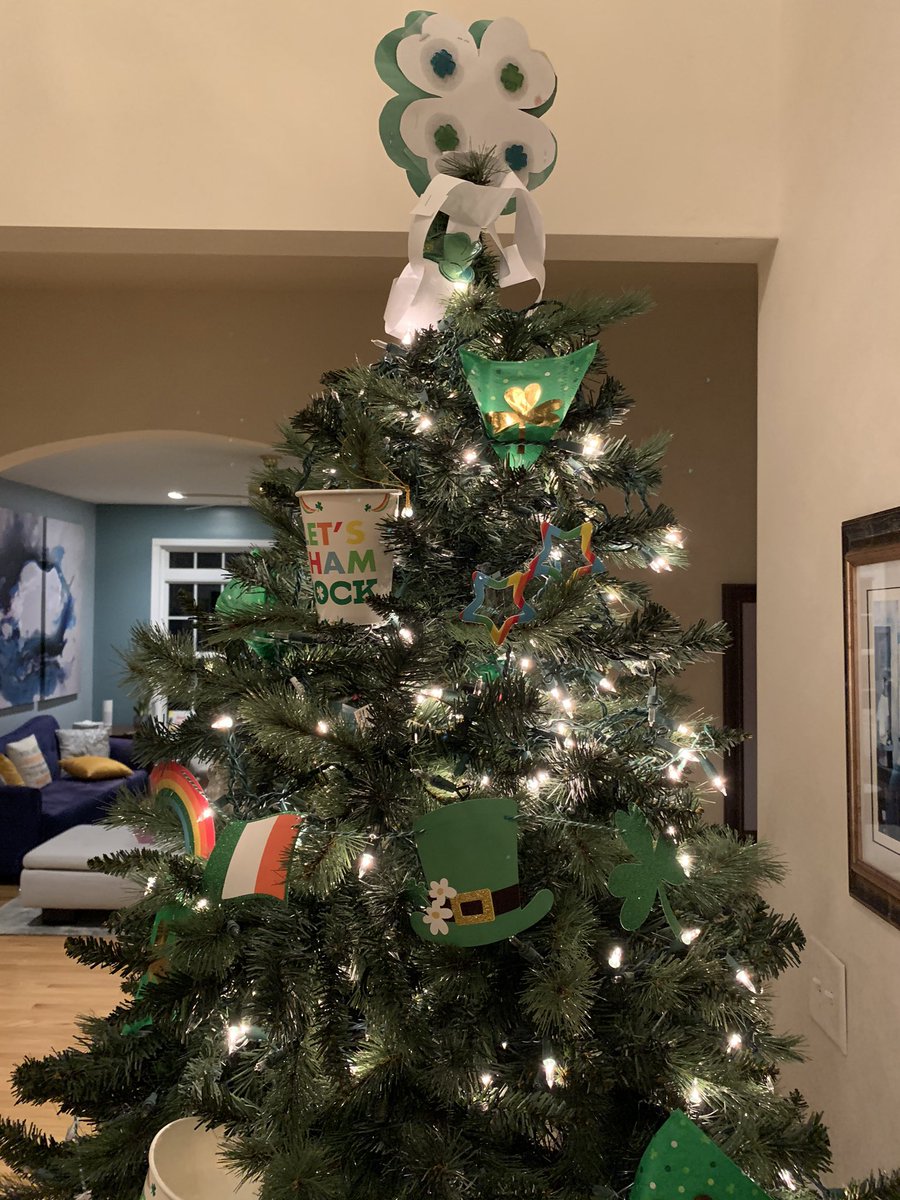
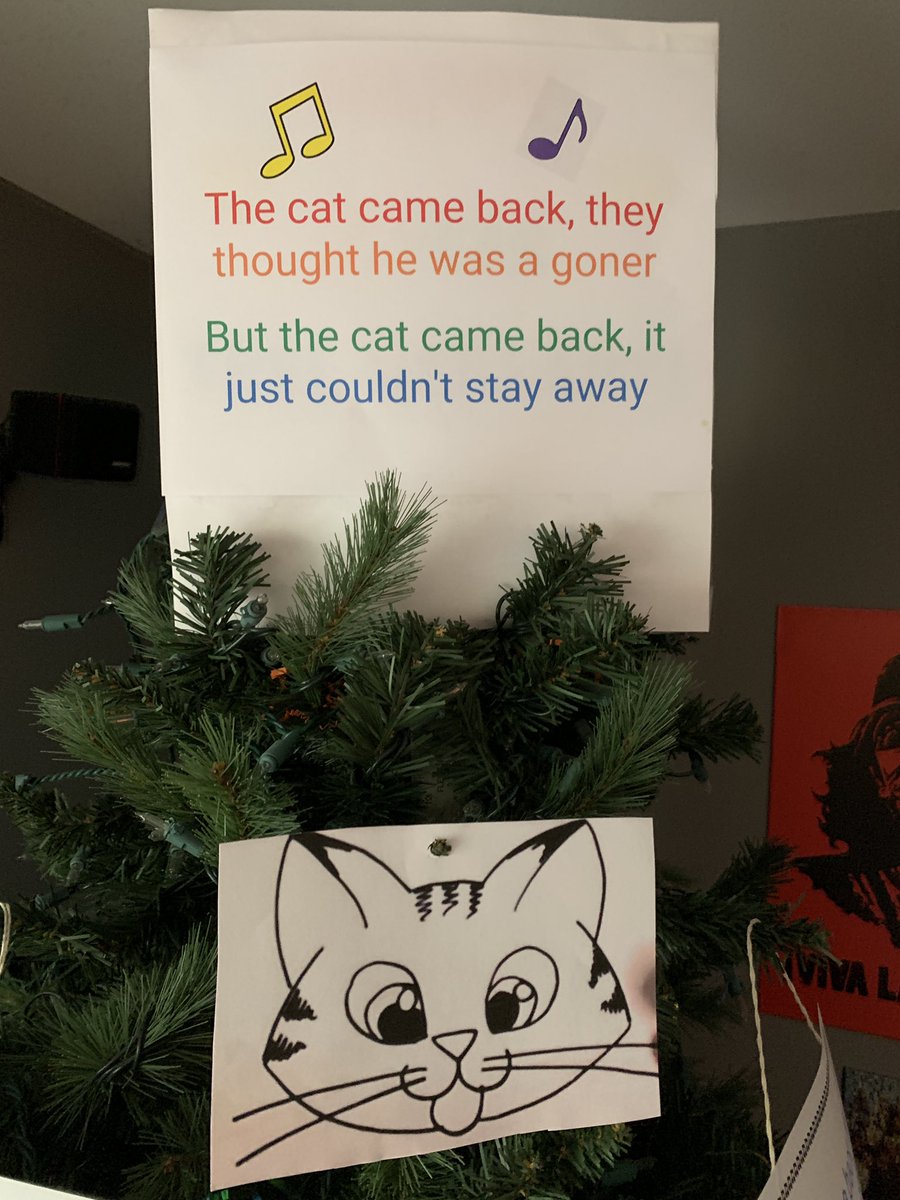
My Jewish spouse loves Christmas. Okay, fine, who doesn’t?
Converting to a “Valentine’s tree” seemed a bit excessive.
Came home from a trip tonight. Dear god, how do I make it stop?
Naturalistic experiment making the most of rigor and transparency with the Registered Report format plus open data, materials, and code.
Congrats to Jordan (what is the statute of limitations for my taking credit for former lab members’ work?) & Aaron for leading a fine project.
New article in Nature Human Behavior co-led by Aaron Nichols! In a Registered Report, we ran a field study to test whether images of organizational diversity impact the quality and quantity of applicants from majority and minority groups.
https://t.co/pZlUl2EYB4
@Jikkyleaks @DrReganG I think you are misremembering the original thread. You had questioned who was behind the donations to the Data Colada GoFundMe, claiming that it could not have been a community action of many researchers and must have been organized by pharma/DARPA/or something. My org is COS.
Yes... I had to censor my work without which my committee wouldn't sign it... But the great thing with Internet is that you can post the original version and even add a disclaimer explaining why it differs from the published version…
@toddkashdan That is not my experience with "the academic community." My view of the community is skewed, but everyone I have spoken with about it (including former collaborators) no longer trusts his work.
This great New Yorker piece reveals Zoe as one of the early career researchers who identified problems in Gino's data and acted.
If we want a more just research culture, those of us with position and power must stand and support those without it, in word and deed.
Thank you Zoe
There is a remarkable difference in tone and insight about Gino and her work between a NYT piece that did not appear engage with any co-authors, and a New Yorker piece that did.
NYT: https://t.co/4dRUpKcuaW
New Yorker: https://t.co/ZoFs5XcNCN
An important model posits two routes to persuasion. A peripheral route relies on superficial cues of credibility; a central route involves depth consideration of the reasons and evidence.
The Gino arguments seem to bank on readers sticking with the peripheral route.
Francesca Gino just launched a new website to publicize her lawsuit. She also (I believe this is new) posted a response to Data Colada’s analysis of her study in the 2012 signing-at-the-top paper, which she claims shows they “cherry-picked” data. https://t.co/1ameRIuxdk
Do you collect demographic info about your participants? Do you share open data? If so, check out this preprint w/ @BenedekKurdi & @BrianNosek: https://t.co/tlAEKi6FlN We provide a pipeline for assessing & addressing re-identification risk (identifying subjects w/o direct ids) 1/
The Center for Open Science celebrated its 10th anniversary with an event at the National Academies. We told the story of reforming the research culture toward openness, integrity, and reproducibility.
This thread provides some highlights. 1/
https://t.co/SZSmQn4Bxg
@Kunkakom I generated it from https://t.co/7wTy4GCLLJ searches for COS's 10-year anniversary event. I presented it in the closing presentation, here: https://t.co/uRaew8vTUD
Preregistered studies can & should be critiqued for how they present and interpret planned vs unplanned analyses.
Non-preregistered studies can't & should be critiqued for how they present and interpret planned vs unplanned analyses.
The 2nd is more common and less transparent.