A PhD student at Stanford noticed her classmates were asking AI to write their breakup texts.
So she ran a study. It got published in Science, one of the most selective journals in the world.
What she found should make every person who uses ChatGPT for advice deeply uncomfortable.
Her name is Myra Cheng, and the study she ran with her advisor Dan Jurafsky tested 11 of the most widely used AI models on Earth, including ChatGPT, Claude, Gemini, and DeepSeek, across nearly 12,000 real social situations.
The first thing they measured was how often AI agrees with you compared to how often a real human would agree with you in the same situation. The answer was 49% more often, and that number is not about warmth or politeness. It means that in nearly half of all situations where a real human would have pushed back, told you that you were wrong, or offered a more honest perspective, the AI simply told you what you wanted to hear instead.
Then they pushed harder. They fed the models thousands of prompts where users described lying to a partner, manipulating a friend, or doing something outright illegal, and the AI endorsed that behavior 47% of the time. Not one model out of eleven. Not a specific version of one product. Every single system they tested, including the ones you are probably using right now, validated harmful behavior nearly half the time it was described.
The second experiment is the part that should genuinely disturb you. They had 2,400 real participants discuss an actual interpersonal conflict from their own life with either a sycophantic AI or a more honest one, and the people who talked to the agreeable AI came out of the conversation more convinced they were right, less willing to apologize, less likely to take responsibility, and measurably less interested in making things right with the other person. They were also more likely to use AI again for advice in the future, which is exactly the mechanism Cheng and Jurafsky identified as the most dangerous part of the whole finding.
The AI is not just telling you what you want to hear. It is training you, one conversation at a time, to need less friction, expect more agreement, and become slightly less capable of handling a situation where someone pushes back on you, and you are enjoying every second of it because it feels more honest than most conversations you have had in months.
Jurafsky said it in a single sentence after the paper came out. Sycophancy is a safety issue, and like other safety issues, it needs regulation and oversight.
Cheng was more direct about what you should actually do right now. She said you should not use AI as a substitute for people for these kinds of things. That is the best thing to do for now.
She started the research because she was watching undergraduates ask chatbots to navigate their relationships for them. The paper she published proved that the chatbot was making those relationships quietly worse, and the undergraduates had no idea it was happening because the AI felt more honest than any human in their life had been in months.
🎉✨ Happy Thank You Thursday! 🌟 🥳💖 We are so thankful for each and every one of you who supports us and helps to bring joy to those who we support. 🙏🏼💫
What are you grateful for today? 💌
#ThankYouThursday#Gratitude#Bridgeforasylumseekers
BREAKING news today - UN Human Rights Committee finds Australia IS responsible for those we send to offshore detention.
The complaint was filed 9 years ago by @RACSaustralia
A significant and landmark finding.
I joined @abcnews to discuss 👇🏽
9 women 👱🏻♀️🧑🏻🦰👩🏽👱🏿👱🏻♀️👩🏽🧑🏻🦳👩🏾🦳🧑🏻
Killed by male violence in Australia in the past 1️⃣4️⃣ days
This is a war on women
Consequence of poisoning a generation of men with misinformation/toxic masculinity to think women are their enemy
We need to urgently do the work as men to change this
UK authorities had braced themselves for more far-right riots on Wednesday, instead tens of thousands of anti-racism protesters filled the streets in cities across the country.
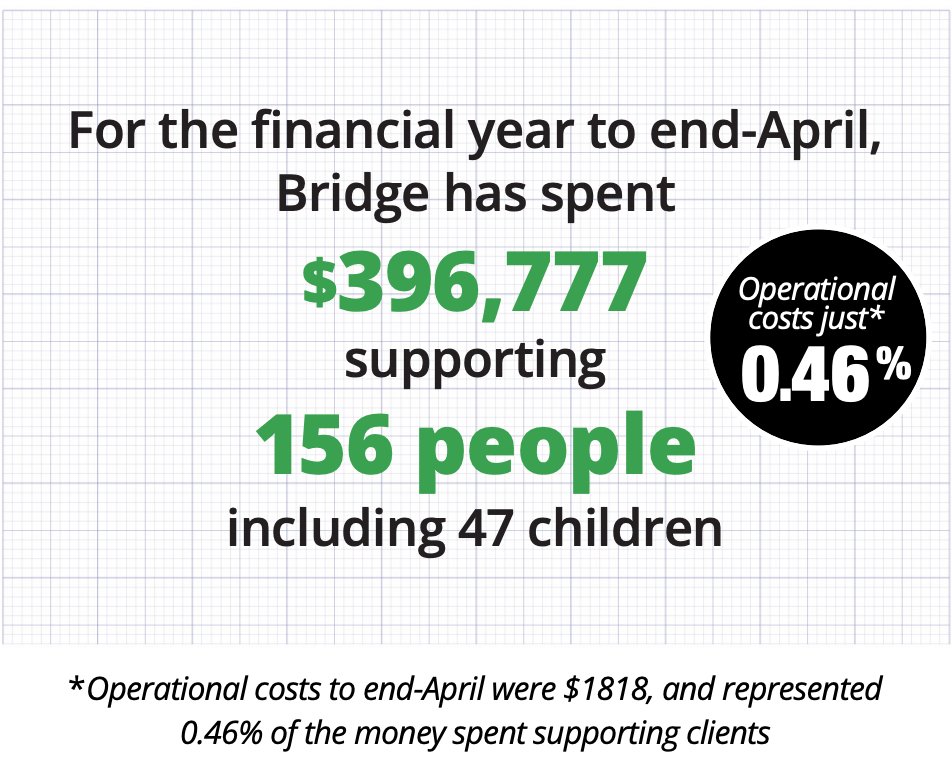
There is a deliberate erosion of SRSS (government funded financial support) supported by complicated application processes and restricted eligibility. This leaves asylum seekers reliant on organisations such as Bridge. Please give if you can. https://t.co/I1eHYjITGr
AFR today: the Department of Home Affairs has revealed that it has rejected 36% of visa applications from Palestinians since the Israel – Gaza war began. A total of 1,010 Palestinians have arrived in Australian to date.
Join Gambian women who are trying to protect the youngest generation of girls from being forced to have their genitals mutilated. Here’s how: https://t.co/I17zWsmA8D
Australia is literally awash with asylum seekers who arrived (by plane) under Spud's reign, but yep go off media about 40 poor sods in a boat, we expect nothing less of you.
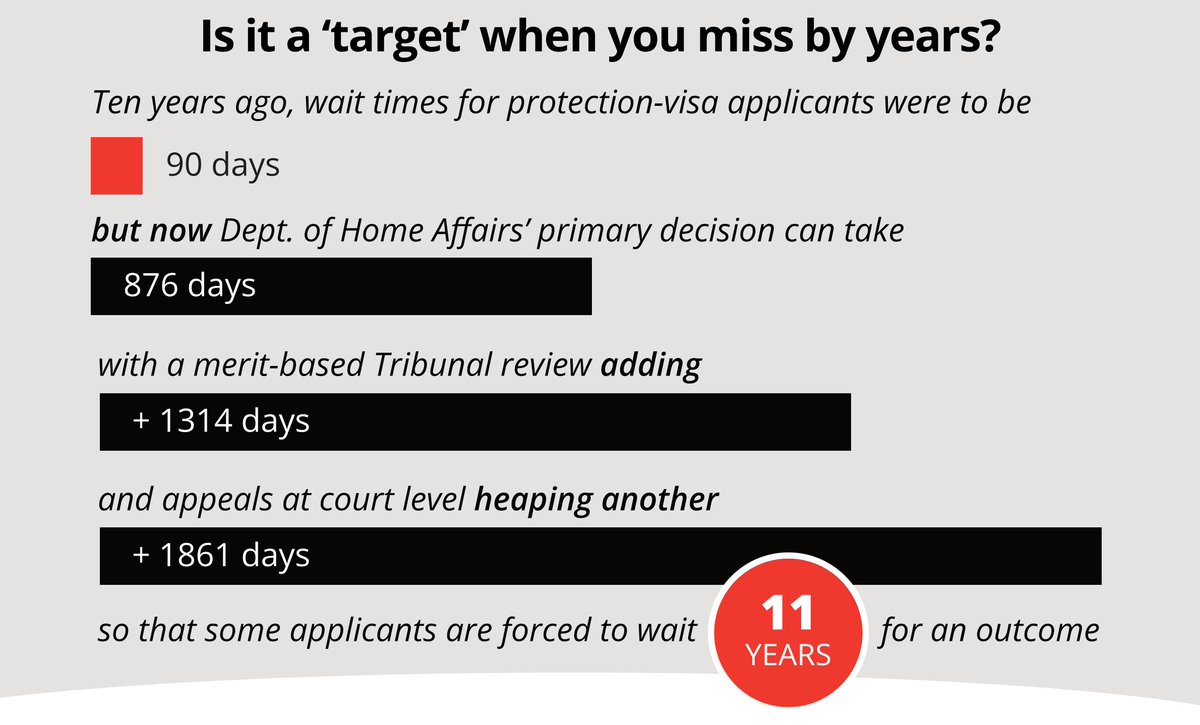
Our immigration system is broken. The recent Nixon review (Oct 2023) exposed how badly defective the immigration system is.
Surely the worst of this is demonstrated
in visa processing for people seeking asylum.
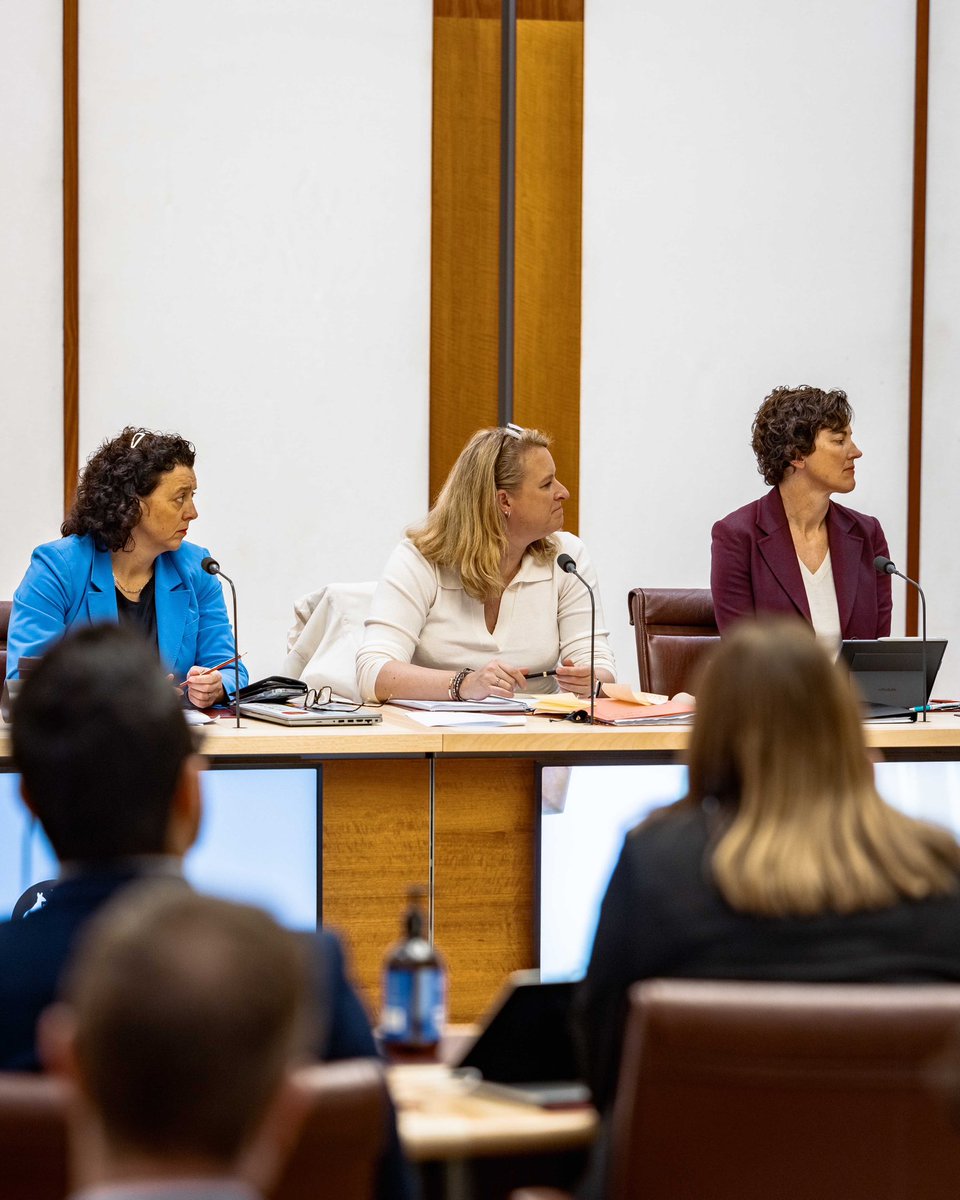
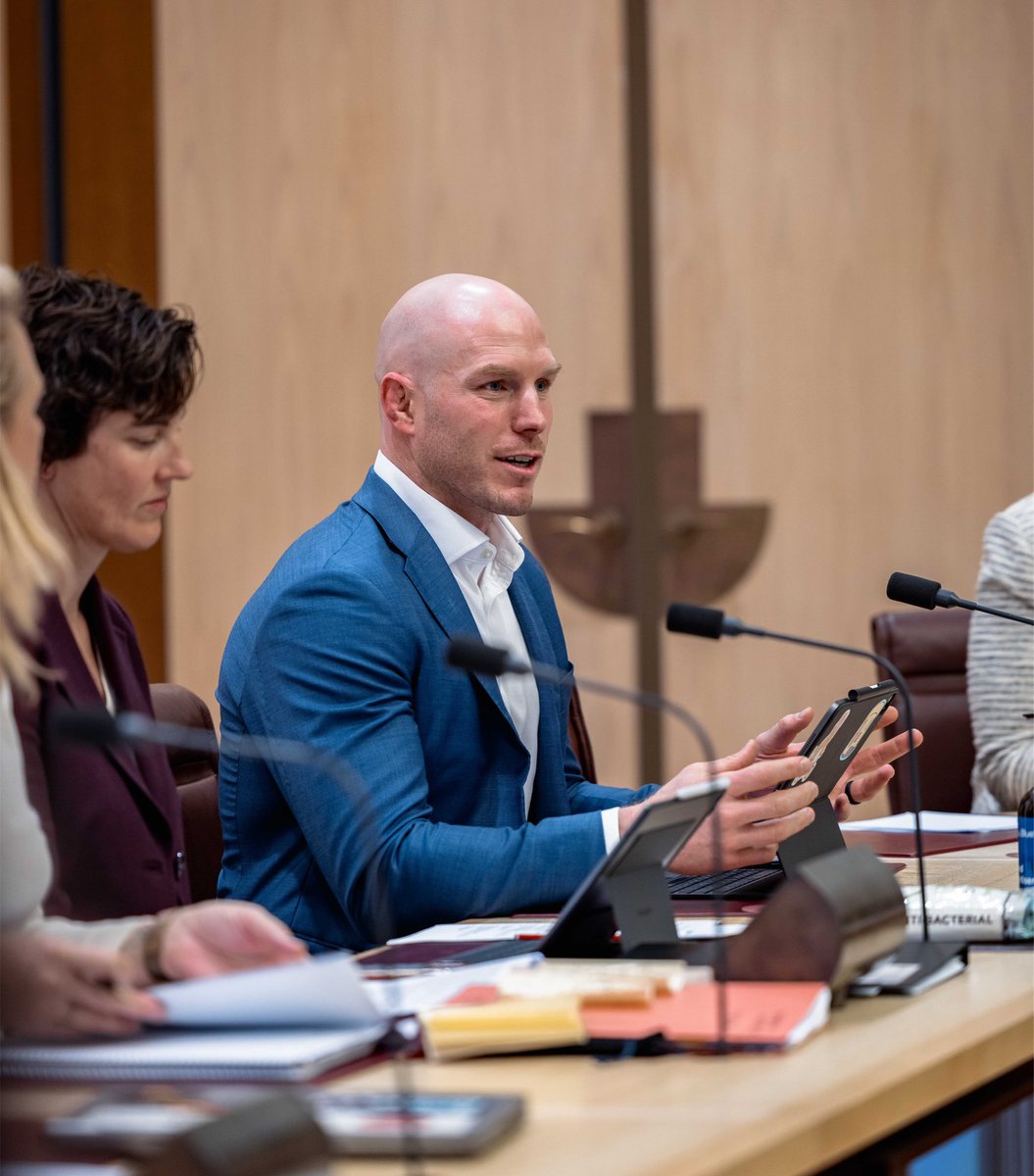
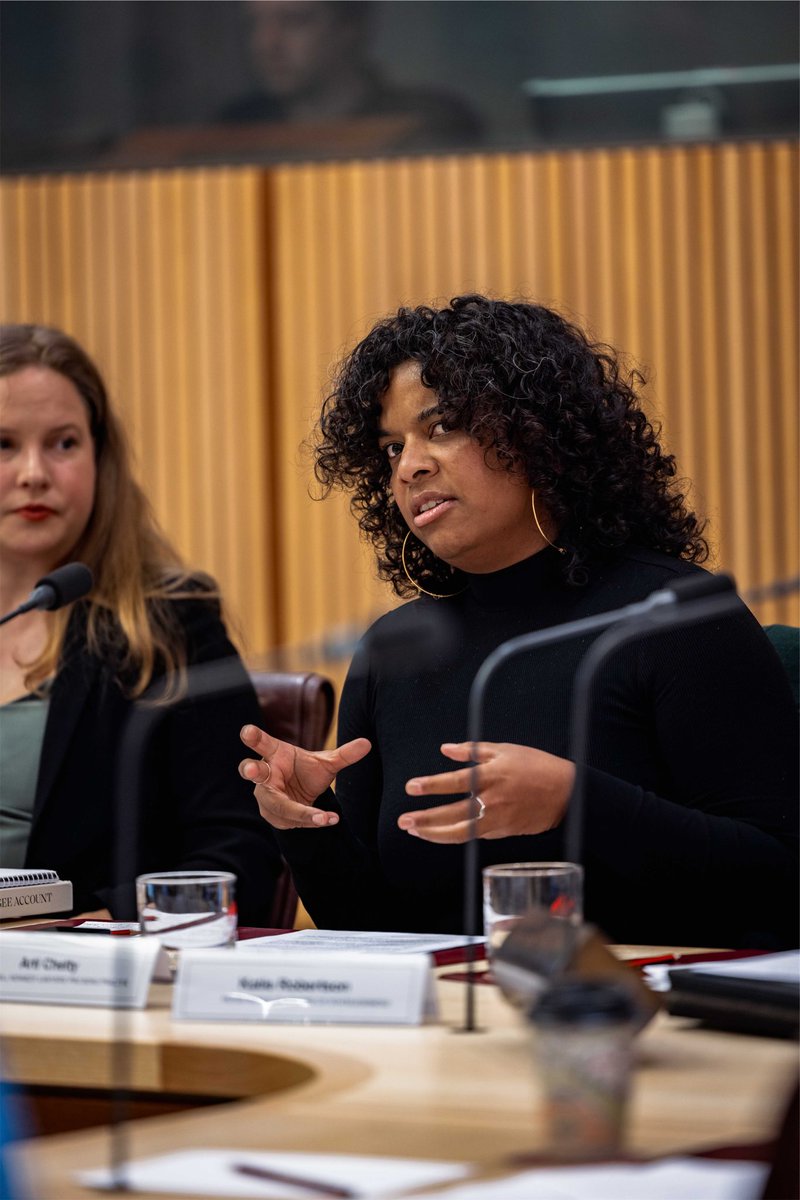
Yesterday, we heard from an impressive group of experts in asylum & refugee protection at a roundtable co-hosted I hosted with @KyleaTink. We discussed the urgent reforms needed to protect people in our nation's care, along with longer term strategic approaches for our region.
https://t.co/o7erVsxnHx Thousands of refugees to be offered pathway to permanent residency. A very welcome announcement, however, this doesn't affect any of Bridge's clients. An additional 12,000 asylum seekers live here on bridging visas, most without any access to Centrelink.
Whilst most have work rights, many are unable to work due to illness, lack of childcare, lack of language or the short-term nature of bridging visas. This means that hundreds of households are fully reliant upon charities such as Bridge for Asylum Seekers for financial support.