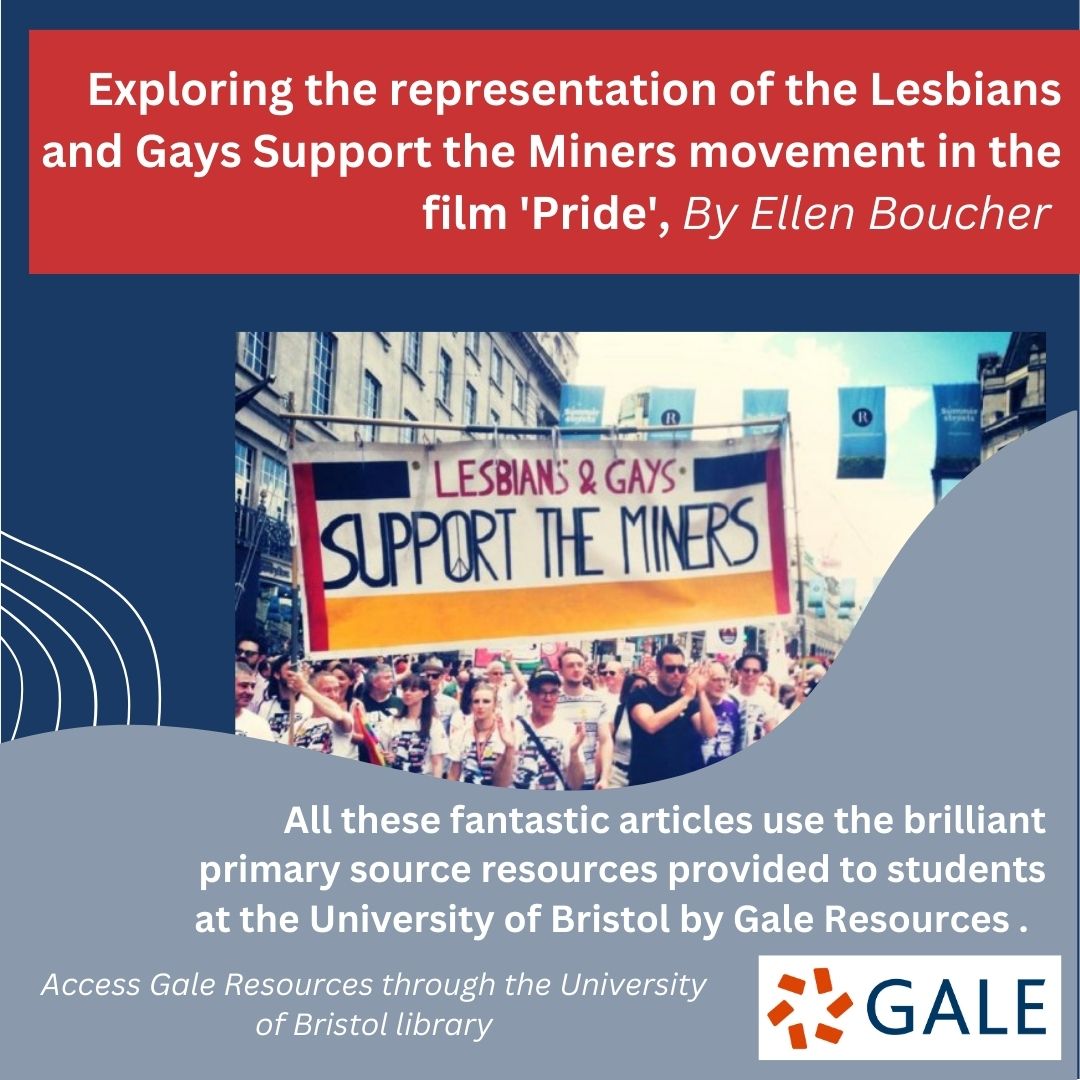
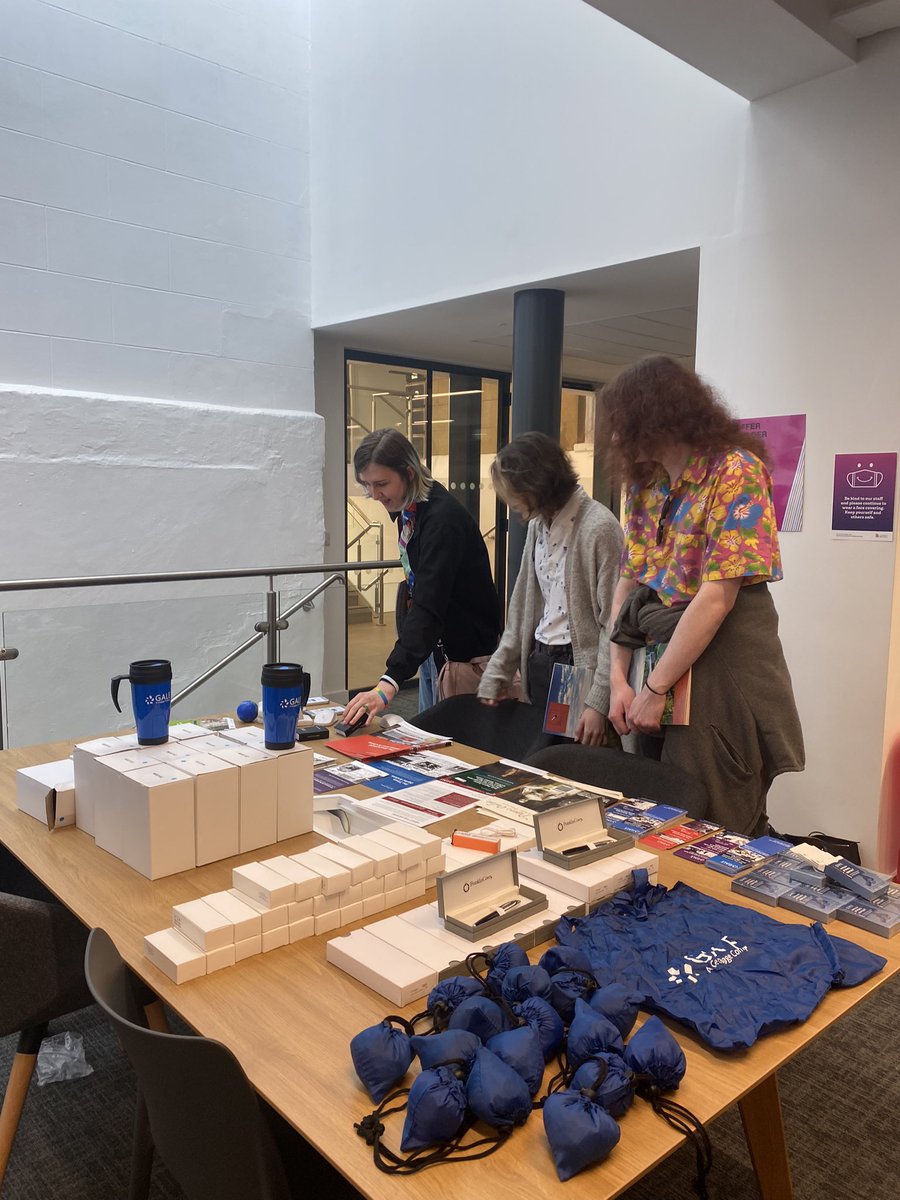
The student-led publication at @BristolUni , the @bristorian launched its print edition last week. There were some great articles using Gale sources and it was a nice break in the middle of a busy #examseason . Read Bristorian articles online at https://t.co/D4XNKcQrFv -Ellen
It's that time of year again!
After another successful year, the Bristorian is publishing its second annual print publication!
Come celebrate with us tomorrow evening at 7 Woodland Road!
@BristolUni@UoBrisHistory
Now March has draw to a close, The Bristorian concludes its Women’s History Month initiative with an overview of some of the women who have shaped today’s world. (1/2)
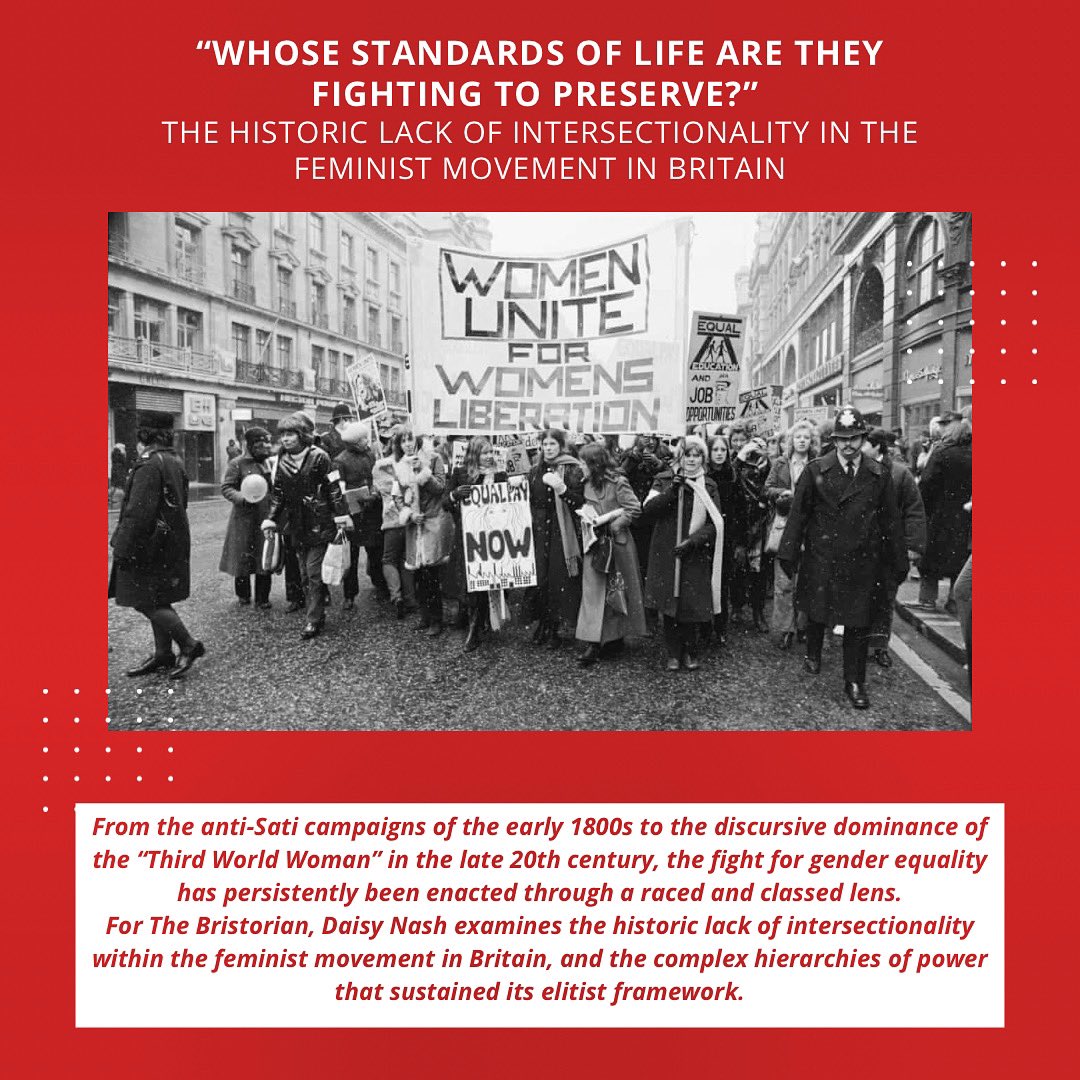
For The Bristorian, Daisy Nash examines the historic lack of intersectionality within the feminist movement in Britain, and the complex hierarchies of power that sustained its elitist framework.
https://t.co/PaeGTUCDBQ @UoBrisHistory@HistorySocUoB#WomensHistoryMonth
From the anti-Sati campaigns of the early 1800s to the discursive dominance of the “Third World Woman” in the late 20th century, the fight for gender equality has persistently been enacted through a raced and classed lens.
In this article, the Bristorian tries to uncover the real Seacole, and explores whether statue memorials are still congruous to remembering history.
https://t.co/kNkxSIFHSR @UoBrisHistory@HistorySocUoB
In 2016 a statue of Mary Seacole was erected outside St Thomas Hospital, sparking a debate over whether she worked as a nurse or ran a supplies shop and restaurant during the Crimean War.
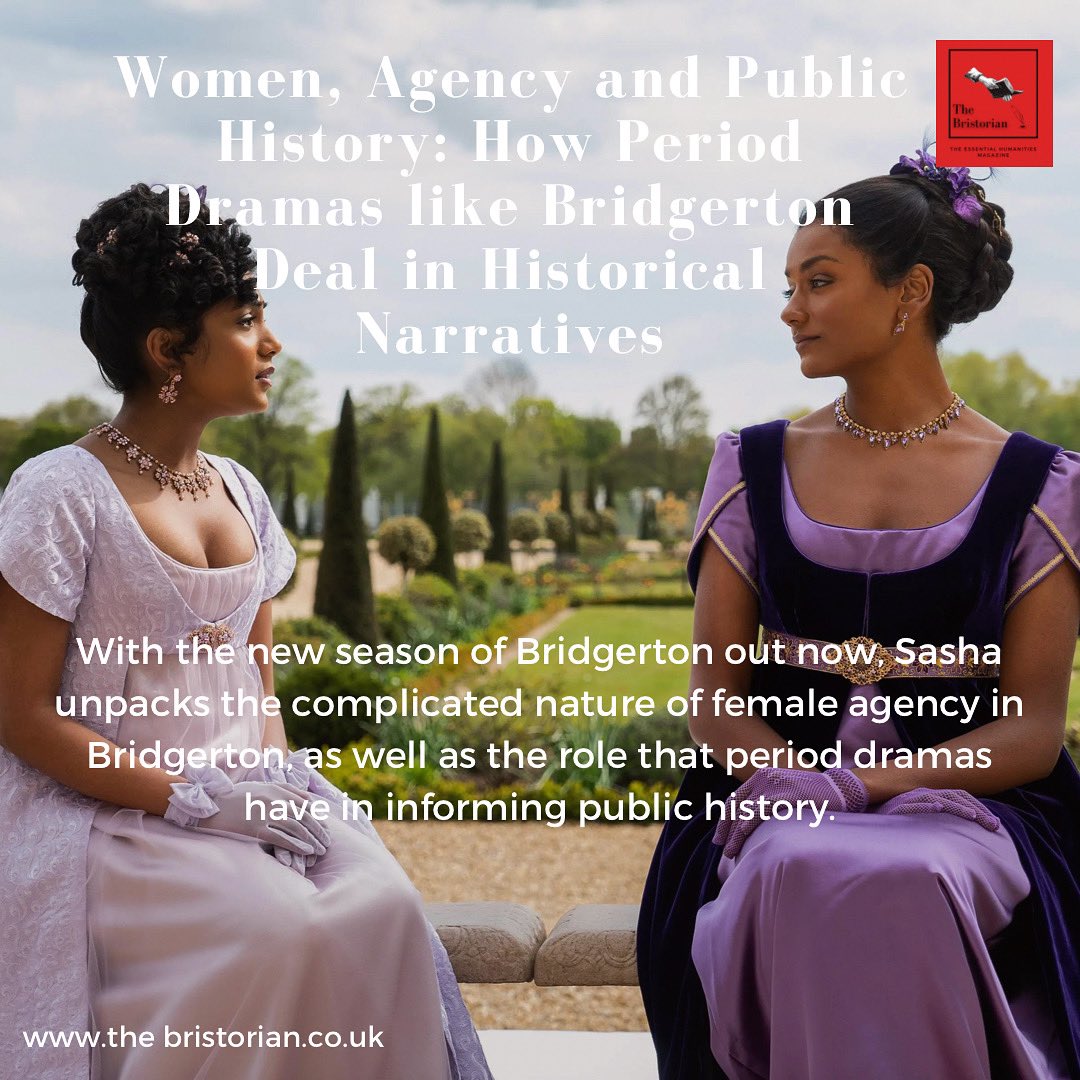
With the new series of Bridgerton out now, Sasha unpacks the complicated nature of female agency in Bridgerton, as well as the role that period dramas have in informing public history.
In celebration of Women’s History Month, Bristol’s most brilliant minds gathered to discuss the study of Women’s History. Sasha reports on the insights, innovations and joys of this year’s Women’s History Month Panel.
March 2022 marks the 41st anniversary of Women’s History month. On the surface, women’s social, political, and economic positions have vastly improved since the mid-20th century, but on a deeper level there are still obstacles, even if not tangible or explicitly spoken about.