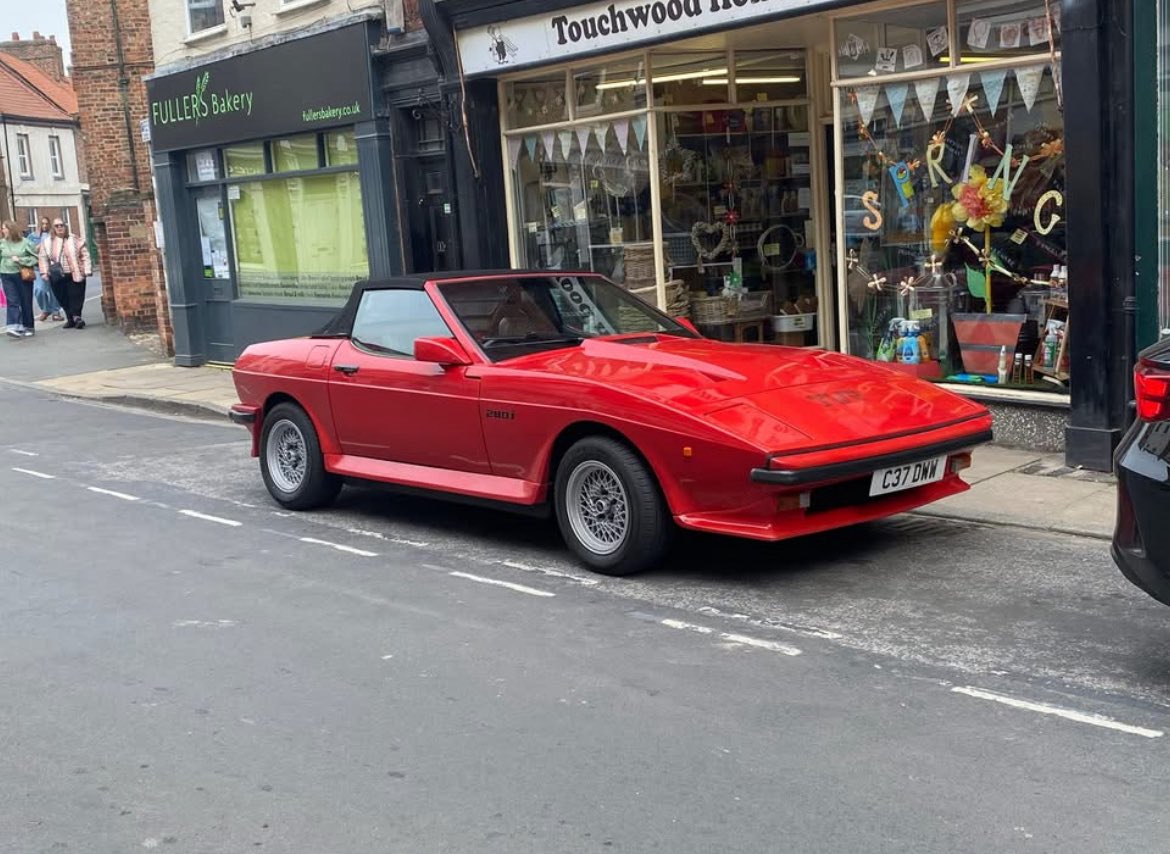
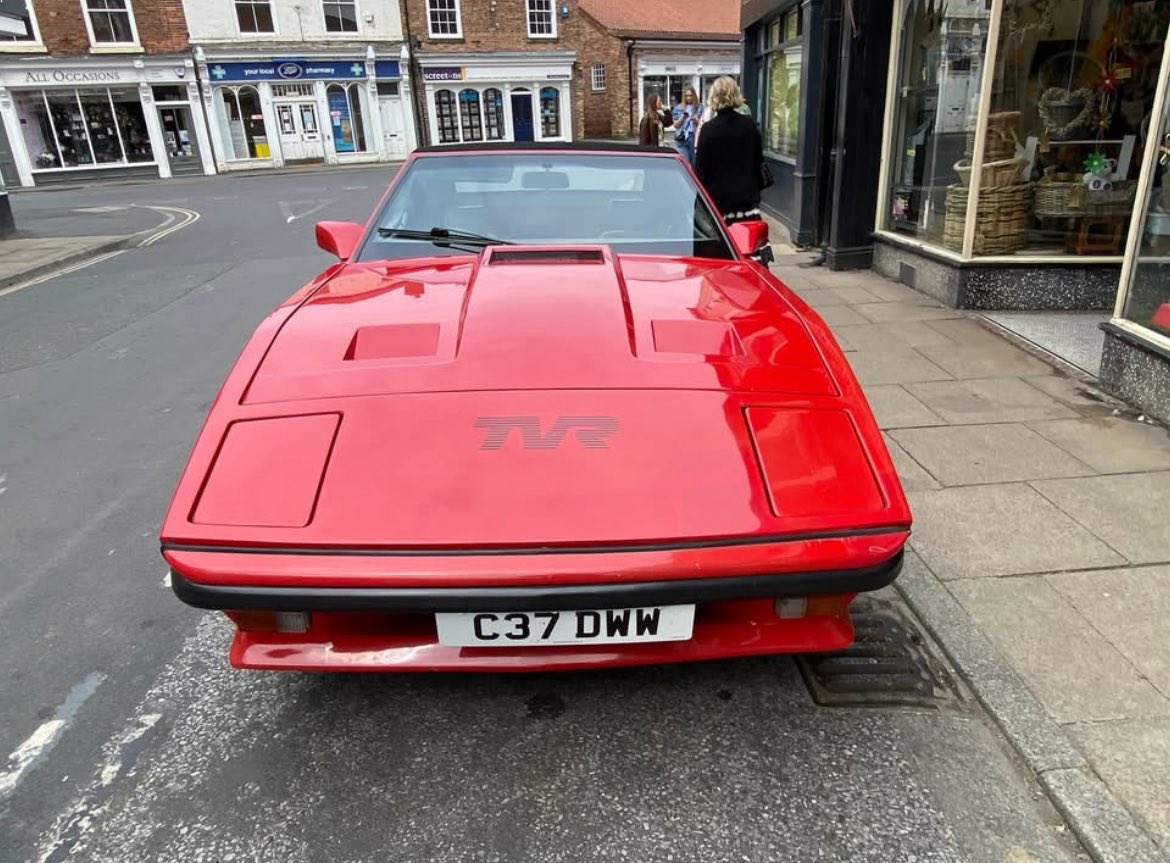
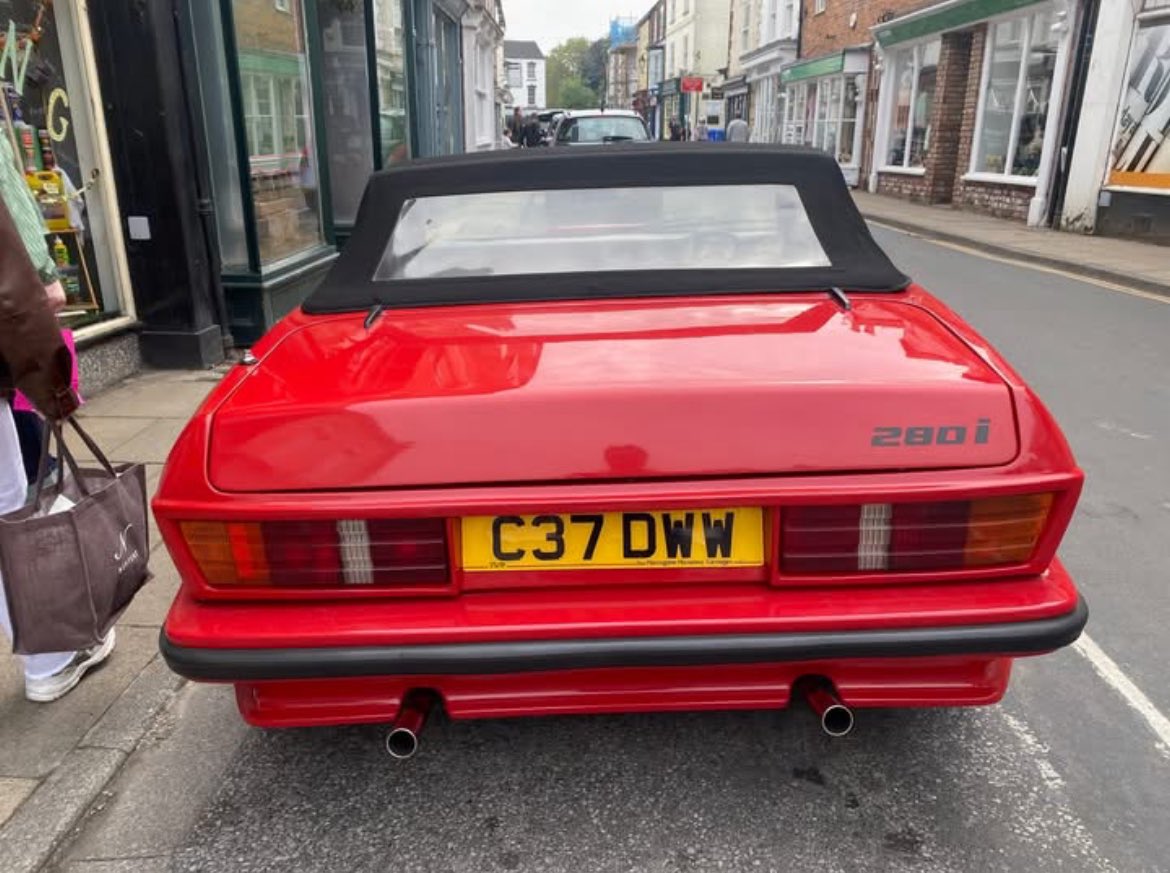
🇬🇧 1986 TVR 280i Convertible
1 of approximately 900 convertibles
Top speed 130 mph
0-60 8 seconds
2.8L Ford Cologne V6 (Bosch Fuel Injection)
160 bhp (Series I) 150 bhp (Series II)
1,100kg
The TVR 280i Convertible (also known as the Tasmin 280i) is a classic British sports car that defined TVR’s "Wedge" era of the 1980s. Designed by Oliver Winterbottom, it was a sharp departure from the rounded, "coke-bottle" curves of previous TVRs, embracing the sharp, angular aesthetic shared by contemporaries like the Lotus Esprit and DeLorean.
Key Specifications & Performance
The 280i was built in Blackpool, England, and utilized a variety of components from mainstream manufacturers to ensure reliability and performance.
The convertible features a clever two-part roof. You can remove the center panel for a "Targa" feel or fold the entire rear section down for a full open-top experience.
TVR famously sourced parts from various manufacturers to keep costs down. The 280i uses suspension and steering from the Ford Cortina, brakes from the Ford Granada, and even door handles and interior switchgear from the Rover SD1 and Triumph TR7.
It was the first production car to feature a bonded windscreen and an aerial integrated into the rear screen heater element.
This car was spotted in Howden, East York UK.
📷 Scott Kemp 👏🏻👏🏻
#tvr #cars #carporn #carspotter
What do you think of it so far? Remembering comedy legend Eric Morecambe, who would have turned 100 today.
Eric’s love of Jensen and Rolls Royce is well known, but before his fame he owned this very smart #Triumph#Herald convertible. “Now there’s a novelty ...”
A big Happy 85th Birthday to Joe Brown MBE, rock and roll legend over six decades and all round entertainer, born #OnThisDay in 1941.
📷 Joe has always been a petrolhead, and has a particular soft spot for the Austin Healey 3000 (Corbis/The Car’s The Star).
There is still a few pitches available for the TSSC Trip to Le Mans Classic in July, but you need to get a wiggle on.
A truly great event with amazing facilities, come & join in the fun and soak up the atmosphere.
Call 01858 434424 for information.
#TSSC#Triumph#Lemansclassic
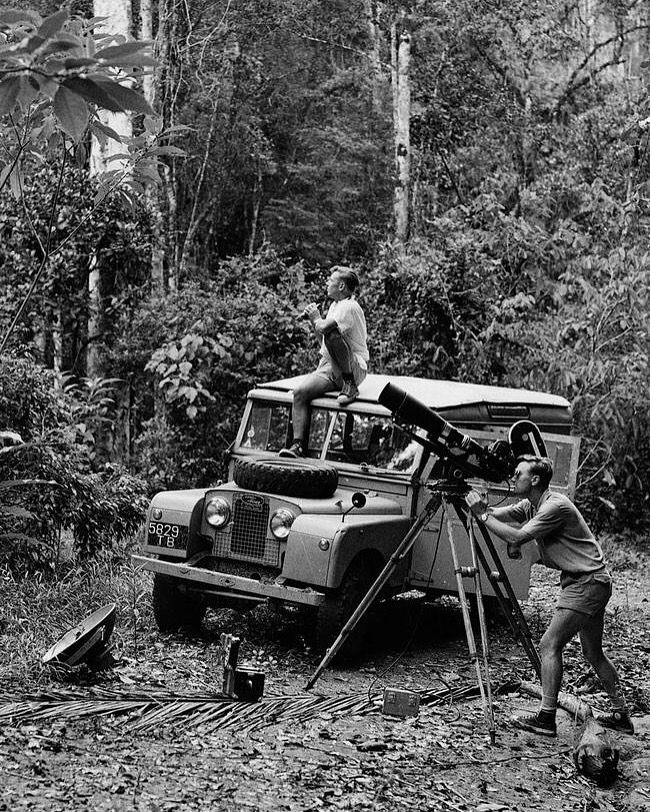
A big Happy 100th Birthday to Sir David Attenborough, broadcaster, conservationist, writer, producer and all-round national treasure, whose incredible career spans eight decades.
📸 Sir David, Geoff Mulligan and a Land Rover Series 1 in Madagascar, in 1961.
#DavidAttenborough
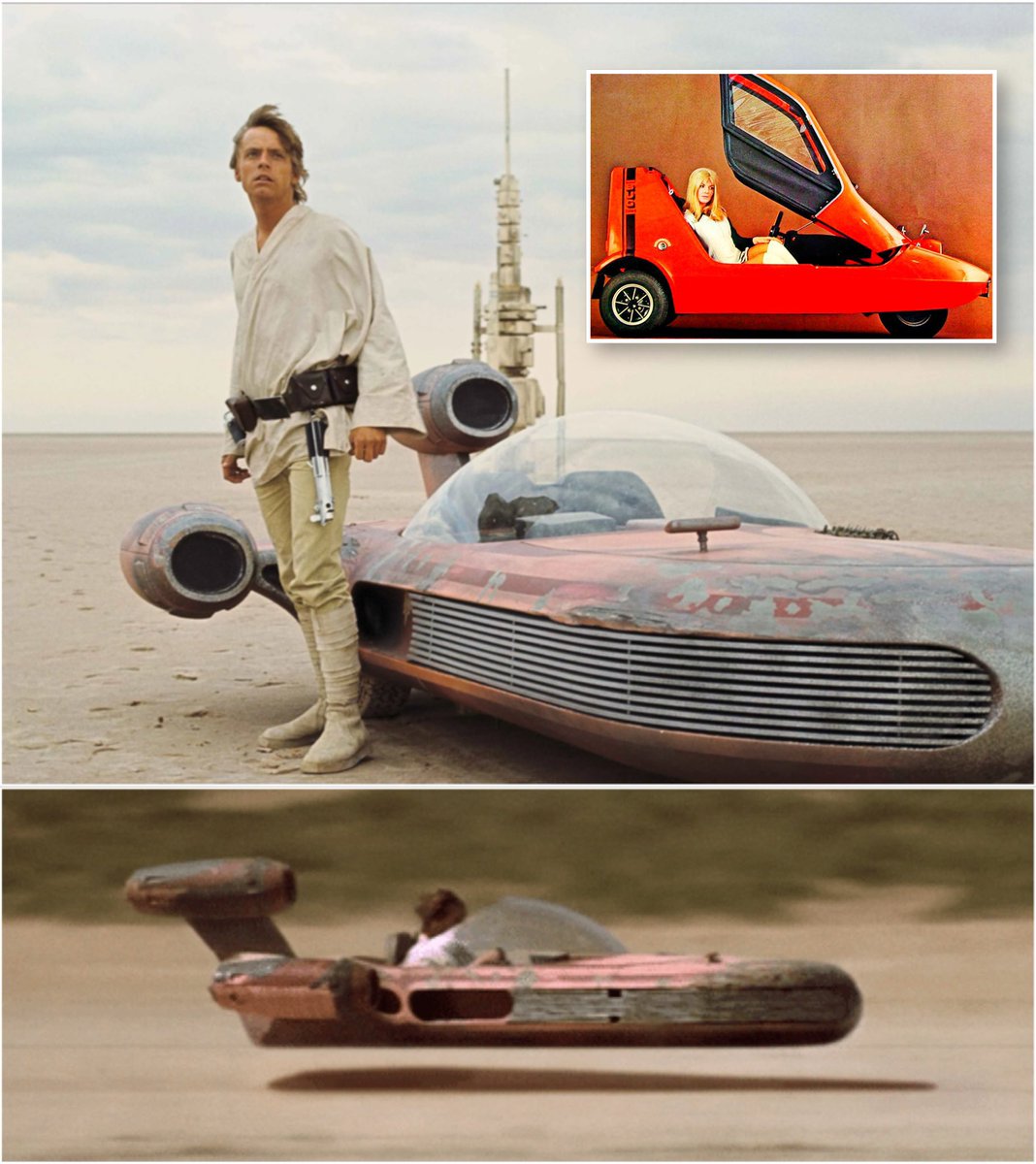
For #StarWarsDay, here’s Luke Skywalker with his anti-gravity X-34 Landspeeder.
The Landspeeder was designed and built by the legendary Tom Karen of Ogle Design around the decidedly non-anti-gravity Bond Bug - and the clever use of angled mirrors.
#MayThe4thBeWithYou#StarWars
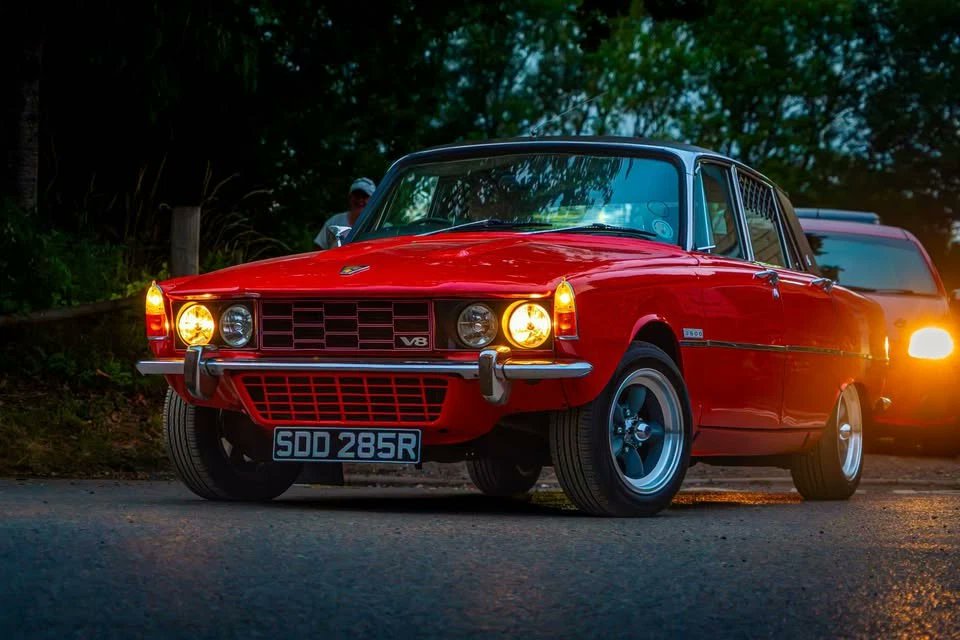
The Rover P6 broke the mould for luxury saloons when it launched, winning the very first European Car of the Year award in 1964. When Rover later squeezed the magnificent 3500cc V8 engine into the bay, it created a genuine legend. Fast, sure footed, and undeniably stylish, it quickly became the absolute vehicle of choice for high-ranking executives and the British traffic police alike! #ClassicRover #RoverP6V8 #CarCultureUK #EngineHistory #VintageAuto #OldSchoolCars
Nice…….. it’s a Bank Holiday…
What are you up to ?
Plenty on up and down the country …. Hope you get out in your Triumph
Enjoy your day
#TSSC#Triumph#weekendvibes
*Rare Road Cars**
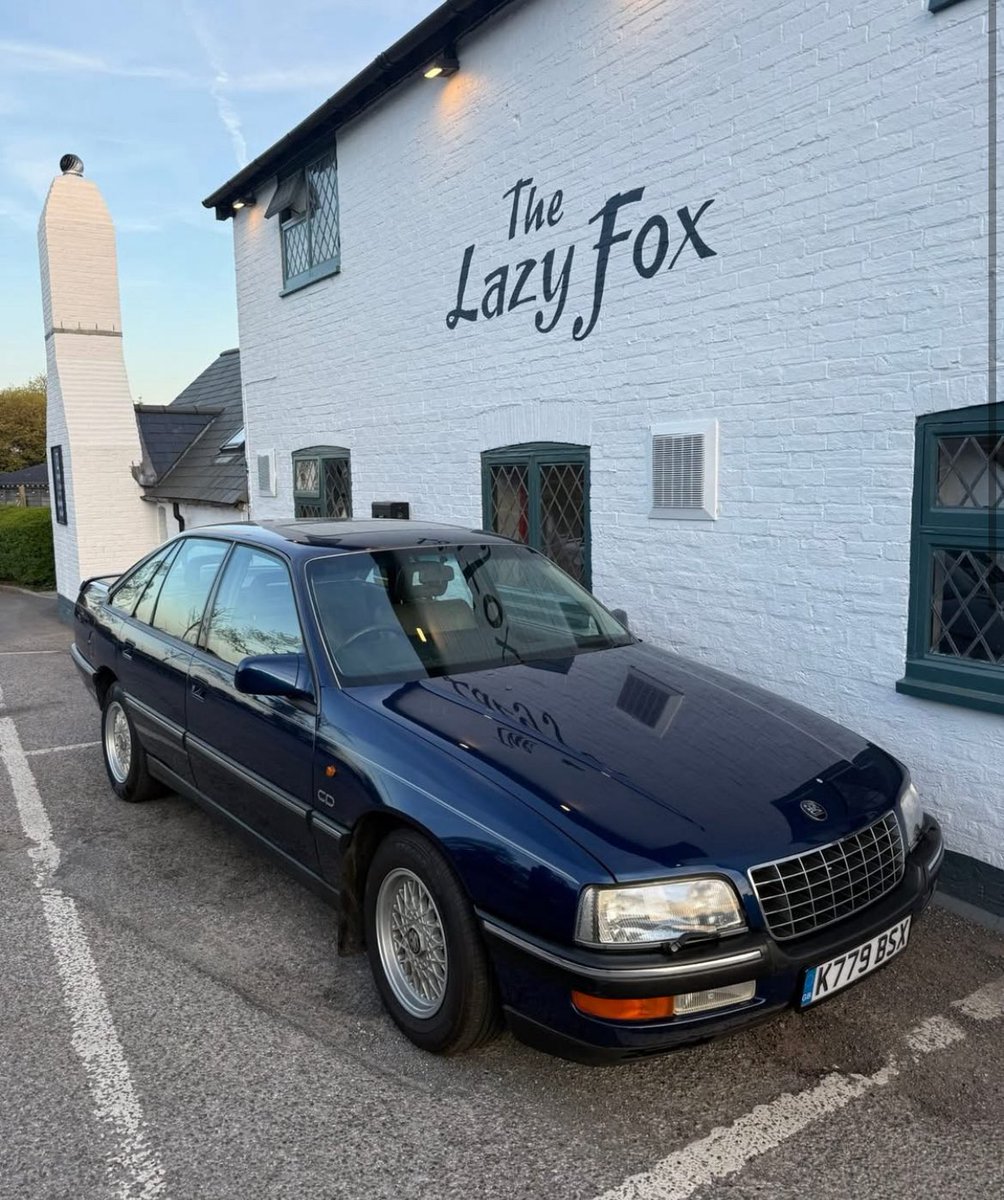
🇬🇧 Vauxhall Senator 3.0i 24v
Hard to believe there are only 8 licensed and 35 SORN in the UK as of 2026. Not sure if this would be 💯 correct 🤔
A car which always looked good unless it was behind you with flashing blue lights. 😇
When saloons ruled the roads.
Fantastic to see one which looks in very good condition.
📷 Guy Williamson 👏🏻👏🏻
@vauxhall@Opel@VauxhallFleet
#cars #classiccars #vauxhall
Remembering Sir Henry Cooper, British, Commonwealth and European Heavyweight Champion, born #OnThisDay in 1934.
Henry is the only British boxer to have been awarded a knighthood. Oh, and he loved big cars, especially his Jensen Interceptor.
JENSEN INTERCEPTOR Mark III 🇬🇧
The Jensen Interceptor Mark III, produced between 1971 and 1976, is a celebrated British grand tourer renowned for its "transatlantic" identity, combining Italian design, British luxury, and American power.
Chrysler 440 V8: The Mark III is defined by its 7.2-litre (440 cu in) Chrysler RB-series V8 engine. This "big-block" unit replaced the earlier 6.3-litre (383 cu in) engine in 1971 to keep pace with global performance standards.
While early versions of the 7.2L engine produced up to 385 bhp, output was later revised to approximately 280–330 bhp as emission regulations and compression ratios tightened in the mid-1970s.
The car could reach a max speed of 135–140 mph, and accelerate from 0–60 mph in approximately 7.3 to 7.5 seconds.
Despite its prestige, the Interceptor faced significant hurdles due to its high price and substantial fuel consumption (averaging 8–12 MPG), which became unsustainable during the 1973 oil crisis. Jensen Motors eventually went into receivership in 1975, with production ending in 1976. Today, it is a highly collectible classic valued at approximately £50,000 to £80,000 for well-maintained examples.
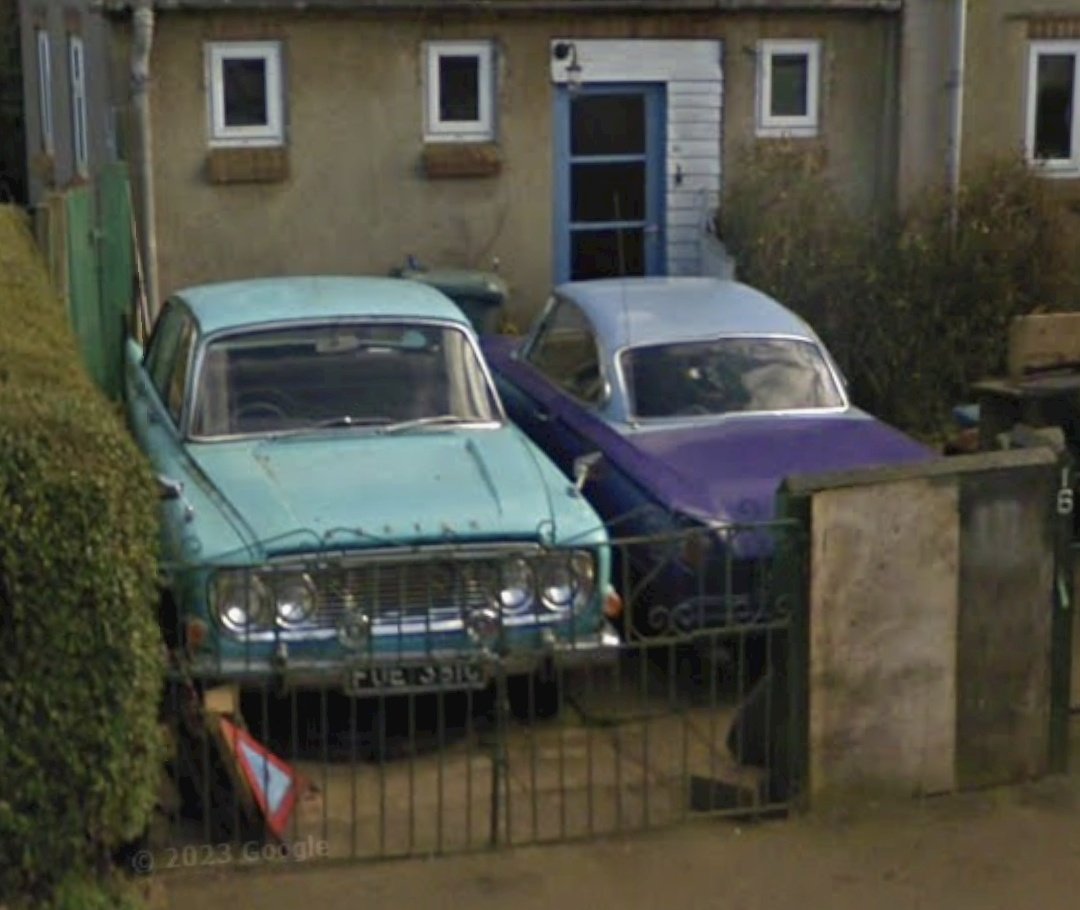
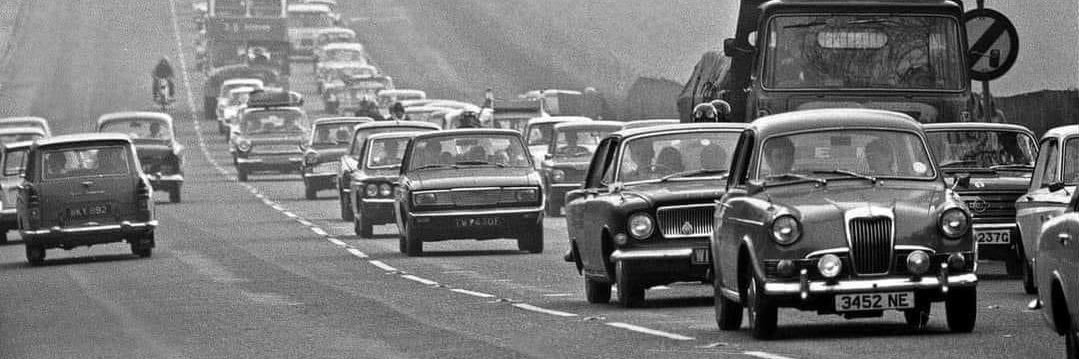
A bunch of obscure classics some of which I do not know the name of. The ones I do know though are, the Ford Cortina, Zephyr, Singer Vouge and Vauxhall Cresta.
Location: middle of nowhere. Oxfordshire. UK
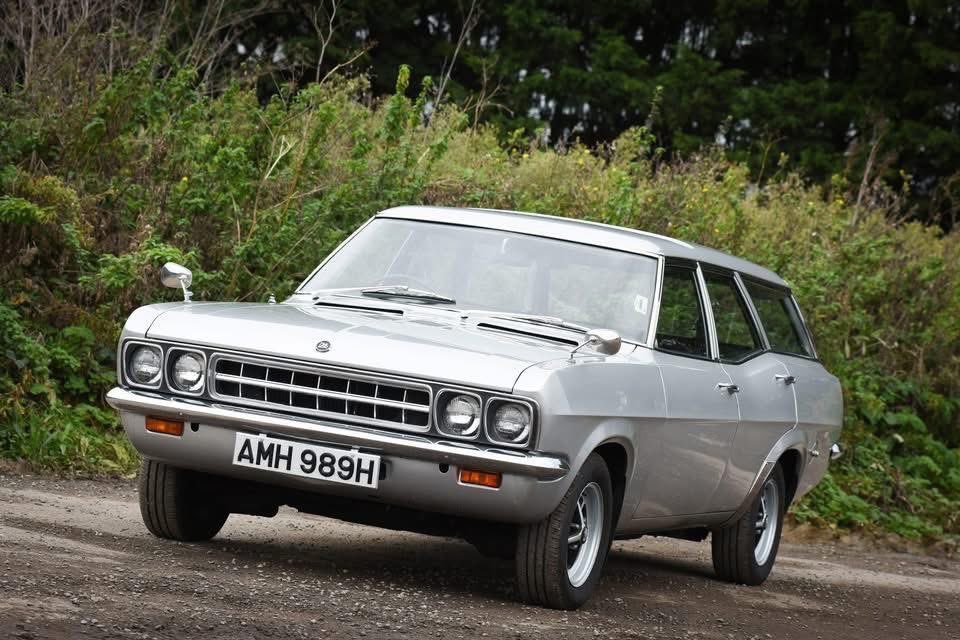
1969 Vauxhall Victor FD Estate 3300
The Vauxhall Victor was produced in a range of models between 1957 and 1976 and replaced the outgoing Wyvern and FC cars. Taking it’s styling cues from the contemporary, so called, “coke bottle” designs emerging from Detroit, the FD series Victor (and VX4/90 and Ventora models) were based on the new Opel Rekord floorpan and offered the first mass produced belt driven overhead cam 1599cc and 1975cc engines.
First shown at the 1967 British Motor Show, the FD Victor saloon was dubbed “car of the show”. The 3300 estate came along in 1968 and was the only Victor offered on the domestic market with the 3.3 litre engine borrowed from the Cresta. The FD range briefly became Britain’s most exported car.
Less FD cars were made due in part to ongoing strike action and a reduction in export markets during the early 1970’s. Research suggests only 693 Victor 3300 estate cars were built.
When you consider that most Vauxhall’s of this generation literally dissolved in the British weather, this extremely rare example is definitely a survivor and worthy of admiration.