I don't know if anyone else noticed, but I always hated testnet projects because they're confusing; most don't have a guide, and there is no guarantee of a token after all the stress and energy put in ...
Well, that was until this year, when I got onboarded on @sndcapp; they provide the guide needed to run a majority drop, provide you with info like project X score, financial status, their partners, and also the team behind the project, which gives you enough info to know if a project might do well or not...
Imagine the old way of doing things: you have to have like 10 tabs, do multiple research, dedicate your time and energy just for the project, only to announce that they aren't distributing any tokens.
Syndicate do all that research for you and provides you with guides, which make carrying out the activity look pretty easy, and with enough knowledge and info about the project, I can know what to expect and what not to, since then it's been pretty easy for me and prevents me from wasting time on those that aren't worth my time .
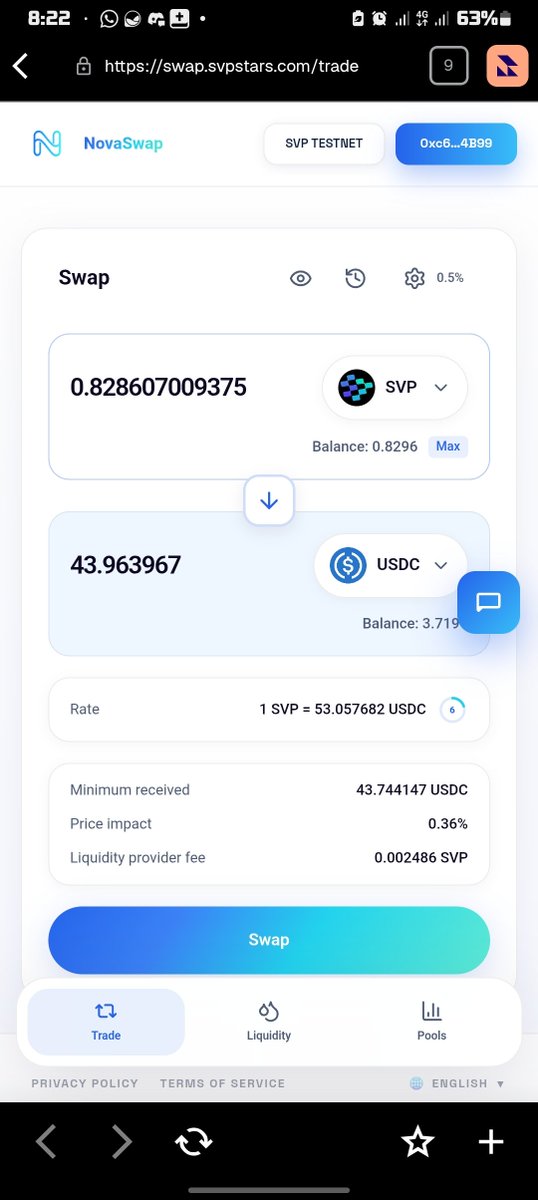
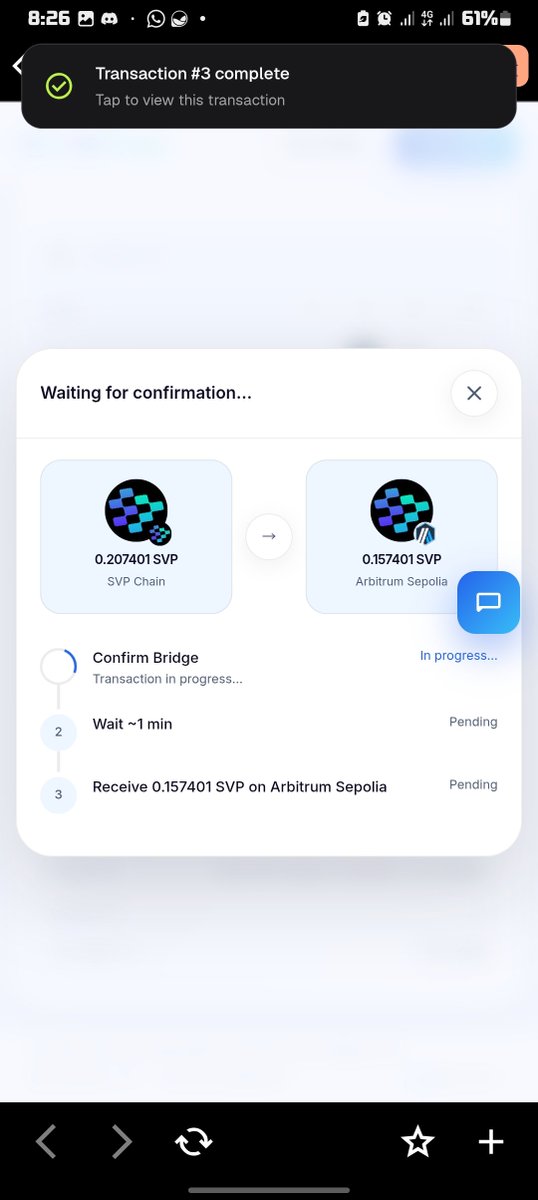
I tried out a testnet today called @SvpChain where I was able to swap, bridge, lend and also carry out some other activities on it.....
And before even joining the Syndicate team have already provided info that they're no promised future token so I had no expectations. I just went there as a tester to explore the system, and it was a great experience for me cause everything was super smooth
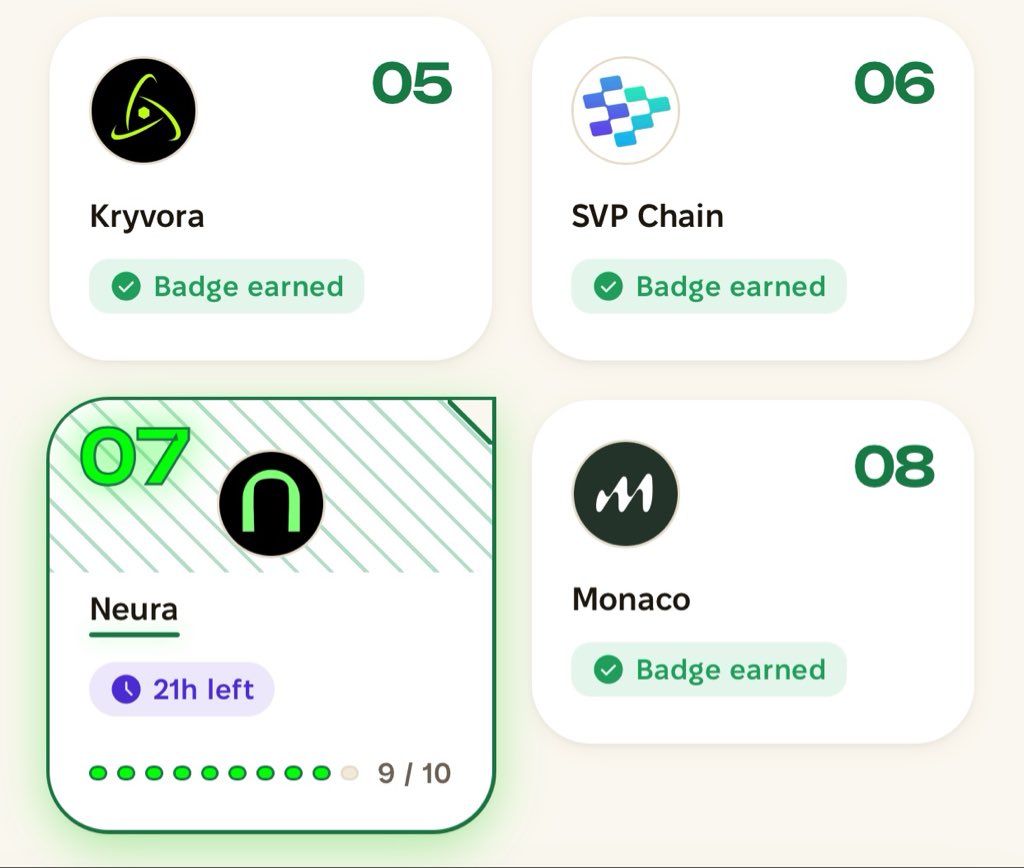
I actually jumped from @sndcapp’s 6th badge farming straight to the 8th, not knowing what was really going on until I saw the announcement that I’d been pranked on @Neura_io lol.
But I actually like that sndcapp called this out.
It’s a good reminder that even when something lands on Syndicate, you still have to think for yourself.
I have seen this before with Giwa from Season 1. People farmed it, the project later went sideways and its community got rugged. They said it was a hack and not something they did, but either way, the lesson stayed the same.
Syndicate can help filter opportunities and put them in front of us, but nobody can replace your own DYOR.
Check the Discord. Look at the socials. See if the team is still building and answering questions. Understand what you’re actually spending your time on.
Farming is about knowing what deserves your time.
Time is the one thing you can’t farm back.
Stay vigilant.
@Lekinzx@sndcapp@Neura_io Me personally have learnt a lot from each project introduced by Syndicate team, from Ai agent's to testnet and many more..
It seems like each project where carefully selected my Syndicate team to educate the community more about the important aspects of web 3
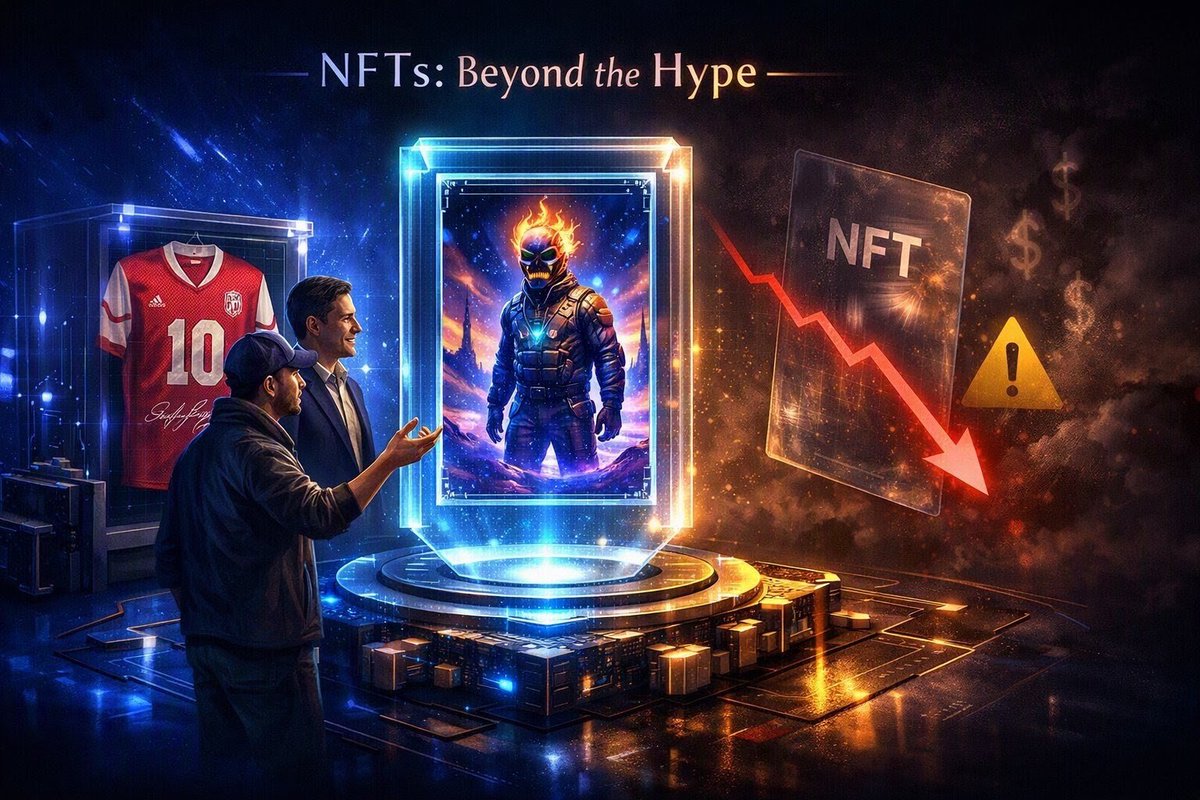
I'm a lover of NFTs, and as we all know, NFT means Non-Fungible Token. But what does that actually mean, and why do people spend money on them?
Simply put, an NFT is a unique digital token recorded on a blockchain. It can represent digital art, music, gaming items, memberships, collectibles, and even certain real-world assets.
One thing I've observed about NFTs, and what most people ignore, is that they come with major advantages but also some serious risks.
Think about it this way: imagine you and your friend both own the same football jersey, but your favourite player signed yours. The jerseys may look alike, but the signature and history behind yours could make it more desirable to collectors.
NFTs can work in a similar way. A digital image can be copied or screenshotted, but an NFT can provide a verifiable record of ownership of a particular token. That record is part of what some collectors value.
On the positive side, NFTs can help creators sell their work directly to collectors, track an item's history, and offer benefits like exclusive access, memberships, or in-game assets. They also create new ways for creators to monetize their work.
But here's the other side.
Just because an NFT is unique doesn't mean it's valuable. Imagine buying a limited-edition jersey that nobody else wants. Even if only a few exist, finding someone willing to pay for yours could be difficult.
The same applies to NFTs. Some lose most of their value when the hype fades, while others become hard to sell because few people are interested.
There are also scams, fake collections, copyright confusion, security risks, and projects that promise benefits they may never deliver.
And remember, owning an NFT doesn't automatically mean you own the copyright to the artwork behind it.
Personally, I think the biggest mistake is treating every NFT as an investment instead of understanding what you're actually buying.
NFTs can be useful technology, but not every project will succeed, and not every token deserves a high price.
The real question isn't just how much an NFT costs today, but what gives it value tomorrow.
What do you think? Are NFTs still an opportunity, or has speculation overshadowed their real usefulness?
@CryptoInsightsX