We found that GLP-1 receptor agonists were associated with a lower risk of age-related macular degeneration (especially dry AMD) in adults with diabetes and obesity compared with metformin or other weight-loss medications. #RWE#GLP1
https://t.co/ojJ3gN2RvF
Bevacizumab biosimilars diffused rapidly in Medicare Part B, reaching 61.3% market share in 2023 and generating an estimated $84.5M in savings. Adoption gaps across rural and urban communities remain. @JCOOP_ASCO#Biosimilars
https://t.co/EU4yWFcOD9
Are glaucoma drug spending disparities due to use or price?
Our Ophthalmology Glaucoma study finds differences are driven by price—not utilization in Medicare Part D.
Implications for policy & equity.
#Glaucoma#HealthPolicy
https://t.co/0JOljSshRp
Socioeconomic Differences in Glaucoma Medication Spending Under Medicare Part D: Evidence on Price vs Utilization
https://t.co/GLc0cQwBSr
@brycechipmunk#ophthalmology#glaucoma
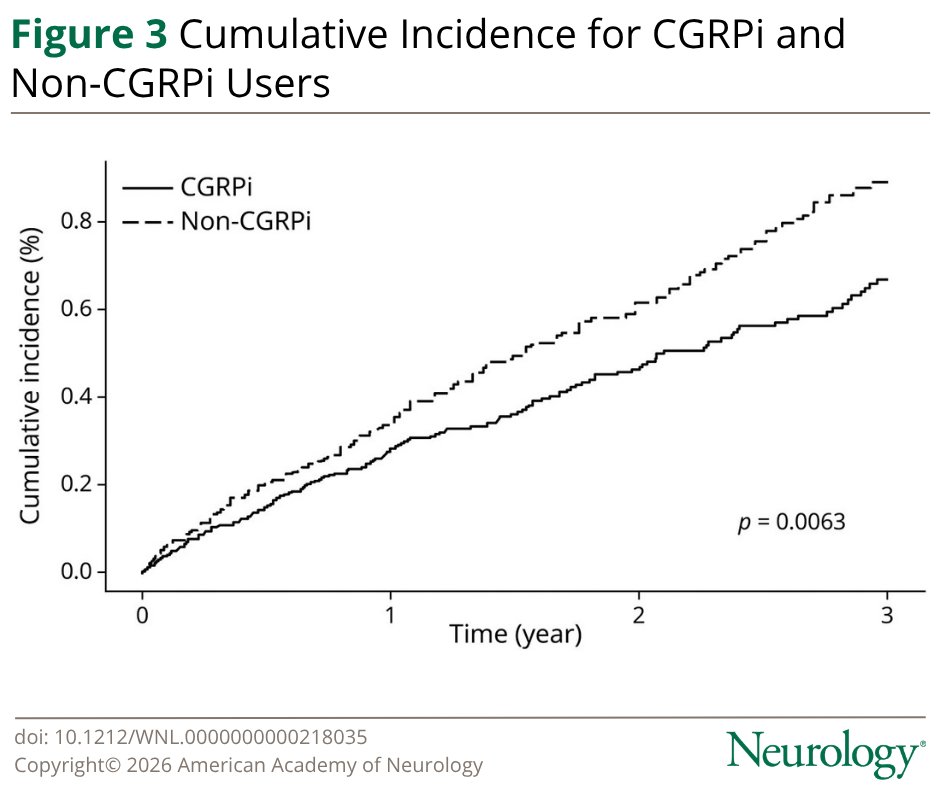
Class II evidence that CGRP inhibitor (CGRPi) users with migraine have a lower risk of incident glaucoma when compared with non-CGRPi users with #migraine: https://t.co/EC2w3bXCC4
New in IOVS:
Denosumab (RANKL inhibitor) was linked to lower risk of OHT (HR 0.72) & POAG (HR 0.63) vs bisphosphonates.
Another signal connecting systemic therapy & eye disease.
#Glaucoma#IOVS#RealWorldData
https://t.co/TeQIwBA8Ko
Chien-Chih Chou from the National Yang Ming Chiao Tung University investigate RANKL inhibition and the risk of ocular hypertension and primary open-angle glaucoma.
https://t.co/cDbE4jQXxY
In >14K patients with dry eye disease, omega-3 supplementation was linked to lower glaucoma risk – POAG HR 0.45 – Total glaucoma HR 0.48
Another signal connecting metabolism & eye disease.
#Glaucoma#Omega3#Ophthalmology
https://t.co/85dspc7nsk
New in TVST:
PCSK9 inhibitors were associated with lower risk of AMD (esp. dry AMD) vs statins in a large real-world cohort.
More evidence linking lipid pathways & retinal disease—needs confirmation.
#AMD#PCSK9#Ophthalmology
https://t.co/ZQDd20gX3C
Our new study in Ophthalmology Glaucoma:
In >51K adults with T2DM, tirzepatide was associated with lower POAG risk vs GLP-1RAs (HR 0.65) over 2 years.
Promising signal—but needs confirmation.
#Glaucoma#Diabetes#Tirzepatide https://t.co/XAThU9PZHW
Our prospective study found ETDQ-7 scores moderately correlated with SNOT-22 severity in CRS patients undergoing FESS, while objective ET function measures showed no significant group differences. #ENT#CRS#ETD
https://t.co/o7nTGsXuSe
📢 “While this does not support using #CGRP inhibitors for #glaucoma prevention, it provides additional safety reassurance and highlights a potential link between #migraine biology and ocular disease,” said @brycechipmunk.
Read the full summary here👇
https://t.co/7Fa0JO3JFk
📢 “#CGRP inhibitors do not appear to increase #glaucoma risk and may be associated with a modestly lower risk compared with other preventive therapies,” wrote @brycechipmunk.
#migraine@Healio_OSN
Read the full summary here👇
https://t.co/QQf4mOjnxg
A new study co-authored by clinical associate professor of #FamilyMedicine, Chien-Hsiang Weng highlights a potential link between migraine treatment and reduced glaucoma risk.
The research found that adults using calcitonin gene-related peptide inhibitors (CGRPi), particularly monoclonal antibody therapies, experienced a lower risk of developing glaucoma compared with those using other preventive migraine medications.
Read the full study published by the American Academy of Neurology (AAN) Neurology Journal: https://t.co/ED8a08Z8GB
Our new study in Neurology @GreenJournal: CGRP inhibitors (esp. mAbs) were associated with lower glaucoma risk vs other migraine preventives in a large multinational cohort. Reassuring safety signal—mechanisms worth exploring. #Migraine#Neurology
https://t.co/dJyuswBnkU
New in Am J Ophthalmol: Visual impairment predicts higher mortality, driven mainly by non‑CV, non‑cancer causes. Vision loss may reflect systemic vulnerability, not just eye disease.
#Ophthalmology#PublicHealth#VisionHealth#NHANES
https://t.co/OpxqzN7AmO
Can JAK inhibitors do more than we think? Our new study shows reduced anterior uveitis risk in autoimmune diseases. Important implications for cross-specialty care. #Ophthalmology#Rheumatology#RealWorldEvidence https://t.co/gV3aXwabNv
Recently published in the @RIMedSoc, clinical associate professor Chien-Hsiang Weng, co-authored a global study highlighting that hypothyroidism is associated with increased IBD risk primarily among older adults in African American, Asian, and Caucasian populations titled, “Hypothyroidism and Risk of Inflammatory Bowel Disease: Influence of Age and Race in a Global Cohort”
Check out Dr. Chien-Hsiang Weng study here:
https://t.co/m1kY4LacxE