BSF Athlete | Zach Hise
(Free Agent RHP)
Looking solid in his bullpen last Saturday.
Excited to see him continue his development as he prepares for his first professional season this spring.
Here are two drills I like to implement off the mound, whether that’s with a plyo, medball, or baseball👇🏼
1.) Hover Drill
2.) Step Back Drill
Both are great options for helping athletes develop linear momentum down the mound while working on the timing and coordination of the back leg loading into the ground with pelvic rotation.
These can be especially beneficial for athletes who tend to get stuck over the rubber with their back half and struggle to create momentum toward home plate.
Learning to control these movements can help improve timing, consistency, and overall rhythm while adding some athleticism to the delivery.
Mic’d Up w BSF Athlete Sean Stirlen
Sean talks about his experience training at BSF, the work he’s putting in this offseason, and his excitement heading into the upcoming season at Nazareth Academy.
@Sstirlen2028@BoDomeLockport@bsf_pitching@HubbardMedia2
‼️ PLYO PATTERNING WORK ‼️
Pittsburgh Pirates LHP Connor Oliver getting in some plyo patterning work as he continues progressing through his offseason on-ramp!
1.) Split Stance Pivot Pick Offs
2.) On Knee Figure-8’s
3.) Walk Back Throws
4.) Self Toss Up Throws
Plyo balls are a tool, not a quick fix for velocity development.
Through constraint-based drills, we can challenge athletes to explore different movement solutions while working on arm path, sequencing, timing, and how the arm coordinates with trunk rotation.
@BSFpitching@connor_oliver17@BoDomeLockport
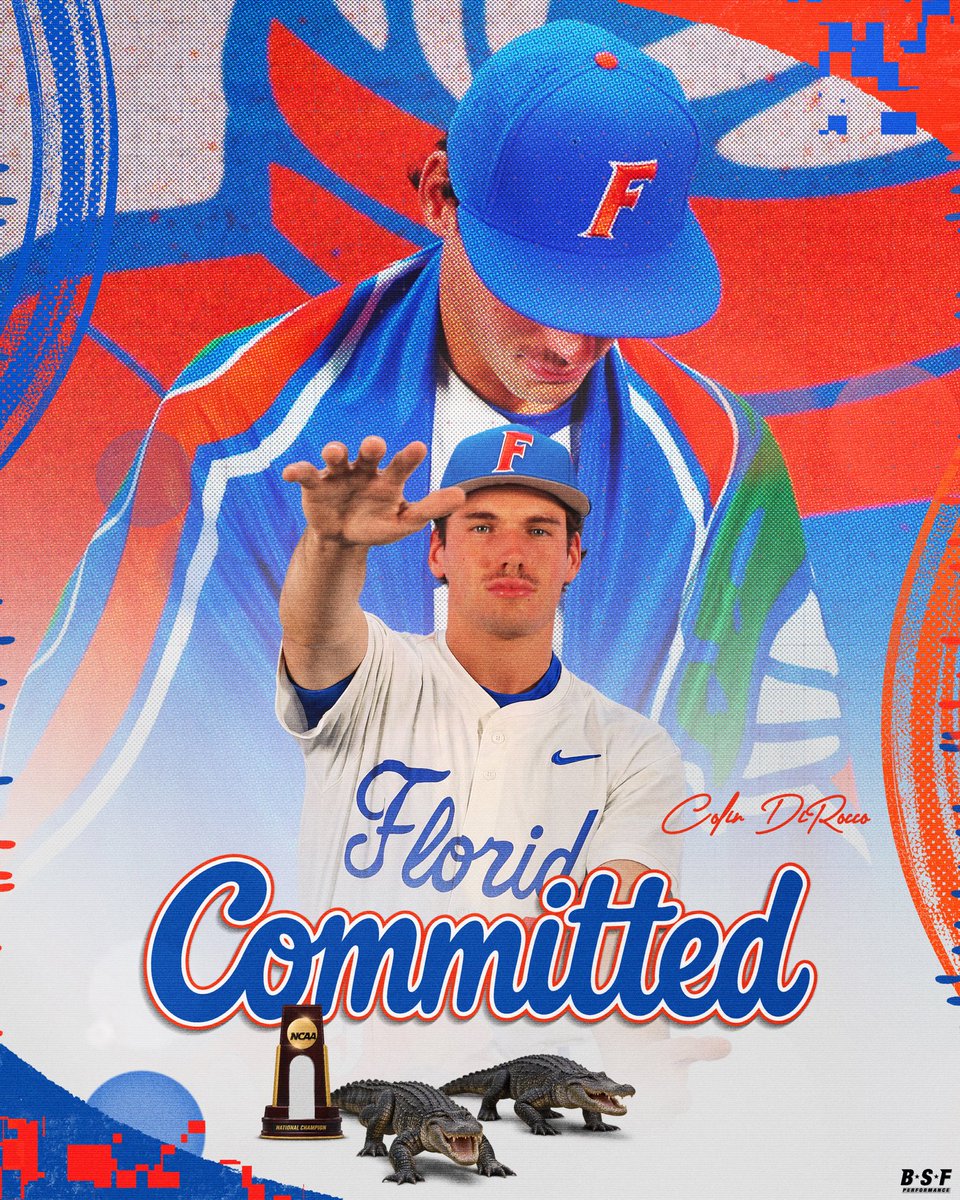
Congratulations to BSF Remote Athlete Colin DiRocco on his commitment to the University of Florida!
Colin has been training remotely with me for over a year and a half now
When Colin first started, he was sitting 85–87 MPH, T88. Fast forward to today, he’s now sitting 89–92 MPH, T93 from the left side!
Throughout his time training remote, we’ve worked on several aspects of his development, including refining his pitching mechanics, developing his pitch arsenal, understanding how to attack hitters, and improving the mental side of pitching.
Beyond his performance on the mound, a major part of his development has been educating him on the importance of managing his training throughout the year. From properly structuring deload periods and offseason on-ramping to maintaining his development through in-season training, we’ve emphasized building a long-term approach to his performance.
Colin will be making the trip back to our HQ in Lockport, IL, for in-house testing, where we’ll reassess his physical metrics, establish updated baselines, and use that information to guide his offseason preparation heading into the spring.
We’re incredibly proud of the progress Colin has made, the work he’s put in, and the opportunity he’s earned. We’re excited to continue being part of his development and watching him compete at the next level.
Congratulations, Colin! Go Gators! 🐊
@BSFpitching@ColinDirocco@BoDomeLockport@HubbardMedia2
Cool opportunity to talk a little about what I’ve been working on this offseason and the goals I’m working toward.
Appreciate @BSFpitching for the opportunity to share and @SharmanPitching for pushing me to get better every day.
#2028LHP#Uncommitted#baseballRecruiting
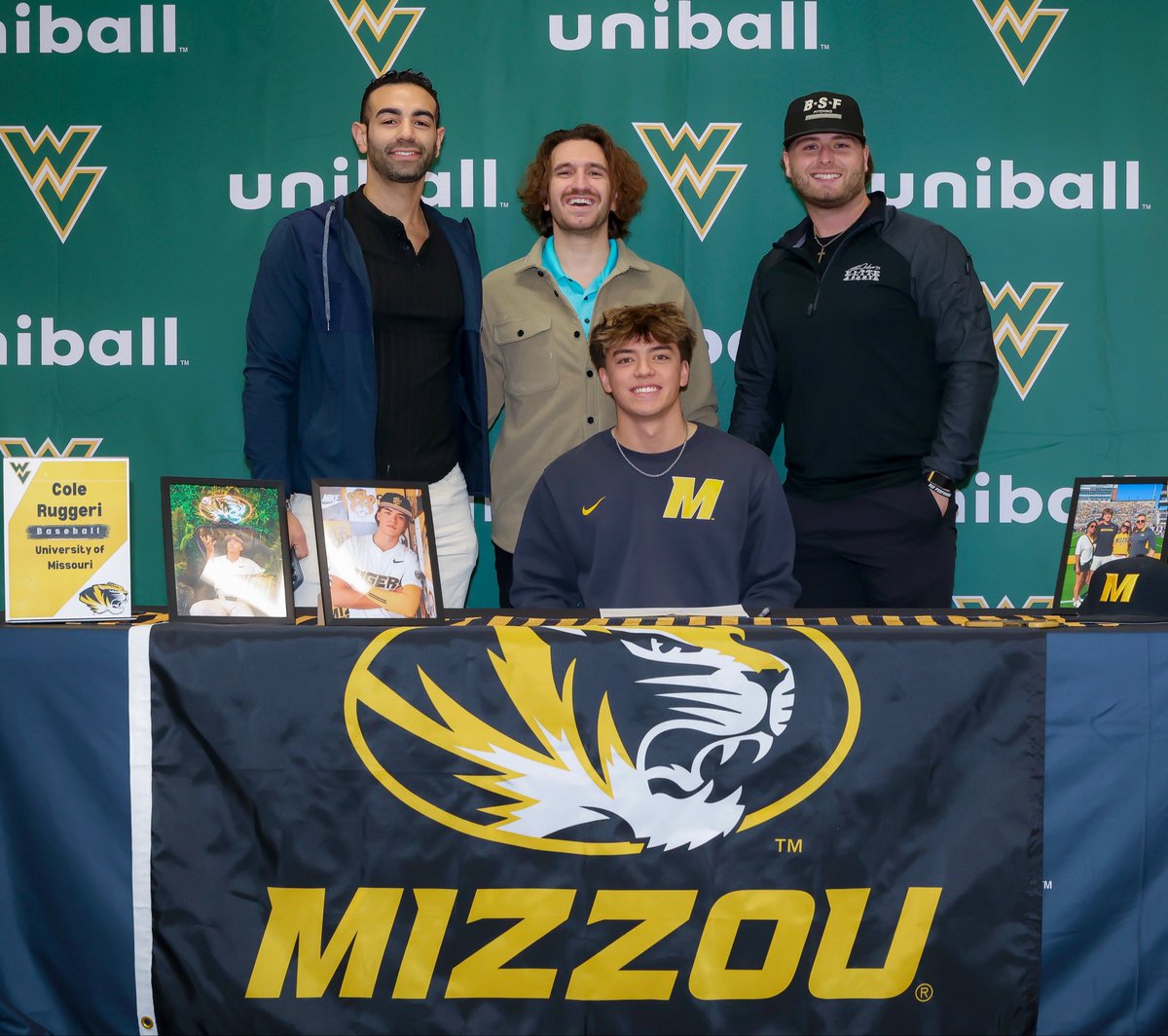
Couldn’t be prouder of you! You are such a hard worker on and off the field. Look forward to seeing your continued development and growth! Keep it up! @Cole_Ruggeri
We asked BSF athletes to share their perspectives on training, the lessons they’ve learned, and how their experiences have shaped their development.
Swipe through to hear what they had to say. ➡️
@bsf_pitching@BoDomeLockport@HubbardMedia2
Building the foundation, brick by brick. 🧱
College and HS Athletes putting in the work and preparing for the season ahead!
Ready to level up this offseason?
📍 In-House Training: Join our Semi-Private Training at Bo Jackson’s Elite Sports Dome in all 3 locations
🌎 Remote Training: Work 1-on-1 with one of our Remote Performance Coaches from anywhere!
📲 Both are powered by the BSF App, keeping your training and development all in one place.
TRUST. THE. PROCESS🙌🏼
@BSFpitching
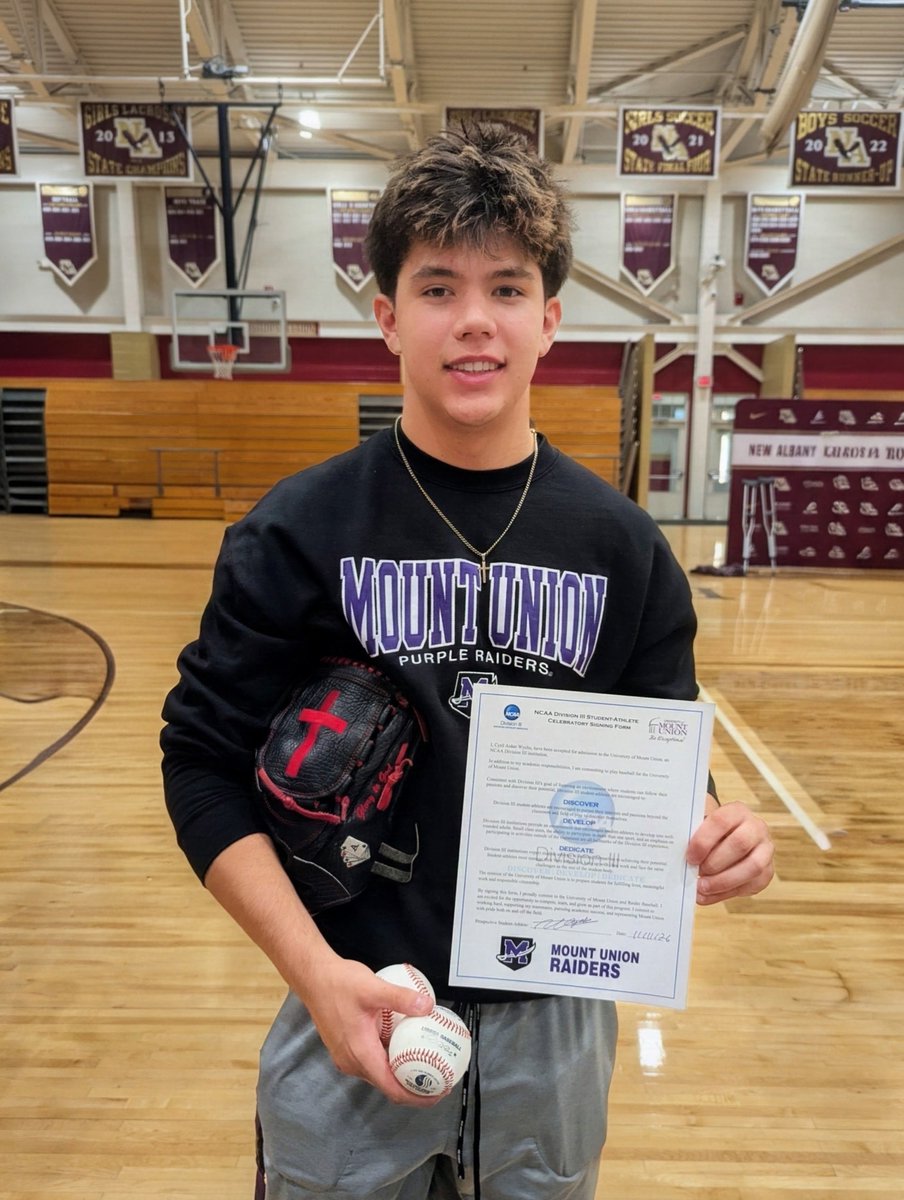
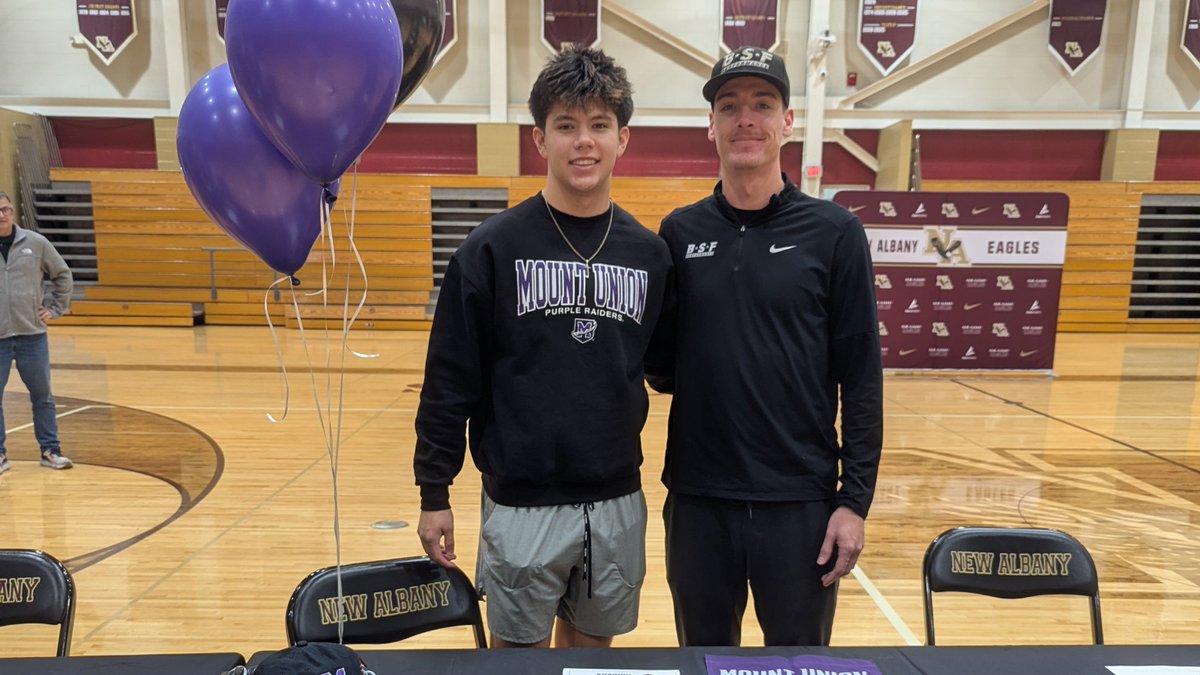
Officially Signed! #AGTG
Thank you again to everyone who has helped me along the way. A huge thanks to my strength coach, Gehrig @GDiemozBSF, for coming down to speak on my behalf at the signing. I'm excited to continue my academic and baseball careers at the University of Mount Union! Go Raiders!
@umubaseball@Dougie0045@BSFpitching
MORE RANGE OF MOTION DOESN’T ALWAYS MEAN BETTER FUNCTION.
One of the biggest mistakes we can make when assessing an athlete is assuming that the range of motion they’re expressing during a joint assessment automatically tells us what their mobility needs are.
But what is that measurement actually telling us?
Range of motion provides information about joint movement, but it doesn’t necessarily explain WHY an athlete is expressing that particular amount of motion or whether they possess the neuromuscular capabilities to actively control it.
Let’s use the hip joint as an example.
If an athlete demonstrates a certain amount of hip internal or external rotation, the immediate response is often to prescribe mobility exercises to increase those ranges.
But what if the limitation isn’t simply a mobility issue?
What if the athlete lacks sufficient muscular force-producing capacity or coordination to control those end-range positions?
This is where assessing range of motion in isolation can become misleading.
Incorporating motor output screening allows us to evaluate muscular force production in specific joint positions, providing additional information about an athlete’s capacity to control their available ranges.
Now consider what happens when we continuously increase an athlete’s mobility without addressing deficits in muscular force production or joint control.
We may be expanding their movement options without developing the neuromuscular capabilities required to manage the mechanical demands of those positions.
This can influence movement strategies and how mechanical loads are distributed throughout the kinetic chain, particularly during high-velocity athletic movements.
However, joint anatomy, tissue properties, pain, and neurological factors can also influence the range of motion an athlete expresses.
Before prescribing more mobility, shouldn’t we first understand what’s influencing their current range and whether they can actively control the motion they already possess?
Because having access to a joint position and having the muscular capacity to control that position are two very different things.
REFERENCES:
Ribeiro & Pascoal (2015) — Active vs. passive shoulder external rotation in overhead athletes.
Research on femoral version and its influence on hip rotation.
Research on passive and active muscular contributions to end-range joint resistance.