So, this may get annoying very, very soon, given how the house is on fire. But I thought I’d share that you can receive a 20% discount off the price of the book by using the promo code CUP20. Good times.
Other Lives https://t.co/MzH5T1te4L via @ColumbiaUP
Based on thought experiments in Indian Buddhist narrative and philosophy, I’d say:
a) philosophical Tulpa (using the Tibetan for nirmana, virtual automata)
B) gods (who enjoy mental content not derived from the senses)
behavior(+) without consciousness: philosophical zombie
consciousness without affect: philosophical vulcan
conscious thought without senses: philosophical ...?
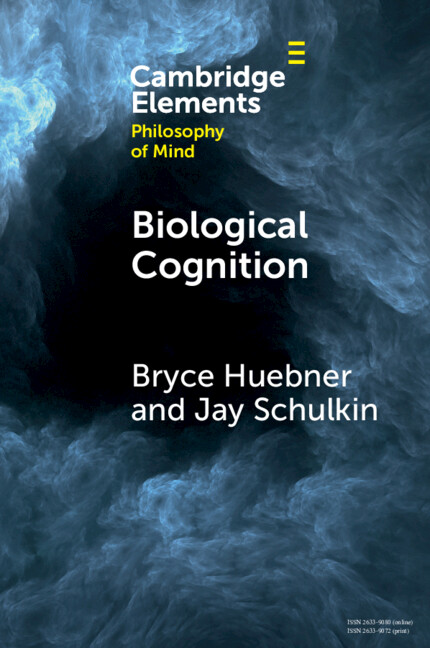
New Cambridge Element Biological Cognition by @NeuroYogacara and Jay Schulkin out now! Read for free for 2 weeks
#cambridgeelements#Philosophy
https://t.co/l0cubcMC1V
Look Ma, it’s in Mind!
(Thank you @seansmithphd for taking the time to read the book, for engaging with it in your inimitable style, and for introducing readers to the *Twenty Verses* along the way.)
And special thanks to @emilylawsonpoet for the amazing and thought-provoking response, and to @NeuroYogacara for so many, many conversations and thoughts, to name only two of the interlocutors who grace twitter.
True dialogue, Kenko noted, can’t take place w/ a companion who never utters a word in contradiction” (for then, as he notes, “one might as well be alone”). A true friend, while “respect[ing] your views, will disagree…saying ‘Yes, that is so, but…and the reason is…’”
What a lovely thread. What a lovely encounter with @CatPrueitt: global philosophy in the wild.
(And wait till @add_hawk tweets about the theorization of freedom in this tradition and others (and the creation of epistemic structures of manifoldness) as a form of play in a game.)
Just had my mind fully blown by an aesthetics talk on medieval Indian aesthetics by Cat Prueitt, about how cognition makes us free. Also about the deep difference between Western and South Asian ideas here.
Ok, explaining this might take a while. Here goes:
Buddhist Studies people - do join the AAR roundtable on @TaoJiangScholar's new book _Origins of Moral-Political Philosophy in Early China_, with Jin Y. Park, On-cho Ng, Michael Puett, on Monday, 11/21, 5-6:30pm #aarsbl22@BuddhistEthics@canbuddhist@U_K_A_B_S@BuddhistEthics
I'll be doing an online discussion with Asad Ahmed about his fantastic book "Palimpsests of Themselves: Logic and Commentary in Postclassical Muslim South Asia," this coming Wednesday, Nov 16. Come join us!
https://t.co/6x2TwTbW96
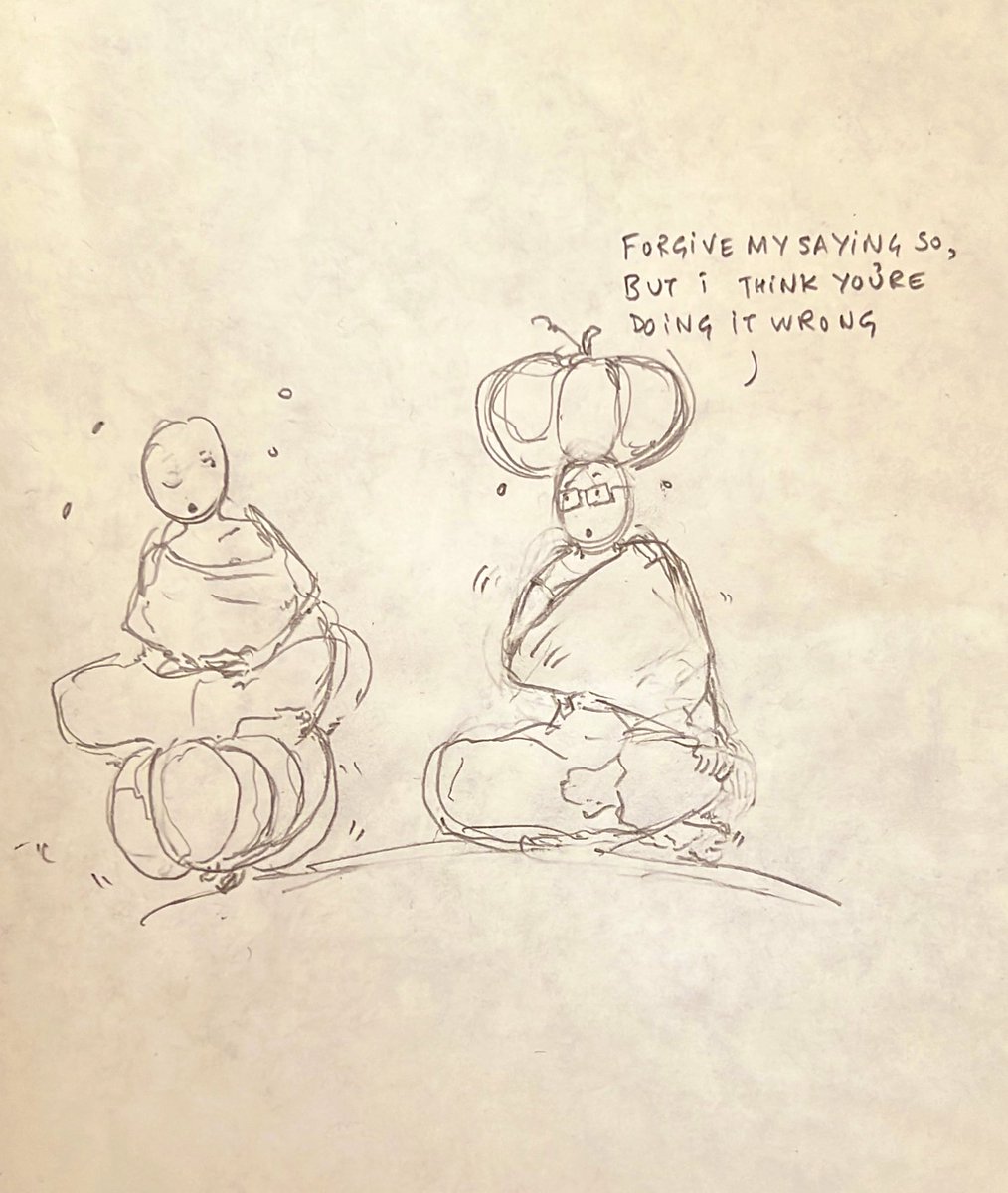
This witchy conference season, this festive occasion for comments rather than questions, and, to adapt the Songs of the Elders, as the leaves of twitter fall and the time for heroes to leave the land of retweets comes closer, May you all be safe.
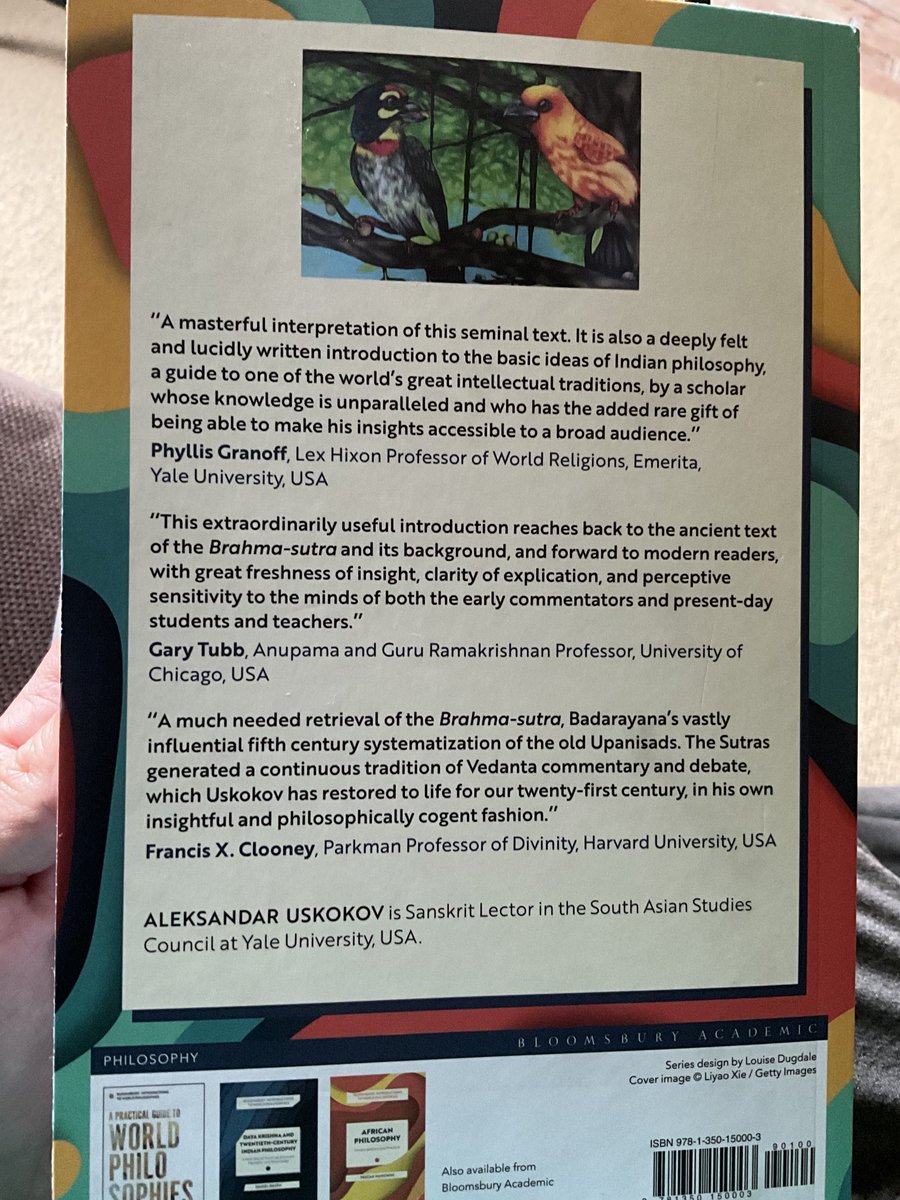
Congratulations to Aleksandar Uskokov, for his recent book on one of the most influential and, at least on its own terms, among the least read works of Indian philosophy you might not know you need to know.
Just got this nice book in the mail from my former Sanskrit professor at Yale. I can say I witnessed a bit of of its gestation while taking his class on Hindu Thought and reading the Upanishads together. The psychedelic cover and the birds, painted by his daughter, are a big plus
I’m so deeply grateful for this tribute. Even if Sarah Broadie’s Ethics with Aristotle (or, as I like to think of it, How not to do Ethics in Quotes) is partly responsible for my quixotic form of life as an assistant professor muttering away at the end of the Kali Yuga.
Anne Carson's essay "Stillness" ends in this astonishing way (🧵/4) (Critical Inquiry, Autumn 2021)
"There are many stillnesses we didn’t get around to in this essay—snow; fog; moonlight; chastity; the gerundive; Odysseus tied to the mast while sailing past the Sirens