Some think that studying how an organism works diminishes its beauty; by taking life apart and probing the molecules within, we lose some of the 'magic' inherent within life itself.
But this is backwards! Studying life is the best possible way to appreciate it more deeply.
Here's what physicist Richard Feynman had to say about the beauty of a flower:
"I have a friend who’s an artist and has sometimes taken a view which I don’t agree with very well. He’ll hold up a flower and say 'look how beautiful it is,' and I’ll agree. Then he says 'I as an artist can see how beautiful this is but you as a scientist take this all apart and it becomes a dull thing,' and I think that he’s kind of nutty. First of all, the beauty that he sees is available to other people and to me too, I believe…
I can appreciate the beauty of a flower. At the same time, I see much more about the flower than he sees. I could imagine the cells in there, the complicated actions inside, which also have a beauty. I mean it’s not just beauty at this dimension, at one centimeter; there’s also beauty at smaller dimensions, the inner structure, also the processes. The fact that the colors in the flower evolved in order to attract insects to pollinate it is interesting; it means that insects can see the color. It adds a question: does this aesthetic sense also exist in the lower forms? Why is it aesthetic? All kinds of interesting questions which the science knowledge only adds to the excitement, the mystery and the awe of a flower. It only adds. I don’t understand how it subtracts."
I've noticed this in my conversations with scientists, too. I used to think it was odd that someone could spend their whole life studying one small thing in biology, like the development of a single type of flower. But when you talk to these people, it's clear that even an idea which seems mundane on the surface can be incredibly complex, involving dozens of proteins and all this evolutionary baggage. Why does the flower grow that way? Why do its petals unfurl like that? It's as Feynman said...
And then you can start to think about how the shape of this flower is tied together with pollinators and arms races with pathogens. Then, slowly, you really understand that the beauty of life is infinite. Truly infinite; every single thing in biology -- every protein and leaf and flower and animal -- has an endless number of questions to explore. But this realization only dawns upon you once you've tried to take these things apart. Every flower is not just a flower, but rather millions of years of evolution compressed into a form.
(h/t @NickDesnoyer)
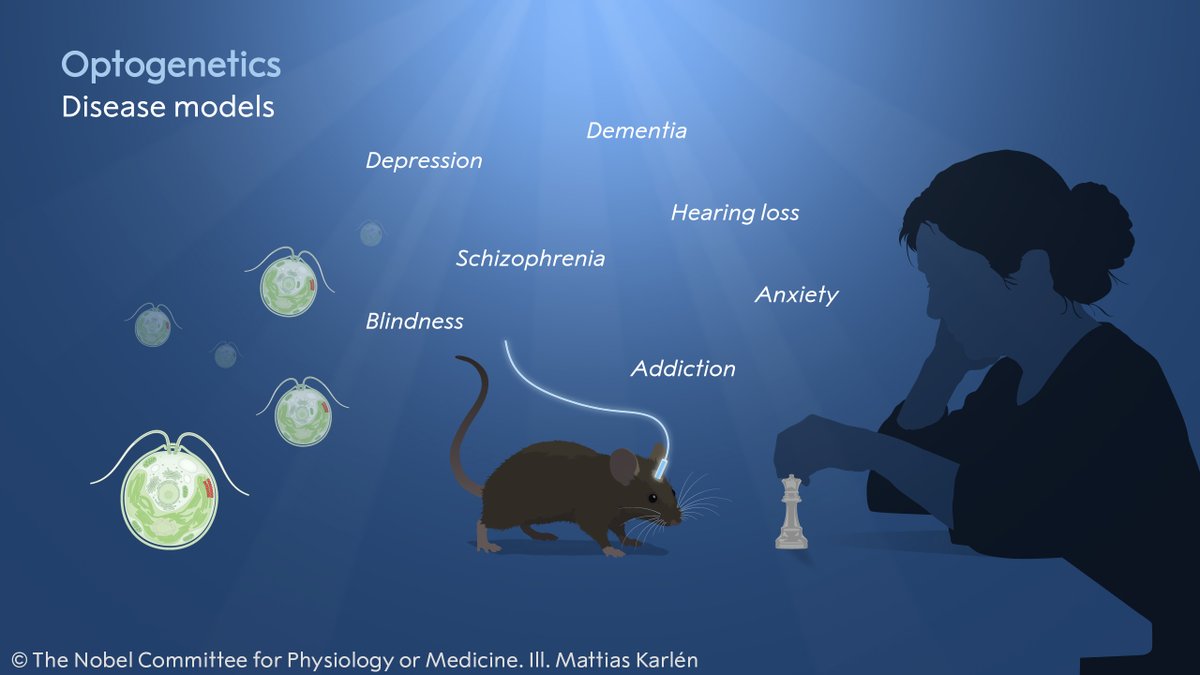
The 2026 #NobelPrize laureates in physiology or medicine have laid the foundation of a new era in neuroscience.
Using optogenetics, researchers have been able to reveal neural circuits governing specific memories, feelings, and behaviours relevant for neurological and psychiatric disorders. In clinical medicine, researchers are using the method in attempts to restore sight in people with visual impairment.
Optogenetics has fundamentally altered our understanding of the brain. Every day brings new discoveries, helping to solve one of humanity’s great mysteries: how our incredible brain works.
Microbes are critical for building a more sustainable world. The American Academy of Microbiology is advancing the scientific understanding about microbiology & sustainability to promote microbe-based innovations. Learn how you can join these efforts: https://t.co/wDpdrFXb3H
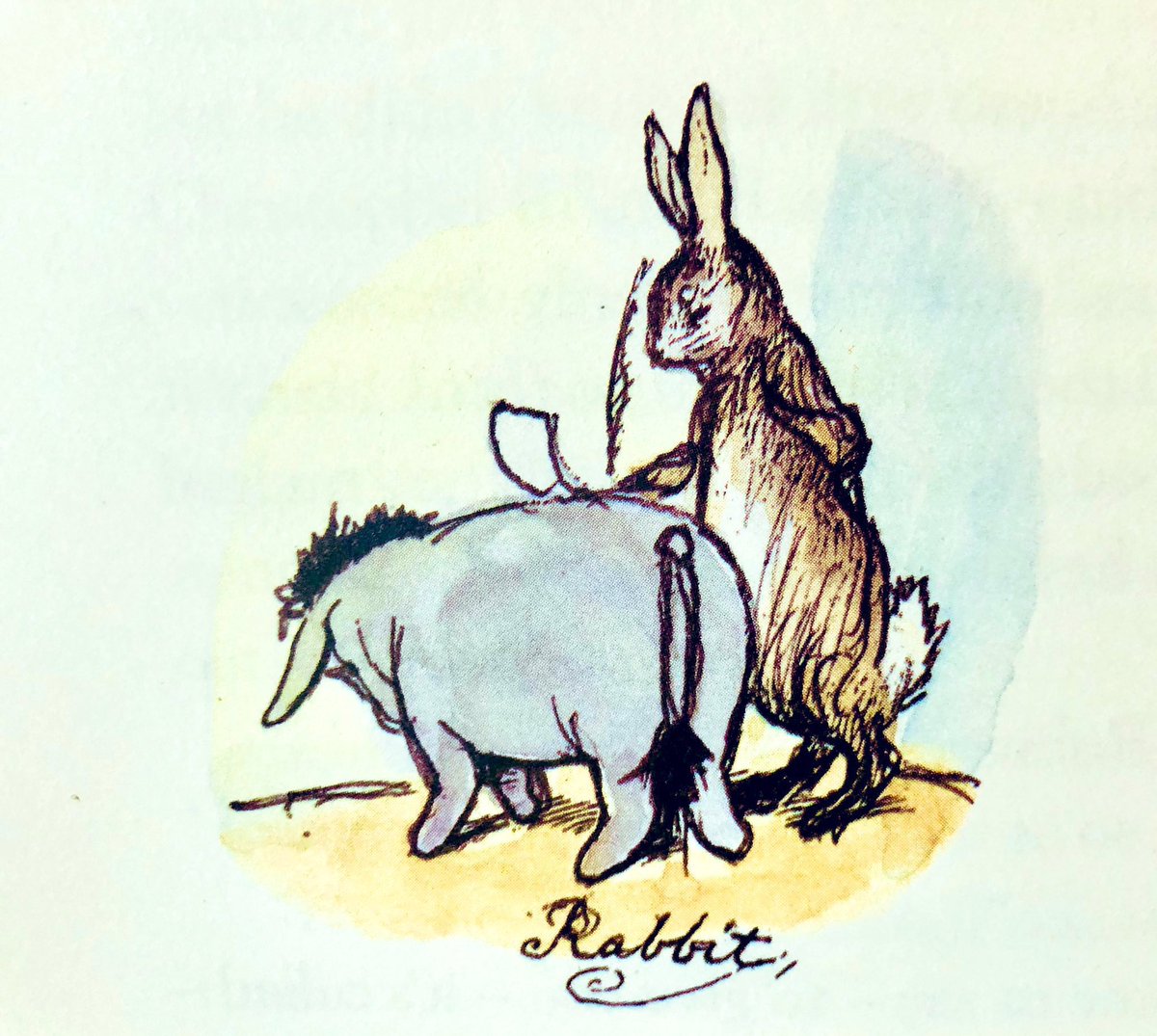
“Rabbit’s clever,” said Pooh thoughtfully.
“Yes,” said Piglet, “Rabbit’s clever.”
“And he has Brain.”
“Yes,” said Piglet, “Rabbit has Brain.”
There was a long silence.
“I suppose,” said Pooh, “that that’s why he never understands anything.” ~A.A.Milne
"If you are alone, the country is your companion; and nature becomes Nature, a person, someone to whom you can almost talk. You do not only walk through measured miles; you sit, dreaming, contemplating, absorbing it all, through unmeasured minutes." ~C.R.Milne #sundaythoughts
I just published Don’t Perish! A Step-by-Step Guide to Writing a Scientific Paper (2026 edition)
Great science deserves to be read—not buried under unclear writing. This is the updated 2026 edition of your favorite guide to writing scientific papers.
https://t.co/ad1I0s4gK0
We're celebrating the International Day of Women and Girls in Science!
Let's look back on the life of Marie Skłodowska Curie: a Nobel Prize laureate who dedicated her life to science and became one of the world's greatest scientists.
#WomenInScience#NobelPrize
Ve 2025 Nobel Fizyoloji ve Tıp ödülü “İmmün Tolerans” denen, bağışıklığımızın kendimize saldırmasını düzenleyen buluşlara verildi.
👉İmmünolojinin gizemlerinden bir tanesi nasıl oluyor da kendi bağışıklık sistemimiz bize saldırmıyor.
👉Tabii ki sistem mükemmel değil çünkü otoimün hastalığı bu yüzden oluyor, ama evrimsel zamanlama için yeterli bir sistem: Homo sapiens türünü şimdilik başarılı bir şekilde devam ettirebiliyor.
👉Bağışıklık sistemizin T hücreleri vücutta oluşurken iskambil kağıtları gibi karışan genler birbiriyle karışarak ÇEŞİTLİLİK oluşturuyor, ve bu sayede bir sürü Patojeni tanıyacak kombinasyonlar oluşturuyorlar.
👉Ama: bir sorun var. Bu kombinasyonlardan bazıları kendi vücudumuza da saldırabiliyor.
👉1980’lerde yapılan buluşlarda kendimize saldırbilecek ve otoimün sorunlarına sebep olabilecek T hücre kombinasyonları Timus bezi denen organda yok ediliyor. İmmünolojide buna MERKEZİ TOLERANS deniyor.
👉Fakat bu sistem de mükemmel değil, ve kendi kendimize saldırabilecek hücreler Timus’tan kaçıp vücuda yayılabilyorlar. Yani merkezden çıkıp Periferal kısımlara yayılıyorlar.
👉Bu yüzden de PERİFERAL TOLERANS denen bir sistem var. Yani ilk elemeden kaçan ve kendi kendimize zarar verebilecek hücreler vücudumuza yayılsa bile onu kontrol edebilecek sistemler var.
👉İşte 2025 Nobel Fizyoloji Tıp ödülü bu periferal immün toleransın keşfine verildi.
👉Sakaguchi yeni bir sınıf T hücresi keşfetti, bu toleransı sağlayan. Bunlara Regulatory T cell (T-Reg) yani Regülatör veya Baskılayıcı T hücresi dendi.
👉Brunkow ve Ramsdell de bu T-reg hücrelerinin genetik olarak Foxp3 genleri sayesinde oluştuğunu, ve insanlardaki IPEX otoimün sendromunun da Foxp3 mutasyonlarından kaynaklandığını keşfettiler.
👉Bu keşfi de Seattle’da bir biyoteknoloji şirketinde yaptılar. Mary Brunkow’u da ayrıca tanıyorum.
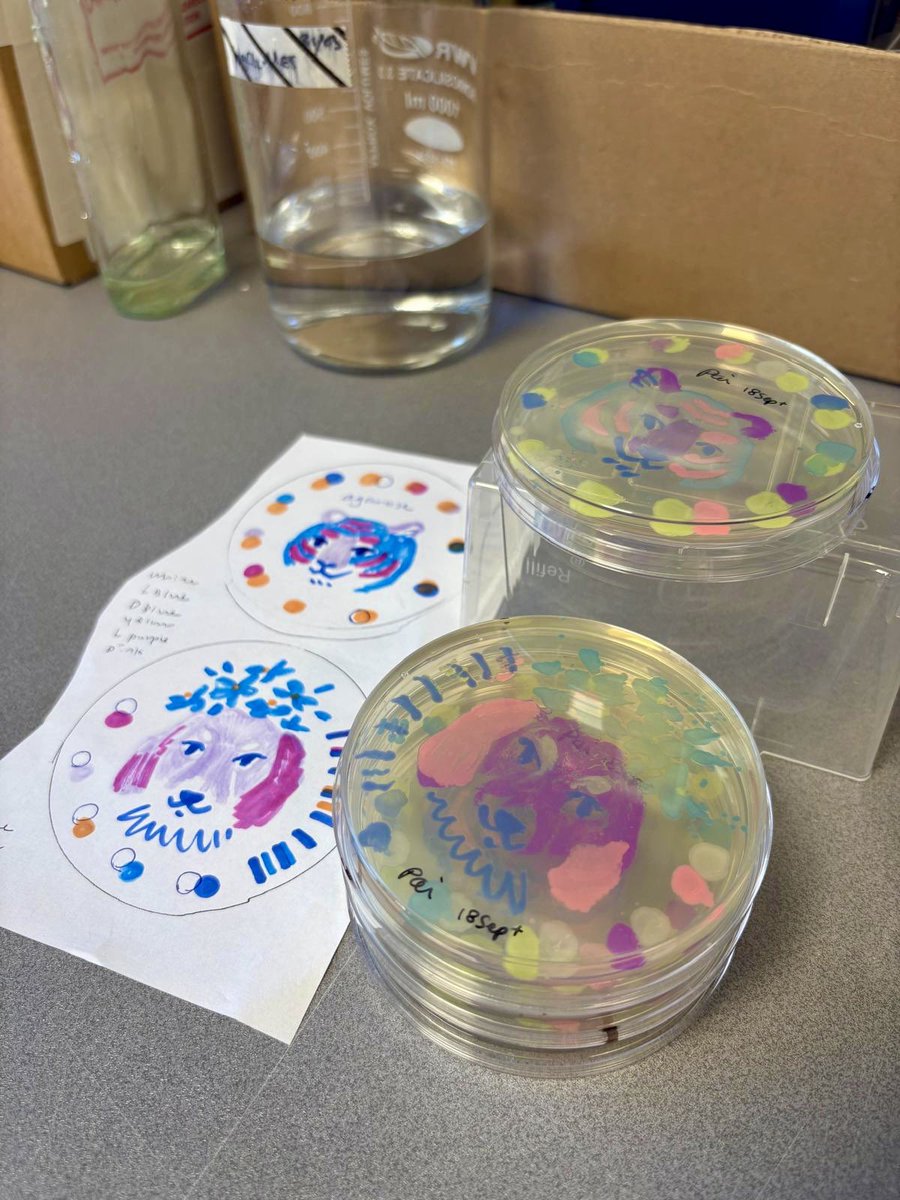
I find that so many biologists are also very talented artists.
@HsuanPai1 is a skilled technician and apparently good at any artistic media she touches.. even LB.
🚨BREAKING SCIENCE NEWS: A new rna-guided system discovered-potentially better than crispr!🚨
Implications of TIGR-Tas system:
🔹 Fewer off-target effects
🔹 More programmable DNA cutting
🔹 Evolutionarily distinct from CRISPR
🔹 Could revolutionize gene therapy & biotech!
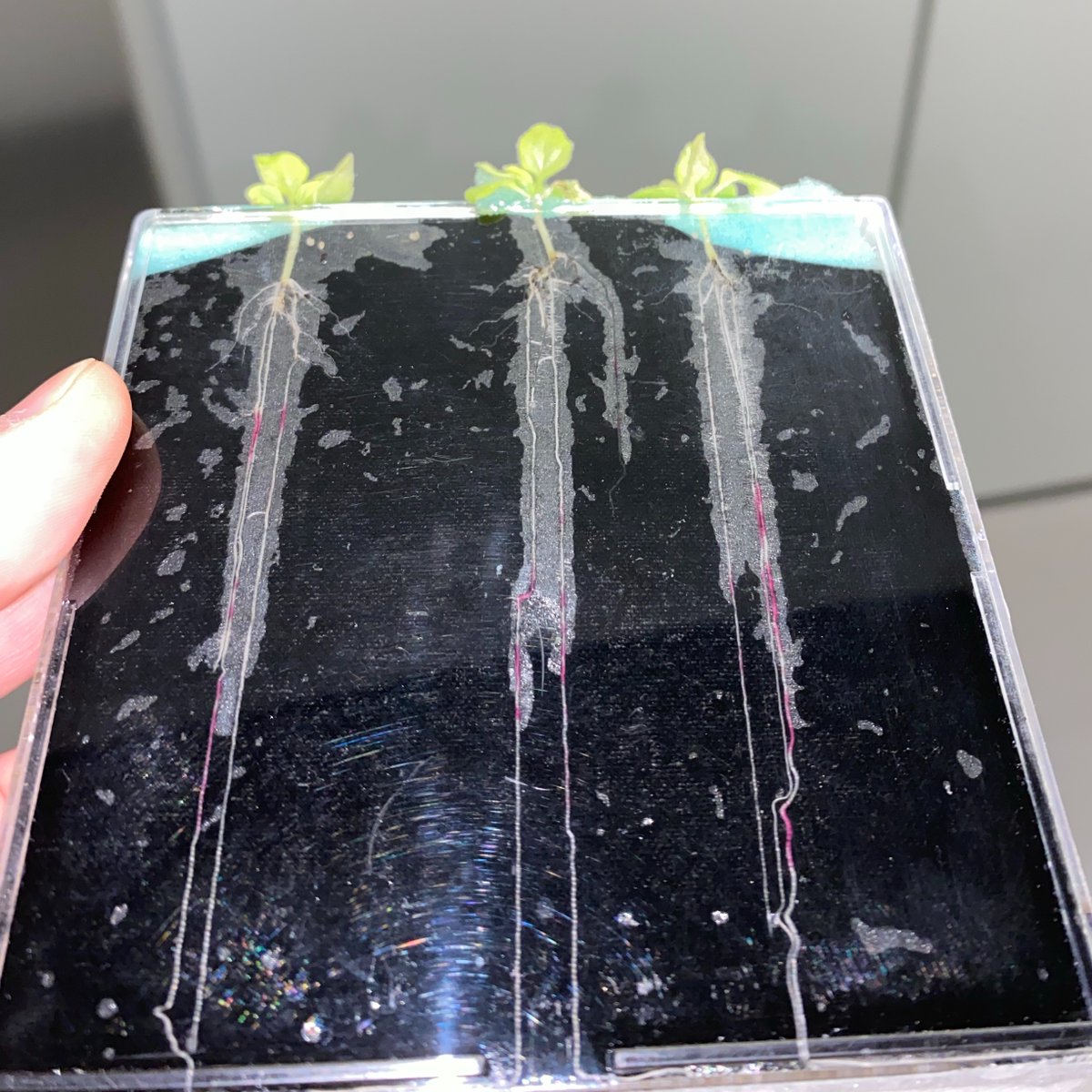
How do fungi explore a root system over time?
Spatial and temporal tracking of the Nicotiana root symbiosis with arbuscular mycorrhiza fungi using MycoRed.
Videos and images and optimised Rhizotrons by @Nick_GarciaH
Science behind this: https://t.co/pAdKtZSz8n
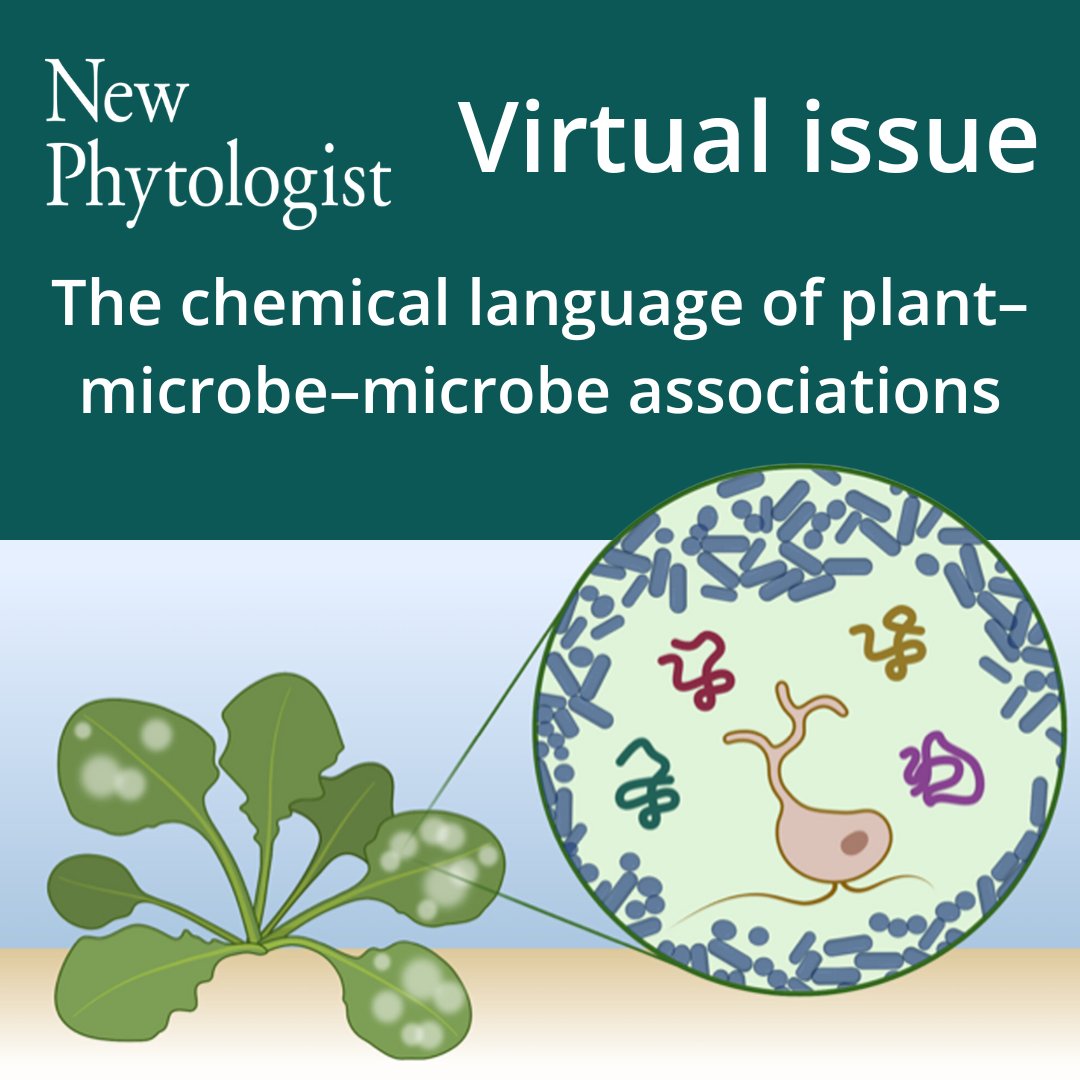
Virtual Issue: The chemical language of plant-microbe-microbe associations
https://t.co/BUvmII9Wis
The chemical language between #plants and #microbes, and among microbes, is critical for understanding biological organization, beneficial associations and ecosystem function.