Tomorrow's trend is predicted to open slightly higher and fluctuate upwards, with a potential challenge of the $400 mark and a 70% probability of closing higher
Short-term fluctuations are normal consolidation; downside potential is limited and core support is solid, so holding positions patiently is more appropriate.
📊 Microsoft held firm at $385, closing at $384.93 (-0.02%), outperforming the sector; Windows update fixed a record 570 vulnerabilities; AI annualized revenue hit $37B (+123%), led by Azure & Copilot.
@MSFT
💡 Key Support: Current valuation is below the 5-year average, institutions are generally optimistic about the long-term benefits of AI, and the support around $384 is solid.
Short-term fluctuations are easily digested, and downside potential is limited; holding positions patiently is more suitable. 🔮 Trend Forecast:
July 16: $385.5-$389, upward trend with fluctuations
July 17: $386-$390, consolidation and accumulation of momentum
The stock price is expected to rise slightly, with a very low probability of a sharp decline. Short-term fluctuations are easily digested, and the downside potential is limited, making it more appropriate to hold the position patiently.
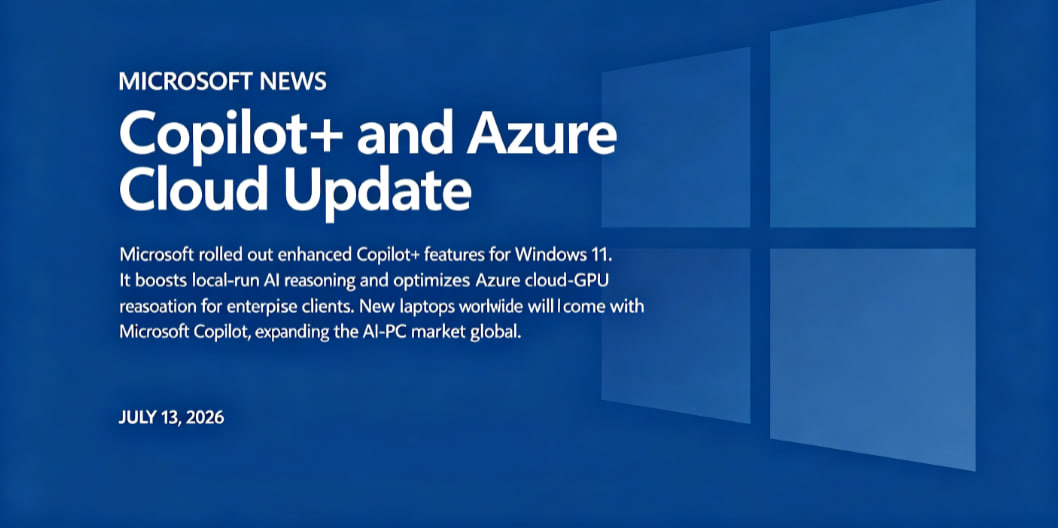
💡 Microsoft Update Released: No Negative News, How to View Short-Term Trends? Microsoft released Windows patches and optimized search today, while also reminding users of AI data security. This is a normal process and has no negative impact.
@MSFT
In my view, the Azure cloud + Copilot ecosystem has a solid growth logic, and the company has ample cash flow and strong risk resistance. My previous prediction was that market sentiment would rebound in the next two days.
The company maintains solid long‑term fundamentals, so daily stock‑price swings are not a major concern. I hold this stock and expect market sentiment to improve tomorrow. Its share price will likely edge up, while a sharp decline is highly unlikely.
Major collaboration reached! Microsoft partners with Haleon to expand AI business 🚀Microsoft sealed a 5‑year partnership with Haleon for Azure and Copilot. MSFT dipped briefly amid volatile US markets then edged up, holding short‑term support.
@MSFT
I believe the stock price will fluctuate in the short term with overall market sentiment, but with Microsoft's continued success in enterprise AI orders, it will likely stabilize.
High AI R&D costs, fierce competition in the cloud business, and a lukewarm commercialization trend will suppress valuations. Will you wait for earnings results to materialize, or bet on the long-term growth of industry leaders?
@MSFT
Competition intensifies in the tech industry.
Many people view Microsoft merely as a traditional software vendor; its core value lies in AI digital infrastructure: Windows and Office form the foundation, while Azure and Copilot drive growth.
The market is chasing short-term AI themes; are funds being allocated to leading AI infrastructure companies with high profit potential? Microsoft faces risks.
Microsoft rebounded from $373.35 to $384.36 (+0.27%) with strong dip buying at a reasonable P/E of 22.81%. I keep my holdings, as short-term news won’t disrupt cloud & AI growth, and GPT monetization will lift valuations amid sector recovery.
Microsoft's stock price staged a V-shaped reversal! Short-term fluctuations will not change the AI theme; continue to hold and wait for valuation to fall back. HSBC lowered its target price for Microsoft; Xbox is undergoing restructuring, resulting in 213 layoffs.
@MSFT
OpenAI faces media copyright litigation & UK’s Microsoft Cloud regulation pressure; GPT-5.6 launches with Codex integrated, ex-Xbox chief becomes Fed AI advisor. Windows vulnerabilities fixed, Edge upgraded; Wuthering Waves arrives on Xbox.