The oldest producer of clean renewable electricity in the United States, Mechanicville Hydroelectric was saved by bitcoin mining.
The Mechanicville hydroelectric plant in New York dates to 1897. It was built on the Hudson River to supply electricity to General Electric’s operations in Schenectady. The company has since long abandoned the facility.
In 2021, the hydroelectric dam could not make a profit and was going to be decommissioned. Bitcoin mining fixed that when the CEO decided to use some of the electricity to run Bitcoin miners.
CEO Jim Besha said selling power to the grid brought in three cents per kilowatt-hour. Bitcoin mining brought in approximately three times as much.
He was buying used mining equipment and converting the bitcoin into cash rather than keeping it as an investment. This saved the facility.
A bitcoin prize was encrypted into human DNA
DNA, the building blocks and foundational structure of life itself, can store computer data by translating information into sequences of its four chemical letters.
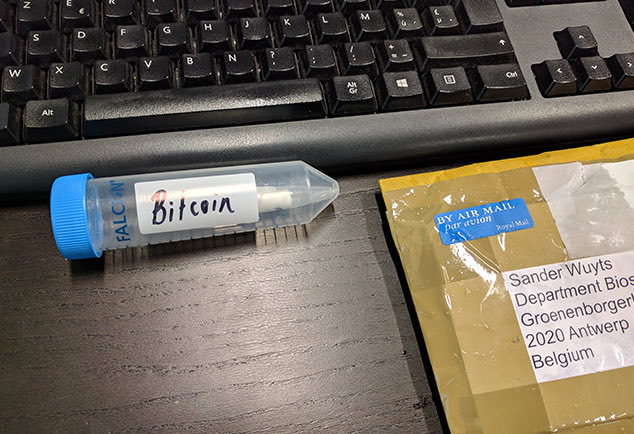
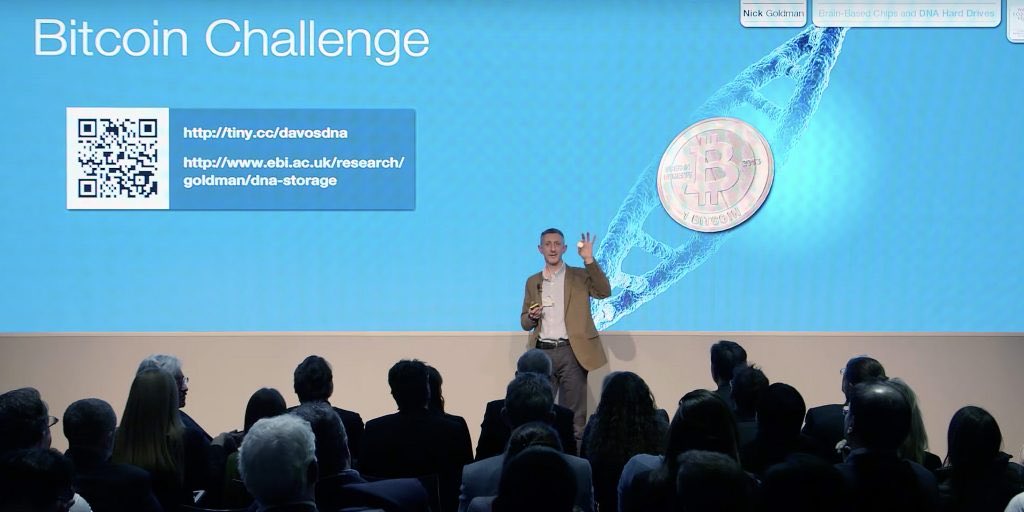
In January of 2015, geneticist Nick Goldman distributed tubes of synthetic DNA at Davos. The encoded files included the private key to 1 bitcoin.
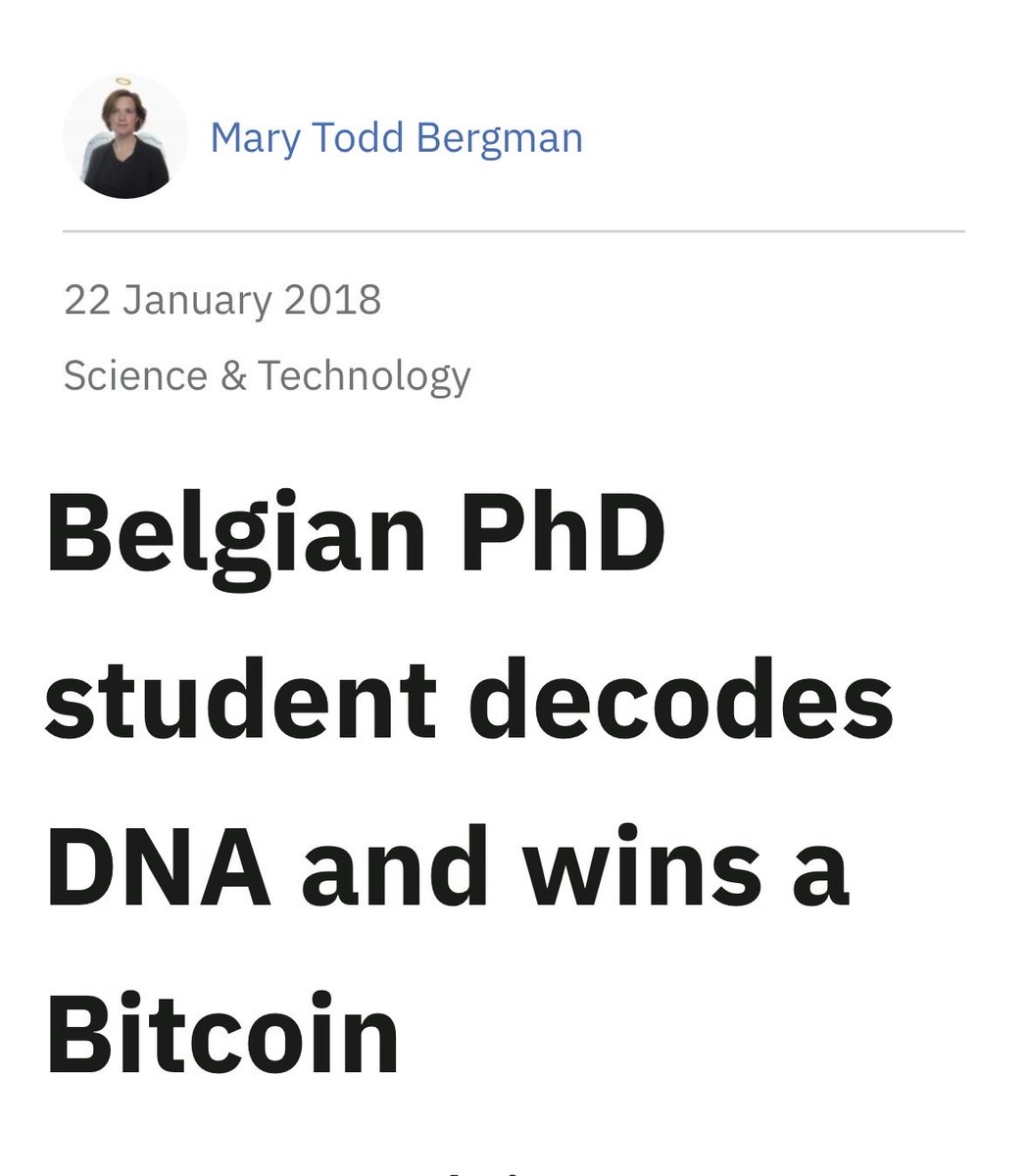
Participants had three years to sequence the DNA and recover it. Belgian doctoral student Sander Wuyts solved the challenge shortly before the January 2018 deadline.
His first attempts failed because of an erroneous line in his decoding program, but removing it produced the files and the spendable key.
In March of 2013, Hal Finney published his iconic story “Bitcoin and me” on the BitcoinTalk forum.
He described being paralyzed by ALS and using an eye-tracking system to operate his computer. Programming bitcoin software had become much slower, but he was still doing it.
Hal was still contributing to the open-source bitcoin network, believing that bitcoin could help change the world.
He had worked on a small controller so he could adjust his wheelchair, and he was developing a bitcoin wallet security project. He described that project as nearly finished, apart from documentation.
FRUIT FLY BRAIN MINES BITCOIN AT POTENTIAL 10X ASIC EFFICIENCY
Introducing HashFly by @FutureBit, an experimental Bitcoin miner based on a reconstructed fruit fly brain using 2,914 real neuron connections to run SHA-256.
The team says that if the system could be scaled using actual organic neurons, it could theoretically hash at roughly 1 W/TH, around 10x more energy efficient than leading 3nm silicon ASICs.
For now, it’s an experiment. But biologically inspired Bitcoin mining is officially a thing.