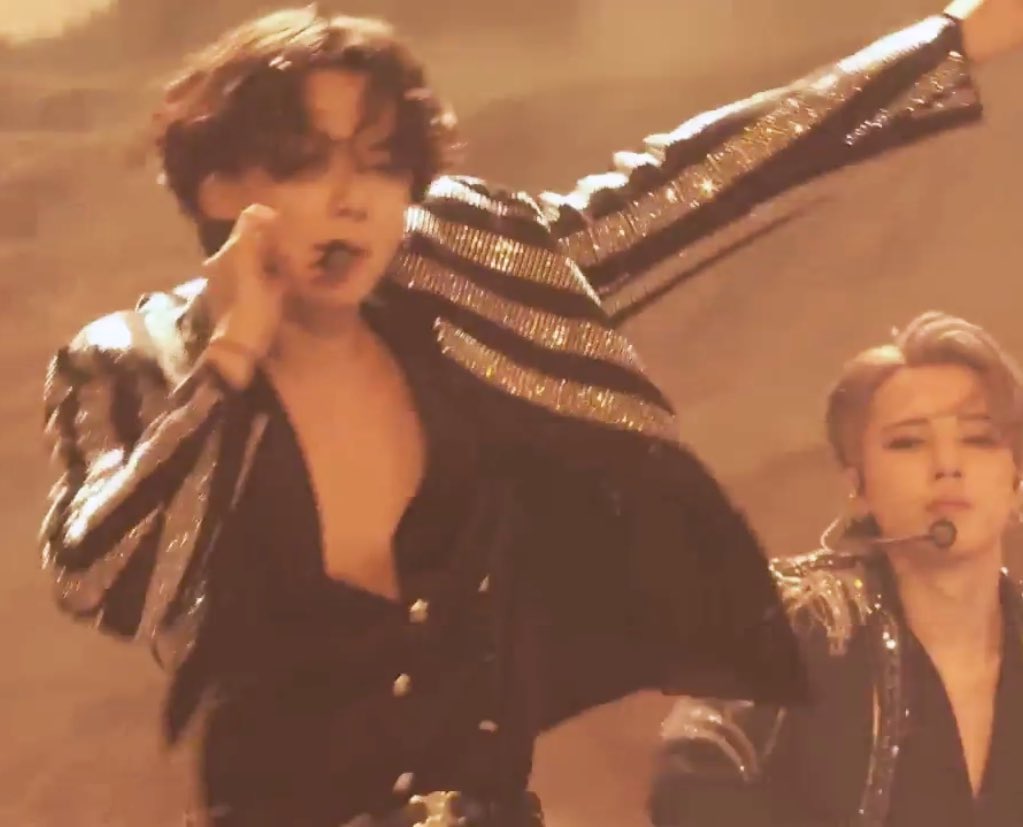
Jungkook taking off the sash so we can see his chest more for day 2 is jungkook doing God's work. This is why we say that jungkook would do anything to make ARMY happy. #MapOfTheSoulOne_D2
Day 1 Day 2
Dear Grammys, BTS' legacy never needed validation | @filmybugB
For over a decade, the question surrounding BTS was always the same: When will they win a Grammy? Perhaps we were asking the wrong question. Because after everything BTS have achieved, the more interesting one is this: What happens when the world’s biggest band decides it no longer needs to ask for a seat at the table?
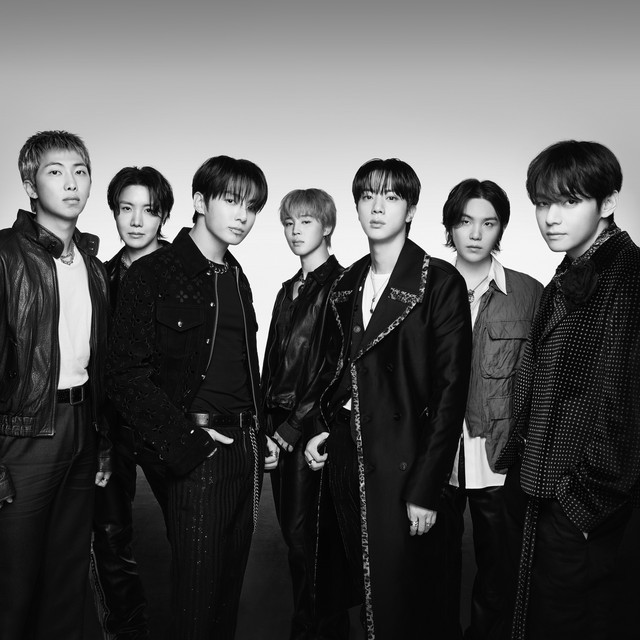
In a unified statement shared across all seven members’ Instagram accounts, RM, Jin, SUGA, j-hope, Jimin, V and Jung Kook wrote, “We have decided not to enter the Grammys this year. I hope music itself can be heard and loved rather than being distinguished by region or language.”
Three sentences only, and it may well be the most consequential statement the group has made about the global music industry in years.
#BTS #Grammys
https://t.co/3KU0NEXOcA
Oh please read this 💜
“That’s the part the Grammys should be mourning.
Because they had something extraordinarily rare: one of the biggest acts in the world genuinely valued their recognition.
And they squandered it.
Year after year, BTS showed up. Performed. Smiled. Brought the audience. Generated the headlines. Treated the nomination like an honor. Allowed the Grammy to remain positioned as something worth chasing.
Until eventually the chase became more embarrassing for the institution dangling the prize than for the artists who hadn’t received it.
And now, after BTS finally stopped running, the Grammys want to explain that they’ve created MORE opportunities for recognition?
Baby, the opportunity expired.
You had seven global superstars standing at your door believing what was inside mattered.
You kept them waiting so long they built something bigger outside.”
https://t.co/AFJE8dzvUy
Today's #GlobalPopFrenzy show kicked off with Aliens by BTS.
It takes tremendous courage to stand by your work and beliefs. We are proud of BTS and all artists throughout the world who continue to share their music and art with us despite the hurdles and obstacles in their way. We see you. We honor you. We thank you.
“We hope our music can be heard and loved for what it is, rather than being divided by region or language. We thank Army and everyone who has always stood by us." - BTS
My Reaction to BTS Not Playing the Grammys' Game, and the Korean Music Critic Who Criticized Their Decision
For the past ten days, I traveled along Korea's west coast and then spent time with my former students on Jebudo, an island where you can witness the miracle of Moses every single day, as the 2.3-kilometer road connecting the island to the mainland disappears beneath the sea as the tide comes in, only to emerge again when the water recedes. We spent a few days together at a pension (a Korean vacation rental), playing sports, talking late into the night over drinks, and laughing about old memories. Then I headed to one of the most remote temples in Korea for a temple stay, a place I often visit whenever I need to clear my mind and spirit.
I finally made it back to Seoul late tonight, and as soon as I got home, I opened my iPad to catch up on the day's news. The very first thing I saw was that all seven BTS members had agreed not to submit any music for Grammy consideration next year. I have to admit, I was really proud of them.
The moment the Recording Academy announced that new Asian music category last month, my immediate reaction was, "I know exactly what this is." It felt like a way of keeping BTS away from the major categories. A polite way of saying, "You may be the biggest music group on the planet, but you still don't belong here." I've said this to my friends ever since that category was announced that BTS should simply stop playing the Grammys' game. I know ARMYs around the world have felt exactly the same way.
So when I learned that BTS wouldn't just skip the Grammys but wouldn't even submit their music for consideration because they believed the category was essentially segregating Asian music, I clapped and said out loud to myself, "That's the BTS I know and love."
They've never played by other people's rules. They've always made their own. That's what they did with the Korean media, and that's exactly what they're doing now.
I know the Grammys' defense. They'll point to categories like Best African Music Performance or Latin music awards and say, "See? We have regional categories for everyone." But Asian music has always existed; why wasn't there an Asian category before? Why now?
The timing is just a little too convenient, isn't it? Even after taking a long break for mandatory military service, BTS's first album after their return became the best-selling album, songs like "SWIM" conquered the Billboard charts, and their worldwide tour is already breaking records. And now, all of a sudden, the Grammys create a brand-new category for Asian music? Come on, Grammys, nobody's buying it. We all know this isn't about recognizing Asian music. It's about keeping BTS in its own lane.
As a longtime ARMY, I know how much these seven men have dreamed, worked, and sacrificed over the years. So I definitely know that this decision did not come easily. That's what makes it so meaningful.
Then, of course, a Korean music critic had to pour cold water on BTS's brave decision and make me sigh… Just like the Korean music critic who suddenly argued that the American Music Awards had somehow "lost their influence" the moment BTS won Artist of the Year, one of Korea's best-known music critics, Yim Hee-yoon, criticized BTS's decision in an interview with Yonhap News, which, for those outside Korea, is essentially our version of the Associated Press.
He said:
BTS는 비교적 본상 또는 본상 후보 근처에 가장 근접한 한국 또는 아시아의 아티스트이기 때문에 이런 목소리를 낼 수가 있는 거라고 생각하거든요. 다른 면에서 바라보면 많은 아시아 아티스트들의 희망을 꺾는 일일 수도 있어요.
Which can be translated like this:
"I believe BTS can make this kind of statement because they are the Korean or Asian artist that has come closest to receiving one of the Grammys' main awards, or even becoming a serious contender for one. Seen from another angle, however, this could end up crushing the hopes of many Asian artists."
I read that sentence twice. Crushing the hopes of other Asian artists? So, according to this critic, BTS is supposed to gratefully accept a segregated category, smile, say thank you, and keep submitting their music because otherwise they might discourage other artists? Really? Hasn't BTS already done enough for Asian artists?
Let's be honest about what they've accomplished. They're the group that kicked open doors that many people thought could never be opened. They entered markets that had long been considered impenetrable for Korean artists and, in doing so, changed the way people around the world looked at K-pop. How long are they expected to keep carrying that responsibility?
What I don't think this critic understands is that BTS is making this decision precisely because they care about the future of Asian artists. They're willingly giving up possible Grammy nominations, and perhaps even Grammy awards, because they refuse to let Asian music be reduced to a regional category.
Think about that for a moment. If another Korean group, or a Japanese artist, or an artist from India, Thailand, Indonesia, or anywhere else in Asia creates a massive hit, should that artist automatically be placed in an "Asian Music" category simply because of where they come from? Or should they compete alongside everyone else?
BTS has answered that question with this decision.
And then I found myself thinking of someone I miss very, very much. Kim Young-dae. After he passed away, this music critic who criticized BTS's decision today, along with two other so-called music critics, took his place on Kim Ou-joon's program (remember the guy with the long bushy hair and messy beard?) to talk about K-pop. I've spoken with K-ARMYs about them, and we've all come away with the same feeling: unlike Kim Young-dae, they simply don't understand BTS.
Just a few weeks ago, Kim Ou-joon asked them a question, "Don't you think Korean media is always downgrading BTS? That it never really shows just how much influence they actually have around the world?" The critics replied, "No. Korean media supports BTS tremendously. The media is always reporting on their accomplishments, their concerts, and their success."
Kim Ou-joon immediately stopped him. "No," he said, "That's not what I'm talking about. I know the media reports those things. Everyone knows BTS sells out stadiums. Everyone knows they top charts. Everyone knows they've won awards. But they rarely try to explain why BTS became so popular. And they don't truly respect BTS as artists."
The room went quiet. No one really answered him. Instead, the conversation slowly drifted toward younger, up-and-coming K-pop groups. The moment that happened, I noticed something. Their eyes lit up. It felt as though they couldn't wait to stop talking about BTS.
They’re just like other Korean music critics and the Korean media, who are very good at reporting BTS's achievements but do not try to understand why millions upon millions of people around the world fell in love with seven young men from Korea.
They do not try to understand why people admire Namjoon's writing so much.
Why Yoongi's production is so respected.
Why Hobi's performances electrify audiences.
Why Jimin's voice moves people to tears.
Why Taehyung's artistic sensibility captivates so many people.
Why Jungkook is so beloved for his versatility.
Why Jin's expressive singing resonates with people around the world.
I've always believed that BTS never chased recognition for recognition's sake. They wanted people to hear their music, understand their message, and perhaps see the world a little differently because of it. If that meant refusing to play by someone else's rules, they've never been afraid to do it. That's one of the reasons I admire them so much.
Some people will probably say they're overreacting. Others will say they should have accepted the category and simply been grateful. I couldn't disagree more. Real change almost always begins because someone is willing to say, "No." Even when everyone else thinks it's safer to say yes.
Whether the Recording Academy changes course or not, I don't know. Whether this decision will make any difference five or ten years from now, I don't know either. But I do know this. Years from now, if another Asian artist is nominated for Album of the Year, Record of the Year, or Song of the Year without first being placed into a separate regional category, I hope people will remember that seven young men from Korea once decided to stand up and say something wasn't right. History has a funny way of revealing the importance of certain moments only after they've passed.
It's quarter past three here in Korea. Outside, it's so quiet that not even the distant barking of a dog can be heard. But before I call it a night, I'm going to pour myself a glass of Cabernet Sauvignon, a toast to BTS for their brave decision, and to Kim Young-dae.
Jung Kook is now the
— First Asian male Global Brand Ambassador of CALVIN KLEIN.
— First and Only Asian Global Ambassador of HUBLOT.
— First ever Global Ambassador for CHANEL: Fragrance & Beauty.
— First ever Global Ambassador of GRAFF 🆕
[NEWS] #JUNGKOOK is GRAFF's First ever Global Ambassador in the brand's 66 years history. The luxury jewelry house was founded by Laurence Graff, widely known as the "King of Diamonds”
JUNGKOOK FOR GRAFF
#JUNGKOOKxGRAFF




![bts_bighit's tweet photo. [#오늘의방탄]
260706 BTS WORLD TOUR 'ARIRANG' IN LONDON
#방탄소년단 #BTS #BTS_WORLDTOUR_ARIRANG
#BTS_WORLDTOUR_ARIRANG_EUROPE
#BTS_WORLDTOUR_ARIRANG_LONDON https://t.co/ZH5PgCgveU](https://pbs.twimg.com/media/HMk24GNaEAAFytO.jpg)
![bts_bighit's tweet photo. [#오늘의방탄]
260706 BTS WORLD TOUR 'ARIRANG' IN LONDON
#방탄소년단 #BTS #BTS_WORLDTOUR_ARIRANG
#BTS_WORLDTOUR_ARIRANG_EUROPE
#BTS_WORLDTOUR_ARIRANG_LONDON https://t.co/ZH5PgCgveU](https://pbs.twimg.com/media/HMk24GMbwAAZA1Z.jpg)
![bts_bighit's tweet photo. [#오늘의방탄]
260706 BTS WORLD TOUR 'ARIRANG' IN LONDON
#방탄소년단 #BTS #BTS_WORLDTOUR_ARIRANG
#BTS_WORLDTOUR_ARIRANG_EUROPE
#BTS_WORLDTOUR_ARIRANG_LONDON https://t.co/ZH5PgCgveU](https://pbs.twimg.com/media/HMk24GLbgAAljtl.jpg)






![bts_bighit's tweet photo. [#오늘의방탄]
260719 FIFA World Cup 2026
#방탄소년단 #BTS #FIFAWorldCup https://t.co/lk6VA8TvbC](https://pbs.twimg.com/media/HNn4svhbMAArbFI.jpg)
![btschartsxdaily's tweet photo. [NEWS] Ronaldinho wore #BTS t-shirt with Brazilian singer Belli ! 🇧🇷
BTS AT WORLD CUP 2026
#BTSxWORLDCUP2026
#BTSHALFTIMESHOW https://t.co/3HbHrTXKQH](https://pbs.twimg.com/media/HNn1rWWXwAAoUSn.jpg)


![bts_bighit's tweet photo. [#오늘의방탄]
260706 BTS WORLD TOUR 'ARIRANG' IN LONDON
#방탄소년단 #BTS #BTS_WORLDTOUR_ARIRANG
#BTS_WORLDTOUR_ARIRANG_EUROPE
#BTS_WORLDTOUR_ARIRANG_LONDON https://t.co/ZH5PgCgveU](https://pbs.twimg.com/media/HMk24GUbsAA6UmL.jpg)

![btschartsxdaily's tweet photo. [NEWS] #JUNGKOOK is GRAFF's First ever Global Ambassador in the brand's 66 years history. The luxury jewelry house was founded by Laurence Graff, widely known as the "King of Diamonds”
JUNGKOOK FOR GRAFF
#JUNGKOOKxGRAFF https://t.co/kR6fDLDhLn](https://pbs.twimg.com/media/HMNmfWyWsAAIwTW.jpg)


